Sumner County Kansas Kansas Wheat Festival
Every July, downtown Wellington fills with carnival lights, parade crowds and the small rituals of a wheat town celebrating itself. The occasion is the Kansas Wheat Festival, the published name carried by local newspaper layers, the chamber’s own festival brochure and state layers alike, with the short form KWF appearing in the same sources. Wellington is the county seat of Sumner County, and the festival belongs to the town in a formal sense as well: a state layer records that the annual Kansas wheat festival held in Wellington was designated the official state Kansas wheat festival by an act of the state legislature in two thousand twelve.
The documentation behind this event runs unusually thick. Documented editions stretch from the one hundred seventeenth annual billing in two thousand seventeen to the one hundred twenty-sixth in two thousand twenty-six, and the layers preserve themes, entry counts, contest results and the evenings when rain spoiled the music. What follows draws only on those layers: the chamber’s brochure, the local newspaper’s previews and wrap-ups, a regional magazine account, travel and listing layers, and state sources, each credited in general terms rather than by name.
About the Kansas Wheat Festival
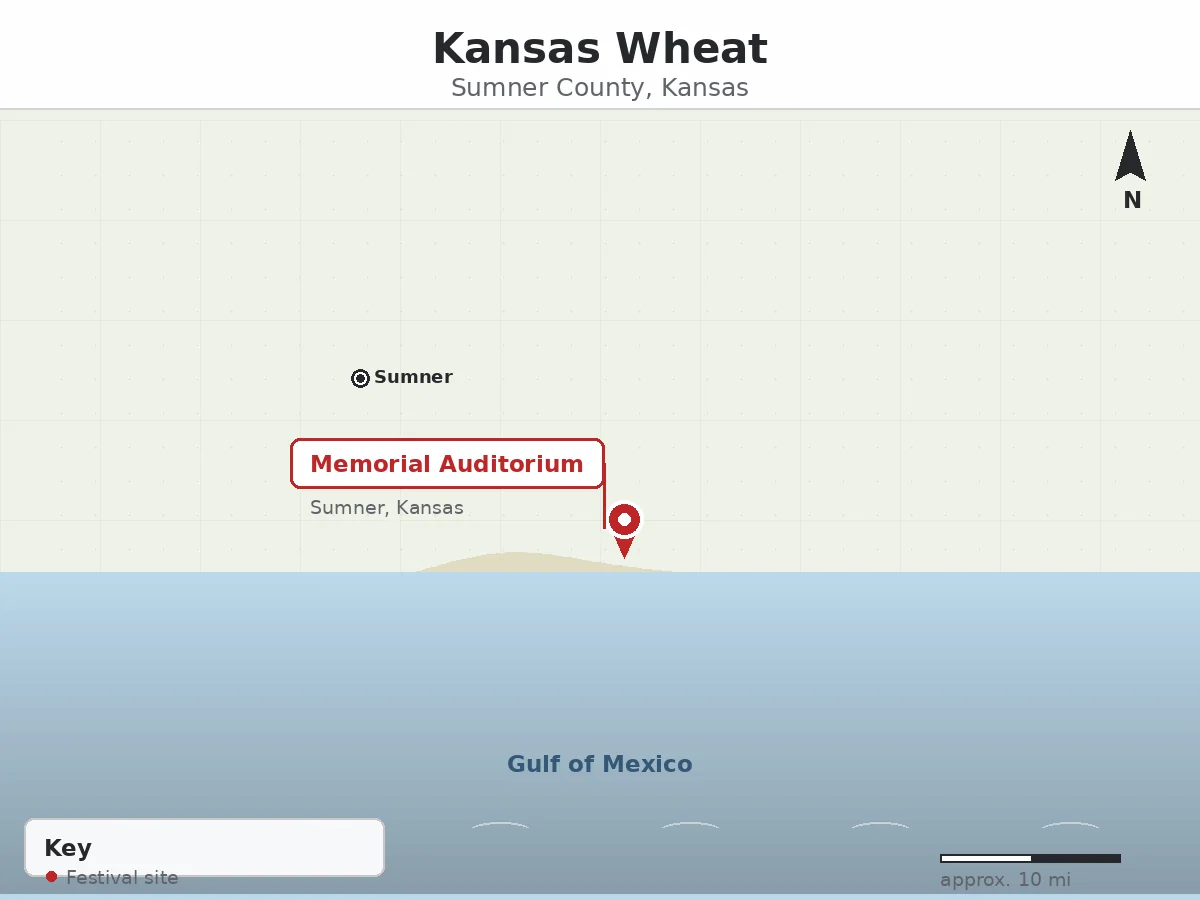
The festival is a multi-day summer celebration spread across downtown Wellington rather than gathered behind a single gate. The chamber’s brochure names the working sites: Heritage Park, Memorial Auditorium, Sellers Park and the Raymond Frye Complex, with a Sunday grand finale at Worden Park recorded in the local newspaper’s two thousand seventeen account. Its programme mixes a carnival, a parade, contests of skill and appetite, exhibits of wheat and quilts, and nightly stage entertainment, all folded into the middle of the wheat country calendar.
Two organiser name forms appear in the record and are kept apart here, exactly as printed. Local newspaper layers name the Wellington Area Chamber of Commerce, directing festival results to the chamber; the chamber’s own brochure prints the fuller form Wellington Area Chamber of Commerce/CVB and makes the chamber office the festival’s contact point. Neither form is merged into the other in this article.
The event’s centre of gravity is agricultural. Wheat shows sit alongside the carnival rides, the medallion hunt and the bed races, and the town’s older identity does the rest: travel and listing layers state that the festival began in nineteen hundred, when a bumper harvest earned Wellington the title Wheat Capital of the World. The celebration has kept that harvest at the middle of its story ever since.
For a useful comparison, see the Stevens County Kansas Art and Craft Festival for another county festival.
Quick Facts
| Item | Detail |
| Published name | Kansas Wheat Festival |
| Short form | KWF |
| Host town | Wellington, county seat of Sumner County |
| Setting | Downtown Wellington, including Heritage Park, Memorial Auditorium, Sellers Park and the Raymond Frye Complex |
| Organiser forms | Wellington Area Chamber of Commerce; Wellington Area Chamber of Commerce/CVB |
| Documented billings | One hundred seventeenth annual in two thousand seventeen through one hundred twenty-sixth in two thousand twenty-six |
| Timing in the record | Early to middle July in every documented edition |
| Admission record | No general gate price stated; individual elements carry their own charges |
| State standing | Designated the official state Kansas wheat festival by an act of the state legislature in two thousand twelve |
History
Travel and listing layers give the festival a beginning in nineteen hundred, when Sumner County brought in a bumper wheat harvest and Wellington took on the title Wheat Capital of the World. That origin stands here exactly as those layers state it. No layer read for this article offers a competing founding account, and none is constructed here from the annual billings.
The billings themselves are long and consistent. The local newspaper billed the two thousand seventeen edition as the one hundred seventeenth annual festival, a travel layer billed two thousand twenty-one as the one hundred twenty-first, the local newspaper recorded the one hundred twenty-fourth in two thousand twenty-four, a regional magazine layer billed two thousand twenty-five as the one hundred twenty-fifth annual, and the chamber’s brochure with the local newspaper documented the one hundred twenty-sixth in two thousand twenty-six. Those numbers are presented strictly as billings, the way each layer printed them.
A second thread of the history is legal rather than festive. A state layer records that the annual Kansas wheat festival held in Wellington was designated the official state Kansas wheat festival by an act of the state legislature in two thousand twelve. The designation is described in words only here; the underlying citation is never reproduced. The effect, though, is easy to state: among all the wheat celebrations in a wheat state, this one carries the formal state title.
What to Expect
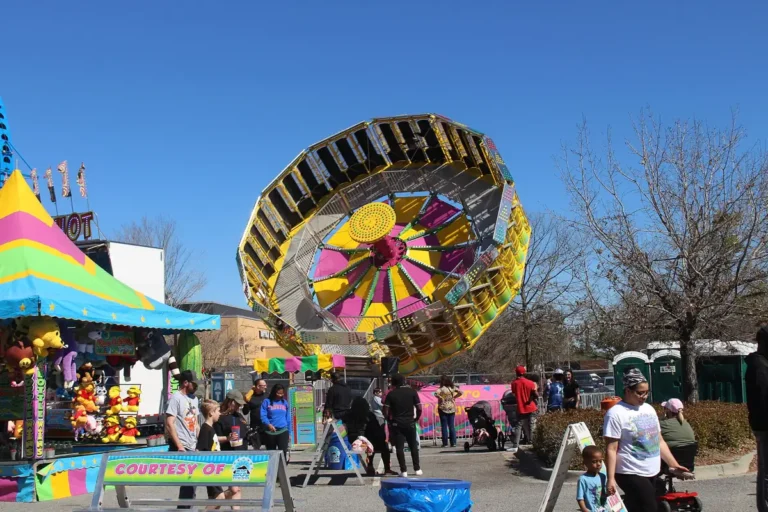
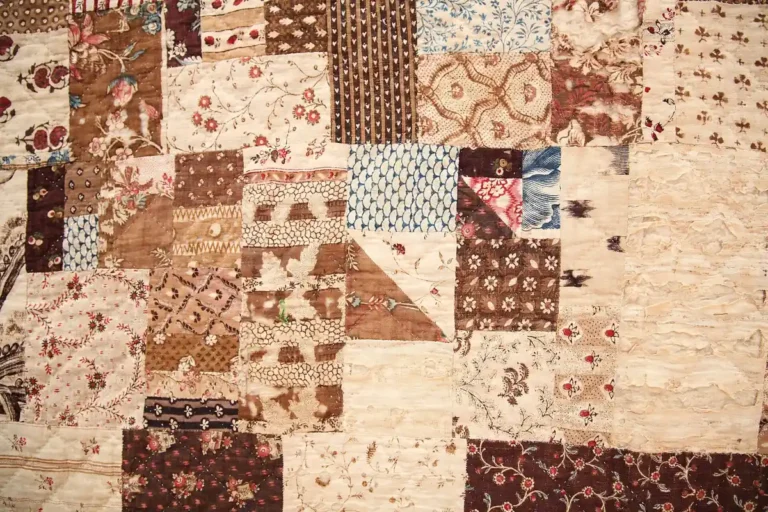
The fullest single picture comes from two thousand twenty-six, when the chamber’s brochure and the local newspaper together documented the one hundred twenty-sixth festival across the eighth to the eleventh of July. The carnival ran from Wednesday to Saturday, six to ten in the evening. The parade stepped off at eight in the evening on the Friday, and the newspaper’s wrap-up counted fifty-seven entries. Saturday brought the Wheat Run from Sellers Park, the forty-second annual antique car show and the fortieth annual medallion hunt, alongside a Sumner County 4-H rabbit, poultry and hand pet show, tractor pulls and a quilt society show spanning the Friday and Saturday. Nightly stage entertainment closed the days, though the newspaper recorded rain disrupting the Thursday, Friday and Saturday band performances.
Earlier layers fill out the texture. A regional magazine layer billed the one hundred twenty-fifth annual festival in two thousand twenty-five with an art exhibit and contest, children’s storytime and crafts, sidewalk chalking, a watermelon feed, a horseshoe tournament, carnival rides, a lip-sync contest, a hot dog eating contest, a cookie jar auction, a cow chip throw and bed races. A travel layer describing the one hundred twenty-first festival in two thousand twenty-one listed cornhole competitions, art exhibits, photo contests, lip-sync contests, tricycle races and wheat shows beneath a parade theme of Traveling Through the Decades. The local newspaper’s two thousand seventeen account adds a beer garden, a colouring contest, the debut of helicopter rides and a Sunday grand finale at Worden Park, all under a Chisholm Trail one hundred fiftieth-anniversary theme. A listing layer contributes a cowboy action shootout to the programme’s wider history.
Planning Your Visit
Timing is the first decision, and the documented editions agree on the shape of it: every fully documented festival in the record falls in early to middle July, running four or five days from a Wednesday or thereabouts through the weekend. The two thousand twenty-six edition ran from the eighth to the eleventh of July, the two thousand twenty-five edition from the eighth to the twelfth, and the two thousand seventeen edition from the twelfth to the sixteenth. Anyone planning around a future edition should watch for the chamber’s brochure, which is the layer that carries the working schedule.
Money needs a careful reading of the record. No layer read states a general gate price for the festival as a whole, and none states that the whole festival is free. What the layers do say is narrower: a listing layer describes nightly free outdoor concerts, a statement about the concerts only, while the carnival and individual elements carry their own charges. A two thousand seventeen layer priced helicopter rides at forty dollars per ride; that is an element charge from one edition, not a gate price, and it is fenced to its year here.
Movement is simple in outline. The festival occupies downtown Wellington across several named sites, so a visit is a walk between Heritage Park, Memorial Auditorium, Sellers Park and the Raymond Frye Complex rather than a single-venue stay. Evenings carry the carnival and the stage entertainment, and the Friday parade is the week’s fixed point at eight in the evening.
A Sample Day at the Festival
A Saturday built from the two thousand twenty-six record might open with the Wheat Run from Sellers Park, the festival’s run in its printed 5K form alongside a one-mile option. The middle of the day belongs to the exhibits and contests: the quilt society show, the Sumner County 4-H rabbit, poultry and hand pet show, the antique car show in its forty-second annual running, and the medallion hunt in its fortieth. Tractor pulls supply the noise.
By evening the carnival takes over, running six to ten in the evening as the brochure records, with stage entertainment after dark. A Friday variant trades the run for the parade at eight in the evening, the week’s largest single gathering in the newspaper’s account. Either way, the day ends the way the listing layer describes the nights: with outdoor music in the middle of town.
How the Festival Compares
Sumner County holds more than one summer celebration, and the layers keep them apart. The Sumner County Fair is a different event, held in Caldwell in August according to a state tourism layer, with the county-fair shape of exhibits and judging rather than a downtown street festival. The Oxford Watermelon Feed is likewise a separate Sumner County event; it appears inside this festival’s story only because one regional magazine layer listed a watermelon feed among the two thousand twenty-five programme elements. The feed as an element and the feed as its own hometown event are not the same thing, and this article does not merge them.
Against wheat festivals in other states, the Wellington event’s distinguishing marks in the record are its billing count, which passed one hundred twenty-five annual billings in two thousand twenty-five, and its formal standing as the official state wheat festival. Few harvest celebrations anywhere carry a legislative designation, and fewer still pair it with a programme that runs from wheat shows to bed races.
Festival Checklist
- Check the chamber’s brochure for the current year’s dates and daily schedule
- Plan the Friday evening around the parade at eight in the evening
- Keep Saturday free for the Wheat Run, the antique car show and the medallion hunt
- Carry small money for the carnival and individual element charges
- Read admission claims narrowly: the concerts are described as free, the festival as a whole is not
- Leave time for the quilt show and the 4-H exhibits between contests
- Prepare for summer heat in an open downtown setting and carry water
Beyond the Festival Grounds
Wellington’s identity reaches past the festival week. The Wheat Capital of the World title, which travel and listing layers tie to the bumper harvest of nineteen hundred, frames the town’s self-image, and the festival’s wheat shows keep the crop itself on display rather than treating harvest as a backdrop. The county-seat routines of Sumner County run through the same downtown the festival occupies, so the celebration sits inside the town’s working centre, not apart from it.
The chamber’s brochure also places the festival’s contact point at the chamber office, inside the town’s civic core. Visitors who come for the parade or the carnival are stepping into a place where the festival, the harvest and the county’s business have shared the same few blocks for a very long time.
Why the Festival Matters
The formal designation does real work in the festival’s story. When a state layer records that the legislature made this the official state Kansas wheat festival in two thousand twelve, it set the Wellington celebration apart from every other harvest event in Kansas. That standing rests on longevity the billings support in print, from the one hundred seventeenth annual billing in two thousand seventeen to the one hundred twenty-sixth in two thousand twenty-six, and on an origin account that ties the first celebration to a specific harvest in nineteen hundred.
There is also a plainer significance. The local newspaper’s wrap-ups record results, entry counts and rain-shortened evenings; results are directed to the chamber; contests from the medallion hunt to the cookie jar auction return year after year in the layers. A festival documented this closely, by its own town, over this many editions, is a piece of civic record-keeping as much as a party.
Frequently Asked Questions
Which organisation’s name appears on the festival in the record?
Two forms appear, kept apart exactly as printed. Local newspaper layers name the Wellington Area Chamber of Commerce and direct festival results there, while the chamber’s own brochure prints the fuller Wellington Area Chamber of Commerce/CVB and makes the chamber office the contact point.
What did the most recent documented edition include?
The chamber’s brochure and the local newspaper documented the one hundred twenty-sixth festival in two thousand twenty-six: a carnival running Wednesday to Saturday evenings, a Friday parade with fifty-seven entries, the Wheat Run, the forty-second annual antique car show, the fortieth annual medallion hunt, tractor pulls, a quilt society show and nightly stage entertainment.
Are visitors charged to get in?
The record takes no single position. No layer states a general gate price or calls the whole festival free; a listing layer describes the nightly outdoor concerts as free, and elements such as the carnival carry their own charges, with helicopter rides priced at forty dollars per ride in a two thousand seventeen layer.
From what year do the layers date the first celebration?
Travel and listing layers state that it began in nineteen hundred with a bumper wheat harvest. The printed billings in the record run from the one hundred seventeenth annual in two thousand seventeen to the one hundred twenty-sixth in two thousand twenty-six, and those numbers are reported as billings only.
What to Expect From the Next Sumner County Kansas Kansas Wheat Festival
How often is Sumner County Kansas Kansas Wheat Festival held?
The documented billings form a yearly sequence, with a numbered annual edition in every year from two thousand seventeen through two thousand twenty-six in the layers read. The festival’s rhythm in the record is one edition each summer.
When is the next Sumner County Kansas Kansas Wheat Festival?
The layers read for this article carry no announced date for a following edition. Past editions cluster in early to middle July, and the chamber’s brochure is the layer that has carried the working dates, so that brochure is where a future date would be expected to appear.
Will the dates change?
They have moved within a narrow band: documented editions open between the sixth and the twelfth of July and run four or five days. A future edition could sit anywhere in that window, and only the organisers’ own published schedule would settle the question.
A Closing Note
The Kansas Wheat Festival survives in the record as Wellington wrote it down: in brochures, previews, results and wrap-ups, year after year. That paper trail is the surest measure of the event — a wheat town marking its harvest with a carnival, a parade and a long memory, and holding the state’s official wheat title while it does so.

One Comment