Decatur County Kansas Summerfest Festival
Some celebrations leave behind thick scrapbooks; this one leaves a single vivid newspaper account and a short tourism billing. The event catalogued as the Decatur County Kansas Summerfest Festival is documented as a museum-run car weekend in Oberlin, the county seat of Decatur County in northwestern Kansas. A local news report dated thirty May two thousand seven describes the sixth annual running, built around a Friday evening cruise-in on the south end of Main Street and a Saturday car show beside the Last Indian Raid Museum. A highway-association tourism schedule from that same spring supplies the only other billing found. Beyond the two thousand seven layers, the trail goes quiet: no organiser announcement, modern date, or recent recap surfaced in the material gathered for this article. The honest response to such a record is to present it exactly as it stands. The sections below keep each printed name form separate, tie every programme detail to the two thousand seven account, and mark clearly where documentation ends and guesswork would begin.

The two surviving layers also differ in kind. One is a working newspaper preview written for people about to attend; the other is a regional schedule entry written for travellers scanning a season. Reading them against each other is what allows a weekend from nearly two decades ago to be described with any confidence at all.
About
No layer consulted prints the title used at the head of this article. In the local news layer the event appears as the Museum Summerfest and Car Show, a name that puts the museum first and the automobiles second. The same coverage supports a longer form, Last Indian Raid Museum Summerfest Car Show, which spells out the institution in full. A highway-association schedule shortens everything to Summerfest while pairing the museum event with Main Street in Oberlin. Those three forms are recorded here side by side, unmerged, because each belongs to a different layer and none can claim to be the official styling.
The catalogue title at the top of this page gathers county, state, and the word festival into a single label that no organiser ever printed. That gap between a filing label and a living name is worth keeping visible, because the printed forms carry information the label drops: two of them announce that a museum, rather than a fair board or a city committee, stood behind the weekend.
The organiser named by the news account is the Last Indian Raid Museum itself. The Decatur County Chamber of Commerce does appear in the same report, yet only in a narrower role: it sponsored the remote-control car races held alongside the show. Sponsoring one companion race is a different thing from running the weekend, and this article keeps that distinction intact.
For a useful comparison, see the Crawford County Kansas Cowboy Days Festival for another county festival.
The setting splits between the museum grounds and the street. Part of the programme unfolded behind the museum building, while the south end of Main Street in Oberlin hosted the downtown portion. Oberlin serves as the county seat of Decatur County, and the festival’s footprint reflects that standing, gathering its cars and crowds in the middle of the county’s government town.
Quick Facts
| Item | Detail |
| Published names | Museum Summerfest and Car Show; Last Indian Raid Museum Summerfest Car Show; Summerfest |
| Host town | Oberlin, Kansas |
| County role | Oberlin is the county seat of Decatur County |
| Organiser | Last Indian Raid Museum |
| Documented edition | Sixth annual, reported thirty May two thousand seven |
| Weekend shape | Friday evening cruise-in, Saturday car show |
| Setting | Museum grounds and the south end of Main Street |
| Car entry fees | Twenty dollars in advance; twenty-five dollars on the day |
| Spectator gate price | None stated in the layers read |
History
The deepest root the record offers is a number attached to a single edition. When the local newspaper covered the weekend at the end of May two thousand seven, it billed the gathering as the sixth annual. That wording tells a reader the museum had staged the event before, more than once, and expected the sequence to be understood locally. It does not, on its own, fix a first year, and this article declines to count backwards from the billing to manufacture one.
A second layer from the same season agrees on rhythm rather than origin. The highway-association tourism schedule for spring two thousand seven lists an annual Museum Summerfest and Car Show set downtown in June, which corroborates that by two thousand seven the weekend was already a recurring fixture in Oberlin’s summer. Two independent billings within a single season give the event a firmer outline than either would alone. One small wrinkle separates the two layers: the newspaper account is dated at the end of May, while the tourism schedule lodges the annual weekend in June. Nothing in either layer explains the difference, so both placements are left standing here exactly as published, without an attempt to force them into agreement.
After that season, the documentation stops. No report, listing, or organiser page located for this article carries Summerfest forward into later years, so claims that it flourished, faded, or transformed would all rest on air. The museum itself continued to anchor other Oberlin occasions, including the Mini Sappa events each October, yet those gatherings belong to their own names and dates and cannot be borrowed to extend Summerfest’s story. What history can honestly be written here is therefore short: an annual car weekend billed in two thousand seven as a sixth annual, preserved in print at the moment it was still being billed as a going concern.
What to Expect
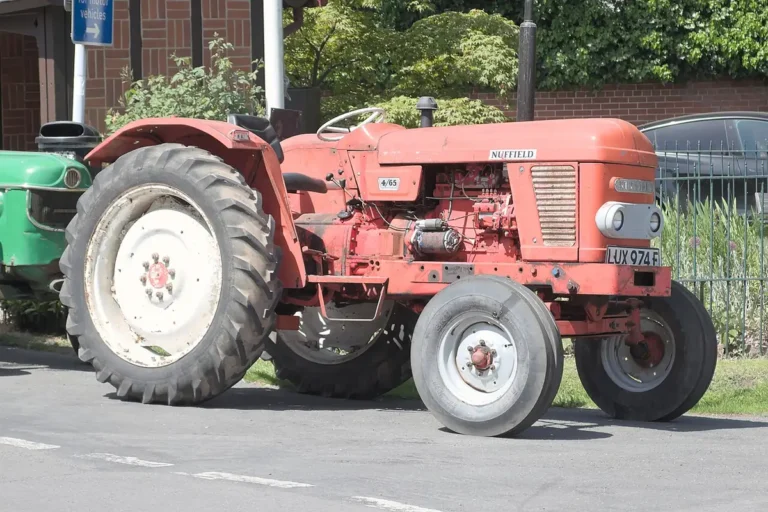
The fullest picture of the weekend comes from the two thousand seven newspaper account, and every element in this section traces back to it. Friday belonged to the cruise-in, an evening gathering that opened the festivities before the judged show began. Saturday centred on the car show itself, with the museum open during the day so visitors could move between polished chrome outside and the collections inside.
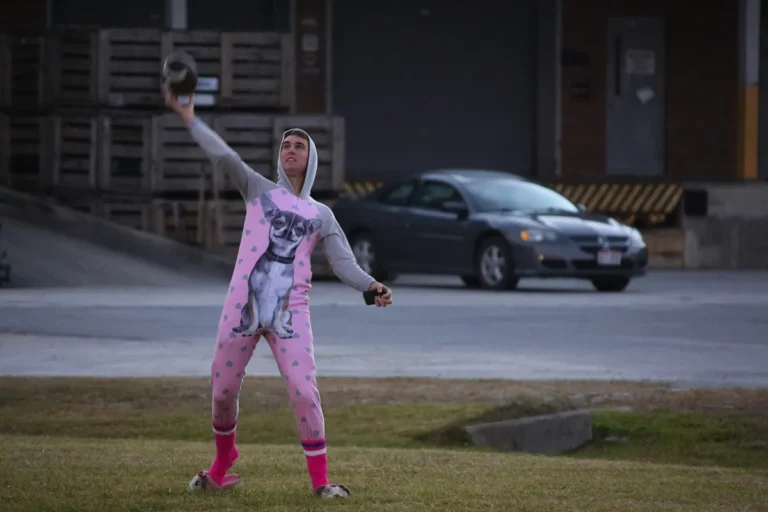
Judging carried a democratic twist. Rather than leaving every verdict to appointed officials, the show invited public voting in the early afternoon, turning spectators into participants for the deciding stretch of the day. Around that centrepiece the programme scattered smaller contests and diversions: a starter-throw contest, a car-sledge activity, and remote-control car races sponsored by the Decatur County Chamber of Commerce.
Food had its own anchor. A pancake feed at the Bohemian Hall gave the weekend a sit-down meal to balance the grazing typical of show fields. Part of the programme took place behind the museum, a reminder that the grounds themselves, and not only the street, formed part of the stage. Taken together, the elements describe a compact, sociable weekend: cars to admire, votes to cast, pancakes to eat, and a museum to wander while engines cooled.
The account also fixes the weekend’s geography in a way a bare listing never could. Cars and crowds moved between the museum grounds, the space behind the museum building, and the south end of Main Street, so the event read less like a show parked in one lot and more like a small town temporarily rearranged around automobiles.
Planning Your Visit
Honesty has to lead any planning advice here, because the documentation behind this article dates from two thousand seven. Anyone hoping to attend a modern Summerfest should confirm locally, through the museum or Oberlin community channels, whether the event is being held in a given year before making travel arrangements around it. The two thousand seven pattern is a guide to the weekend’s shape, not a promise about its present.
Within that pattern, the weekend rewarded an early arrival. The Friday evening cruise-in set the tone, so reaching Oberlin before dark on Friday put a visitor in place for both halves of the programme. Saturday then divided naturally between the museum buildings during the day and the show field’s early-afternoon public voting.
Money questions split sharply by role. Spectators will search the local news account in vain for a gate price, since none is printed. Entrants, by contrast, faced clear figures: registering a car cost twenty dollars in advance or twenty-five dollars on the day. Those sums belonged to the show’s entry ledger in two thousand seven, and treating them as admission charges for the general public would misread the account.
For a visitor working from the documented pattern, the practical shape is simple. Friday asks only for an evening in town. Saturday asks for comfortable shoes, patience with a crowd that is also a jury, and time set aside for the museum itself. Entrants faced the only firm numbers in the record, and even those belong to two thousand seven rather than to any current price list.
A Sample Itinerary for the Weekend
Friday evening belongs to the cruise-in on the south end of Main Street, where the weekend’s cars first gather and the social side of the event takes over. Treat it as the overture rather than a preliminary chore.
Begin Saturday at the pancake feed in the Bohemian Hall, then walk the show field while the morning is young. Keep the middle of the day for the museum buildings, which stood open during the day in the documented edition. Return to the cars for the early-afternoon public voting, when spectators helped decide the honours. Fill the remaining hours with the smaller contests behind the museum, the starter-throw and car-sledge activities, and the chamber’s remote-control races.
Summerfest Beside Oberlin’s Other Gatherings
Oberlin’s calendar held larger and longer-documented occasions, and placing Summerfest among them clarifies what it was. The Decatur County Fair each August is the county’s broad agricultural showcase, staged at the fairground, while Summerfest stayed a compact museum-and-Main-Street weekend devoted mainly to cars. The Mini Sappa events each October also involve the museum and the fairground, yet they carry their own name and autumn identity and lend no support to Summerfest’s record.
Two near-namesakes deserve explicit separation. A Kansas City-area summer guide lists a Summerfest in Lawrence, a different Kansas town far to the east, and that listing documents nothing about Oberlin. Likewise, cruise nights held in Oberlin in later years form a separate, newer series; their existence cannot be folded backwards into the museum’s two thousand seven weekend. Summerfest, as documented, remains its own small thing.
A Visitor Checklist
- Confirm with the museum or local listings whether a Summerfest weekend is scheduled before travelling
- Arrive in Oberlin by Friday evening to catch the cruise-in on Main Street
- Register a show car in advance, which cost twenty dollars in the documented edition
- Carry the higher day-of entry figure of twenty-five dollars if registering late
- Save the early afternoon for public voting on the show field
- Set aside time to tour the museum buildings during the day
- Plan a stop at the Bohemian Hall pancake feed
- Watch for the remote-control races and the contests behind the museum
Beyond the Show Field
The museum that organised Summerfest is itself the natural extension of the trip. Its buildings stood open through the festival Saturday, and the grounds behind it hosted part of the programme, so a visitor’s curiosity need not end when the last award is settled. Main Street’s south end, the downtown spine used by the event, rewards a slow walk once the cars disperse.
Oberlin also gives a traveller other seasons to consider. The county fair fills August at the fairground, and the Mini Sappa gatherings return each October. Returning for those occasions is a different journey from attending Summerfest, but together they sketch a county seat that keeps its calendar busy across the year.
Why This Small Record Matters
Summerfest’s significance lies partly in its design. A museum anchoring a car show folds local heritage into a hobbyist weekend, and the public vote for judging honours hands the crowd a genuine role. The chamber’s sponsored races, the Bohemian Hall’s pancake feed, and the museum’s open buildings show several institutions sharing one small stage.
Its documentary fate carries a lesson of its own. Because the surviving account is detailed yet confined to two thousand seven, the event now demonstrates how quickly a community tradition can slip beyond verification. Preserving its printed particulars, and refusing to embellish them, keeps faith with the people who staged it.
Frequently Asked Questions
Which organisation actually ran the Oberlin Summerfest weekend?
The local news account names the Last Indian Raid Museum as the organiser. The Decatur County Chamber of Commerce played a supporting part by sponsoring the remote-control car races, which is a narrower role than running the festival itself.
What did entering a car cost in the documented edition?
The two thousand seven report lists registration at twenty dollars in advance and twenty-five dollars on the day. Those figures applied to entrants showing cars; the account prints no comparable charge for members of the public attending as spectators.
Why does the museum appear inside the festival’s longer name?
One printed form, Last Indian Raid Museum Summerfest Car Show, simply writes the organising institution into the title. Other layers shorten the styling to Museum Summerfest and Car Show, or to Summerfest alone, and each form is preserved here as its layer printed it.
Does any source show Summerfest continuing in recent years?
No recent edition appears in the material gathered for this article. The latest documentation is from two thousand seven, so the event’s present status cannot be stated responsibly either way. Later Oberlin cruise nights and other museum events are documented on their own terms, but none of them is presented by its sources as a continuation of this Summerfest.
What to Expect From the Next Decatur County Kansas Summerfest Festival
How often is Decatur County Kansas Summerfest Festival held?
Both two thousand seven layers describe a yearly occasion: the newspaper billed that edition as the sixth annual, and the tourism schedule listed the event as an annual downtown fixture. Whether that yearly rhythm persisted afterwards is not documented in the layers read.
When is the next Decatur County Kansas Summerfest Festival?
No upcoming date is published in the material behind this article. The documented edition fell at the turn of May into June in two thousand seven, with the tourism layer placing the annual event in June, but no later organising announcement confirms a future running.
Will the dates change?
A change cannot be assessed without a current organiser statement, and none is available in the record consulted. Any future edition would set its own dates; readers should treat the two thousand seven timing as historical description only.
Closing Thoughts
The Decatur County Kansas Summerfest Festival endures in print as a well-described weekend caught in a single season: museum grounds, Main Street cars, pancakes, votes, and small contests. Presenting that record plainly, without borrowed details or invented sequels, is the most respectful way to keep it available for the next reader who goes looking.