Cowley County Kansas Tacolalah Festival
On the first Saturday of May, Wilson Park in Arkansas City fills with the smell of griddled tortillas, the sound of live music drifting between the trees, and long, friendly lines at the taco stands. The gathering is called Tacolalah, and in a relatively short life it has grown into one of the most distinctive spring celebrations in Cowley County. It is a festival built around a simple pleasure — the taco — but the day around it reaches much wider, folding in a market, a beer garden, cultural demonstrations, children’s activities and hours of entertainment on a single park lawn.
Tacolalah is a young event by festival standards. It debuted in two thousand nineteen, created through a partnership of Arkansas City organisations that wanted a multicultural celebration the whole community could gather behind. After a gap in the surviving dated listings, it reappears clearly in two thousand twenty-five, when an event-listing layer records a full day in Wilson Park, and again in two thousand twenty-six, when the organiser’s own site bills the gathering as the seventh annual edition.
About
Tacolalah takes place in Arkansas City, in the southern part of Cowley County, Kansas. Arkansas City is not the seat of the county — that distinction belongs to Winfield — but it is one of the county’s principal communities. The event’s home is Wilson Park, identified as its setting both by an event-listing layer for the two thousand twenty-five edition and by a foundation narrative layer that describes the park as the place the festival belongs.
The published name appears in two forms, and the layers keep them distinct. The organiser’s own site and a city tourism layer call it the “Tacolalah Festival”, while event-listing and foundation layers use the shorter single word “Tacolalah”. Either way, the coinage is memorable: a playful echo of the county’s best-known festival naming tradition, recast around the food at the centre of the day.
Who runs it also arrives in more than one printed form. A city board layer’s minutes refer to a “Tacolalah Executive Committee”, suggesting a standing body that steers the event. An event-listing layer describes the two thousand twenty-five edition as proudly presented by the “VJ Wilkins Foundation”, printing the foundation’s name without punctuation, while the foundation’s own narrative prints it as “V.J. Wilkins Foundation”. Those forms are left as their sources print them here. From the beginning, giving back was part of the design: the foundation narrative records that the debut directed a large amount of its proceeds to community causes, including the Wilson Park Master Plan — so the festival helps improve the park it calls home.
For a useful comparison, see the Cowley County Kansas Arkalalah Fall Festival for another county festival.
Quick Facts
| Item | Detail |
| Event name | Tacolalah, also printed as Tacolalah Festival |
| Host town | Arkansas City, Cowley County, Kansas |
| County seat note | Winfield is the seat of Cowley County |
| Venue | Wilson Park, Arkansas City |
| First edition | Four May, two thousand nineteen |
| Recent dated edition | Saturday, three May, two thousand twenty-five |
| Next billed edition | Saturday, two May, two thousand twenty-six, billed as the seventh annual |
| Usual timing | The first Saturday in May |
| Presenting body | The V.J. Wilkins Foundation, with a Tacolalah Executive Committee |
| Admission | The two thousand twenty-five edition was described as a free, family-friendly event |
History
The clearest account of Tacolalah’s beginnings comes from a foundation narrative layer. It describes a brand-new event called “Tacolalah” preparing to debut on four May, two thousand nineteen, presented as a multicultural festival and a community entertainment gathering built around tacos, salsa, music and games. Behind the launch stood a broad coalition of Arkansas City organisations: volunteer boards, the Chamber of Commerce, Visit Ark City, a radio station, the Optimist Club, the Soroptimists and local food trucks all partnered to produce it.
A city tourism layer gives the event a short prehistory of its own. It states that Tacolalah builds off the success of Cowley’s Outdoor Market and the two thousand eighteen Salsa Fest. The market connection is still visible in the modern programme, since the Cowley Outdoor Market remains part of the day, and the salsa-fest ancestry shows in the festival’s emphasis on flavour, music and gathering rather than on competition or spectacle.
The dated record then jumps forward. An event-listing layer documents Saturday, three May, two thousand twenty-five, with Tacolalah running at Wilson Park from nine in the morning to ten in the evening; a festival-guide layer independently lists the Tacolalah Festival in Arkansas City on the same date. The listing describes that edition as a free, family-friendly event, presented by the foundation — a description that belongs to that layer and that year in particular.
For two thousand twenty-six, the organiser’s own site heads its page with Saturday, two May, and bills the gathering as the seventh annual Tacolalah Festival. A festival-guide weekend post lists it on the same day. One caution belongs with that billing: the “seventh annual” label is the organiser’s own wording, recorded here as a billing only. The two thousand nineteen debut stands on the foundation narrative itself, not on any arithmetic worked backwards from a number on a poster. A city tourism layer, meanwhile, gives the standing time as ten in the morning to ten in the evening on the first Saturday in May — a slightly different opening hour from the two thousand twenty-five listing, and the two figures are kept with the layers that printed them rather than blended into one.
What to Expect
Food is the headline, and tacos are the headline within the food. Local taco vendors anchor the eating side of the day, so visitors can move from stand to stand comparing fillings, salsas and styles. Around them, the programme spreads outward. A travel-list layer describes children’s games and entertainment, cultural demonstrations, arts and crafts and live entertainment continuing throughout the day, which matches the festival’s multicultural founding purpose: this is a day meant to show off the community’s cultures as much as its cooking.
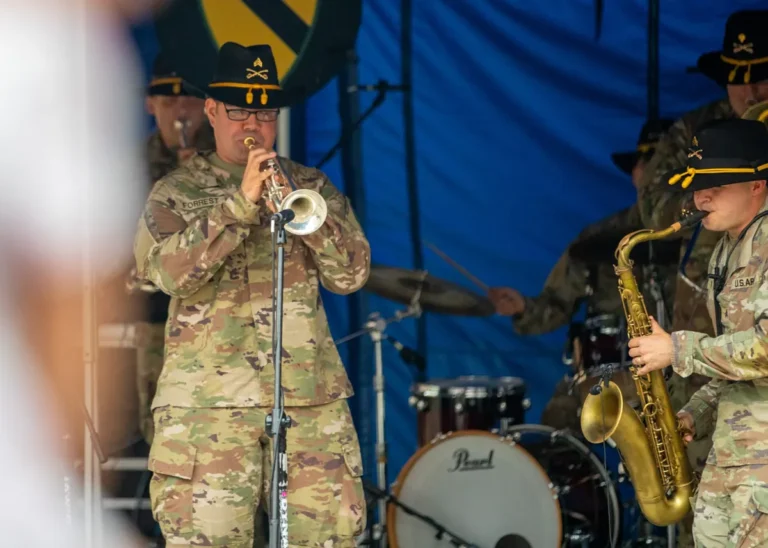
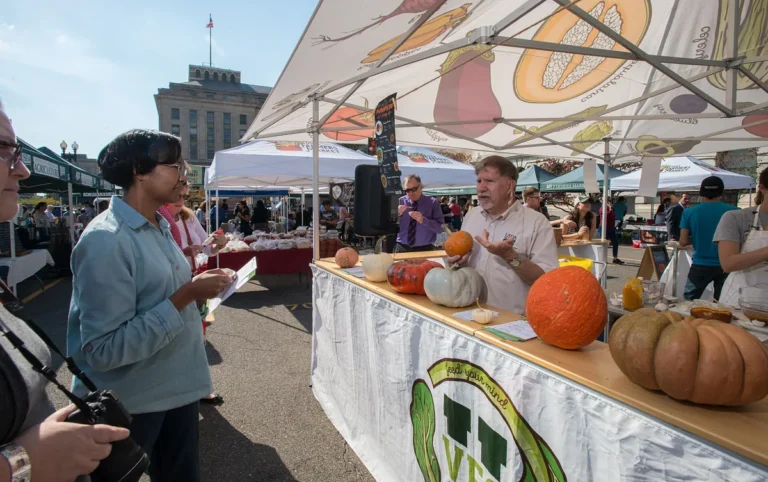
The Cowley Outdoor Market shares the grounds, adding rows of market stalls to browse between meals. A beer garden serves the adults, and live entertainment keeps a stage presence going from morning toward the evening close.
One detail from the organiser’s own site captures the festival’s spirit nicely. Volunteers who complete their shifts receive a free T-shirt and two free taco tokens. That is a thank-you for helping hands — a volunteer benefit recorded by the organiser — rather than a price or a promise to the general visitor, but it says something real about how the day is powered: by neighbours who sign up, work a shift, and get fed for their trouble.
Planning Your Visit
Check the current year’s announcement before anything else. The festival’s standing slot is the first Saturday in May, with the city tourism layer giving hours of ten in the morning to ten in the evening, while the two thousand twenty-five listing printed an earlier nine o’clock start, so published hours differ between layers and years. The two thousand twenty-six edition falls on Saturday, two May.

Aim for Wilson Park in Arkansas City, and expect the grounds to be shared among several zones at once: food vendors, the market, the beer garden and the children’s activities. Arriving earlier in the day means shorter lines at popular taco stands and first pick of the market stalls; arriving later trades that for the evening atmosphere as the entertainment runs toward the ten o’clock close.
On admission, the record is narrow and should be stated narrowly. An event-listing layer describes the two thousand twenty-five edition as a free, family-friendly event. No other year’s admission arrangement is stated in the layers read, so visitors heading to a different edition should confirm the current position rather than assume the earlier description still holds. Either way, bring a food budget: the whole point of the day is sampling, and taco-by-taco eating adds up pleasantly. Dress for a full day outdoors in a Kansas spring — sun protection for midday, a layer for the evening, and comfortable shoes for grass.
A Sample Day at Tacolalah
A relaxed itinerary might begin with a mid-morning arrival and a slow lap of the Cowley Outdoor Market while the park is still uncrowded, noting which taco vendors look busiest and planning an early lunch before the peak lines form.
Late morning suits the cultural demonstrations and the children’s games, when younger visitors still have energy. Lunch is the main event: work through two or three vendors rather than filling up at the first stand, and compare salsas as you go.
The afternoon invites a slower rhythm — a second market browse, time on the grass with live entertainment in earshot, and a return visit to whichever taco stand won the morning. Stay into the evening for a final round of food and the closing stretch of entertainment, then drift out at the ten o’clock close.
How Tacolalah Compares
Arkansas City’s festival calendar gives Tacolalah an interesting family resemblance to its famous neighbour. The shared “-lalah” ending is no accident of spelling; it playfully ties the young food festival to the naming tradition that Arkansas City already knows well, while the event itself is entirely different in season, scale and subject — a one-day spring gathering about food and culture rather than a large autumn homecoming celebration.
Tacolalah also differs from a conventional county fair. There is no midway billing, no livestock programme and no grandstand show in its record. Its ingredients are humbler and more portable: vendors, a market, demonstrations, games and a stage, all fitted into a city park for a single day. Baldwin City’s Tacos and Tequila event, listed in the same festival guide, is a different town’s gathering entirely.
A Visitor Checklist
- Confirm the current year’s date and opening hour, since published hours vary between layers
- Plan around the first Saturday in May and the Wilson Park grounds
- Arrive before the lunch peak for the shortest taco lines
- Carry a modest food budget for sampling several vendors
- Bring sun protection, a light layer for evening, and shoes suited to grass
- Set a family base spot on the lawn early in the day
- Leave time for the Cowley Outdoor Market as well as the food stands
- Check the year’s admission arrangements rather than assuming earlier years apply
Beyond the Festival Grounds
A Tacolalah trip can stretch past the park fence. Arkansas City offers the everyday pleasures of a small Kansas city — local shops and cafés worth a wander before the festival opens or on the morning after. The Cowley Outdoor Market connection also runs the other way: the market belongs to the county’s life beyond festival day, so a visitor who enjoys its stalls can look for its regular rhythm when planning a return trip. Elsewhere in the county, Winfield, the county seat, anchors the courthouse side of Cowley County life, and treating Tacolalah as one stop in a wider Cowley County year leaves plenty of reason to come back.
What Tacolalah Means to Arkansas City
For a festival that only began in two thousand nineteen, Tacolalah carries a surprising amount of civic meaning. Its founding coalition reads like a roll of the town’s organisational life, and that coalition built an event whose proceeds flowed back into community causes, including the master plan for the very park that hosts it. The multicultural framing matters too: Tacolalah set out to celebrate the cultures present in its community through the most welcoming medium available — food, music, games and demonstration. In a region where headline festivals often lean on heritage stretching back many decades, Tacolalah shows a town deliberately inventing a new tradition of its own, and sustaining it.
Frequently Asked Questions
When does Tacolalah take over Wilson Park each year?
The festival’s standing slot is the first Saturday in May. The organiser’s own site billed the two thousand twenty-six edition for Saturday, two May, and a festival-guide weekend post listed the same day, while a city tourism layer gives the standing hours as ten in the morning to ten in the evening.
Which organisations stand behind Tacolalah?
The record prints more than one form. A city board layer’s minutes refer to a Tacolalah Executive Committee, and an event-listing layer describes the two thousand twenty-five edition as proudly presented by the VJ Wilkins Foundation, whose own narrative prints its name as V.J. Wilkins Foundation. A broad coalition of Arkansas City organisations partnered to create the event in two thousand nineteen.
What can children do during the day?
A travel-list layer describes children’s games and entertainment as part of the programme, alongside cultural demonstrations, arts and crafts and live entertainment throughout the day. The festival was designed from its debut as a community entertainment event, and the two thousand twenty-five edition was described as family-friendly.
Does the money raised at Tacolalah stay local?
According to the foundation narrative, a large amount of the proceeds from the debut edition was donated to community causes, including the Wilson Park Master Plan. That giving purpose was built in from the first year.
What to Expect From the Next Cowley County Kansas Tacolalah Festival
How often is Cowley County Kansas Tacolalah Festival held?
The festival works on a yearly rhythm in spring, with its standing slot on the first Saturday in May. Dated listings document editions in two thousand nineteen, two thousand twenty-five and two thousand twenty-six, and the organiser’s own site bills the two thousand twenty-six gathering as the seventh annual, a billing recorded here exactly as printed.
When is the next Cowley County Kansas Tacolalah Festival?
The organiser’s own site heads its page with Saturday, two May, two thousand twenty-six, and a festival-guide weekend post lists the event on that date at Wilson Park in Arkansas City. Beyond that edition, the first-Saturday-in-May pattern is the guide the city tourism layer supports, though each year’s own announcement is the final word.
Will the dates change?
The day itself has stayed consistent across the dated record — always a Saturday in early May, matching the first-Saturday pattern. Published hours have varied a little: the two thousand twenty-five listing printed nine in the morning to ten in the evening, while the city tourism layer gives ten in the morning to ten in the evening as the standing time. One travel-list claim placing the event in July conflicts with every dated source and is not relied on, so the day looks stable even if the opening hour shifts slightly between years.
A Final Word
Tacolalah is proof that a festival does not need a century of history to feel like it belongs. In Wilson Park each May, Arkansas City gathers around tacos, market stalls, demonstrations and music, in a celebration invented by its own organisations. Go hungry, go curious, and let the day unfold one stand at a time.