Johnson County Iowa Iowa City Jazz Festival
For three days at the turn of July, downtown Iowa City gives its streets and its best-known lawn over to jazz. The main stage stands in front of the Old Capitol, further stages sit on and around the University of Iowa Pentacrest, and the music runs free from the first set to a closing burst of fireworks. In twenty twenty-six the festival arrived at its thirty-sixth annual billing, which makes it one of the senior jazz gatherings in the region, and it still asks nothing at the gate. Iowa City is the county seat of Johnson County, and for one long weekend each summer the seat of the county becomes, in effect, the seat of the music as well.
About the Festival
The Iowa City Jazz Festival is presented by Summer of the Arts, the organisation whose executive director is quoted in news layers speaking for the event. Some layers shorten the name to Iowa City Jazz Fest, but the full published name matches the name on this page exactly. The gathering is billed as a free festival, and a jazz news layer describes it as one of the longest-running free jazz festivals in the Upper Midwest. Its home ground is the middle of downtown: the Pedestrian Mall, South Clinton Street and the Pentacrest lawns, with the Old Capitol looking down over the main stage. Across three days the programme spreads live jazz over several stages and fills the spaces between them with food vendors, a beer garden and room for children to play.
Quick Facts
| Item | Detail |
| Festival name | Iowa City Jazz Festival, shortened to Iowa City Jazz Fest in some layers |
| Host town | Iowa City, in Johnson County |
| County role | Iowa City is the county seat of Johnson County |
| Venue | Downtown Iowa City, taking in the Pedestrian Mall and South Clinton Street, with stages on and around the University of Iowa Pentacrest and the main stage in front of the Old Capitol |
| Organiser | Summer of the Arts |
| Admission | Billed as a free festival; one separately ticketed club performance at fifteen dollars is noted in a twenty nineteen layer, while all other performances that year were free |
| Latest documented edition | The thirty-sixth annual festival, third to fifth of July, twenty twenty-six, per a jazz news layer |
| Earlier documented editions | The twenty-eighth year edition, twenty-ninth of June to first of July, twenty eighteen; the thirty-first year edition, first to third of July, twenty twenty-two |
| Programme | Live jazz across multiple stages, Culinary Row food vendors, a beer garden, a children’s Fun Zone and a closing fireworks display over the Old Capitol and Hubbard Park |
History of the Festival
A jazz news layer states that the festival dates back to nineteen ninety-one, and that single sentence is the fullest founding account any layer read provides. Nothing in the record adds a first programme, a first stage or a first audience to it, so the nineteen ninety-one starting point stands here as that layer’s account and nothing more elaborate is built on it. What the record does supply is a run of dated, billed editions. A public radio layer places the twenty-eighth year edition from the twenty-ninth of June to the first of July in twenty eighteen. A regional arts newspaper layer gives the thirty-first year edition as the first to the third of July in twenty twenty-two. A jazz news layer bills the twenty twenty-six gathering, held from the third to the fifth of July, as the thirty-sixth annual. These three billings are printed here exactly as their layers give them, side by side and unreconciled; no arithmetic has been applied to them and no founding year has been adjusted to make them agree.
Stewardship of the festival rests with Summer of the Arts, whose executive director appears in news layers as the event’s public voice. A twenty twenty-two layer names the festival’s founder as a performing musician, identifying the originator by that role rather than telling a fuller founding story, and the detail is recorded here the way that layer states it. Through all of this the festival has stayed where it began in the public mind: in the county seat, under the Old Capitol, on ground that belongs as much to the university and the downtown as to any single presenter.
What to Expect
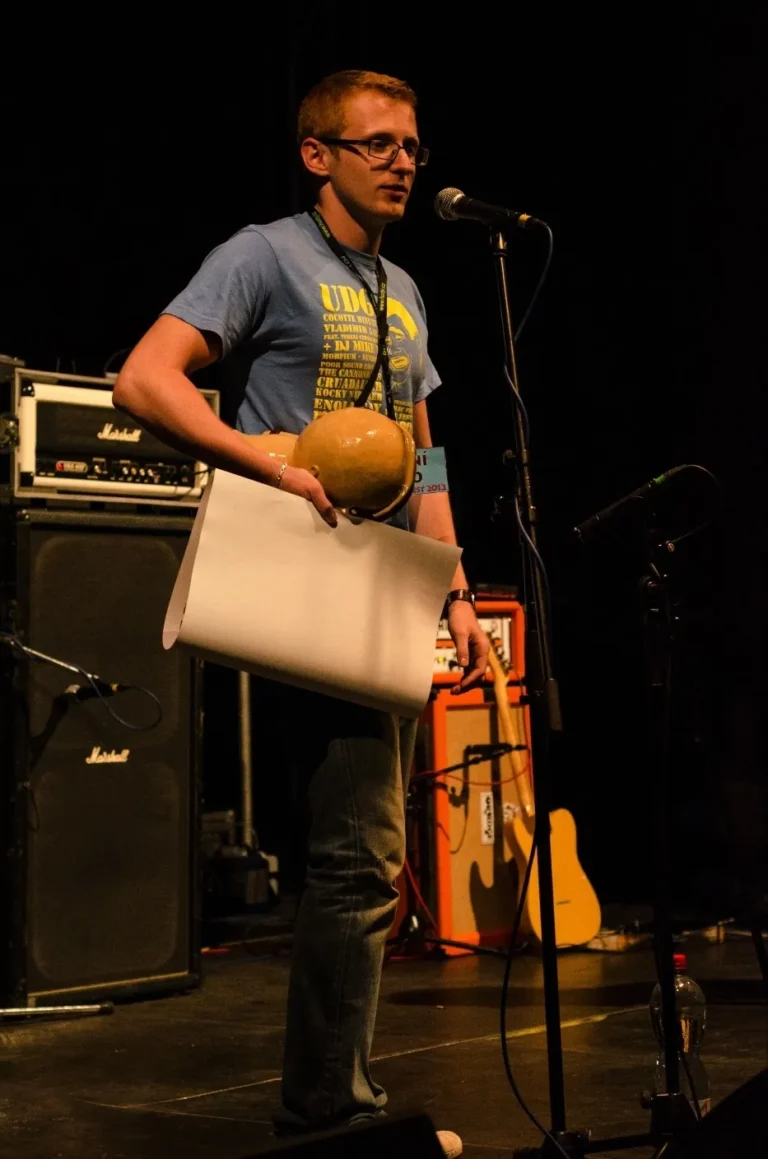
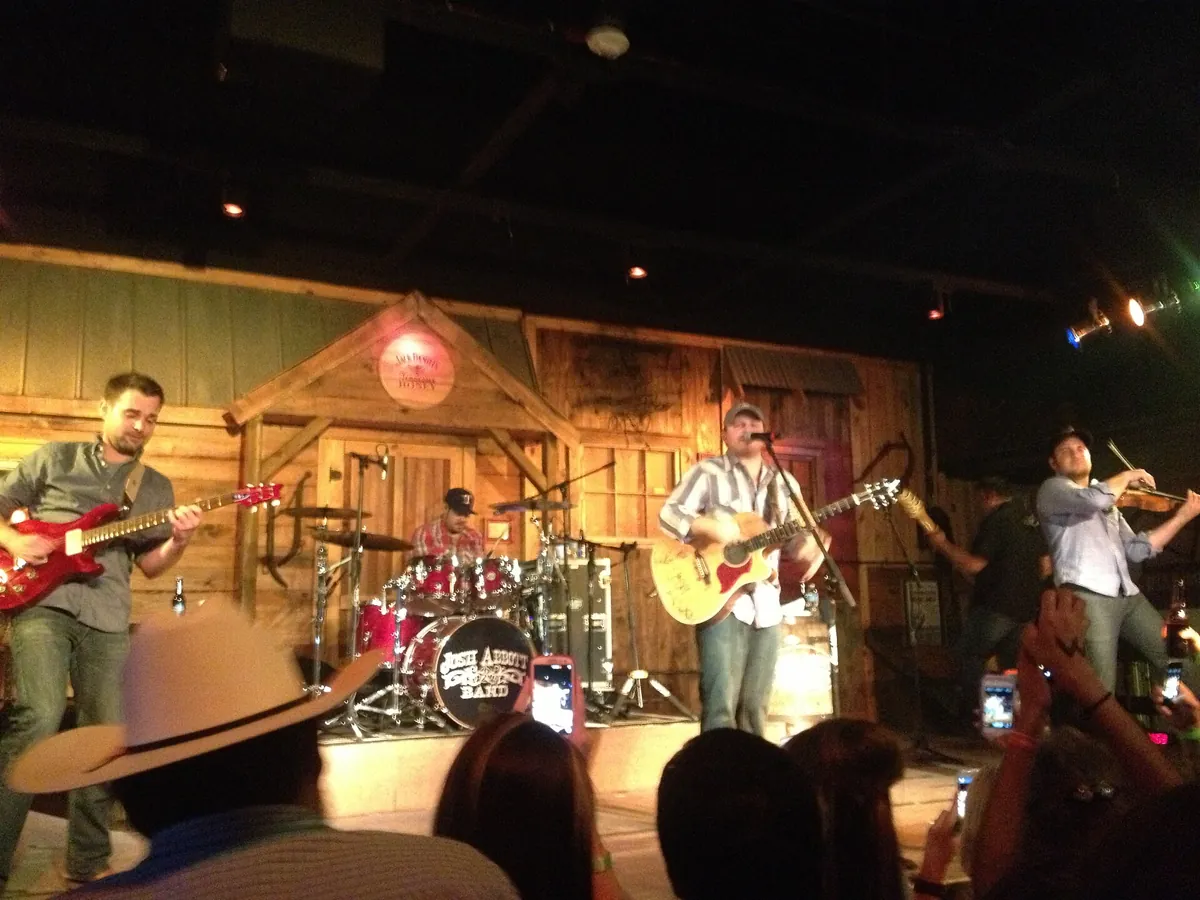
Live jazz is the centre of the weekend, spread across more than one stage so that sets overlap and listeners drift between them. News layers across the years describe a main stage and a side stage, and in twenty twenty-six a youth stage returned to the lineup, giving high school groups a platform of their own within the festival. The main stage stands in front of the Old Capitol, which lends the headline sets a backdrop no purpose-built venue could copy, while the side stage keeps smaller combinations playing within a short walk.
For a useful comparison, see the Jefferson County Iowa First Fridays Oktoberfest Festival for another county festival.
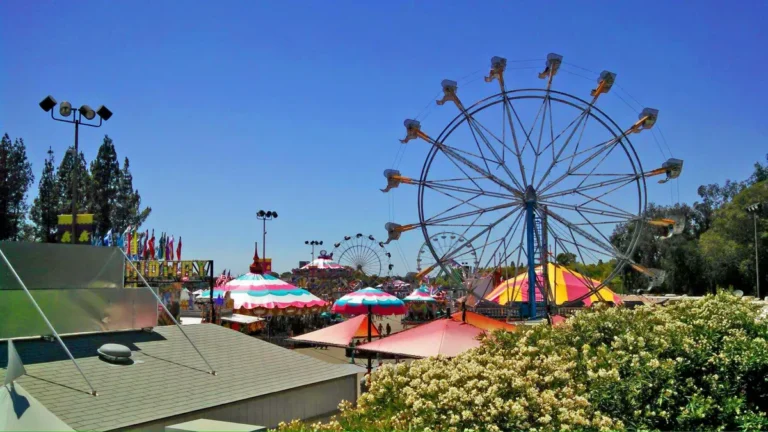
Between the stages, Culinary Row lines up food vendors feeding the crowd across the three days, and a beer garden serves the adult audience. Earlier layers describe a children’s Fun Zone with games and craft-making, giving families a corner of the festival pitched at younger listeners. The ending is the weekend’s signature image: layers across the years describe a closing fireworks display bursting over the Old Capitol and Hubbard Park, so the last sound of the festival is followed by its brightest sight. Taken together, the documented programme is a street festival in shape and a serious listening event in content, and the layers treat both halves as essential to its character.
Planning Your Visit
The three documented editions share one frame: three days straddling the end of June and the beginning of July. In twenty eighteen the run was the twenty-ninth of June to the first of July; in twenty twenty-two, the first to the third of July; in twenty twenty-six, the third to the fifth of July. A visitor planning around the pattern should look for the same turn-of-July window and confirm the exact days in the organiser’s current announcements, since each documented edition has landed on slightly different dates within that window.
Admission is the simplest part of the plan. The festival is billed as free, so the stages on the Pentacrest, along South Clinton Street and through the Pedestrian Mall are open to anyone who walks in. The single exception on record belongs to twenty nineteen, when one club performance was ticketed separately at fifteen dollars while every other performance stayed free; that detail is fenced to its year and does not change the festival’s free character. The geography is compact and walkable: the main stage before the Old Capitol anchors one end, the side stages and Culinary Row fill the downtown blocks, and Hubbard Park, beneath the closing fireworks, sits within the same easy circuit.
A Day at the Festival
A documented festival day builds naturally around the stages. Begin on the Pentacrest lawns, where the main stage in front of the Old Capitol carries the day’s headline listening and the grass fills early. Drift from there to the side stage sets, which the layers describe running alongside the main programme, and let the smaller groups set the middle of the day. When hunger interrupts, Culinary Row’s food vendors handle lunch without leaving the festival ground, and the beer garden offers the adult version of the same pause.
Families can give the afternoon to the children’s Fun Zone that earlier layers describe, with its games and craft-making, while listeners following the twenty twenty-six shape of the event can seek out the returned youth stage and hear high school musicians take their turn. As evening settles over the Pedestrian Mall, return to the main stage for the closing sets. The day, and the festival with it, ends the way the layers across the years describe: fireworks opening over the Old Capitol and Hubbard Park while the crowd watches from the lawns below.
How It Compares
The jazz news layer that documents the thirty-sixth annual edition mentions this festival as part of a regional series of jazz gatherings, naming the Twin Cities Jazz Festival and the Northfield Jazz Festival alongside it. Both of those are separate festivals in Minnesota, with their own cities, presenters and dates, and nothing about them transfers to Iowa City beyond that shared mention. A listener touring the region’s summer jazz could attend all three, but each stands on its own record.
Closer to home, the comparison runs the other way: Summer of the Arts also presents Iowa City’s Soul & Blues Festival, a separate event from the same organiser in the same city. The two share a presenter and a downtown, but they are distinct festivals with distinct music, and the Soul & Blues Festival’s history and dates belong to it alone. The jazz festival’s own identity rests on its early-July frame, its free stages and its three decades of documented editions.
Festival Checklist
- Confirm the exact dates of the current edition in the organiser’s announcements before travelling
- Plan to arrive on foot, since the stages cluster around the Pedestrian Mall and the Pentacrest
- Claim a spot on the Old Capitol lawn early for the main stage sets
- Leave time between sets for the side stage and, in years when it runs, the youth stage
- Eat at Culinary Row rather than leaving the festival ground at midday
- Bring something for children to do between the Fun Zone visits and the music
- Stay to the end on the closing night for the fireworks over the Old Capitol and Hubbard Park
- Keep the evenings flexible, since sets across several stages overlap
Beyond the Festival Grounds
The festival’s own ground is the story here: the Pedestrian Mall’s open-air downtown blocks, South Clinton Street, the Pentacrest lawns and the Old Capitol rising over the main stage. Hubbard Park, which shares the closing fireworks with the Old Capitol, completes the documented geography. Nothing in the layers read builds a wider touring programme around the event, and the honest picture is of a festival that asks visitors to stay inside a few downtown blocks and listen. Within those blocks, the record supports a full weekend: stages at several points, food along Culinary Row, a beer garden, a children’s corner and a fireworks finale, all in the county seat’s centre.
Why the Festival Matters
On the jazz news layer’s account, this is one of the longest-running free jazz festivals in the Upper Midwest, and the rest of the record supports the weight of that claim without embellishing it. A festival that can bill a thirty-sixth annual edition, that brings high school players onto a youth stage beside the main stage in front of a landmark capitol, and that closes over fireworks while charging nothing at the gate has made itself part of how its county seat marks the summer. The documented editions in twenty eighteen, twenty twenty-two and twenty twenty-six show the same shape holding across nearly a decade of coverage: three days, several stages, open lawns and a free welcome.
Frequently Asked Questions
What is the youth stage at the festival?
Layers covering the twenty twenty-six edition describe a youth stage returning to the festival, set aside for high school groups to perform. It sits within the same multiple-stage layout as the main stage and the side stage, so student musicians play as part of the festival proper, in front of the same downtown crowds, rather than at a separate event.
Who presents the Iowa City Jazz Festival?
Summer of the Arts presents the festival, and the organisation’s executive director is the figure quoted in news layers speaking about it. The same organisation also presents Iowa City’s Soul & Blues Festival, which remains a separate event with its own dates and programme.
Has any part of the festival ever carried a ticket price?
A layer covering twenty nineteen notes one separately ticketed club performance priced at fifteen dollars, while every other performance that year was free. That charge belonged to that single performance in that single year; the festival itself is billed as free, and the jazz news layer’s description of it as a free festival stands on the record.
What brings the festival to a close?
Layers across the years describe a closing fireworks display over the Old Capitol and Hubbard Park. It is the documented finale of the weekend: the music ends, and the sky above the festival’s two landmarks provides the last performance of the three days.
What to Expect From the Next Johnson County Iowa Iowa City Jazz Festival
How often is Johnson County Iowa Iowa City Jazz Festival held?
The documented editions fall at the turn of July in the years the layers cover: the twenty-eighth year edition in twenty eighteen, the thirty-first year edition in twenty twenty-two and the thirty-sixth annual in twenty twenty-six. The billings themselves present the festival as an annual fixture of the early summer, and every dated edition on record occupies the same three-day seasonal slot.
When is the next Johnson County Iowa Iowa City Jazz Festival?
Nothing in the layers read pins down a date for any edition still to come. The pattern on record points to the turn of July, where the twenty twenty-six edition ran from the third to the fifth of that month, but the specific days of any coming edition would come from the organiser’s own announcements rather than from anything the layers state, and none is invented here.
Will the dates change?
The evidence suggests the frame is steadier than the dates inside it. All three documented editions span three days, yet each sits differently across the end of June and the start of July: late June into the first of July in twenty eighteen, the first three days of July in twenty twenty-two, and the third to the fifth of July in twenty twenty-six. A small drift within that window is exactly what the record shows.
Closing Notes
The Iowa City Jazz Festival’s record is unusually clean for a free event: a named presenter in Summer of the Arts, a fixed downtown home under the Old Capitol, a founding reach back to nineteen ninety-one on the jazz news layer’s account, and dated editions carrying it to a thirty-sixth annual billing in twenty twenty-six. What the layers describe is a county seat that hands its centre to jazz for three days each early July and charges nobody for the privilege — and on the documented evidence, that arrangement shows every sign of continuing.