Des Moines County Iowa Snake Alley Festival of Film
For four days each summer, a restored movie palace in downtown Burlington fills with short films from across the world. The occasion is the Snake Alley Festival of Film, a gathering that borrows its name from Snake Alley, the crooked street that winds through the town a short walk from the theater doors. Burlington serves as the county seat of Des Moines County, and the festival gives its historic downtown a distinctly cinematic weekend, built from screening blocks, filmmaker conversations and parties that spill into nearby venues.

The documented record stretches across a decade. A filmmaker’s account captures a seventh annual edition held over four June days in twenty eighteen, state tourism listings pin down Thursday-to-Sunday editions in July twenty twenty-three and July twenty twenty-four, and the festival’s own site already bills a fifteenth annual gathering for July twenty twenty-seven.
About the Festival
Every layer read for this article prints the same published name, Snake Alley Festival of Film, and the venue’s and festival’s own copy shortens it to SNAFF. No separate organiser body is named in those layers. Instead, the festival is presented at the Capitol Theater in downtown Burlington, and filmmakers enter their work through a film-submission platform, a route the festival’s own copy describes for both films and screenplays.
The venue itself carries two printed forms. Most layers call it the Capitol Theater, while state tourism layers also print the building as the Capitol Performing Arts Center. Those two forms are left standing side by side here, because the sources themselves use both. What no layer disputes is the setting: a downtown theater in the county seat of Des Moines County, a short distance from the street that lends the festival its name.
Snake Alley is Burlington’s crooked street, a winding lane that has become the town’s best known landmark.
For a useful comparison, see the Delaware County Iowa Bacon-N-Hops Fest Festival for another county festival.
Quick Facts
| Item | Details |
| Published name | Snake Alley Festival of Film, shortened to SNAFF in the venue’s and festival’s own copy |
| Host town | Burlington, county seat of Des Moines County, Iowa |
| Venue | The Capitol Theater in downtown Burlington, printed in state tourism layers also as the Capitol Performing Arts Center |
| Namesake | Snake Alley, Burlington’s crooked street |
| Documented editions | Twenty eighteen, twenty twenty-three and twenty twenty-four, with a fifteenth annual billed for twenty twenty-seven |
| Programme | Short films and screenplays, filmmaker question-and-answer sessions, screenplay table reads, downtown parties and awards |
| Tickets | Single film block, multi-film block and all-access festival pass tickets, sold at the theater box office and online, with no prices stated in the layers read |
| Starting year | The layers give two different starting years, twenty eleven and twenty twelve, and neither is adopted here |
| Submissions | Films and screenplays are taken through a film-submission platform |
| Organiser | No separate organiser body is named in the layers read |
History
The earliest firmly dated anchor in the record is the seventh annual edition, which a filmmaker’s festival page places from the twentieth to the twenty-third of June in twenty eighteen. An edition billed seventh annual in twenty eighteen plainly did not begin that year, yet the layers disagree about where the beginning sits, and neither side of that disagreement is adopted here.
One state tourism layer says the festival has celebrated storytelling since twenty twelve. Another state tourism listing says it has showcased short films since twenty eleven. Both claims come from the same family of official listings, and they cannot both mark the first year. Rather than choose between them, the history here simply lays both figures side by side, credited to the listings that printed them, and leaves the festival’s first year an open question.
The editions the record can date precisely resume in twenty twenty-three, when a state tourism layer gives the festival Thursday the thirteenth through Sunday the sixteenth of July. The following year kept the same midsummer shape: the state tourism layer dates the twenty twenty-four edition from Thursday the eleventh to Sunday the fourteenth of July, and the venue’s own festival page carries that edition’s screening blocks and parties.
The twenty eighteen gathering ran in June, while the twenty twenty-three and twenty twenty-four editions settled into July, and the announced edition keeps July. The festival’s own site bills a fifteenth annual edition for the eighth to the eleventh of July in twenty twenty-seven at the Capitol Theater. That fifteenth annual wording is billing, printed by the festival itself, and it is recorded here as billing rather than treated as proof of any particular founding year.
What to Expect
Short films and screenplays from around the world form the core of the programme. The venue’s own festival page for the twenty twenty-four edition lays the days out as screening blocks, with films grouped into blocks audiences can attend one at a time or in runs. A local newspaper layer’s account of a recent edition counts more than one hundred thirty short films screened, a figure that conveys the sheer density of a four-day schedule.
Filmmakers are part of the room, not just names in a programme. The layers describe question-and-answer sessions with filmmakers, where audiences hear directly from the people behind the work, and screenplay table reads, where scripts are performed aloud rather than only judged on the page. Both features treat the festival as a working gathering for makers as much as a showcase for viewers.
The social side runs alongside the screenings. The venue layer for twenty twenty-four describes parties in downtown Burlington venues, moving the festival out of the auditorium and into the town after the blocks end. Recognition closes the loop: the newspaper account describes filmmaker awards, among them an audience choice award and a best Burlington-made film award, which reserves a place of honour for work made in the festival’s own town.
Planning Your Visit
Look first at the shape of the weekend, because the two most recent dated editions share it closely. Both the twenty twenty-three and twenty twenty-four festivals ran from a Thursday to a Sunday in July, the thirteenth to the sixteenth in twenty twenty-three and the eleventh to the fourteenth in twenty twenty-four. The festival’s own site bills the fifteenth annual for the eighth to the eleventh of July in twenty twenty-seven, again at the Capitol Theater.
Tickets come in three forms, according to the state tourism layer. A visitor can buy a ticket for a single film block, a ticket covering multiple film blocks, or an all-access festival pass, and each is sold both at the theater box office and online. None of the layers read puts a price on any of those options, so budgets have to wait for the box office itself; what the record does establish is the flexibility, letting a casual viewer sample one block while a committed one takes the whole four days.
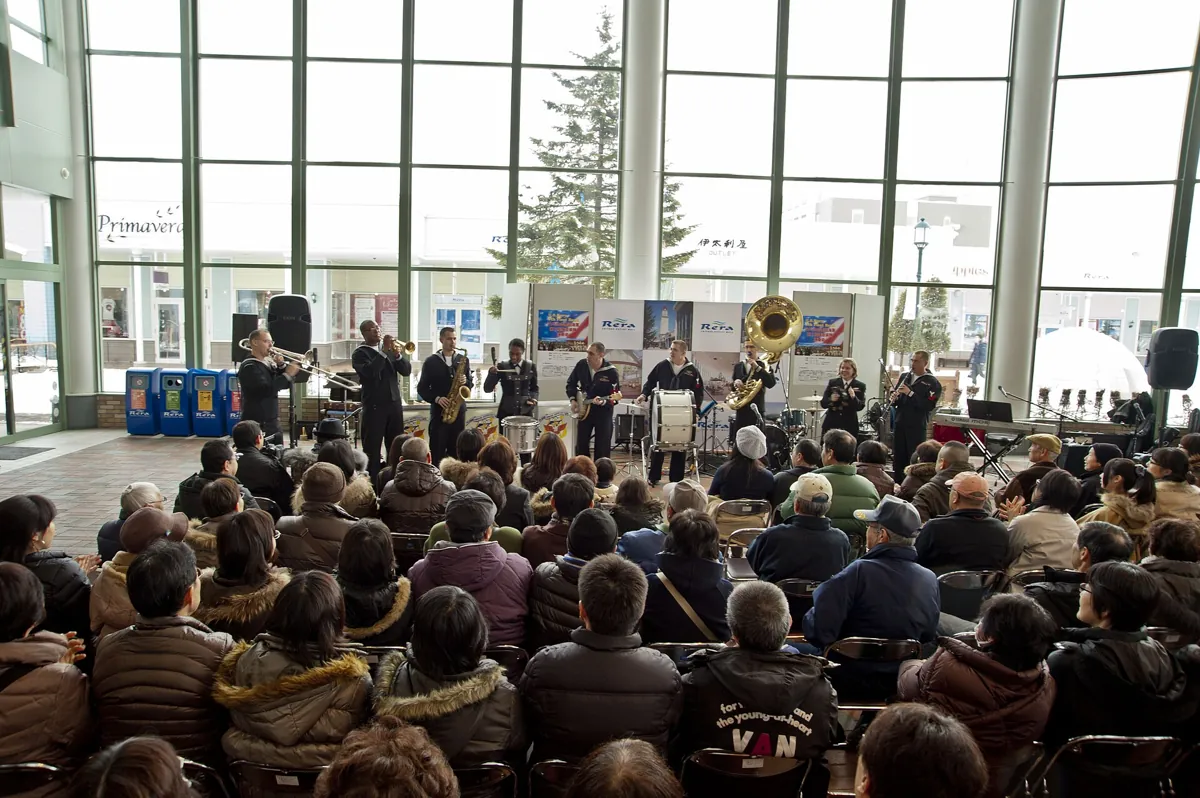
Everything happens in and around one downtown building. Screenings sit at the Capitol Theater, printed in state tourism layers also as the Capitol Performing Arts Center, and the twenty twenty-four parties used other downtown Burlington venues, so the festival footprint stays compact. Arriving with the block schedule in hand matters more than anything else: with more than one hundred thirty short films in a recent edition, choosing blocks early is how a visitor protects the films they most want to see.
A Sample Itinerary
A first day might follow the twenty twenty-four pattern the venue’s own page describes. Begin at the Capitol Theater with an opening screening block, settling into the rhythm of short films shown in groups rather than features shown one by one. Stay in the auditorium for the filmmaker question-and-answer session that follows a block, while the makers are still in the room and the films are fresh.
The middle of the festival suits a screenplay table read, where a script is heard aloud and the audience listens for story rather than spectacle. Mix it with a second block chosen for contrast, perhaps the international entries, since the listings emphasise that the short films and screenplays arrive from around the world.
Save the evenings for the festival’s social side. The venue layer for twenty twenty-four places parties in downtown Burlington venues, so an evening can move from the last block of the day to a party a short walk away. On the final day, one more block and the awards atmosphere described in the newspaper account, the audience choice and best Burlington-made film among them, make a fitting close before the theater empties.
The Street’s Other Namesakes
Snake Alley lends its name to more of Burlington’s calendar than the film festival. The Snake Alley Art Fair, run by the Art Center of Burlington, carries the same street into a different medium altogether, trading screening blocks for exhibited art. The Snake Alley Criterium takes the name onto the road as a bicycle race, where the crooked street becomes a course rather than a title.
All three events share a landmark and nothing else in the record. They have different organisers, different audiences and different purposes: film in a theater, art on display, riders on the climb. Anyone reading listings should check which Snake Alley event a date belongs to before making plans. The film festival is the one presented at the Capitol Theater under the SNAFF shortening, and it is the only one of the three built from short films and screenplays.
A Visitor Checklist
- Pick the screening blocks you most want before the festival opens
- Decide between a single block ticket, a multi-block ticket and an all-access pass
- Leave room in the schedule for a filmmaker question-and-answer session
- Set aside an evening for one of the downtown parties
- Catch a screenplay table read to hear a script performed aloud
- Stay for the awards, including the audience choice announcement
- Confirm the current edition’s dates with the festival before travelling
Beyond the Festival
The festival’s setting does half the entertaining before a single film runs. Snake Alley itself rewards a slow walk: the crooked street that gives SNAFF its name is the town’s signature sight, and it sits in the same downtown as the Capitol Theater. A visitor can stand on the street in the morning and sit beneath the theater’s screen in the afternoon, which is part of the event’s charm.
Downtown Burlington supplies the rest. The twenty twenty-four edition’s parties spread into downtown venues, a reminder that the streets around the theater hold the gathering places a four-day festival needs. Burlington is also the county seat of Des Moines County, so its downtown serves as the seat of county government as well as the festival’s home.
Why the Festival Matters
A film festival in a city of Burlington’s size could easily settle for local work alone. The record shows the opposite instinct: short films and screenplays drawn from around the world, screened in the county seat’s downtown theater, in numbers a newspaper account put at more than one hundred thirty films in a single recent edition. That reach turns a local weekend into a genuine exchange, with outside makers travelling to Burlington and Burlington audiences judging work from far beyond Iowa.
The awards keep one foot at home. Alongside the audience choice award, the best Burlington-made film award tells local filmmakers that the festival’s biggest stage still reserves honours for its own. Paired with table reads and question-and-answer sessions, the structure treats filmmaking as something a small city can practise, not merely watch.
Finally, the name itself does quiet work. By borrowing Snake Alley, the festival anchors an international programme to the single most recognisable street in town, so every visiting filmmaker leaves knowing exactly where they have been.
Frequently Asked Questions
What does the shortening SNAFF mean?
SNAFF is the shortened form of Snake Alley Festival of Film used in the venue’s and festival’s own copy. It compresses the full published name into initials, and it appears in the theater’s own material rather than in outside listings.
How many films does an edition actually screen?
A local newspaper layer’s account of a recent edition counts more than one hundred thirty short films screened. The programme is built from short films and screenplays submitted from around the world, arranged into screening blocks across the four days.
What kinds of tickets can a visitor buy?
The state tourism layer lists three options: a single film block ticket, a multi-film block ticket and an all-access festival pass. Each is sold at the theater box office and online, and none of the layers read states a price for any of them.
Which year did the festival actually start in?
The layers disagree, and this article adopts neither claim. One state tourism layer says the festival has celebrated storytelling since twenty twelve, while another state tourism listing says it has showcased short films since twenty eleven. The firmly dated editions begin with the seventh annual in twenty eighteen.
What to Expect From the Next Des Moines County Iowa Snake Alley Festival of Film
How often is Des Moines County Iowa Snake Alley Festival of Film held?
The dated editions in the record fall in separate summers: a seventh annual in twenty eighteen, then editions in twenty twenty-three and twenty twenty-four, with a fifteenth annual billed for twenty twenty-seven. The festival’s own billings count upward in annual terms, seventh annual to fifteenth annual, and each documented edition occupies a single four-day run in its summer.
When is the next Des Moines County Iowa Snake Alley Festival of Film?
The festival’s own site bills the fifteenth annual edition for the eighth to the eleventh of July in twenty twenty-seven at the Capitol Theater. Beyond that billing, the layers read state no later date, so twenty twenty-seven is the horizon the record itself provides.
Will the dates change?
They have moved before. The twenty eighteen edition ran from the twentieth to the twenty-third of June, while the twenty twenty-three and twenty twenty-four editions shifted into mid-July Thursdays through Sundays, and the billed twenty twenty-seven edition sits in July as well. A festival that has already crossed from June into July once can plainly move again, so checking the festival’s current listing before booking travel is the sensible course.
Closing
The Snake Alley Festival of Film takes a small city’s most famous street and turns it into a banner for world cinema in miniature. Its record is honest about its own untidiness: two starting years that cannot both be right, a venue printed under two names, and editions that moved from June to July as the festival grew. None of that dims what the dated evidence shows, a four-day gathering of short films, screenplays, makers and audiences in a downtown theater, returning summer after summer and already counting toward a fifteenth annual in twenty twenty-seven.