Dallas County Iowa Waukee Arts Festival
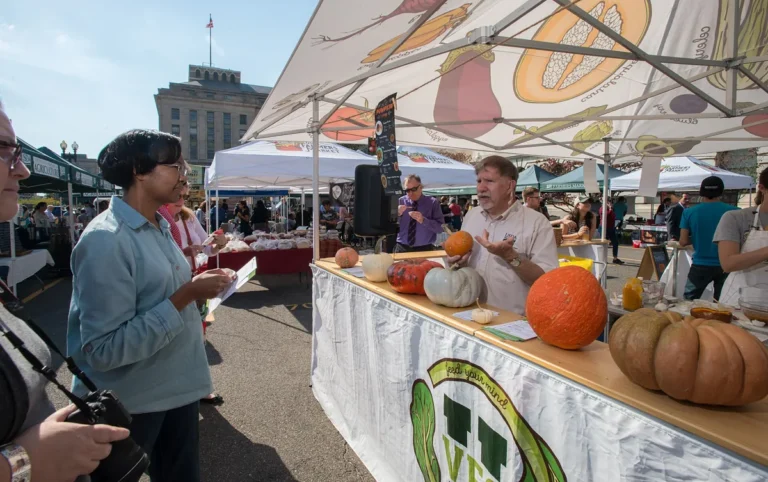
Each July, the lawns of Centennial Park in Waukee turn into an open-air gallery, as rows of artist booths, food trucks and stages take over the suburb’s best-known green space for the Waukee Arts Festival. The event runs free to the public across a Friday evening and a full Saturday, and its documented arc is a story of growth that mirrors the town around it. A local newspaper layer, reporting the year after the fact, described the first edition in twenty fifteen as an inaugural gathering of twenty-five artists that drew a little over one thousand people. A decade later, the arts council’s own copy for the tenth annual festival in twenty twenty-five spoke of more than one hundred artist vendors and crowds past ten thousand. A travel-guide layer confirms the festival was still filling the same park in twenty twenty-six, with the same Friday-and-Saturday shape and the same free admission.
About the Festival
The Waukee Arts Festival belongs to Waukee, a Dallas County community in the Des Moines metropolitan area. Waukee is not the county seat — that honour sits with Adel — but the festival has given the town a signature summer occasion of its own. Every layer read places the event in Centennial Park, and the organiser behind it is the Waukee Area Arts Council; some of the council’s own copy shortens its name to Waukee Arts Council, and the two forms are left as the sources print them rather than tidied into one. The published name never varies: every layer, from the newspaper report of the first edition to the travel guide’s account of twenty twenty-six, calls it simply the Waukee Arts Festival. Its programme, as the editions document it, mixes artist exhibits and vendors with live music and feature concerts, food trucks, a beer garden, activities for children and, in its recent form, a Saturday morning footrace.
Quick Facts
| Item | Detail |
| Published name | Waukee Arts Festival |
| Host town | Waukee, Dallas County, Iowa |
| County seat | Adel (Waukee is not the seat) |
| Venue | Centennial Park, Waukee |
| Organiser | Waukee Area Arts Council |
| When | Mid-July; recent editions run Friday evening and Saturday |
| Admission | Free to the public, per the twenty twenty-six travel-guide layer |
| First documented edition | The inaugural festival of twenty fifteen |
| Recent billings | Second annual in twenty sixteen; tenth annual in twenty twenty-five |
| Latest documented edition | Twenty twenty-six, again at Centennial Park |
History
The festival’s beginnings survive in a single retrospective account. A local newspaper layer, writing in twenty sixteen about the edition then approaching, reported that the inaugural Waukee Arts Festival had taken place the year before, in twenty fifteen, and put its scale in plain figures: more than one thousand attendees, twenty-five artists, six food vendors and four singer-songwriters. That report is the founding evidence the record holds; the layers read offer no separate founding statement, only that first gathering and the way it was counted. The same newspaper layer documented the follow-up on Sunday July tenth, twenty sixteen, running from noon to eight in the evening and billed as the second annual. That edition was held alongside the Sundays in Centennial concert series, fifty or more artists were expected, and two additions were new that year: a farmers market and a student exhibition. The billing is worth pausing on — second annual in twenty sixteen, tenth annual in twenty twenty-five — because the numbers are recorded here exactly as the layers print them, as billings, and nothing more is built on them. By the tenth annual, documented in the arts council’s own copy for Friday July eighteenth and Saturday July nineteenth, twenty twenty-five, the festival had outgrown its origins many times over: more than one hundred artist vendors, daytime music, food and beer trucks, a feature concert, the second annual Waukee Fine Arts Footrace on the Saturday morning, and a stated draw of more than ten thousand people. That a town which is not even its county’s seat could grow a park festival tenfold in ten years says something about Waukee itself, a suburb whose own expansion across the same decade is the backdrop the documented editions quietly supply.
What to Expect
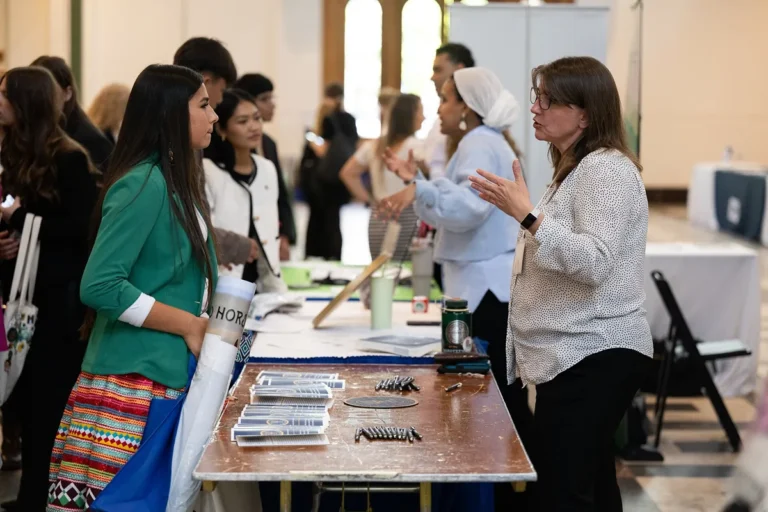
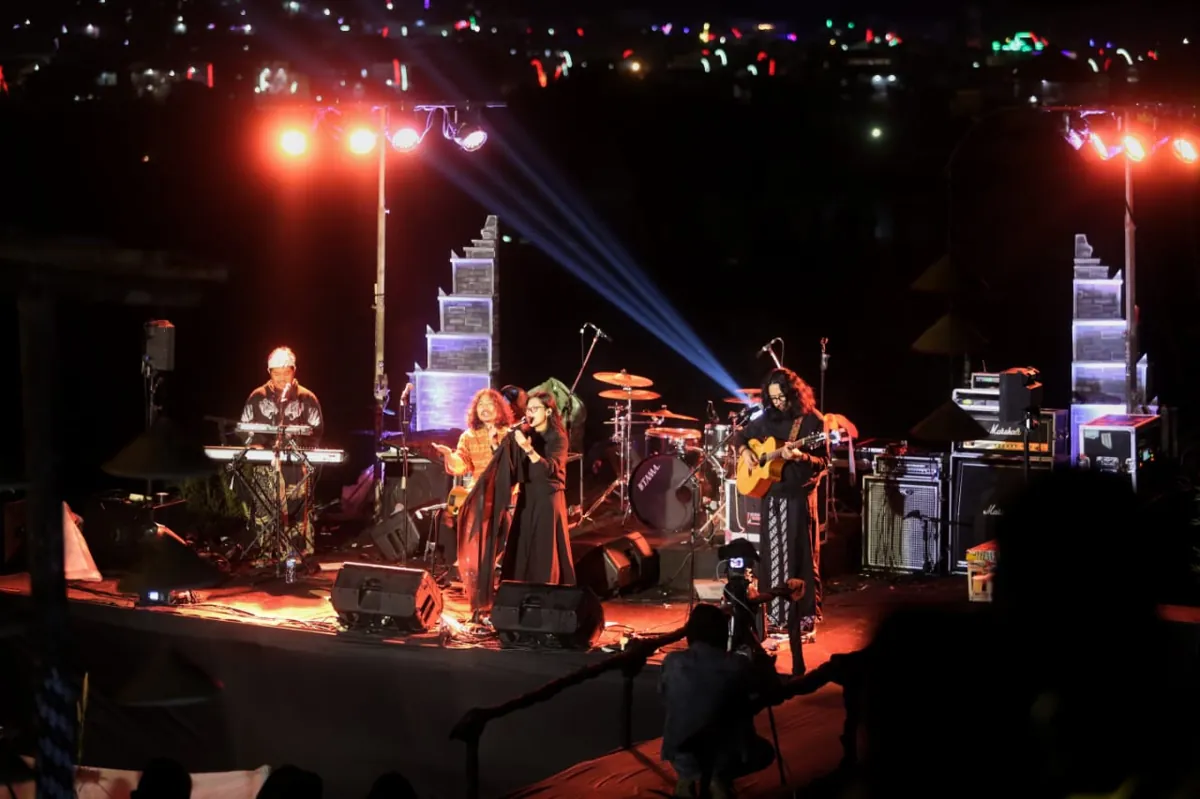
Art is the centre of the grounds. The council’s copy for twenty twenty-five promised more than one hundred artist vendors, and the travel-guide layer for twenty twenty-six likewise counts more than one hundred artist exhibits spread through Centennial Park on the Saturday, so a visitor should plan on long rows of booths rather than a handful of stalls. Music runs through both days in layers: daytime music fills the Saturday, while each recent edition has paired its Friday evening hours, from five to eight, with a concert after the exhibits close, and twenty twenty-five added a feature concert to the bill. Food trucks serve the crowds in both documented recent editions; the council’s copy mentions beer trucks in twenty twenty-five, while the travel guide describes a beer garden in twenty twenty-six, and each account is left standing as its own layer gives it. Children have their own activities in the twenty twenty-six account. The most distinctive fixture is the Waukee Fine Arts Footrace, which the council’s copy bills as reaching its second annual running on the Saturday morning of the tenth annual festival, putting runners on the park paths before the exhibits open at ten.
Planning Your Visit
The recent documented editions share a shape a visitor can plan around. Both twenty twenty-five and twenty twenty-six ran in mid-July, opening on Friday from five in the evening until eight, with a concert following, and continuing on Saturday from ten in the morning. Centennial Park is the single setting for everything — exhibits, stages, food trucks and footrace alike — so the whole festival can be taken in on foot once you arrive. Admission costs nothing: the travel-guide layer for twenty twenty-six states plainly that the festival is free to the public. Friday evening suits anyone who wants the concert and a first pass through the booths in cooler air, while Saturday carries the fuller programme, from the morning footrace and the ten o’clock opening of the exhibits through a day of music. The one caution the record itself supplies is that earlier editions looked different — twenty sixteen was a single Sunday — so the Friday-and-Saturday pattern belongs to the recent editions as documented, and the current year’s own announcements remain the authority for its exact hours.
For a useful comparison, see the Dallas County Iowa Sweet Corn Festival for another county festival.
A Sample Itinerary
A weekend shaped by the documented twenty twenty-six edition might run like this. Arrive at Centennial Park on Friday as the exhibits open at five, walk the artist rows while the light is good, eat from the food trucks, and stay on for the concert that the travel-guide layer places after the eight o’clock close of the evening session. Come back on Saturday morning in time for the footrace — an element the council’s own copy fixed to the Saturday morning of the tenth annual — then work through the more than one hundred artist exhibits from their ten o’clock opening at an unhurried pace. The middle of the day belongs to the booths, the beer garden the travel guide describes, and the live music the same layer lists among the day’s fixtures, with the kids’ activities giving younger visitors their own programme. Nothing in the documented record rushes the day; the itinerary above simply follows the order the layers themselves lay out, evening first and full day second.
How It Compares
Waukee hosts more than one summer gathering, and the layers are careful to keep them apart. A city guide layer identifies Celebrate Waukee as a separate city festival in the same town, distinct from the arts council’s event in Centennial Park, and it should not be confused with the festival described here. Beyond the town line, the wider Des Moines metro area holds arts festivals of its own in other communities; those are separate events in other towns, run by their own organisers, and no layer read treats any of them as connected to Waukee’s. What sets this festival apart in its own record is not a rival claim but its setting and trajectory: an arts council event anchored to one neighbourhood park, documented continuously from a twenty-five-artist inaugural to a hundred-vendor tenth annual.
A Visitor’s Checklist
- Give Friday evening to the exhibits and the concert that follows them
- Return Saturday by ten in the morning for the full run of artist booths
- Watch for the Fine Arts Footrace on the Saturday morning
- Leave time to browse beyond the first rows; the count of artists passes one hundred
- Bring the children to the activities laid on for them
- Plan meals around the food trucks documented on the grounds
- Remember that admission is free, so the budget goes on art and food
Beyond the Festival
The facts file for this title reaches little beyond the festival itself, and what lies past it can only be sketched modestly. Centennial Park is clearly more than a one-weekend ground: the newspaper layer for twenty sixteen ties the young festival to the Sundays in Centennial concert series, which suggests a park already accustomed to hosting music through the summer. Waukee’s position inside the Des Moines metro area, and its growth from a small town into a large suburb across the very decade the festival’s editions document, form the wider setting. Adel, the county seat, keeps the courthouse and the county’s official business, while Waukee keeps this festival — a division the record states plainly. Anything further about the town’s other attractions would go beyond the layers read, so this account stops where they do.
Why the Festival Matters
On the documented evidence, the Waukee Arts Festival matters because it grew up with its town in public view. Many festivals can claim longevity; this one’s layers instead preserve the whole climb, from an inaugural afternoon of twenty-five artists and a thousand visitors, reported almost as an afterthought the following year, to a tenth annual edition whose own organiser counts more than one hundred vendors and more than ten thousand guests. The growth was not only in size. Across the documented editions the programme thickened — a farmers market and student exhibition added in the second year, a footrace and feature concert in place by the tenth — while the essentials, a free weekend of art and music in the town’s central park, stayed constant. For a suburb often described through subdivisions and new schools, the festival gives Waukee a cultural institution with a paper trail, and that trail, modest as its earliest figures are, is what makes the story credible.
Frequently Asked Questions
How did the Waukee Arts Festival get its start?
A local newspaper layer, reporting in twenty sixteen, described the twenty fifteen edition as the inaugural festival. Its figures were small and specific: more than one thousand attendees, twenty-five artists, six food vendors and four singer-songwriters, all gathered in Centennial Park. That retrospective report is the beginning the documented record preserves, and the billings that follow — second annual the next year, tenth annual in twenty twenty-five — trace the line forward from it.
Who organises the festival?
The organiser is the Waukee Area Arts Council, named as such in its own copy. Some of that same copy shortens the body’s name to Waukee Arts Council, and the two forms appear in the record unmerged, exactly as printed. It is the council’s own announcements that supply the fullest accounts of the recent editions, including the tenth annual’s programme and crowd figures.
What is the Waukee Fine Arts Footrace?
The footrace is a run woven into the festival’s Saturday morning. The arts council’s copy for twenty twenty-five billed it as the second annual Waukee Fine Arts Footrace, placing it on the Saturday of the tenth annual weekend, before the exhibits opened at ten in the morning. It stands in the record as one of the additions that marked the festival’s growth beyond booths and stages.
How much has the festival grown since its first edition?
By its organiser’s own account, considerably larger than it began. The council’s copy for the tenth annual in twenty twenty-five states that the festival draws more than ten thousand people, with more than one hundred artist vendors on the grounds — against the thousand or so attendees and twenty-five artists the newspaper layer recorded for the inaugural edition a decade earlier. The twenty twenty-six travel-guide layer independently keeps the artist count above one hundred.
What to Expect From the Next Dallas County Iowa Waukee Arts Festival
How often is Dallas County Iowa Waukee Arts Festival held?
The documented editions cluster in mid-July, and the billings the layers carry — second annual in twenty sixteen and tenth annual in twenty twenty-five — describe a festival on a yearly rhythm. The dated editions in the record fall in twenty fifteen, twenty sixteen, twenty twenty-five and twenty twenty-six, each in July, which is the pattern any expectation should rest on.
When is the next Dallas County Iowa Waukee Arts Festival?
No layer read fixes a date for an edition beyond twenty twenty-six, when the festival ran on Friday July seventeenth and Saturday July eighteenth. Judging by every documented edition, a future festival would be expected in mid-July, most likely on the Friday-and-Saturday shape the recent editions share, but that is an inference from the pattern rather than an announced date, and the arts council’s own announcements would settle it.
Will the dates change?
They already have, within limits. The second annual in twenty sixteen fell on a single Sunday, July tenth, while the recent editions occupy a Friday and Saturday in the middle of the month — the seventeenth and eighteenth in twenty twenty-six, the eighteenth and nineteenth in twenty twenty-five. The exact weekend can therefore shift from year to year, even though the mid-July placing and the park setting have held steady across every edition documented.
Closing
The Waukee Arts Festival’s record is unusually legible for a young event: an inaugural edition counted artist by artist in a newspaper report, a second annual that added a farmers market and student work, and a tenth annual whose organiser could claim a hundred vendors and ten thousand guests in the same Centennial Park. With a twenty twenty-six edition documented on the same lines, the festival stands as Waukee’s best-evidenced summer tradition — free, art-centred and still growing into the suburb around it.