Dallas County Iowa Sweet Corn Festival
Every August, the courthouse square in Adel fills with the smell of cooking corn, and the reason is simple arithmetic: the Adel Partners Chamber of Commerce buys seven tons of sweet corn, gathers volunteers to shuck it by hand on a Friday evening, and gives the whole harvest away cooked and free the following day. The Dallas County Iowa Sweet Corn Festival is a two-day celebration built around that single act of generosity, and it asks nothing of the people who come. Attendance costs nothing, and the corn at the centre of everything costs nothing either. Around the square, in the town’s historic district, booths line the streets, a parade rolls through on Saturday morning, and a small Iowa county seat turns itself over to the crop that defines its summer.
Adel serves as the county seat of Dallas County, a standing recorded by a county-reference layer, and the festival sits right at the seat of that authority, wrapped around the courthouse square. Additional activities use the Dallas County Fairgrounds, but the square is the heart of it. The chamber’s own festival page carries the heading “Sweet Corn Festival”, while the chamber, a regional partnership layer and various listing layers also print the fuller form “Adel Sweet Corn Festival”. Both names refer to the one event.
About the Festival
The Adel Partners Chamber of Commerce organises the festival, and the chamber’s festival page also prints its name in the shortened form “Adel Partners Chamber”. The event belongs to the second Saturday in August, with the Friday before it given over to preparation. In twenty twenty-six, that meant the shucking of the corn began at half past four on Friday the seventh of August, and the main day followed on Saturday the eighth, opening with a parade at half past nine in the morning. The partnership layer gives the twenty twenty-six theme as “It Doesn’t Get Any Butter”, a piece of wordplay that tells you exactly how seriously this town takes its corn and how lightly it takes itself.
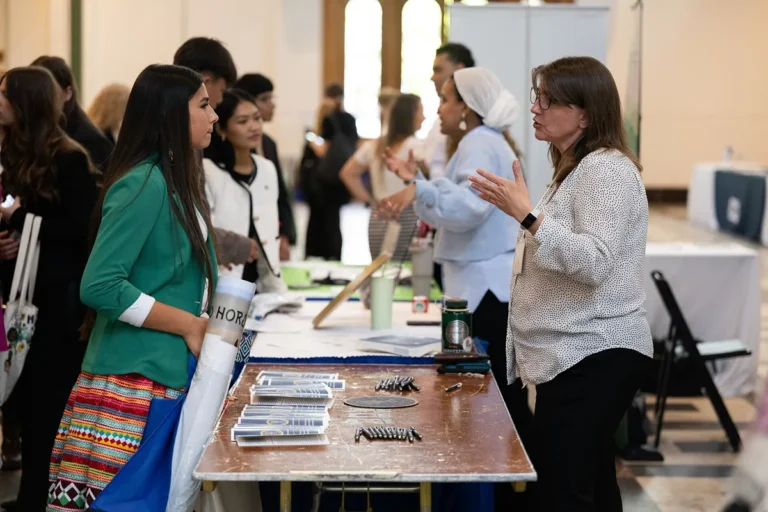
Dozens of arts, crafts and informational booths ring the courthouse square, according to the chamber’s page, so the corn shares its weekend with makers, community groups and food vendors of every description.
Quick Facts
| Item | Detail |
| Published name | Sweet Corn Festival; also printed as Adel Sweet Corn Festival |
| Host town | Adel, Dallas County, Iowa |
| County seat | Adel is the county seat of Dallas County |
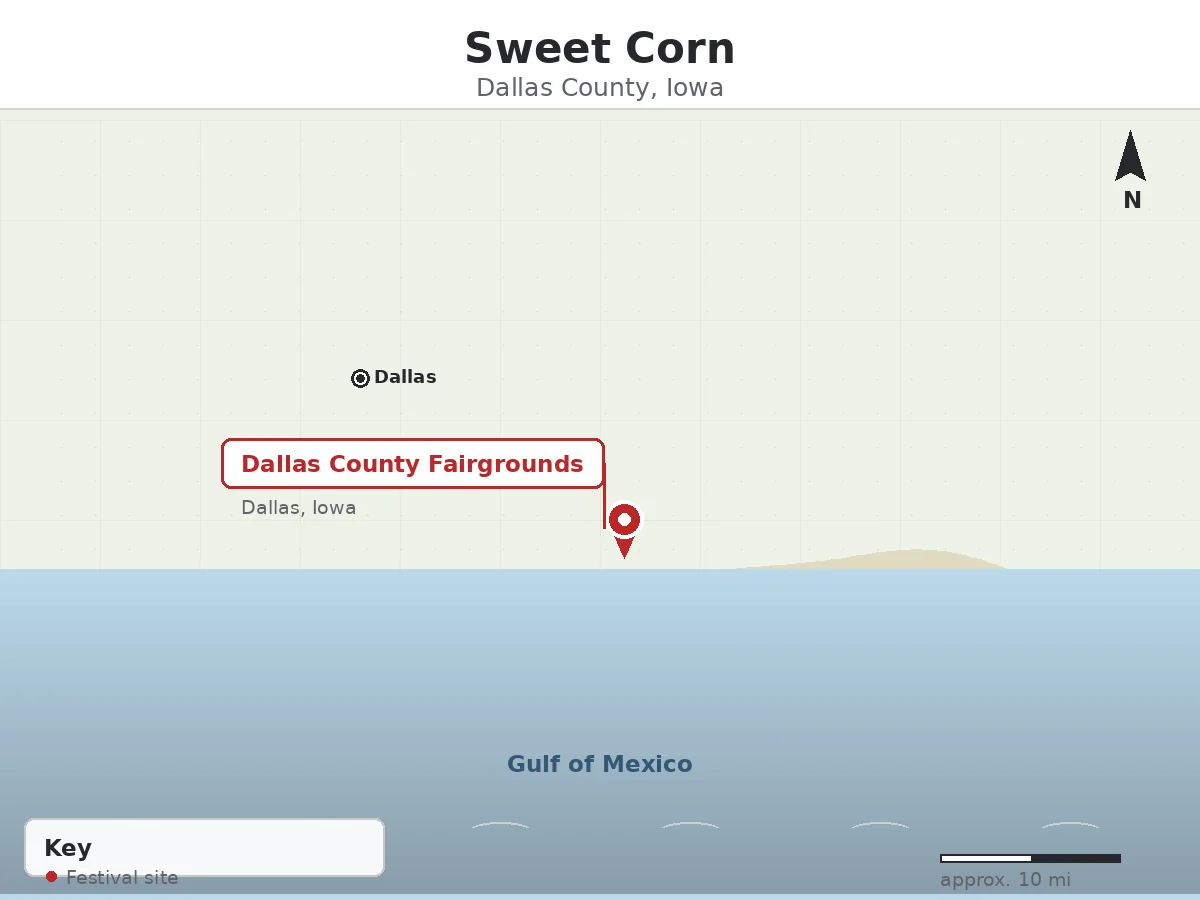
| Venue | The courthouse square in Adel’s historic district, with additional activities at the Dallas County Fairgrounds |
| Organiser | Adel Partners Chamber of Commerce |
| Timing | The second Saturday in August, preceded by a Friday evening corn shucking |
| Recent billings | Forty-sixth annual in twenty twenty-five; forty-seventh annual in twenty twenty-six |
| Centrepiece | Seven tons of sweet corn, shucked on Friday and served free on Saturday |
| Admission | Free to attend, and the sweet corn itself is served free |
History
The documented billings give the festival a long pedigree without pinning down its beginning. The twenty twenty-five edition, held on Friday the eighth and Saturday the ninth of August, was billed as the forty-sixth annual Sweet Corn Festival by a local magazine’s official guide and by the regional partnership layer. A food-festivals listing layer bills the twenty twenty-six edition as the forty-seventh annual. Those numbers are reported here strictly as billings, the way the layers print them; they are not converted into a founding year, because the layers consulted leave the festival’s first year unrecorded.
For a useful comparison, see the Crawford County Iowa Tri City BBQ Fest Festival for another county festival.
Two rival origin stories circulate and both fall short of proof. A content-farm festival page asserts that the festival was first organised in nineteen seventy-seven, and a travel blog connects a family corn-fritter recipe to a beginning in nineteen eighty. Neither claim is corroborated by the chamber’s own page or by any other layer read for this article, and both are set aside in full. What stands on solid ground is narrower: a chamber in a small county seat has kept a festival numbered in its forties, built not around a midway but around giving away the local harvest.
The twenty twenty-five edition shows the modern shape of the event. Across its two days it offered a five-kilometre run, free sweet corn, food vendors, family games, a classic truck show and an evening street party, and the partnership layer billed its parade as the largest in Dallas County. By twenty twenty-six the pattern had settled into the form the chamber now describes: shuck on Friday, celebrate on Saturday, and let the corn carry the day.
What to Expect
Friday belongs to the shucking. In twenty twenty-six the work began at half past four in the afternoon, when the seven tons of corn the chamber had purchased were stripped of their husks by hand. The shucked corn then spent the night in a refrigerated truck, a practical detail the chamber’s page is careful to record, before being cooked and served free by volunteers on Saturday. Anyone who has ever shucked a dozen ears for a family dinner can measure what seven tons means in blistered palms and flying silk, and that communal labour is as much a part of the festival as anything that happens the next day.
Saturday opens with the parade, which began at half past nine in the morning in twenty twenty-six and which the partnership layer bills as the largest parade in Dallas County. Around the courthouse square, dozens of arts, crafts and informational booths set up for the day, while the cooked corn moves from the truck to the crowd at no charge. The twenty twenty-five edition adds texture to the picture: its programme included a five-kilometre run, food vendors, family games, a classic truck show and an evening street party, elements documented for that year by the magazine guide and the partnership layer. Activities also take place at the Dallas County Fairgrounds, giving the weekend a second base beyond the square.
The atmosphere, as the layers describe it, is that of a harvest homecoming rather than a commercial fair. The partnership layer puts attendance at around ten thousand with approximately one hundred vendors, and the theme the same layer records for twenty twenty-six, “It Doesn’t Get Any Butter”, captures the tone: proud of the product, happy to joke about it, and determined that nobody leaves hungry.
Planning Your Visit
The pattern to plan around is the one the chamber itself states: the festival is held on the second Saturday in August, with the Friday evening before it devoted to the shucking. In twenty twenty-five that produced dates of the eighth and ninth of August; in twenty twenty-six, the seventh and eighth. A visitor who wants the full arc of the event should arrive on Friday in time for the half past four shucking, which is both a spectacle and a piece of the festival’s working machinery, then return Saturday morning for the parade at half past nine.
The cost side of the trip could hardly be simpler. The partnership layer states plainly that the festival is free to attend, and the chamber’s page bills the sweet corn itself as free, so the centrepiece of the day carries no charge. Food vendors and booth holders around the square sell their own goods in the ordinary way, and the twenty twenty-five programme of a run, a truck show and a street party suggests bringing a little cash for the edges of the day while the middle of it costs nothing. The courthouse square in the historic district is the centre of gravity, with the fairgrounds hosting additional activities, so a visitor can anchor the day on the square and treat anything at the fairgrounds as an extension rather than a second trip.
Because themes and particular programme elements shift from year to year, the wise course is to check the chamber’s current festival page before travelling. What does not shift, on the documented record, is the structure: corn bought by the ton, shucked by volunteers on Friday, cooked and given away on Saturday, and a parade to open the main day.
A Sample Itinerary
A Friday arrival puts you at the courthouse square by half past four, when the shucking begins and seven tons of corn start moving through volunteers’ hands. The evening is the festival’s working heart, and watching the pile shrink is the best possible introduction to what Saturday is for. The twenty twenty-five edition’s Friday also carried the opening of a weekend that included a five-kilometre run and an evening street party on its programme, so a Friday in Adel is not merely a rehearsal.
Saturday starts early. Be in place before half past nine for the parade, the one the partnership layer calls the largest in Dallas County. After it passes, the day settles into the square: the cooked corn coming free from the serving line, the dozens of arts, crafts and informational booths to walk, the food vendors for anything beyond corn, and the fairgrounds for the activities based there. In twenty twenty-five the day also held family games and a classic truck show, and the evening closed with a street party. A visitor following the twenty twenty-six shape will find the same rhythm: parade in the morning, corn and booths through the day, and a town in no hurry to call it finished.
How It Compares
Iowa grows a great deal of corn, and more than one town celebrates it, so Adel’s festival has namesakes that should not be confused with it. Elkader, in Clayton County, holds its Sweet Corn Days, a separate event in a different county with its own organisers and its own traditions. Estherville, in Emmet County, likewise holds Sweet Corn Days of its own. Neither has any connection to the Adel gathering beyond the shared crop and the shared state.
What distinguishes the Adel event in the documented record is the combination of place and method: a courthouse square in a county seat, a chamber that buys the corn by the ton rather than by the crate, and a serving line that charges nothing. The Elkader and Estherville celebrations belong to their own towns, and anyone touring Iowa’s corn festivals in August would need to treat all three as distinct stops rather than editions of one event.
Checklist
- Arrive on Friday by half past four if you want to see the shucking
- Claim a parade spot before half past nine on Saturday morning
- Bring an appetite, since the sweet corn is served free
- Carry some cash for food vendors and booth purchases around the square
- Check the chamber’s festival page for the current year’s theme and programme
- Leave time for the additional activities at the Dallas County Fairgrounds
- Plan a walk around the historic district between events on the square
Beyond the Festival
The festival’s setting does some of its work for it. Adel’s courthouse square sits in the town’s historic district, and the dozens of informational booths that ring it during the festival turn the weekend into a survey of the county’s community life as well as its agriculture. The fairgrounds, hosting the festival’s additional activities, are the other pole of the town’s gathering year. A visitor with time around the edges of the programme can take the square slowly, since the festival’s own geography is compact: corn, booths and parade all within the few streets that make up the centre of the county seat.
Why It Matters
Most festivals measure themselves in tickets sold or midway revenue. Adel’s signature event is measured in tonnage given away. Seven tons of sweet corn, bought by a chamber of commerce, shucked by volunteers, chilled overnight and handed to strangers for free, is a statement about what a county seat thinks a festival is for. The billings in the forties, the parade billed as the county’s largest and the ten thousand attendees the partnership layer reports all say the same thing from different angles: this is the weekend on which Adel defines itself, and it defines itself by feeding people.
Frequently Asked Questions
How does the corn travel from purchase to plate?
The chamber buys seven tons of sweet corn, according to its own festival page. Volunteers shuck it on Friday evening, it is held overnight in a refrigerated truck, and on Saturday it is cooked and served free by volunteers. The journey from husk to hand is the festival’s central piece of organisation.
Who runs the festival?
The Adel Partners Chamber of Commerce organises it, and the chamber’s festival page, which also uses the shortened form Adel Partners Chamber, is the source for the event’s structure, from the Friday shucking time to the Saturday parade.
Besides eating corn, what fills the Saturday?
The documented programmes offer a good deal. The parade opens the main day at half past nine, dozens of arts, crafts and informational booths surround the square, and the twenty twenty-five edition added a five-kilometre run, food vendors, family games, a classic truck show and an evening street party, with further activities at the fairgrounds.
Which weekend should a visitor mark for it?
The chamber states that the festival is held on the second Saturday in August, with the shucking on the Friday before. That pattern produced the eighth and ninth of August in twenty twenty-five and the seventh and eighth in twenty twenty-six.
What to Expect From the Next Dallas County Iowa Sweet Corn Festival
How often is Dallas County Iowa Sweet Corn Festival held?
The documented editions fall in successive years, twenty twenty-five and twenty twenty-six, billed as the forty-sixth and forty-seventh annual respectively, so the festival runs on a yearly August cycle anchored to the second Saturday of the month.
When is the next Dallas County Iowa Sweet Corn Festival?
On the chamber’s stated pattern, the main day falls on the second Saturday in August, with the corn shucking on the Friday evening before it. The chamber’s festival page is the place to confirm the exact dates for the coming year.
Will the dates change?
The second-Saturday anchor held across both documented editions, which landed on the eighth and ninth of August in twenty twenty-five and the seventh and eighth in twenty twenty-six. Since the anchor is the Saturday rather than a fixed date, the calendar dates drift by a day or so from year to year while the weekend itself stays put.
Closing Thoughts
A festival can be built on almost anything, but Adel built its own out of the crop in the fields beyond the town limits and the labour of the people inside them. Seven tons of corn, a refrigerated truck, a parade at half past nine and a square full of neighbours: the record of the Dallas County Iowa Sweet Corn Festival is short on mystery and long on appetite, and that seems to be exactly how its town likes it.