Huntington County Indiana Forks of the Wabash Pioneer Festival
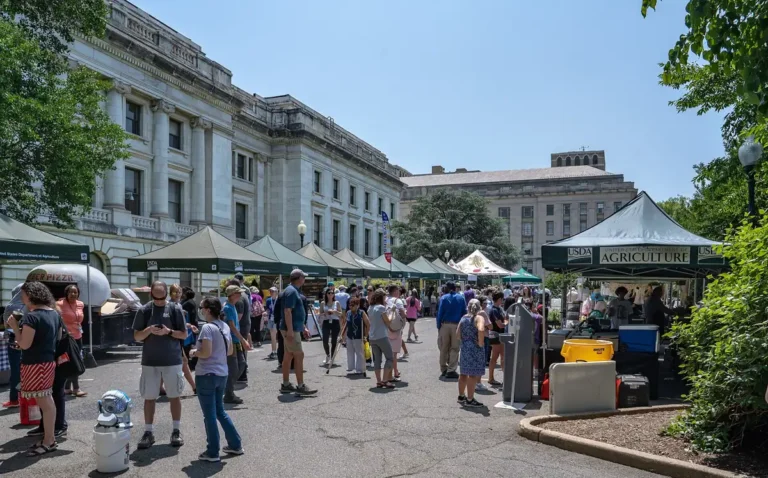
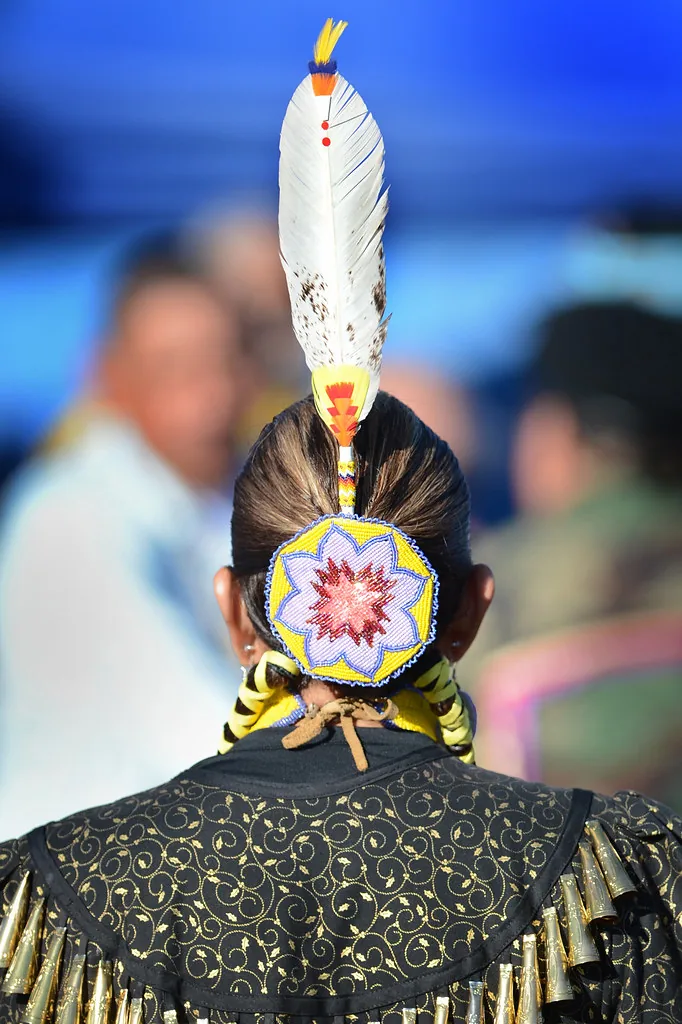
For one late-September weekend each year, the Huntington County Fairgrounds in Huntington step back into the eighteen hundreds. The Forks of the Wabash Pioneer Festival fills the grounds with a pioneer encampment, antique engines and motorcars, juried crafts and a farmer’s market, all of it staged near the meeting of waters that gives the festival its name. The organiser’s own paperwork for twenty twenty-six bills the gathering as “Our 50th Pioneer Festival,” and a listing layer independently gives the same weekend, Saturday the twenty-sixth and Sunday the twenty-seventh of September, at the same fairgrounds. What sets the weekend apart is how completely the scene is dressed. Under the committee’s rules, everyone taking part, from booth workers down to the children, wears pioneer costume from the moment the grounds open until they close. Huntington is the seat of Huntington County, and the fairgrounds stand on East Taylor Street, in a town shaped by the pioneer era the festival takes as its theme. By the organiser’s own billing, it is a gathering old enough to have become part of the county’s history while re-enacting a considerably older one.
About the Forks of the Wabash Pioneer Festival
The published name, capitalised in full across the headings of the organiser’s own application forms, is Forks of the Wabash Pioneer Festival, and a listing layer uses exactly the same form. Behind the name sits an unusual organising arrangement. The festival committee trades under the festival name itself: on its own forms, Forks of the Wabash Pioneer Festival is the payee and the applicant body, and no separate incorporated name appears anywhere in the paperwork. The work is divided department by department, each with its own named chairman. One chairman looks after the farmer’s market, another the encampment, and others cover engines and tractors, craft booths, antique booths, foods, motorcars, and the children’s area printed on the forms as Youngun’s Fun. That structure matters to anyone attending, because the festival has no single showpiece: each department runs its own corner of the grounds, and the weekend is the sum of all of them. The festival returns every year on a late-September weekend at the Huntington County Fairgrounds. Its subject is the pioneer period at the forks of the Wabash River, close to the Historic Forks of the Wabash site, and every strand of the programme, from the encampment to the antique engines, is bent toward that period.
Quick Facts
| Item | Details |
| Published name | Forks of the Wabash Pioneer Festival |
| Host town | Huntington, the Huntington County seat |
| Venue | Huntington County Fairgrounds, East Taylor Street |
| Weekend in 2026 | Saturday 26 and Sunday 27 September |
| Hours | Saturday ten in the morning to six in the evening; Sunday ten in the morning to five in the evening |
| Organiser | The festival committee, trading under the festival name itself |
| Billing in 2026 | Billed by the organiser as “Our 50th Pioneer Festival” |
| Theme | Pioneer life from the eighteen hundreds into the early nineteen hundreds |
| Programme anchors | Pioneer encampment, antique engines and tractors, juried crafts, antiques in Heritage Hall, farmer’s market, Youngun’s Fun |
| Gate admission | No admission figure appears in the organiser’s own forms |
History
The deepest roots a reader can verify belong to the place rather than to a printed founding date. The festival’s theme is the pioneer era of the eighteen hundreds at the forks of the Wabash River, near the Historic Forks of the Wabash site in Huntington, and the encampment, the period costume and the hand-worked crafts all grow out of that setting. The forks, where waterways met and where travellers, traders and settlers once passed, gave the surrounding county one of its earliest reasons to gather as a community. For the festival’s own age, the organiser’s forms offer a billing and nothing more: the twenty twenty-six edition is billed as “Our 50th Pioneer Festival.” Counting backwards from a fiftieth billing to reach a first year is tempting arithmetic, but none of the material consulted prints a founding year, so this article does not supply one by subtraction. What the paperwork does show is a mature, settled operation. Application forms and rules run department by department, set-up is fixed for the Friday before the weekend, and the costume requirement is written down as a standing rule rather than a novelty. A listing layer independently dates the twenty twenty-six edition to the twenty-sixth and twenty-seventh of September at the fairgrounds, matching the organiser’s own forms, and the festival’s rhythm is an annual one, anchored to a late-September weekend.
What to Expect
Rows of tents and period shelters form the pioneer encampment, the living heart of the grounds, while antique engines and tractor exhibits speak for the machinery that followed muscle power into the countryside. Antique motorcars carry the story a generation further along the same road. Shopping splits into several distinct strands. Juried craft booths, some under the pavilion roof and others outdoors, sell hand-made work that has passed a selection process. Antique dealers fill Heritage Hall with older goods still. A farmer’s market adds produce and farm goods, and food vendors keep the crowds fed through both days. The mix is deliberate: the encampment shows how pioneer families lived, the craft booths show what their hands produced, and the engine rows show the machinery that was already beginning to displace both. Children are given ground of their own in the Youngun’s Fun area. Sunday begins quietly, with a worship service at nine in the morning before the festival’s ten o’clock opening. Costume ties the whole scene together. The organiser’s rules require every participant, booth workers and children included, to wear pioneer dress of the eighteen hundreds to early nineteen hundreds, in the “Little House on the Prairie” style the forms invoke, from opening to closing each day, so a visitor wanders through grounds where the people staffing them look as period-correct as the exhibits themselves.
Planning Your Visit
Two days is the whole of the festival, and they are not equal. Saturday runs from ten in the morning to six in the evening, the longer day, while Sunday opens at ten and closes at five, with the nine o’clock worship service ahead of the gates for those who want it. Anyone hoping to see everything should treat Saturday as the main expedition and Sunday as the slower second pass. One practical point needs stating plainly: the organiser’s own forms, which itemise what exhibitors pay down to the last booth, never name a sum for walking through the gate, so a visitor budgeting for the trip should not build plans around any admission figure quoted elsewhere. The honest position is simply that the paperwork leaves the gate question open, and a careful planner treats it that way rather than guessing. The costume rule deserves a moment’s thought too. It binds the people taking part rather than the people watching, so ordinary visitors dress as they please; the period clothing belongs to the participants, and that is precisely what makes the grounds photograph like another century. For would-be exhibitors rather than visitors, the forms do publish charges, and they are exhibitor fees, never admission: a farmer’s market pitch costs fifty dollars, rising to seventy-five dollars for applications after the first of May; a craft pavilion booth costs seventy-five dollars; an antique booth costs twenty-five dollars for a ten-by-ten space; and food vendors pay one hundred fifty dollars plus ten percent of gross sales.
For a useful comparison, see the Howard County Indiana Kokomo Chocolate Celebration Festival for another county festival.
A Sample Weekend at the Festival
Friday belongs to the participants, who set up across the grounds while the costume boxes are unpacked. A visitor’s weekend starts at ten on Saturday morning in the encampment, before the lanes fill, then moves to the engine and tractor rows while the day is still cool. Late morning suits Heritage Hall and its antique dealers. Lunch comes from the food vendors, and the afternoon can be given to the juried craft booths, pavilion first and outdoor rows after, with a pass through the farmer’s market before the six o’clock close. Families with young children might reverse that order, giving Youngun’s Fun the fresh morning energy and saving Heritage Hall for a quieter afternoon. Sunday opens with the nine o’clock worship service for those who attend it, then the antique motorcars and the children’s time in Youngun’s Fun, a second look at any craft booth marked the day before, and a final market stop before the five o’clock close brings the eighteenth century to an end for another year.
The Festival and the Historic Site
The festival and the Historic Forks of the Wabash preserve share a river, a town and a subject, and they are still two different things. The preserve is a historic site with programming of its own that runs beyond any single weekend. The festival is a two-day event on the county fairgrounds, organised by its own committee under its own name, which borrows the pioneer story the site preserves and rebuilds it for one weekend with tents, engines and costumed participants. A traveller can visit the site as a place of record and the festival as a living re-enactment of the same era, but the second is not run by the first. Pioneer festivals elsewhere in Indiana are separate events again, each with its own organisers, and none of them should be confused with this one. Keeping the festival and the preserve apart also protects a visitor’s expectations: the site rewards study, the festival rewards wandering, and each does its own job best when it is not mistaken for the other.
Visitor Checklist
- Give Saturday the longer look: its hours run ten to six, against Sunday’s ten to five
- Arrive at the encampment early, before the fairground lanes grow crowded
- Leave unhurried time for the antique dealers inside Heritage Hall
- Take children to the Youngun’s Fun area, the festival’s own ground for them
- Note that Sunday opens with a nine o’clock worship service ahead of the gates
- Eat from the food vendors between the booths rather than leaving the grounds
- Browse the farmer’s market for something to carry home
- Bring a camera: every participant is in period dress from opening to closing
- Check the committee’s forms for the year in question before travelling, since dates and details are set edition by edition
Beyond the Festival Grounds
The ground that inspired the festival lies close at hand. The Historic Forks of the Wabash site preserves the river meeting that drew pioneer settlement to this part of Indiana, and its own programming runs on its own calendar, quite apart from the festival weekend. The Wabash River forks themselves repay a quiet look once the fairgrounds empty. Huntington, the county seat, holds the rest of a small county town’s weekend within a short distance of East Taylor Street, so a festival trip can pair one loud, costumed day at the fairgrounds with a calmer hour at the site where the era being re-enacted actually happened. Neither visit needs the other, but each explains the other: the site holds the record, and the festival shows that record in motion.
Why the Festival Matters
A fiftieth billing, taken on its own terms, marks endurance: committees do not reach a fiftieth edition of anything without decades of volunteers willing to price booths, judge crafts and sew costumes. The department-by-department structure spreads that labour widely, giving the encampment, the engines, the motorcars and the market each a chairman of their own. The costume rule does cultural work as well as decorative work, because it obliges every participant, children included, to inhabit the period rather than merely display it, and it turns a county fairground into a coherent scene instead of a row of stalls. For visitors, the weekend compresses a century of change into two days: hand skills in the craft booths, horse-era farming in the encampment, engine power on the tractor rows and motorcars beyond them, all within one fence line in the county seat. That compression is the festival’s real subject: not nostalgia for its own sake, but the speed with which one century’s ordinary working life became another century’s exhibit.
Frequently Asked Questions
Who has to wear pioneer costume?
The organiser’s rules put the costume requirement on the people taking part. Every participant, expressly including booth workers and children, must wear pioneer dress of the eighteen hundreds to early nineteen hundreds, in the “Little House on the Prairie” style named in the forms, from opening to closing on both days.
When was the festival founded?
Neither the organiser’s forms nor the listing layers consulted print a founding year. The twenty twenty-six edition is billed as the fiftieth, and this article reports that billing as the organiser’s own; it does not work backwards from it to name a first year that no source states.
What awaits younger visitors in the Youngun’s Fun area?
The programme includes a dedicated children’s area, Youngun’s Fun, alongside the encampment, engines and motorcars that children can wander with their families. Children who take part, rather than simply visit, fall under the same costume rule as every other participant.
Is the festival run by the Historic Forks of the Wabash preserve?
No. The preserve is a historic site with programming of its own, related to the festival in theme and in place but separate from it. The festival is staged at the county fairgrounds by its own committee, trading under the festival name itself.
What to Expect From the Next Huntington County Indiana Forks of the Wabash Pioneer Festival
How often is Huntington County Indiana Forks of the Wabash Pioneer Festival held?
The committee brings the festival back every year, always on a late-September weekend, with two full days of programme on the Saturday and Sunday.
When is the next Huntington County Indiana Forks of the Wabash Pioneer Festival?
After the fiftieth edition documented for the twenty-sixth and twenty-seventh of September in twenty twenty-six, the next festival falls in the same late-September slot the following year. The exact Saturday and Sunday are fixed in that year’s application forms, which are the document to watch.
Will the dates change?
The anchor is steady: a late-September weekend, year after year. The particular Saturday and Sunday move with the calendar, and the day pattern documented for twenty twenty-six, Saturday from ten to six and Sunday from ten to five, is set afresh in each year’s forms, so travellers should confirm the current edition’s paperwork before setting out.
Closing Thoughts
The Forks of the Wabash Pioneer Festival asks something unusual of the people who stage it: dress the part, all weekend, children included. The result is a county fairground that behaves like a settlement from another century for two days each September, run not by an outside company but by a committee trading under the festival’s own name. Go for the encampment, stay for the engines, and let the costumed crowd do the time travelling.