Vermilion County Illinois Hoopeston Sweetcorn Festival
Hoopeston gives its late summer gathering a name reaching back to the event’s beginning, because the title used here is the original published name the organiser records for the first edition. Most recent layers call the celebration the National Sweetcorn Festival, the dominant modern form, adopted after early editions drew attention from beyond Illinois. A public radio layer for twenty twenty four printed yet another form, Hoopeston National Sweet Corn Festival, with Sweet Corn as two separate words, and that spelling stands here as printed. The forms are not merged, because each belongs to a particular layer or period in the festival’s publishing history.
The host is Hoopeston in Vermilion County, a community whose festival identity is bound up with sweetcorn growing, canning and a pageant tradition that grew alongside the harvest celebration. Hoopeston is not the Vermilion County seat, and that distinction belongs to Danville, stated plainly because county articles often assume host town and seat are the same place. Here they are not, and the festival’s story is Hoopeston’s own, carried by its business community at the start and by the Hoopeston Jaycees in the modern era.
About the Hoopeston Sweetcorn Festival
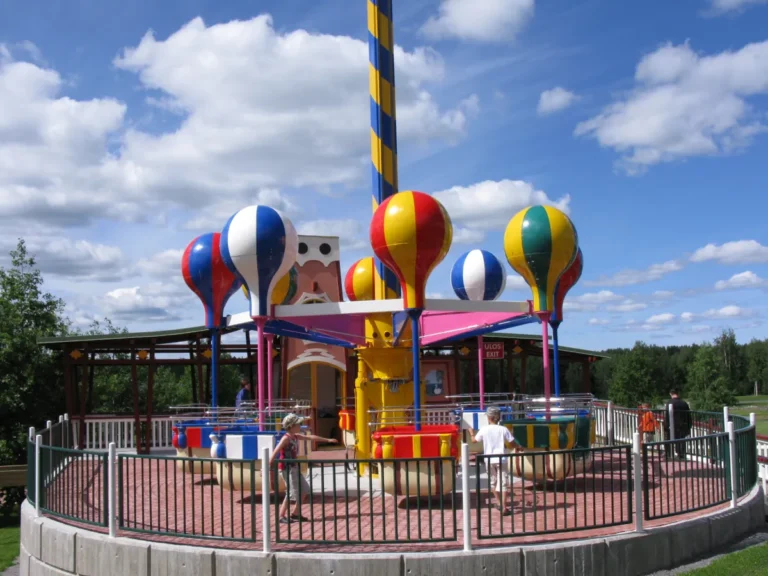
The Hoopeston Jaycees, the local Junior Chamber of Commerce, sponsor the festival and pageant today, and their history layer says they assumed that sponsorship following the Second World War and have continued to the present. Behind the modern event sits a harvest celebration running across Labor Day weekend, combining free sweetcorn, a parade, a pageant, a carnival and fairground style entertainment around the town’s park setting.
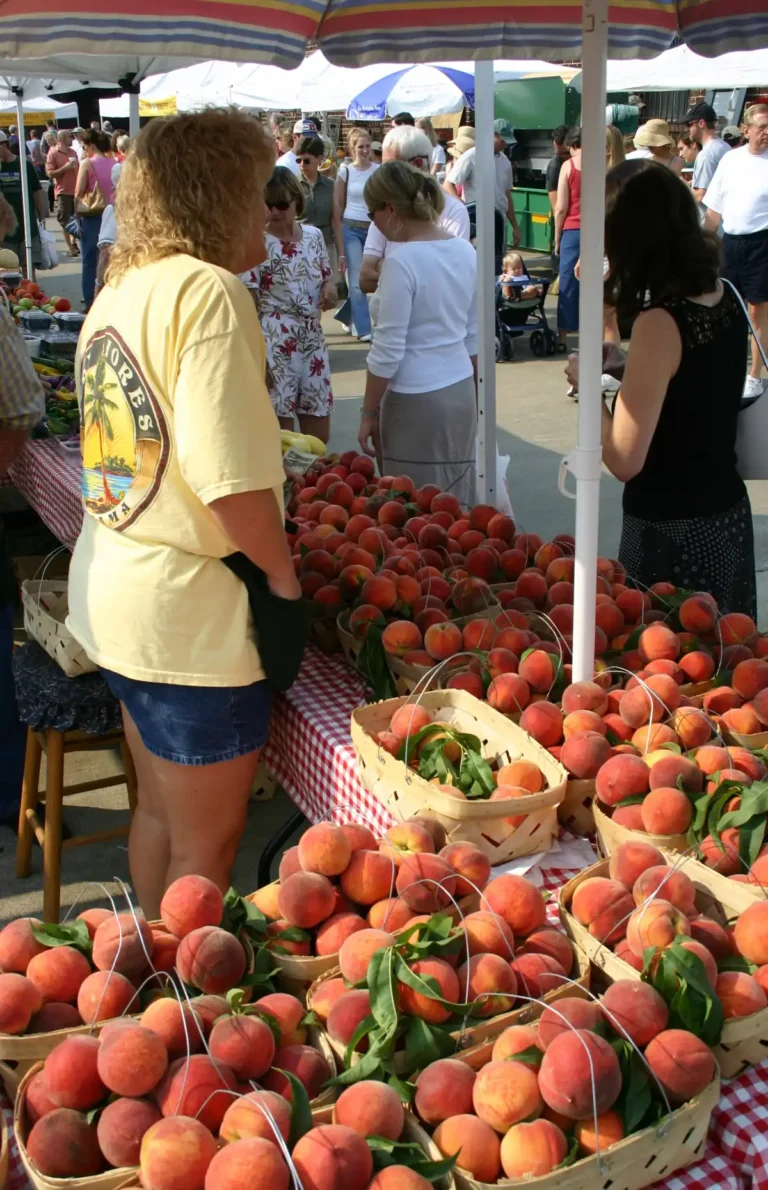
At its centre the event remains what it began as. The organiser’s history explains that the first festival was arranged by city businessmen to promote business in Hoopeston and celebrate the sweetcorn harvest, and the free corn remains the signature gesture, with approximately fifty tons cooked by an antique steam engine and handed out without charge. Around it the programme accumulated the National Sweetheart Pageant, demolition derby action and headline concerts, each documented for particular years rather than promised for every edition.
Visitors meet the festival under different names depending on the source, and that is a feature of the record rather than an error. Public radio billed the twenty twenty five edition as the eighty first annual Hoopeston Sweetcorn Festival, using the original form long after the modern name took over.
For a useful comparison, see the Vermilion County Illinois Danville Fall Festival for another county festival.
Quick Facts
| Item | Detail |
| Published names | Hoopeston Sweetcorn Festival, National Sweetcorn Festival, Hoopeston National Sweet Corn Festival |
| Host town | Hoopeston, Vermilion County, Illinois |
| County seat | Danville, not Hoopeston |
| Organiser | Hoopeston Jaycees, the Junior Chamber of Commerce |
| Organiser’s first festival account | Held in 1938, arranged by city businessmen |
| City history account | Dates its development account to 1940 |
| Name change | Changed to National Sweetcorn Festival in 1941 |
| Festival shape | Thursday through Monday over Labor Day weekend |
| Venue as printed by organiser | McFerren Park, at West Penn Street and Route 1 |
| Signature element | Approximately fifty tons of sweetcorn cooked and distributed free |
History
The organiser’s history layer gives the fullest single account of the beginnings, placing the first festival in 1938. In that account, city businessmen organised the debut to promote business in Hoopeston and to celebrate the sweetcorn harvest, tying town commerce directly to the surrounding crop. Two years on, in the organiser’s telling, the festival had reached beyond Vermilion County. The history layer states that in 1940 canning industries from six states sent pageant contestants, connecting the pageant to the canning trade. Because of that multi state attendance, the organiser says, the name was changed in 1941 to the National Sweetcorn Festival, and Miss Sweetcorn became National Sweetheart.
The City of Hoopeston’s own history layer frames the beginnings differently, and the difference is left standing. The city layer dates its account of the festival’s development to 1940 rather than 1938, and frames the 1940 event as developed by Hoopeston canning businesses. That is one year later than the organiser’s first festival date, and it emphasises the canning firms where the organiser emphasises city businessmen more broadly. Neither account is rewritten to match the other, and readers should hold both as separate layers with separate emphases.
The festival did not run uninterrupted from its early years. The organiser states plainly that it was discontinued during the Second World War, and that afterwards the Hoopeston Jaycees assumed sponsorship of the festival and pageant, reorganised the event, and have continued to the present. For that reason a weak mirror layer’s description of a continuous festival since 1938 is not adopted here, because it contradicts the organiser’s own discontinuation statement and erases the wartime break the Jaycees revival followed.
Under the Jaycees, the pageant developed a national pipeline. The organiser’s history states that from 1952 the Jaycees invited first runners up from state Miss America pageants to compete, with judges drawn from the Miss America circuit. That policy sits behind the organiser’s further claim, discussed below, that eight National Sweetheart contestants have gone on to become Miss America.
Recent billings are recorded exactly as billings and nothing more. A calendar layer carried a seventy fourth annual billing for 2017, radio and destination layers billed 2023 as the seventy ninth annual, a news layer headlined 2024 with the phrase eighty sweet years, a public radio layer and the organiser’s 2025 parade form billed that edition as the eighty first annual, and the organiser’s 2026 programme is presented as its eighty second festival schedule. Those billings are never added up against the 1938 and 1940 accounts, nor used to confirm or correct either founding story.
What to Expect
Corn comes first in any honest description, because the organiser’s history quantifies the gesture at approximately fifty tons of sweetcorn cooked with an antique steam engine and distributed free. The organiser’s 2026 programme gives that distribution a daily shape, listing free sweetcorn hours from noon to four in the afternoon on festival days. The antique steam engine links the food to older farm and canning era machinery in the organiser’s telling.
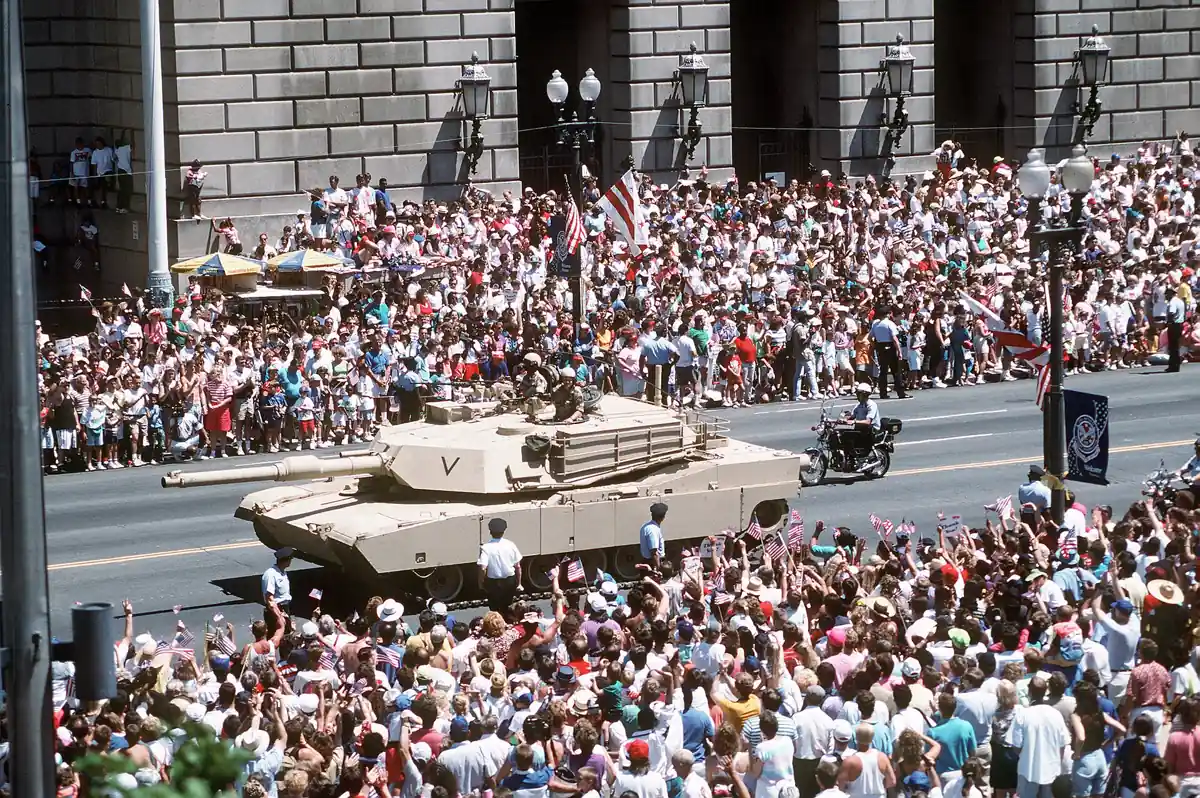
The Grand Parade anchors the documented weekend. The organiser’s form for 2025 places it on Saturday 30 August 2025 at half past ten in the morning, and records the parade as free to enter, with a free will donation accepted. Around the parade, layers document a carnival midway and rides, a demolition derby and headline concerts, with country artist Michael Ray named by radio layers as headliner for the seventy ninth festival in 2023. That concert billing belongs to 2023 specifically and is not presented as a standing feature of every year.
The National Sweetheart Pageant runs through the recent programme, with preliminary and finals stages both appearing in the organiser’s 2026 programme. A calendar layer for 2017 adds a car show, tractor pulls, a flea market and a children’s fishing derby to that year’s picture, recorded as part of the 2017 layer rather than as permanent fixtures. The 2026 programme also lists the Sweetcorn 5K Classic, keeping the published 5K form exactly as printed, alongside a pretty baby contest, bingo and souvenir sales. Each element remains traceable to a particular layer and year.
Planning Your Visit
Timing follows the Labor Day weekend shape described by both the city history layer and the organiser’s programme, running Thursday through Monday. Documented editions show that span in practice, from 31 August to 4 September in 2023, from 29 August to 2 September in 2024, and from 28 August to 1 September in 2025, while the organiser’s own schedule places the 2026 edition from 3 to 7 September. Admission needs careful reading because the layers publish no current gate price, and no older figure should be treated as current. The one dated price comes from a calendar layer for the 2017 edition, which listed three dollars, fenced to that layer and year only. Separate from any gate question, two elements are published as free in their own right, the sweetcorn distribution and entry to the parade, for which a free will donation is accepted instead of a fee.
The venue name is not printed consistently. The organiser places the festival at McFerren Park, at West Penn Street and Route 1, while a media calendar layer prints McFarren Park instead, and the destination listing prints a Main Street address. Those forms stand unresolved as their layers give them.
A Sample Itinerary for the 2025 Shape
This itinerary is built on the documented shape of the 2025 edition, which ran from 28 August to 1 September. Arriving on the Thursday or Friday allows time to learn the park layout, find the carnival midway and decide which pageant stages to prioritise before the full weekend builds.
Saturday carries the parade, timed at half past ten in the morning on 30 August 2025 by the organiser’s form, so the morning belongs to finding a viewing spot before the Grand Parade steps off. The afternoon can hold the free sweetcorn hours and the midway, while the evening suits the pageant programme. Sunday becomes the flexible day for elements missed earlier, before the run closes on the Monday of Labor Day weekend.
Comparing Hoopeston With Mendota
Illinois holds more than one sweet corn festival, and the comparison that matters here is with the Mendota Sweet Corn Festival in Mendota, a separate town in another county with its own long running event. The two share a crop and a state, and very little else in this record, because Hoopeston’s facts come from Hoopeston’s organiser, city and news layers, while Mendota’s event has its own organisers, billing sequence and published claims.
One boundary deserves explicit statement. A newspaper layer covering Mendota’s seventy eighth annual edition in 2025 carries a visitor figure of sixty thousand, belonging to Mendota alone. It is never transferred to Hoopeston here, because borrowing another festival’s claim would misrepresent both events, and Hoopeston’s own record contains no counted attendance figure at all. Other towns’ sweet corn festivals in encyclopedic layers, including Chatham in Illinois and Sun Prairie in Wisconsin, are likewise separate events.
Your Festival Checklist
- Check which published name form a listing uses before assuming it describes a different event
- Confirm the current year’s dates against the organiser’s own programme for that year
- Treat the 2017 three dollar figure as historical only and look for current entry information closer to the visit
- Plan at least one afternoon around the free sweetcorn hours rather than leaving corn to chance
- Arrive early on parade morning if following the documented Saturday parade pattern
- Keep the McFerren Park and McFarren Park spellings in mind when reading different listings
- Leave room across the Thursday to Monday span instead of compressing everything into one day
- Remember that Danville, not Hoopeston, is the county seat when arranging wider county stops
Beyond the Festival Grounds
The organiser’s layer frames the gathering at McFerren Park on West Penn Street at Route 1, ground functioning as the festival’s home across the documented editions. The park name conflict follows the visitor here too, with a calendar layer printing McFarren Park, the layers disagreeing on spelling while agreeing on the Hoopeston setting.
One further venue claim belongs here only to be set aside. A weak encyclopedic mirror layer claims the corn is cooked at a place it calls Cole Titterington Park, recorded as that layer’s claim only, not adopted, and displacing nothing in the organiser’s McFerren Park framing. Beyond the grounds, Hoopeston itself supplies the wider context, a canning and sweetcorn town whose businesses created the festival and whose Jaycees still carry it.
Why This Festival Matters
A destination listing for 2023 says the free sweetcorn is served up to approximately twenty thousand visitors over the course of the weekend, a destination listing claim about the corn service, not a counted attendance total. The organiser’s history speaks of the thousands of visitors expected, an expectation rather than a count. No counted figure exists in the layers read, and the two claims are never blended into a single number.
The pageant gives the festival a second claim to significance. The organiser states that eight contestants from the National Sweetheart Pageant have become Miss America, a claim reflecting the 1952 invitation policy and the use of Miss America circuit judges, credited to the organiser here rather than restated as an independently verified tally.
Frequently Asked Questions
Which name should a visitor search for first?
Begin with National Sweetcorn Festival, the dominant modern form used by the organiser, the destination layer and news layers, but keep Hoopeston Sweetcorn Festival in mind too, since public radio used that original form to bill the 2025 edition and older references rely on it.
What happened to the festival during the war years?
The organiser’s history states that the festival was discontinued during the Second World War and later reorganised under the Hoopeston Jaycees, who assumed sponsorship of both festival and pageant and have continued to the present, which is why claims of an unbroken run from the first edition are not adopted here.
What does the fifty ton figure actually describe?
It describes the sweetcorn itself, because the organiser’s history layer states that approximately fifty tons of sweetcorn are cooked with an antique steam engine and distributed free, and the 2026 programme schedules free sweetcorn hours from noon to four in the afternoon on festival days.
How does the pageant connect to Miss America?
From 1952, on the organiser’s account, the Jaycees invited first runners up from state Miss America pageants and used Miss America circuit judges, and the organiser further claims that eight National Sweetheart contestants have become Miss America, recorded here as the organiser’s own claim.
What to Expect From the Next Vermilion County Illinois Hoopeston Sweetcorn Festival
How often is Vermilion County Illinois Hoopeston Sweetcorn Festival held?
The documented pattern is a single Labor Day weekend gathering each year in the layers read, running Thursday through Monday, with editions documented across 2023, 2024 and 2025 and the organiser’s schedule carrying the sequence forward into 2026.
When is the next Vermilion County Illinois Hoopeston Sweetcorn Festival?
The organiser’s own eighty second festival schedule documents the 2026 edition for 3 to 7 September, following the same Thursday to Monday Labor Day weekend shape as the three editions documented before it in 2023, 2024 and 2025.
Will the dates change?
Within the documented record the Thursday to Monday Labor Day weekend placement has held across four successive editions from 2023 through the scheduled 2026 run, although the exact calendar dates shift each year because the holiday itself moves, so checking the organiser’s programme for the specific year remains the reliable course.
Closing Notes
Hoopeston’s sweetcorn festival survives in its record as two things at once, a small town harvest promotion started by local businessmen and a national named pageant festival rebuilt by the Jaycees after a wartime break. Holding the organiser’s 1938 account and the city’s 1940 framing side by side, without forcing them to agree, respects how the town has told the story in different places. What is certain in every layer is the corn, cooked by steam and given away in quantities measured in tons, and a town still organising its Labor Day weekend around it.