Colbert County Alabama Helen Keller Festival
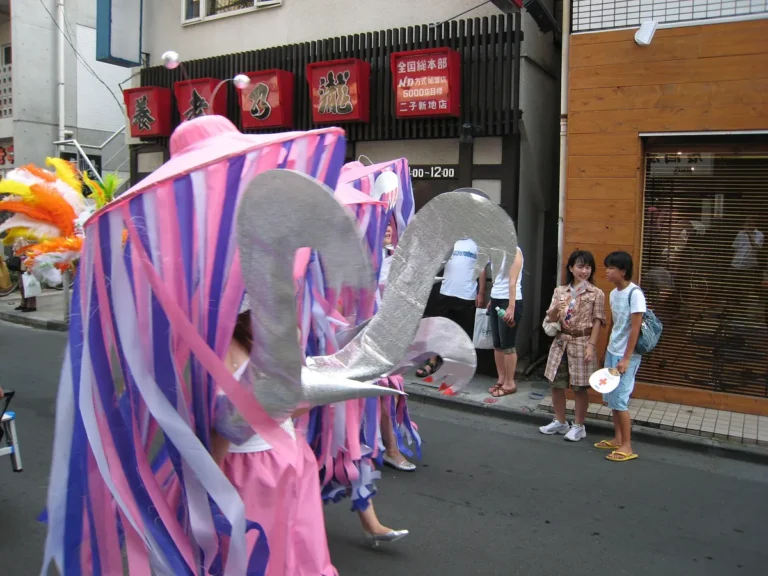
Every June, the seat of Colbert County turns its attention toward the most famous daughter it ever produced. The Helen Keller Festival fills Spring Park and the historic downtown streets of Tuscumbia with a parade, main-stage music, market stalls and children’s activities, all arranged as a public tribute to a woman born in this town in 1880 who reshaped how the world thinks about blindness and deafness. Visitors who may know Keller only from schoolbooks get to stand in the town that shaped her earliest years.
The celebration works because it refuses to treat its subject as a statue. Keller’s story is told here through noise and appetite as much as through reverence: food trucks line up near the park, bands take the stage, and children move between activity stations built around imagination and play. It is part homecoming, part summer fair and part history lesson delivered at festival volume.
About the Festival
The festival is an annual four-day event held in Tuscumbia, the county seat of Colbert County in northwest Alabama. Its twin settings give it an unusual shape. Historic downtown hosts the opening parade and street party, while Spring Park carries the bulk of the weekend programme with its Marketplace, main-stage performances and the Imagination Station and Keller Kids activities for younger visitors.
Governance of the event appears under several names in print, and those forms are recorded here exactly as they were published rather than merged into one. The festival’s own website names the Helen Keller Festival Board and notes that the festival operates as a 501(c) 3 organisation. Coverage in the Colbert County Reporter in February 2026 referred instead to a Helen Keller Fest executive board and to a Keller Fest committee. Ashley Burnell, the man at the top of the organisation, was styled Festival Chairman in 2025 reports and Keller Fest Chair in 2026 reports.
Admission policy has its own history. The festival was once free to attend, and Burnell told a council meeting, in remarks reported in February 2026, that several years ago the board implemented a five-dollar fee. Recent editions therefore charge at the gate on their busiest days while keeping some days or age groups free, a compromise between the event’s open-door origins and the cost of staging four days of programming.
For a useful comparison, see the Coffee County Alabama Thunder in the Pines Powwow Festival for another county festival.
Quick Facts
| Item | Detail |
| Festival name | Helen Keller Festival |
| Host town | Tuscumbia, county seat of Colbert County |
| Main venue | Spring Park and historic downtown Tuscumbia |
| Park address | 1 Spring Park Rd, Tuscumbia (tourism calendar listing) |
| 2026 dates | June 25–28, billed as the 48th annual |
| Opening event | Helen Keller Festival Parade, Thursday evening |
| 2026 headliner | Fuel, performing June 27 |
| Gate charge | Five dollars on Friday and Saturday in 2025; children 10 and under free |
| Organiser | Helen Keller Festival Board (festival website form) |
| Honouree | Helen Keller, born at Ivy Green, Tuscumbia, June 27, 1880 |
History
Two strands of evidence describe how this festival began, and an honest account keeps them apart. The first is a plain statement of origin: a festival history published by the Alabama Farmers Federation records that the festival began in 1979 as a tribute to Helen Keller and the achievements of this remarkable woman. That sentence stands on its own authority, and nothing in this article is calculated from it.
The second strand is the run of annual billings attached to recent editions. A souvenir programme billed the 2021 gathering, held June 24–27, as the 42nd Annual. A tourism feature described the 2024 edition, held June 27–30, as the 46th annual. The Colbert County Reporter covered the 2025 festival, held June 26–29, as the event’s 47th year. For 2026, the festival’s own website announced preparations for the 48th annual Helen Keller Festival, set for June 25–28, and the Reporter carried the same billing. These numbers are reproduced exactly as billed; no founding year is derived from them, and they are not reverse-engineered into a start date.
What the layers do show, read together, is continuity. Through the early 2020s the festival kept its late-June slot, its four-day span and its two-part geography of downtown and park. The 2019 edition, described in a release from the Alabama Mountain Lakes Tourist Association, already had the familiar skeleton: a parade, a car and truck show, live music, arts and crafts and sporting activities, with most activities in Spring Park. That year’s hours ran Thursday 6 to 10 p.m., Friday 12 to 10 p.m., Saturday 9 a.m. to 10 p.m. and Sunday 4 to 10 p.m. Later editions rearranged the emphasis, but the bones of the 2019 event would still be recognisable in 2026.
What to Expect
The 2026 edition opened on Thursday evening, June 25, with the Helen Keller Festival Parade rolling through downtown Tuscumbia. Once the parade passed, the celebration continued as a free street party with live music and food trucks, giving the first night a block-party character quite different from the ticketed park days that followed.
From Friday through Sunday, Spring Park became the hub. The Marketplace gathered vendors in one area, the main stage carried the music programme, and the Imagination Station and Keller Kids activities gave children their own territory within the grounds. The headline booking for 2026 was Fuel, the rock band, scheduled to play on Saturday, June 27, the festival’s peak day. Around those anchors, visitors could expect the pleasures of a Southern summer festival at small-city scale: shade trees, lawn seating, local food and craft stalls.
Earlier editions suggest the range of side programming a future visitor might meet. The 2019 festival folded a car and truck show and sporting activities into the weekend alongside arts and crafts, and its Sunday hours began in the late afternoon, a gentler closing rhythm than the full-throttle Saturday. Anyone planning around a specific act should treat each year’s programme as its own document, because the board adjusts the mix annually.
One nearby event deserves a clear boundary line. The Miracle Worker, the play about Keller’s childhood, is staged at Ivy Green, the Helen Keller Birthplace at 300 North Commons Street West in Tuscumbia, and produced by the Helen Keller Foundation, Inc., a separate organisation from the festival board. Its 2026 performances fell on June 12, 13, 19, 20, 25, 26 and 27 and on July 10, 11, 16, 17 and 18, with gates at 7 p.m. and performances at 8 p.m.; reserved seating cost twenty dollars and general admission fifteen dollars. Attending both makes a fine night, but the play is not part of the festival and its prices have nothing to do with the festival gate.
Planning Your Visit
Pick your days according to what you want from the weekend, because the four days do not cost the same or feel the same. Thursday’s parade and street party were free in the 2026 pattern and carry the loosest atmosphere. Friday and Saturday are the full festival days in the park, and recent editions charged five dollars at the gate on those days, with children aged 10 and under admitted free in 2025. In 2021 admission was free on Thursday and Sunday, with the five-dollar charge applying after 4:00 p.m. on Friday and after 12 p.m. on Saturday, though each year’s gate policy is set fresh and should be confirmed before you travel.
Arrive early for the parade on Thursday: downtown Tuscumbia is compact, and the crowd gathers well before the first units roll. On park days, the Marketplace and children’s areas reward a morning start, while the main-stage music builds toward the evening, so a family with young children might split the day, resting through the worst heat and returning for the headline set.
Bring cash for the gate and small purchases, since community festivals often run their entrances on simple systems. Alabama in late June is hot and humid; water, sunscreen and a hat are not optional extras. If the play at Ivy Green is on your list, book it as its own outing and note its 8 p.m. curtain.
A Sample Day at the Festival
A workable Saturday begins with a slow morning in the park, walking the Marketplace rows before the crowds thicken and letting children burn off energy around the Imagination Station while the air is still tolerable. Late morning suits a browse through the craft and food stalls and a first pass at the main stage.
By early afternoon, retreat is a legitimate strategy: find lunch, find air conditioning, and let the smallest travellers nap. Return as the light softens and settle onto the grass in good time for the headline performance, which in 2026 meant Fuel on the Saturday night.
How This Festival Differs From a County Fair
A county fair is judged: livestock weighed, preserves ribboned, quilts scored. This festival is organised around a person instead. Its foreground belongs to commemoration and performance, and that changes the texture of a day on the grounds. The children’s programming is not a midway afterthought but a named part of the mission, framed around imagination because Keller’s turnaround began when a teacher reached her mind at a water pump in Tuscumbia.
The geography differs too. A fair usually lives behind one fence on one fairground. This event splits itself between a working downtown, where the parade and street party take over real streets, and a municipal park that resumes ordinary life on Monday. Even the money tells the story: a modest five-dollar gate on peak days, free entry for young children and a free opening night read less like fairground pricing and more like a town underwriting its own celebration.
Your Festival Checklist
- Confirm this year’s dates and gate policy before booking travel
- Decide which days you want, since Thursday and Sunday have run free in recent patterns
- Carry cash for the five-dollar gate and small vendor purchases
- Pack sunscreen, a hat and more water than you think you need
- Arrive early on Thursday to hold a spot along the parade route
- Book Miracle Worker tickets separately if the play is on your list
- Plan a midday break on Saturday to escape the heat
- Give children time at the Imagination Station and Keller Kids activities
Beyond the Festival Grounds
Tuscumbia rewards the visitor who lingers. Ivy Green, where Keller was born on June 27, 1880, anchors the town’s claim on her story, and its grounds carry the pump where her teacher, Anne Sullivan, first spelled words into her hand. The birthplace also hosts the separate Miracle Worker production described earlier, so a traveller can pair a daytime visit to the house with an evening performance.
The downtown streets that host the parade are worth a daytime walk in their own right, with the courthouse square and historic storefronts giving the festival’s opening night its backdrop. Spring Park itself, listed at 1 Spring Park Rd in tourism calendars, is a destination beyond festival week, the sort of civic green where the town’s ordinary weekends unfold.
Why This Celebration Matters to Tuscumbia
Many towns borrow a famous name for a festival; Tuscumbia’s claim is literal. Keller was born here and learned her first word here. An annual celebration in her name does practical work for a small county seat: it fills hotel rooms and restaurant tables, gives local vendors and performers a reliable late-June stage, and hands residents a shared ritual that renews itself each summer.
It also does quieter work. A festival that puts an Imagination Station in the middle of a park is making an argument about what Keller’s life means now: that her legacy is a standing invitation to take children’s minds seriously. When the board moved from free admission to a five-dollar fee, the council coverage showed a community negotiating in public how to keep that invitation open while paying for the stage it is issued from. That negotiation, repeated across decades of Junes, is the real institution here.
Frequently Asked Questions
Which days carry a gate charge, and which days can I attend without paying?
Recent patterns put the charge on the busiest park days. In 2025 the gate was five dollars on Friday and Saturday, with children aged 10 and under free. In 2021, Thursday and Sunday were free and the charge applied after set times on Friday and Saturday, while the 2026 opening street party downtown was free. Policies are reset each year, so treat the pattern as a guide rather than a promise.
What happens on the Thursday evening that opens the festival?
Thursday belongs downtown. The Helen Keller Festival Parade moves through the historic streets first, and a free street party with live music and food trucks follows it. The park-centred programme runs Friday through Sunday in Spring Park.
Is the play staged at Ivy Green part of this festival?
No. The Miracle Worker is produced by the Helen Keller Foundation, Inc. at the Helen Keller Birthplace, 300 North Commons Street West, and runs on its own dates and ticketing: in 2026, reserved seating was twenty dollars and general admission fifteen dollars, with performances at 8 p.m. It complements the festival but is a separate event run by a separate organisation.
Who runs the festival, and why do reports give the organisers different names?
The festival’s own website credits the Helen Keller Festival Board and describes the festival as a 501(c) 3 organisation, while February 2026 coverage in the Colbert County Reporter referred to a Helen Keller Fest executive board and a Keller Fest committee. Its chairman, Ashley Burnell, appears as Festival Chairman in 2025 reports and Keller Fest Chair in 2026 reports. The names differ because sources use them loosely from year to year.
What to Expect From the Next Colbert County Alabama Helen Keller Festival
How often is Colbert County Alabama Helen Keller Festival held?
The celebration recurs every summer in late June, keeping the four-day shape recent editions have followed from Thursday through Sunday. Billings have advanced one number at a time, from the 42nd Annual in 2021 through the 48th annual in 2026, so a further edition in the same slot is the reasonable expectation.
When is the next Colbert County Alabama Helen Keller Festival?
Following the 2026 edition on June 25–28, the next gathering should land in late June of the following year, again split between downtown Tuscumbia and Spring Park. Exact dates are announced by the organisers in their own time, and February council coverage has been an early place where the coming season’s plans surface.
Will the dates change?
The late-June placement has been steady across every recent layer, from 2021 through 2026, always beginning on a Thursday and closing on a Sunday. Small shifts of a day or two within that window happen as calendars turn, but a move away from late June would break a long-held pattern, so travellers can plan around that window with reasonable confidence.
For a small city, Tuscumbia keeps an unusually large promise each summer: that the story which began at a pump in its soil is worth four days of music, parades and children’s laughter, renewed in public. Come ready to be part of the renewal rather than a spectator at a monument, because that is how the town itself treats it.