Essex County New Jersey 4-H Fair Festival
Essex County’s 4-H fair is not the fair its name first brings to mind. There are no fairgrounds here, no midway, no grandstand and no livestock barns. What Essex County has instead is a judging table: a one-day fall showcase called the 4-H Fall Fair and Gardeners Contest, held at the Essex County Environmental Center in Roseland on a Sunday in mid-September, inside the nature centre’s own Annual Fall Family Festival. Two disambiguations belong up front. The large agricultural fair held in Topsfield belongs to Essex County, Massachusetts, and has nothing to do with this event. And Newark, although it is Essex County’s seat, does not host this fair; the fair sits across the county in Roseland, in the West Essex parklands on the Passaic River. What happens there is small and distinctive: an urban 4-H programme opens its project judging to every resident, adults included, and every entry comes home with a ribbon and a judge’s written notes.
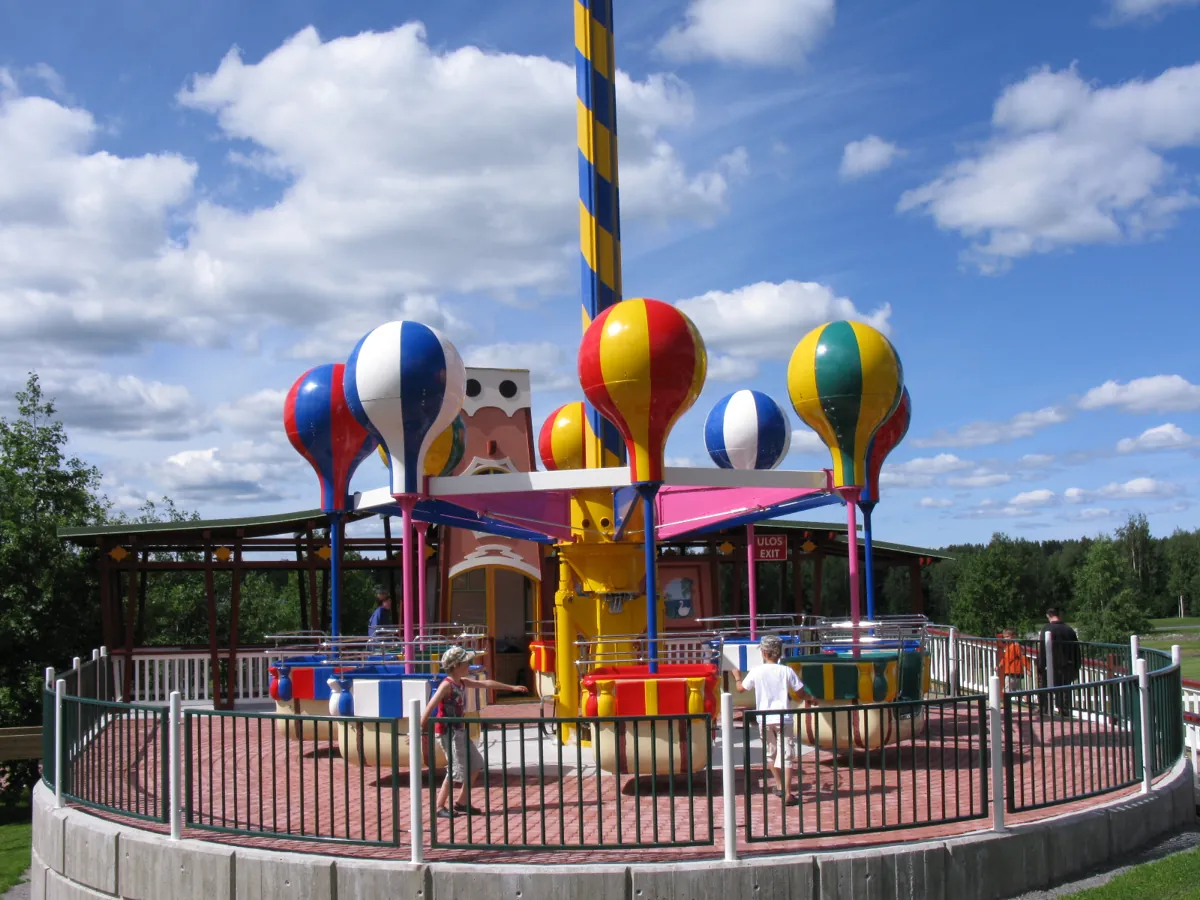
A Judging Day at a Nature Centre
The event travels under three published names, recorded here as one showcase rather than merged into a tidier title. The Environmental Center’s own fall brochure calls it the 4-H Fall Fair and Gardeners Contest. The state 4-H calendar lists an Essex County 4-H Fall Fair. Fair guides carry the same day as the Essex County 4-H Fall Harvest Showcase. Three labels, one Sunday.
The responsibilities are likewise divided, and none of the bodies involved is a fair association, because none exists. Rutgers Cooperative Extension of Essex County runs the fair; Essex 4-H is administered jointly with its neighbour as Rutgers 4-H of Essex and Hudson County, which tells you most of what you need to know about its urban character. The Essex County Environmental Center, part of the county parks system, hosts the showcase inside its Fall Family Festival. In the fair-guide layer, the Essex County 4-H Leaders Association sponsors the cash prizes. The venue itself is a nature centre set in the county’s West Essex parklands along the Passaic River, never styled as fairgrounds in any layer of the record, because it is not fairgrounds: it is a place devoted to environmental education, borrowed for one autumn Sunday by the county’s gardeners.
Quick Facts
| Item | Detail |
| Published name forms | 4-H Fall Fair and Gardeners Contest; Essex County 4-H Fall Fair; Essex County 4-H Fall Harvest Showcase |
| Event type | One-day judged project showcase held inside a county festival |
| Venue | Essex County Environmental Center, a nature centre in the West Essex parklands |
| Address | 621 Eagle Rock Avenue, Roseland |
| Host town | Roseland |
| County seat | Newark, which does not host the fair |
| Run by | Rutgers Cooperative Extension of Essex County, hosted by the Environmental Center |
| Season | Mid-September, with the public showcase on a Sunday |
| Admission | Free, in the festival brochure’s own words |
| Camping | None |
A History the Record Honestly Leaves Blank
Most county fairs arrive with a founding year, and many arrive with several competing ones. This fair arrives with none. No founding year, no edition number and no anniversary billing appears in any layer of its record, and this article invents none of them. That absence is not a gap in the research; it is a fact about the event. The Essex fair has never been billed as an institution with a birthday. It is presented, year to year, as a working part of a 4-H programme: the day the programme’s project work is judged in public, nothing more and nothing older claimed.
The honest history is therefore the programme’s own shape. Essex 4-H serves one of the most densely built counties in New Jersey, administered jointly with Hudson County, and its project life runs through gardens, kitchens and club rooms rather than barns and pastures. The fall fair is where that work surfaces. Gardeners who have grown through the season, cooks with preserved and baked entries, and makers with craft projects bring their work to the Environmental Center on the Friday and Saturday, judges assess it, and on Sunday the county can walk the tables. A fair whose history is a rhythm rather than a date is unusual: entries in, ribbons on, notes written, four hours, done until next September.
For a useful comparison, see the Cumberland County New Jersey Cooperative Fair Festival for another county festival.
What to Expect
Five Divisions of Fall Work
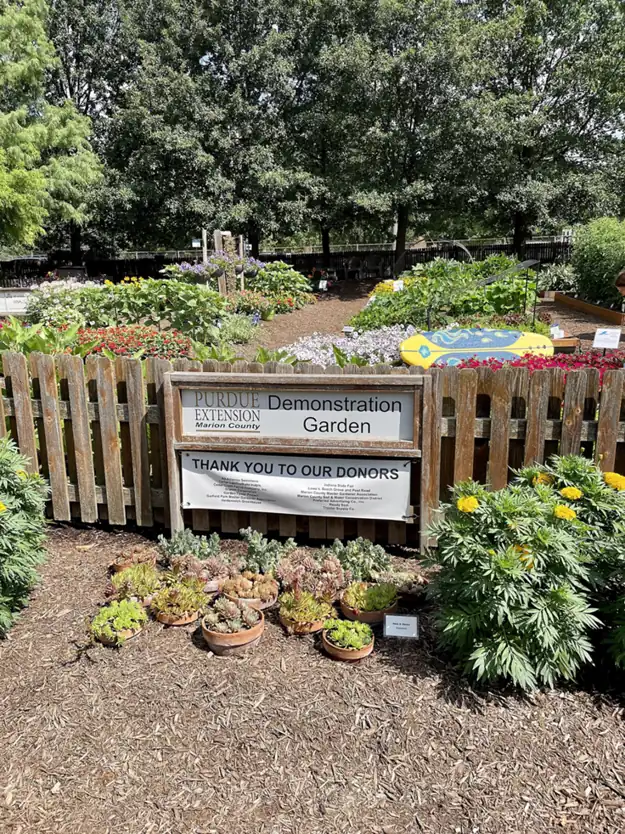
The fair’s substance is its entry table. Entries are open to all residents of the county, youth and adults alike, which already separates this fair from a members-only exhibition. The published divisions are fall divisions: Fruits, Vegetables and Herbs; Outdoor Gardening; Food and Nutrition; and Arts and Crafts, all framed by the gardeners contest that gives the event half its name. Expect the tables to carry the season’s evidence: the best of the tomato and squash crop, herb and garden produce, jars and baked goods, and the year’s handwork. This is a harvest reckoning for a county better known for its cities, and that contrast is the fair’s whole point.
Danish Judging, Where Every Entry Is Answered
The judging runs on the Danish system, and the system is the fair’s signature. Under Danish judging, an entry is measured against a standard rather than ranked against its neighbours and discarded down the order. Every submission receives a ribbon, and every submission receives judge notes: written feedback the exhibitor takes home. The top of the table is still recognised, with cash prizes for Best in Class and Best in Division, so excellence is rewarded without turning the day into a contest most entrants lose. For a first-time gardener, the notes matter more than the ribbon; the fair is built so that entering it teaches something, win or not.
The Workshop That Feeds the Contest
The one fair-side workshop in the published record is the 4-H Crazy Critters session, held on the Friday evening of fair weekend at drop-off time, and its purpose is practical: it feeds entries into the Gardeners Contest. That detail captures the event’s character. The fair does not merely receive finished work; it makes a last piece of work on the Friday, with the judging tables waiting.
The Festival Around the Fair
The showcase sits inside the Essex County Environmental Center’s Annual Fall Family Festival, and the festival’s programme belongs to the festival, not to the fair. Around the judging tables, the festival day offers hands-on nature games and crafts, naturalist-led walks, live butterflies and animals, canoeing, demonstrations of Native American life, a pumpkin patch, a petting zoo and food. Visitors get both layers for one trip: quiet tables indoors and an outdoor programme around them. The two should not be confused. The petting zoo is not a livestock show, and the nature walks are not fair programme; they are the host’s own celebration, running alongside the judging.
Planning Your Visit
Entering Something of Your Own
Because entries are open to every resident, planning can mean exhibiting, not just attending. The published pattern runs across three days: project drop-off on the Friday afternoon and again on the Saturday afternoon, judging after the entries close, and the public showcase on the Sunday. If you intend to enter, those two windows are your deadlines, and the entry belongs at the Environmental Center, 621 Eagle Rock Avenue, Roseland, on one of those afternoons. Decide your division before you arrive: produce under Fruits, Vegetables and Herbs, the garden under Outdoor Gardening, preserves and baking under Food and Nutrition, handwork under Arts and Crafts.
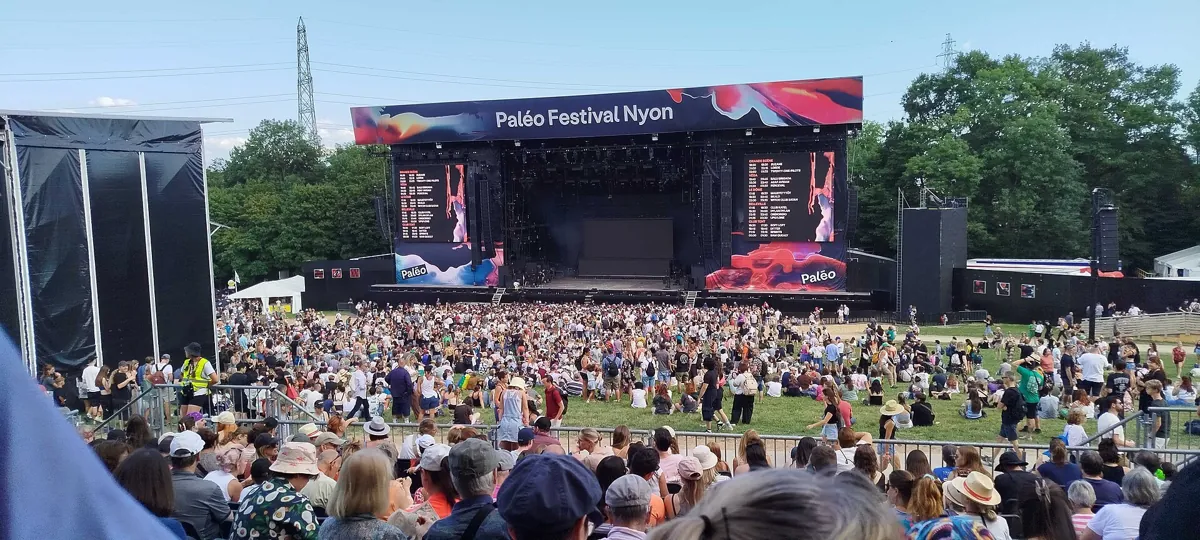
The Sunday Showcase Window
The public part of the fair is short, and planning should respect its brevity. The showcase runs for four hours on the Sunday, from eleven in the morning to three in the afternoon, inside the festival day. There is no second day and no evening session; a visitor who arrives at half past two sees the tail of it. The mid-September Sunday pattern held in the most recent published years, with the following Sunday held as the rain date in the current brochure layer, so checking that brochure before setting out is the one essential preparation. The event is free: the brochure bills it as a free event, noting only that some items may be for sale, and no admission or parking price appears anywhere in the record.
A Four-Hour Sunday, Planned
A workable shape for the day looks like this. Arrive a little before eleven and go to the judging tables first, while the ribbons and notes are fresh; the tables reward slow reading, because the judge notes are half the exhibit. Give the divisions an hour, with the produce tables as the centrepiece. Then step outside into the festival: a naturalist-led walk or the canoeing before the middle of the day, the pumpkin patch and petting zoo with children while energy is high, and food when the stalls suit. Come back indoors before three for a last pass at the Best in Class and Best in Division entries, which read differently once you have seen the whole field.
How This Fair Compares
Set beside a conventional county fair, the Essex showcase is a study in subtraction. A conventional fair spreads across fairgrounds for most of a week, charges at a gate, and divides its attention among livestock, a midway, grandstand shows and exhibit halls. Essex offers four hours, no gate charge, one building’s worth of judged tables and a festival it does not own. Set beside the Fall Family Festival that hosts it, the relationship reverses: the festival supplies the crowds and the outdoor programme, while the fair supplies the one element the festival would otherwise lack, a judged competition with ribbons, standards and prizes. Neither half substitutes for the other. It is a judging day with a festival wrapped around it, in that order.
Before You Go
- Confirm the showcase Sunday in the Environmental Center’s fall brochure before travelling, since the date is set year by year.
- Arrive near the eleven o’clock opening; the public showcase lasts only four hours.
- If you are entering, deliver your project at the Friday or Saturday afternoon drop-off, not on the Sunday.
- Choose your division before you arrive: produce, outdoor gardening, food and nutrition, or arts and crafts.
- Bring money only for items that may be for sale; admission itself is free.
- Allow time for the surrounding festival’s walks and river-side grounds as well as the tables.
- Do not navigate to Newark; the fair is in Roseland, at 621 Eagle Rock Avenue.
- Expect no camping, no midway and no grandstand; plan a half-day outing.
Beyond the Festival Grounds
The venue rewards the wider trip. The Environmental Center sits in the county’s West Essex parklands on the Passaic River, so the grounds themselves, with their riverbank setting and wooded parkland, extend the visit beyond the judging tables without leaving the site. Roseland and its West Essex neighbours keep the day in a greener register than the county’s urban east suggests. Newark, the county seat, lies across the county and makes a separate trip rather than a stop on this one; nothing about the fair requires it. The sensible shape of the outing is Roseland itself: the showcase, the festival grounds and the river parkland, taken slowly in a single autumn half-day.
Why a Small Judging Day Carries Weight
The significance of this fair is easy to miss precisely because it refuses scale. In a county where 4-H work happens in gardens, schoolyards, kitchens and community rooms, the fall showcase is the one day that work becomes public: judged against a standard, answered in writing, and pinned with a ribbon whatever the result. The Danish system is the ethics of the thing: it tells a first-time exhibitor that entering means honest assessment and advice, and experienced gardeners that their best work will still be recognised at the top of the table. Open entry widens that promise to every resident, adults included, which makes the fair a county habit rather than a youth ceremony: grow something, make something, bring it to Roseland in September, and let the judges say what it is worth.
Frequently Asked Questions
Is this the same event as the big Essex County fair in Massachusetts?
No. The well-known fair at Topsfield belongs to Essex County, Massachusetts, and none of its grounds, dates or programme touches New Jersey’s event. The New Jersey fair is a one-day judged showcase at the Environmental Center in Roseland, inside that centre’s Fall Family Festival.
Why is the fair not held in Newark, the county seat?
Because the fair belongs to the programme that runs it rather than to the county seat. Rutgers Cooperative Extension of Essex County runs the fair and the Environmental Center in Roseland hosts it, so the showcase sits in the West Essex parklands where the Center stands. Newark holds the county government; Roseland holds the tables.
Who may enter, and what does entering involve?
Any resident of the county may enter, adults as well as youth, which is one of the fair’s defining features. Entries are dropped off at the Environmental Center on the Friday and Saturday afternoons of fair weekend, are judged on the Danish system, and are then displayed at the Sunday showcase. Every entry receives a ribbon and judge notes; Best in Class and Best in Division entries receive cash prizes.
Is there a charge to get in?
No. The showcase is part of a festival its own brochure bills as a free event, noting only that some items may be for sale. No admission charge and no parking price appears in any layer of the record, and none should be expected at the door.
What to Expect From the Next Essex County New Jersey 4-H Fair Festival
How often is the Essex County New Jersey 4-H Fair Festival held?
It is held once a year, in the fall. The documented pattern is a single public showcase day in mid-September, preceded by two afternoons of project drop-off, with the judging completed before the doors open.
When is the next Essex County New Jersey 4-H Fair Festival?
The next showcase is expected on a Sunday in mid-September, from eleven in the morning to three in the afternoon, inside the Environmental Center’s Annual Fall Family Festival at Roseland. The Center’s fall brochure fixes the exact Sunday each year, and it is the document to check before making the trip.
Will the dates change?
The day has held its mid-September Sunday pattern across the most recent published years, with a rain date held in reserve in the current layer, so the season is stable even though the precise Sunday is set annually. A shift within September would surprise nobody; a move out of the fall would contradict the event’s whole design.
The Essex County 4-H fair asks little of its visitors: one Sunday, four hours, no ticket. What it offers in return is rarer than a bigger fair’s abundance: a room full of a county’s patient work, every piece judged, ribboned and answered in writing. In a state where county fairs compete on scale, Essex County’s answer is a judging table at a nature centre, and on its own terms the answer is complete.