Sarpy County Nebraska Fair Festival
The Sarpy County Fair belongs to Springfield, and that single fact sorts out most of the confusion surrounding it. Listings written for the wider Omaha metro often pull the fair toward Papillion, because Papillion is the county seat and a place where many visitors sleep, eat and do business. The fair’s own record points somewhere else entirely. Its grounds, its society address and its published schedule all sit in Springfield, a smaller community that hosts one of the metro area’s largest county fairs for five public days at the turn of July into August.
The documented week stacks livestock judging, a carnival, parades on Main Street, threshing and milling demonstrations, and ticketed arena nights including rodeos, bull riding, pulling, Figure 8 racing and a closing demolition derby. Reading it correctly means keeping each part in its place: Springfield as the home, Papillion as the seat, and prices attached only to the items the fair itself prices.
About a Metro Fair With a Small-Town Address
The published name is the Sarpy County Fair, and the body behind it appears in two documented forms that should not be collapsed into one invented label. One form appears in the society’s own meeting heading as the Sarpy County Agriculture Society, spelled that way in its agenda. The other appears in its nonprofit record as Sarpy County Agricultural Society Inc, Sarpy County Fair Board, carrying the Springfield address. Both forms are recorded exactly as each source prints them.
The society is no distant owner. Its agenda for February 2026, held at the fairgrounds, included approval of that year’s fair contracts, and its April 2026 minutes dealt with practical staffing, including ticket takers and ticket writers. A local society negotiates the acts and answers for the grounds long before the first animal is unloaded.
Nebraska Extension’s Douglas-Sarpy unit runs the 4-H side for two counties together. A shared Extension unit is administrative machinery, not a shared fair: the Douglas County Fair is a separate event, and nothing from it belongs here. The rodeo producer, pulling organisations and chainsaw carving act are booked parts of the week, never the organiser.
For a useful comparison, see the Saline County Nebraska Fair Festival for another county festival.
Quick Facts
| Item | Documented record |
| Published name | Sarpy County Fair |
| Fair town | Springfield, Nebraska |
| County seat | Papillion, which does not host the fair |
| Grounds | Sarpy County Fair Grounds, 100 Main Street, Springfield |
| Running body, agenda form | Sarpy County Agriculture Society |
| Running body, nonprofit form | Sarpy County Agricultural Society Inc, Sarpy County Fair Board |
| Public season | Late July into early August, Wednesday through Sunday |
| Documented 2026 public run | Wednesday, July 29 to Sunday, August 2, preceded by entry days |
| General admission | Not stated in the fair’s own published pages; see Planning |
| Priced items in the fair’s own schedule | Carnival wristbands at thirty dollars per session and pony rides at five dollars |
A History Told in Billings, Not Birthdays
This fair’s past reaches visitors mainly through its own billing language, and the honest way to handle that language is to leave it as billing. The fair’s About wording says it has brought a fun-filled event to the county for more than eighty years. Promotional copy attached to the 2026 edition calls that edition the eighty-ninth annual fair. Those statements sit in different records and cannot be reconciled into a founding year.
No founding year is therefore claimed here. Counting backwards from either billing produces no documented first fair. A magazine feature once billed the fair at seventy-five years for its own year, adding a third dated layer rather than a solution.
Recent listings carried the fair at Springfield in successive summers, always in the same seasonal window, with the run shifting by a few days between editions. The society’s 2026 paperwork shows the same organisation still contracting acts and meeting at the grounds. That documented present is firmer ground than any anniversary number.
What to Expect During Fair Week
Entry Days Before the Gates Feel Public
The schedule begins before most visitors arrive. Monday is given over to preparation, including online registration for mutton bustin. Tuesday is an entry day, when 4-H exhibits are brought in, interview judging takes place and open class entries are received. Wednesday can therefore open at full speed, with halls and barns already filled.
Wednesday mixes the exhibition core with the first big night. Rabbit and poultry shows start the livestock sequence, opening ceremonies are held at the Kersten Memorial, and a fashion show puts clothing work before an audience. By evening the carnival is running, a Night of Music brings three bands to the stage, and the first rodeo fills the arena.
Arena Nights That Need Tickets
The fair’s schedule marks its headline arena events with an asterisk and explains that a ticket is required to view them. That system covers the rodeos, the extreme bull riding, the truck and tractor pulls, the Figure 8 racing and the demolition derby. Advance tickets are sold through the fair’s own channels and at the fair office, and the schedule warns that all ticket sales are final. What the fetched schedule does not publish is the amount for any of those tickets, so no figure for them can be stated here.
Wednesday’s rodeo is a Mid-States Rodeo at eight in the evening, with a wild cow milking contest and the Parade of Champions worked into the same night. Thursday pairs an open truck and tractor pull with extreme bull riding at eight, and the schedule notes that watching the mutton bustin that evening requires the bull riding ticket. Friday brings a second Mid-States Rodeo, Saturday’s late programme includes Figure 8 racing at six, and Sunday closes the arena calendar with a demolition derby at six.
Livestock, Exhibits and Daytime Grounds
Daytime belongs to the exhibitors. Thursday is built around swine, sheep and meat goat shows. Friday moves to dairy goats, bucket calves and beef cattle, with chainsaw carving and a pie auction run by the 4-H Council. Saturday adds the premium auction, where buyers support young exhibitors directly.
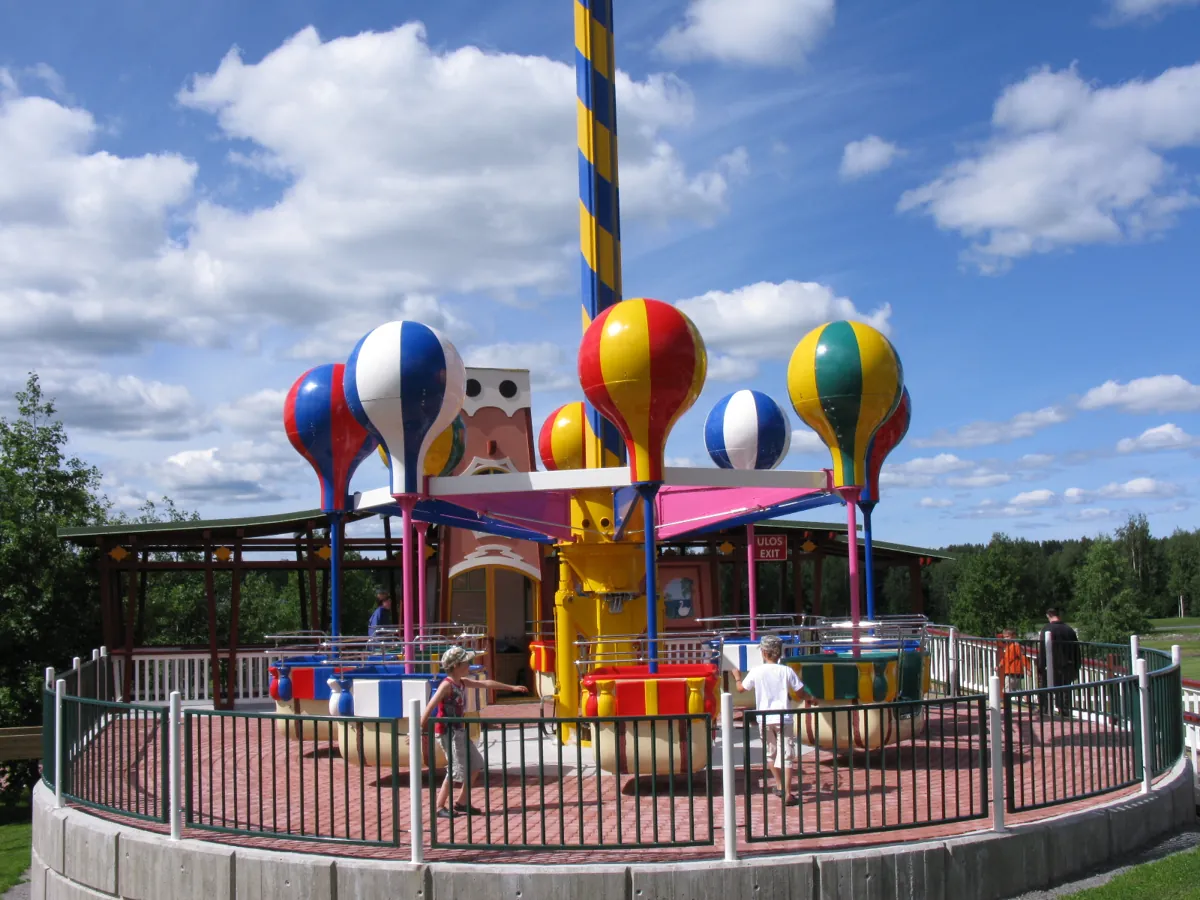
Between shows, the carnival runs across the week, with unlimited-ride wristbands at thirty dollars for a session and no advance wristband sales. Pony rides are five dollars. Threshing, saw mill and grist mill demonstrations occupy the North Lot, Farmer Phil and Wildlife Encounters appear as grounds entertainment, an exhibit honouring the Tomb of the Unknown Soldier gives the week a quieter stop, and a nightly beer garden serves adults after the shows.
A Saturday Built Around Two Parades
Saturday morning takes over Main Street. The Kiddie Parade steps off first, at half past nine, checking in near the corner of Second and Main, and the Grand Parade follows at ten. For a fair whose address is Main Street, the parades put the event in front of the storefronts and homes of the community that runs it.
Sunday then changes the tone. A church service opens the final day, percussion performers bring street music to the grounds, a pedal pull gives younger children their own contest, and the mill demonstrations run again before the demolition derby ends the fair in the evening.
Planning Your Visit
Getting the Town Right First
Set your destination for Springfield, not Papillion. Papillion is where the county government sits and where metro lodging copy often points, and a traveller who follows seat-town assumptions will start the day in the wrong place. The fairgrounds stand at 100 Main Street in Springfield, and the parades use that same street, so arriving in the host town puts both within the same few blocks.
Crowds build quickly for the evening arena programme. Arriving during the afternoon shows gives time to learn the layout of the pavilion, vendor building and arena before the ticketed night begins. Saturday deserves an earlier start still, since the parades reward anyone in town before the Kiddie Parade forms up.
What the Fair Itself Prices, and What It Does Not
General admission is the point on which this fair is most often misreported. The fair’s own fetched pages make no gate statement, so admission must be treated as unpublished rather than free. Promotional repost copy elsewhere describes the 2026 fair as offering free admission with select events ticketed, and the fair’s own About page promises free entertainment, but entertainment is not admission, and a repost is not the fair’s own price record. Expect the asterisked arena events to require paid tickets, and confirm any gate arrangement with the fair close to the date.
The prices the fair does publish belong to specific items. Carnival wristbands are thirty dollars for unlimited rides within a session. Pony rides are five dollars. No parking price and no camping terms appear in the fair’s own record, and neither can be filled in from other fairs. Searches for camping under this town’s name are especially treacherous, because Springfield, Illinois, and its state fair campground dominate the results for a completely different fair in another state.
A Sample Day at the Fair
Begin Saturday along Main Street before half past nine for the Kiddie Parade, then follow the Grand Parade at ten. Spend the late morning in the livestock pavilion, take lunch from the food stands, cross to the exhibit buildings for open class and 4-H static work, and watch the chainsaw carving in the afternoon. Stay for the premium auction, eat an early supper, and be in place well before Figure 8 racing starts at six.
How This Fair Compares
The closest comparison is the most misleading one. The Douglas County Fair shares an Extension unit and a newsletter with Sarpy County, yet it is a separate fair with its own grounds and week. Treating the two as one metro fair erases the distinction that defines this event.
Against smaller rural fairs, Sarpy stands out for density. Many county fairs manage one rodeo or pulling night in a weekend; this week carries two Mid-States Rodeo performances plus a further rodeo night in its Saturday column, bull riding, pulling, Figure 8 racing and a demolition derby in five public days. Against larger events, its difference is ownership: a society-run fair where the parade route and the grounds share the same road.
Fair Week Checklist
- Confirm Springfield, not Papillion, in your directions before leaving home.
- Treat general admission as unpublished and check the fair’s own channels near the date.
- Buy tickets in advance for any asterisked arena event you plan to watch.
- Remember that every ticket sale is final under the fair’s published terms.
- Budget thirty dollars per carnival wristband session if rides are part of the plan.
- Arrive on Saturday before half past nine to catch both parades on Main Street.
- Allow an afternoon hour for the exhibit buildings and the livestock pavilion.
- Do not rely on camping or parking prices borrowed from any other Springfield.
Beyond the Fairgrounds
Springfield itself is the first stop beyond the fence. A town that lends its main street to a parade and its address to the fairgrounds rewards a slow walk past the businesses, the church near which the Grand Parade gathers, and the storefronts behind fair week. The event is plainly an extension of the town rather than an attraction dropped beside it.
Papillion, the seat, carries the courthouse, the county chamber and much of the metro lodging and dining visitors use, while the Omaha area holds the region’s major attractions. Using those places for a bed or a meal is sensible; crediting them with the fair is not. Sleep and shop where you like, but give Springfield the fair.
Why the Springfield Fair Matters
A fair in a fast-growing metro county can easily become anonymous. This one has kept its identity through a society that still approves its own contracts, a grounds carrying its town’s main street as its address, and a programme giving exhibition agriculture equal billing with arena spectacle. Its livestock shows and auctions are the mechanism by which farm families stay at the centre of their own fair.
Because the society publishes a complete schedule, its town, ticket rules and priced items can be stated plainly, while the gaps, above all the unpublished gate, can be admitted just as plainly. That honesty is worth more than a confident guess borrowed from a blog.
Frequently Asked Questions
Is the Sarpy County Fair held in Papillion?
No. Papillion is the county seat, and it appears in the wider record as a chamber and lodging town. The fair’s grounds, its society’s address and its published schedule all place the fair in Springfield, at 100 Main Street.
Does the fair charge for general admission?
The fair’s own published pages do not state a gate price, so admission cannot honestly be described either as a set amount or as free. Promotional repost copy has described the fair as free with select events ticketed, but that wording is not the fair’s own price record, and the fair’s promise of free entertainment refers to entertainment rather than entry.
Which events need a separate ticket?
The fair’s schedule marks its arena headline events with an asterisk meaning a ticket is required to view them. That covers the rodeos, extreme bull riding, the truck and tractor pulls, Figure 8 racing and the demolition derby, while the schedule publishes no amounts for those tickets.
Is there camping at the Springfield fairgrounds?
No fair-week camping offer appears in the fair’s own published record, so camping terms and prices are unverified. Results about camping at fairgrounds in Springfield generally belong to the Illinois State Fair in Springfield, Illinois, which is a different event in another state.
What to Expect From the Next Sarpy County Nebraska Fair Festival
How often is the Sarpy County Nebraska Fair Festival held?
It is held once a year, in the summer fair season. Recent documented editions have each occupied a single run of public days at the turn of July into August, preceded by entry and judging preparation at the start of that week.
When is the next Sarpy County Nebraska Fair Festival?
The next edition is expected in the same late-July to early-August window, following the pattern of recent years. Its exact dates belong to that edition’s own published schedule, and the fair’s channels are the place to confirm them once announced.
Will the dates change?
Small shifts are part of this fair’s recent pattern. Successive editions have landed a few days apart while holding the same seasonal window, so last year’s calendar is best used as a guide to the season and never as a guarantee for the summer ahead.
The Sarpy County Fair rewards the visitor who reads it on its own terms. Come to Springfield, give the exhibit buildings as much time as the arena, respect the ticket asterisks, and leave the anniversary arithmetic and the free-gate rumours outside the record. What remains is a full, well-documented county fair that a small town runs remarkably well.

One Comment