Hayes County Nebraska Fair Festival
In the last days of July, the fairgrounds at Hayes Center fill with livestock trailers, exhibit entries and campers plugging into the hookups for fair week. The Hayes County Fair is the county seat’s own fair, run by the county’s agricultural society and documented most fully in the Extension newsletter serving Nebraska’s southwest corner. It does not advertise itself with a headliner or a midway. Its signatures are quieter and, for anyone planning a trip, more useful: a camping price list published to the dollar before the fair begins, and a Friday carnival built game by game by the county’s own 4-H clubs rather than trucked in by a travelling company.
About the Hayes County Fair
The fair’s published name is simply the Hayes County Fair, held at the fairgrounds in Hayes Center, the town that also holds the county courthouse. The body behind it is named in its own nonprofit record as the Hayes County Agricultural Society Inc, a Hayes Center organisation whose recorded purpose is organising the county fair. In the Extension newsletter that carries the fair’s practical news, the same body appears in a shorter working form, as the Ag Society, to whom camper fees may be handed during fair week. The two forms are printed here as they appear in their own documents, neither one expanded or tidied into the other.
The fair’s paperwork runs through Nebraska Extension’s SW3 unit, serving Dundy, Hayes and Hitchcock Counties together. That unit holds the fairbooks and runs the online entry machinery, which makes its newsletter the fair’s most detailed public record. The fairgrounds are working grounds rather than a showpiece: the pre-fair clean-up sets up the livestock pens and stalls and readies the exhibit hall. No street address for the grounds appears in any fair-side source, so visitors navigate to Hayes Center and its fairgrounds rather than to a numbered gate.
Quick Facts
| Item | Detail |
| Published name | Hayes County Fair |
| Fair town | Hayes Center, Nebraska |
| County seat | Hayes Center, which hosts the fair |
| Organiser of record | Hayes County Agricultural Society Inc |
| Organiser’s working form | The Ag Society, in the fair’s newsletter |
| Entry machinery | Nebraska Extension’s SW3 unit and the county’s FairWire portal |
| Season | Late July turning into early August |
| Admission | No price published in the fair-side record |
| Camping | Fees published for 2026 only, in three tiers |
| Carnival | Games run by the county’s 4-H clubs on the Friday of fair week |
A History Kept in Newsletters Rather Than Anniversaries
This fair arrives with no founding story attached. No founding year, edition number or anniversary billing appears in the fair-side record gathered here, and this article invents none. The society exists on paper as a nonprofit whose business is the county fair; the fair exists in print through the machinery that renews it each summer: fairbooks at the Extension office, entry deadlines in the newsletter, a clean-up day that readies the pens.
That paper trail is, in its way, the honest history of a small fair. Continuity here is not measured in a numbered run of editions but in the same arrangements returning year after year: the same grounds in the same seat town, the same society collecting camper fees, the same clubs bringing their carnival games. The carnival notice carries that tone, announcing that the fair will once again hold its Friday carnival, as though its past were simply the accumulation of all the years it has been done this way. Where the record is silent about origins, the silence is worth keeping. A fair that publishes its camper fees to the dollar has earned the right to have its history reported only as far as its own documents reach.
For a useful comparison, see the Harlan County Nebraska Fair Festival for another county festival.
What to Expect at the Fair
Show Rings Busy From Beef to Llamas
The documented heart of the fair is its 4-H showing, across an unusually wide range of animals for a county this size. The newsletter’s arrangements cover beef, dairy, swine, goat and sheep, then keep going: llamas, rabbits, cats, dogs and small animals all have their place in the week, alongside a horse show of its own. Around the showing sits the fairbook’s machinery, including its bedding arrangements: permanent bedding in the beef barn, and shavings supplied for the sheep and goat pens.
Even the dress codes carry a local fingerprint. The newsletter sets out what exhibitors wear for shooting sports, livestock and horse classes, and its horse rules note one armband requirement with a parenthesis applying the exception to this county alone. Details like that never make a poster, but they are the texture of a fair run by neighbours.
A Friday Carnival the Clubs Build Themselves
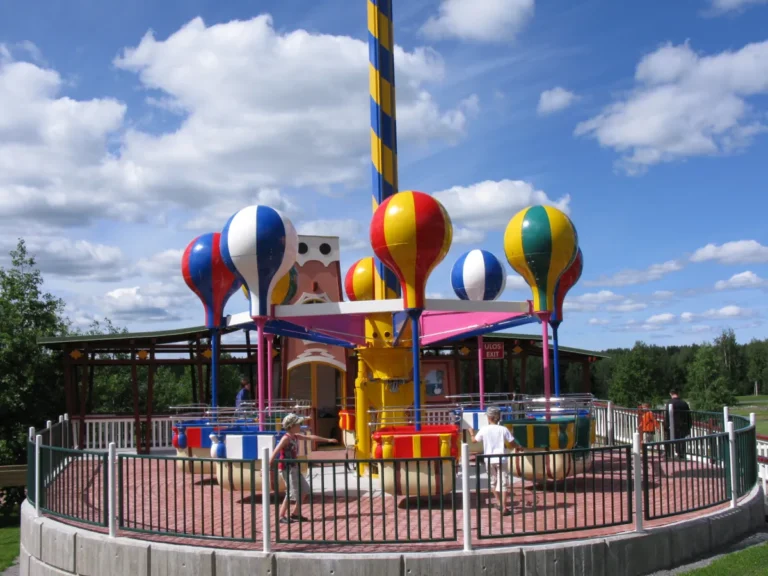
The word carnival at this fair does not mean a midway. On the Friday of fair week, the fair holds a carnival of games supplied by the county’s own 4-H clubs: each club is asked to provide at least two games, and the prizes are provided by the 4-H Council. Nothing is trucked in, no ride company is named, and no ride price exists to quote. Picture a games night assembled by the same families who spent the week showing animals, an evening where the entertainment is homemade because the community made it.
Exhibits, Entries and the Auction’s Thank-You Rule
Beyond the show rings sits the exhibit hall, the static side of the fair. Most entries are made online through the county’s FairWire portal by the fairbook’s deadline, while horticulture and floriculture entries are still handled on paper. The week’s commercial peak is the livestock auction, and the fair attaches a condition to it that says a great deal about how this county does business: exhibitors must deliver a written thank-you to their buyer before their sale checks are released. The rule is exhibitor machinery, not visitor programming, but as fair culture it is the genuine article: gratitude written into the settlement itself.
What the Fair’s Record Does Not Show
Honesty requires a short list of absences. No day-by-day public schedule was published in the sources gathered here, so no concert, rodeo, demolition derby or grandstand programme is claimed for it. And no admission price of any kind has been published, a gap treated in full below. The fair that emerges is a showing and exhibiting fair with a homemade carnival at its centre, kept here at exactly that size.
Planning Your Visit
Getting to Hayes Center
Hayes Center is the county seat, set in Nebraska’s southwestern ranch country, and the fairgrounds stand in the town itself. Since no street address for the grounds is published, aim for Hayes Center and follow local fairgrounds signage once in town, rather than trusting a pin dropped by a listing site. This is remote country, with long distances between towns, so fuel and daylight are worth planning before the last stretch.
The 2026 Camper Fees, Exactly as Published
Camping is where this fair’s record becomes unusually precise, and the figures deserve their fences. The newsletter announced new camper fees for 2026, in three tiers: one hundred seventy-five dollars for fifty-amp plug-ins, one hundred fifty dollars for thirty-amp plug-ins, and twenty-five dollars for campers using a generator. The fees are payable at the Extension Office or may be given to an Ag Society member. Three cautions travel with those numbers everywhere they are repeated. They belong to 2026, the year they were announced as new. They are camping charges, not admission prices, and they say nothing about any gate. And they are not a standing tariff to carry into a later year.
Entries, Fairbooks and the Extension Office
Anyone exhibiting should work from the fairbook, which the Extension Office holds, and the office answers on 308-286-3312. For the 2026 fair, pre-entries were due by July 8 through the online portal, horticulture and floriculture excepted onto paper, and the clean-up that sets up the pens, stalls and exhibit hall fell on July 25. Deadlines belong to their own year, so a future exhibitor should take the current fairbook’s dates rather than reusing these. Visitors need none of this machinery, but it explains the week’s rhythm once they arrive.
A Fair Week Itinerary
Begin with the shape of the week rather than a single day. Arrive as the fair is setting up and you will see the grounds in working order, pens bedded, stalls ready and the exhibit hall filling. Give the middle of the week to the show rings and the exhibit hall, moving between livestock classes and the horse show as the fairbook’s order unfolds. Keep Friday evening for the carnival, when the clubs set out their games and the week’s showing families become the fair’s entertainers. Close the week with the livestock auction, the fair’s commercial and social peak, and allow a slow departure afterwards. This follows the documented 2026 week; the two published 2026 spans are set out in the outlook below, and neither is a promise about another year.
Not the Kansas Fair, and Not Its Sister Fairs
Hayes County also exists in Kansas, and its fair material circulates in the same searches; none of it belongs to this article. Closer to home, the same newsletter also carries the fairs of Dundy and Hitchcock Counties, the SW3 unit’s other two counties. Those are separate fairs in separate counties with their own dates, deadlines and arrangements, and sharing a newsletter masthead does not make them one event. The fences matter most in reverse: the camper ladder and the club-built carnival in these pages belong to the Hayes County Fair alone, and no sister county’s details have been borrowed to fill this fair’s thinner places.
Fair Week Checklist
- Aim for Hayes Center itself, since the fairgrounds publish no street address to navigate to.
- Treat the season as late July turning into early August, and confirm the current year’s exact days before travelling.
- Budget the 2026 published camping tiers only if your trip falls in that year.
- Pay camper fees at the Extension Office, or hand them to a member of the Ag Society.
- Never mistake the camper ladder for an admission price; no gate price has been published.
- Keep Friday evening open for the club-run carnival games.
- Exhibitors: enter online by the fairbook’s deadline, and put horticulture and floriculture entries on paper.
- Sellers at the auction: write the buyer’s thank-you before expecting the sale check.
Beyond the Fairgrounds
Hayes Center carries the ordinary dignity of a county seat: the courthouse business of a ranching county, a small main street, and an Extension office serving local families all year, not only in fair week. The country around it is rolling southwestern Nebraska ranch land, where the drive between towns is part of any visit. Travellers building a longer fair season can treat the SW3 sister fairs as separate trips in their own weeks, since each county’s fair is its own event. The honest advice is to give Hayes Center its own day rather than folding it into a dash between larger fairs, because what it offers best, the showing and the homemade carnival, rewards staying put.
Why This Small Fair Matters
A county fair’s significance is not always measured in crowds. In Hayes County, the fair is one of the few occasions that gathers the county’s showing families, its clubs and its society onto one set of grounds. It publishes its camping charges to the dollar before the season opens, when many larger fairs leave such costs to be discovered on arrival. It builds its carnival out of its own clubs instead of hiring one in. And it writes gratitude to buyers into the settlement of its auction. Those are the choices of a fair that belongs entirely to the county it serves, and why a small fair at the turn of August deserves the same careful reporting as a state fair.
Frequently Asked Questions
Which town hosts the Hayes County Fair?
Hayes Center hosts it, at the fairgrounds in town. The town is also the county seat, and no other town in the county stages any part of the fair.
Has a gate price ever been published for the Hayes County Fair?
No admission, pass or parking price appears in any fair-side source gathered here. Silence about price is not a promise of free entry, so the fair is not described as free, and visitors should be ready for either arrangement until the fair publishes its terms.
How much does it cost to camp at the fair in 2026?
The published 2026 fees are one hundred seventy-five dollars for a fifty-amp plug-in, one hundred fifty dollars for a thirty-amp plug-in and twenty-five dollars for a camper using a generator, payable at the Extension Office or to an Ag Society member. Those figures are camping charges for 2026 only, never admission prices and never a standing rate for later years.
Is the Hayes County Fair’s carnival a travelling midway?
It is not. The fair’s carnival is an evening of games provided by the county’s own 4-H clubs, each club supplying at least two games, with prizes provided by the 4-H Council. No midway company, ride list or ride price appears anywhere in the fair’s record.
What to Expect From the Next Hayes County Nebraska Fair Festival
How often is the Hayes County Nebraska Fair Festival held?
On the pattern of its current published record, the fair comes round once each year, as a single fair week. No edition number or anniversary billing is published for it, so the rhythm is stated here as the record shows it, not as a counted run of fairs.
When is the next Hayes County Nebraska Fair Festival?
The next edition is expected in the fair’s established season, late July turning into early August. No dates for a future edition have been published in the sources used here, and the 2026 spans, the newsletter’s July 27 to August 1 and the statewide list’s July 27 to 31, were two layers of one year that already differ at the tail, so neither is next year’s calendar.
Will the dates change?
They can move within their season: two fair-side sources for a single year already frame the week with different end dates. The safe habit is to plan around the season and confirm the exact days from the current fairbook or newsletter before booking anything.
The Hayes County Fair will never be the loudest week in Nebraska’s summer, and its record does not try to make it so. What it offers is rarer than noise: a society-run fair whose practical terms are printed in advance, whose carnival is built by its own young people, and whose auction still insists on a handwritten thank-you before the money moves. For a traveller willing to make the drive at the turn of August, that is a fair worth finding exactly as it is.
One Comment