Silver Bow County Montana Fair Festival
Most county fairs announce themselves with a gate, a midway and a ring of barns around a dusty oval. The Silver Bow County Montana Fair Festival announces itself with a roof. The event behind this title is the Butte-Silver Bow County Fair, the county fair of a consolidated city-county in Montana’s mining country, staged indoors at the Butte Civic Center in Butte, the county seat, because Silver Bow County has no fairgrounds of its own to put it on. So the livestock showmanship happens under lights rather than beneath a grandstand sky, and the cake auction shares a building with a makers market. There is no carnival in the published schedule, and something rarer than an admission price: the fair’s published 2026 schedule stated in plain terms that entry is free.
About the Fair: A County Fair Run From a Civic Center
The Butte-Silver Bow County Fair belongs to one of Montana’s unusual local governments. Butte and Silver Bow County operate as a single consolidated city-county, and the fair is run by the Butte-Silver Bow County Fair Board, a public board whose members are appointed through the Council of Commissioners rather than elected by a private association. The board publishes its meeting minutes on the county’s own channels, fills its seats in open session, and keeps its deliberations about the fair’s future venues on the public record. No private fair association stands behind this event, and no separate rodeo board runs it.
The fair’s published shape is compact. Its events open with a horse show held off-site, move through a day of weigh-ins, and then settle into two public days, Friday and Saturday, when the Civic Center carries nearly everything: livestock shows, exhibit halls, an auction, children’s programming and evening music. Local shorthand shortens the name to the BSB Fair, but the board’s own paper uses the full name, and so does this article.
Quick Facts
| Item | Detail |
| Event behind the title | The Butte-Silver Bow County Fair, also shortened locally to the BSB Fair |
| Fair town | Butte, seat of the consolidated city-county of Butte-Silver Bow |
| Main venue | Butte Civic Center, which hosts the exhibits and most events |
| Fairgrounds | None of its own in the published record; the fair is staged in civic buildings |
| Organiser | The Butte-Silver Bow County Fair Board, appointed through the Council of Commissioners |
| Season | The turn of July into August |
| Documented 2026 public days | Friday July 31 and Saturday August 1, following a July 25 horse show and July 30 weigh-ins |
| Exhibit hours in 2026 | The Civic Center stood open Thursday through Saturday, 9 in the morning to 6 in the evening |
| Admission in 2026 | Entry was published as free, alongside voluntary food and school-supply collections |
| Satellite venues in 2026 | The horse show at the Butte Vigilante Saddle Club; the steer weigh-in at Montana Livestock |
A History Written in Minutes Rather Than Anniversaries
Many fairs introduce themselves with a founding year and a count of editions, and this one does neither. No founding year and no edition number appear in the fair board’s published paper, so this article invents none. What the record offers instead is more revealing: a paper trail of a public board actively deciding what its fair should become. Minutes from February 2026 show the board working through the coming fair’s shape months in advance, discussing whether a rodeo arena might figure in a Friday-to-Sunday plan at the end of July, and sending members out to scout land for future use. Those discussions are planning, not achievement. The fair that actually happened in 2026 is the one in the published schedule, indoors at the Civic Center. Older Montana fairs rest on agricultural-society charters from the nineteenth century; this one rests on appointments and agendas, its identity civic rather than ceremonial, kept alive by a mining city’s government rather than by a fairgrounds it owns.
What to Expect
Livestock at the Centre of the Hall
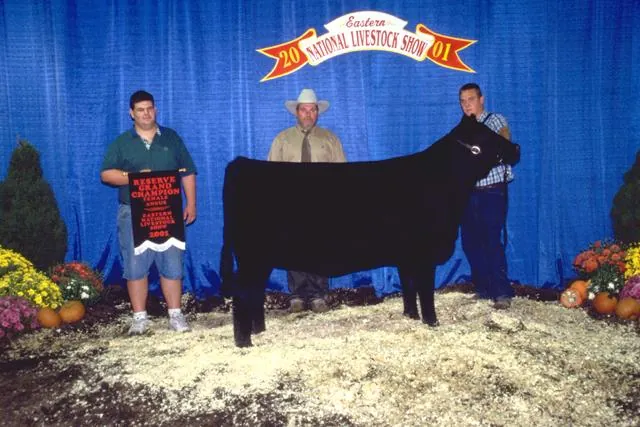
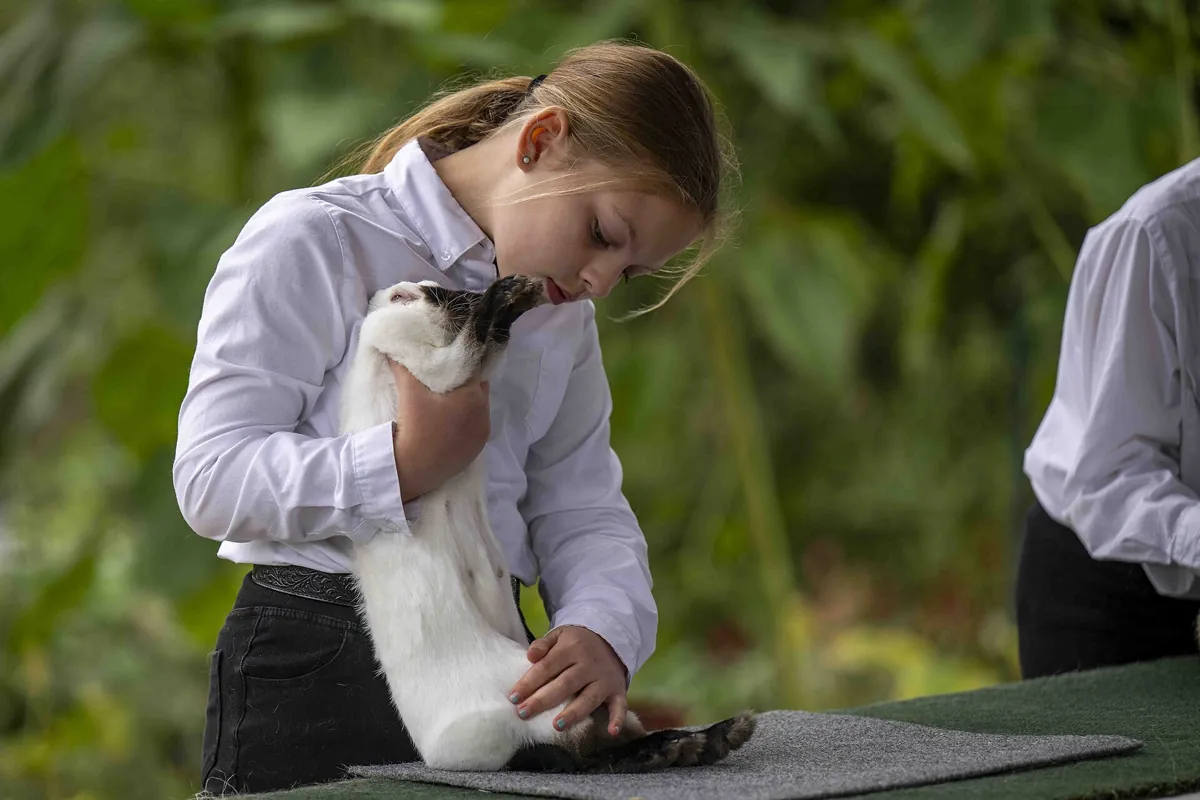
The agricultural core survives the move indoors intact. In the documented 2026 running order, a market and breeding livestock show covering pigs, sheep and beef cattle took place on Thursday evening at the Civic Center, and Friday belonged to livestock showmanship, in which exhibitors are judged on how they present their animals. Saturday widened the ring to the small animal show, for dogs, cats, rabbits and poultry, and the 4-H awards ceremony closed the competitive weekend under the same roof.
For a useful comparison, see the Sheridan County Montana Fair Festival for another county festival.
The Auction, the Barbecue and the Cake Table
Friday evening carried the fair’s commercial heart. The 4-H Buyer’s Club BBQ fed the crowd that the day’s showing had built, and at half past six the 4-H Market Animal and Cake Auction began, selling the market animals exhibitors had raised through the season alongside cakes entered for the purpose. That auction converts a year’s feed bills and early mornings into a young person’s savings, in a warmer and drier room than its fairgrounds equivalents.
Exhibits, Archives and a Makers Market
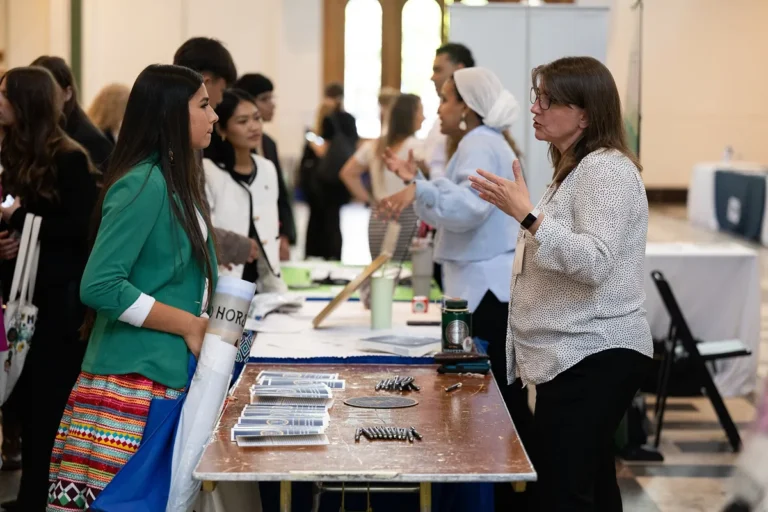
The halls around the shows held the fair’s quieter half. Four-H and open class exhibits filled the Civic Center across its Thursday-to-Saturday opening, and displays from the BSB Archives set the county’s documented past among the produce, sewing and project work. Saturday added a Makers Market, putting local craft sellers in the same building as the ribbon winners. Nothing in the published schedule describes a carnival or a midway.
Motocross, a Kids Zone and Contests of Appetite
The fair’s spectacle came from an unexpected direction. Levi Renz 406 FMX performed freestyle motocross across both public days of the 2026 fair, supplying the spectacle a grandstand act would normally provide. A Kids Zone ran Friday and Saturday, Saturday was billed as a Kids Day in its own right, and the programme filled out with a cornhole tournament, a community talent show, line dancing and a watermelon eating contest — all of it belonging to the documented 2026 schedule alone.
Planning Your Visit
Getting to a Fair Without Fairgrounds
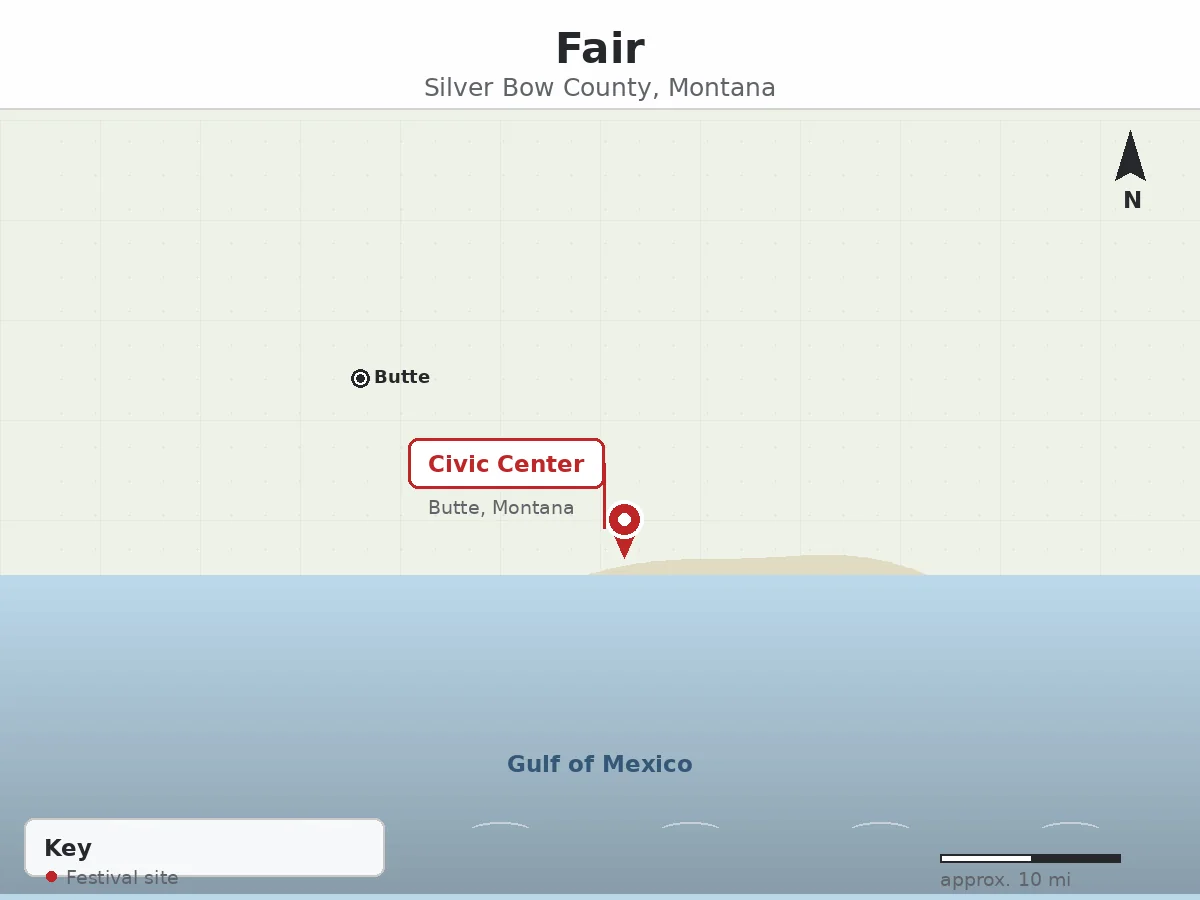
Forget fairgrounds directions: there is no fairgrounds address to navigate to, and none is published. The fair’s centre of gravity is the Butte Civic Center, an in-town venue, with two working exceptions in the documented schedule: the horse show sits at the Butte Vigilante Saddle Club, and the steer weigh-in happens at Montana Livestock. Check which building each event belongs to before setting out, since the fair’s geography is a small circuit of existing city facilities rather than a single fenced ground.
Entry, and What to Bring Instead of Money
The fair’s published 2026 position was that entry is free. That position is fenced to the 2026 schedule here; a future board may publish different terms. The same schedule paired its free entry with voluntary collections of food for the Butte Emergency Food Bank and school supplies for local children. Treat a bag of non-perishable food or a bundle of school supplies as the fair’s unofficial ticket — offered, never demanded. No prices for individual events were published, and none are quoted here.
Timing Your Two Public Days
The documented 2026 shape ran a horse show on Saturday July 25, weigh-ins for lambs, pigs and steers on Thursday July 30, and public days on Friday July 31 and Saturday August 1, with exhibits open Thursday through Saturday between 9 in the morning and 6 in the evening. A July 31 to August 2 span in board planning and the statewide 4-H listing is carried here only as that planning and listing frame; the published schedule’s two public days govern what a visitor could actually attend.
Sleeping Over, Honestly
No fair-week camping offer exists in this fair’s record, and none should be assumed. This is an urban fair in a full-service city, and overnight stays belong to Butte’s ordinary hotels and motels.
A Friday at the Civic Center
Begin at nine when the exhibit halls open, and give the first hour to the open class tables and the archives displays before the showing crowds build. Move to the livestock side late in the morning for the showmanship classes. Break for lunch in Uptown Butte, then return for the Kids Zone and the afternoon’s freestyle motocross, which ran across both days in 2026. Stay for the Buyer’s Club BBQ in the early evening, take a seat for the Market Animal and Cake Auction at half past six, and finish the night with the Friday band. Arrive with a food-bank donation in hand, and the day costs nothing at the door under the terms the 2026 schedule published.
How This Fair Compares
Set beside Montana’s fairgrounds fairs, this one inverts nearly every assumption. The big county fairs of the state spread across owned land with barns, a track and a midway; the Butte-Silver Bow fair compresses into a civic arena where the makers market and the market hogs share an address. Set beside its own city’s calendar, the distinction matters just as much: Butte hosts larger festivals in its streets each summer, including its mid-July folk festival and its daredevil and Irish celebrations, and none of them is this fair or shares its board. Judged on its own published terms, it does the complete work of a county fair in a fraction of the usual footprint.
Your Fair Checklist
- Check the current year’s published schedule before travelling, since dates and terms are set edition by edition
- Put the two public days, Friday and Saturday, at the centre of any visit plan
- Note which events sit away from the Civic Center, particularly the horse show at the saddle club
- Bring food for the food bank collection or school supplies if the current schedule repeats the invitation
- Leave time for the archives displays among the exhibit tables
- Plan to eat at the buyer’s club barbecue on auction night
- Arrange town lodging rather than expecting fair camping
- Keep the city’s street festivals on a separate page of the diary from the fair itself
Beyond the Venue
A fair with no fairgrounds sends its visitors back into its city, and Butte rewards the wandering. The fair sits in one of the most storied mining landscapes in the American West, a copper city whose headframes still punctuate the skyline above Uptown’s brick streets. The same summer weeks also hold the city’s separate festival season, and the honest advice is to enjoy those events as themselves — a folk festival, a daredevil tribute, an Irish festival and a food festival all appear on Butte’s calendar — while keeping clear that the county fair is the Civic Center event run by the county’s board. What the setting gives the fair is an audience already practised at showing up: a city that fills its streets for music in July does not need teaching to fill a hall for its children’s livestock in August.
Why This Small Indoor Fair Matters
The significance of this fair is precisely its refusal of scale. In a state where the county fair is often the largest gathering a county holds all year, this one demonstrates that the institution’s essentials are portable: young people presenting animals they raised, neighbours judging each other’s baking and craftwork, a public auction converting youthful labour into next year’s ambition, all governed in the open by an appointed board. The published free entry of 2026, paired with collections for the food bank and for school supplies, turned the fair into a small engine of mutual aid as well as a show. A county fair that can run in a civic center cannot be cancelled by the loss of a grounds.
Frequently Asked Questions
Is the fair really held indoors?
Yes, in the main. The documented 2026 fair placed its exhibits and most of its events at the Butte Civic Center, because the county has no fairgrounds of its own in the published record. Two working parts sat elsewhere in the city: the horse show at the Butte Vigilante Saddle Club and the steer weigh-in at Montana Livestock. Picture a civic arena full of livestock and exhibit tables, not a ring of barns around a track.
Do visitors pay anything at the door?
The fair’s published 2026 schedule stated that entry is free, paired with voluntary collections of food for the Butte Emergency Food Bank and of school supplies for those who wished to give. That free entry belongs to the 2026 edition as published, not to any standing rule. No individual event prices were published in the record.
Who runs this fair?
The Butte-Silver Bow County Fair Board runs it. The board serves the consolidated city-county, and its members are appointed through the Council of Commissioners, with appointments recorded in the council’s own agendas. It is a public body that publishes its meeting minutes, not a private fair association.
Is this the same event as Butte’s summer festivals?
No. Butte’s calendar holds several large festivals, including its mid-July folk festival, a late-July celebration of Evel Knievel, and an August Irish festival. Each is a separate event with its own organisers, and none of their programmes, prices or free-admission arrangements belong to the county fair, which stands or falls on its own published schedule.
What to Expect From the Next Silver Bow County Montana Fair Festival
How often is the Silver Bow County Montana Fair Festival held?
The fair behind this title is an annual event, held once each year at the turn of July into August. Its board plans it in public session through the year and publishes a schedule for each edition in turn. The documented 2026 edition ran its public days on Friday July 31 and Saturday August 1, preceded by a horse show and a weigh-in day.
When is the next Silver Bow County Montana Fair Festival?
The next edition falls in the fair’s established season, the turn of July into August, following the pattern the 2026 schedule documented: preliminary livestock events in the final days of July and two public days at the Civic Center across that week’s Friday and Saturday. Exact dates rest with the board’s published schedule for that year.
Will the dates change?
They can, within the season. The fair’s timing is set edition by edition by its board, and the record already shows the machinery moving: planning documents and the statewide listing printed a span running to August 2 while the published schedule settled on two public days ending August 1. Expect the turn of July into August to hold, and confirm the precise days against the board’s schedule for the year in question.
Taken together, the fair behind this title is Montana’s argument that a county fair is a practice rather than a place. It happens because a public board meets, argues about arenas and land, and then publishes a schedule; it fills a civic center with showmanship, exhibits, auctions and motocross; and in its documented 2026 edition it asked nothing at the door but welcomed a food-bank donation on the way in. Butte has bigger festivals, and Montana has bigger fairs. Neither fact touches what this one is for.