Rosebud County Montana Fair Festival
This title points to an event whose real name is longer than the county line on a map. The celebration held each late July in Forsyth is the Rosebud-Treasure County Fair, a joint county fair shared by Rosebud County and its smaller neighbour, Treasure County. Rosebud County is the host. The grounds, the fair board and the county seat all sit here, and Treasure County exhibitors travel in to show and sell alongside their Rosebud counterparts on the same barns, the same arena and the same sale ring.
That shared character is printed in the fair’s own name and confirmed by its sale records, where young exhibitors from across both counties fill one catalogue. Anyone expecting a single-county fair will find something broader: a two-county institution run in public by a county board, shaped around rodeo nights, a travelling carnival, a Saturday concert and a youth livestock sale that set its own record in 2026.
A Fair Carried by Two Counties
The Rosebud-Treasure County Fair is governed by the Rosebud County Fair Board, whose recommendations and contracts are approved in open session by the Rosebud County Board of Commissioners. That arrangement gives the fair an unusually visible paper trail for a rural celebration. Board proposals travel to the commissioners for a vote, contracts are approved on the record, and sponsorship questions are debated in the open rather than settled behind a closed door.
The record shows the machinery in ordinary detail. Ahead of the 2026 edition, the commissioners approved the contract for the Saturday concert’s opening act on the board’s recommendation. In January 2026 the commission raised the rodeo’s added money from two thousand dollars to three thousand five hundred dollars per event, funded mainly by sponsorships. Added money is purse economics for contestants, not a ticket price, and it tells a visitor nothing about what a seat costs.
Treasure County’s share is structural rather than ceremonial. Its 4-H and FFA members enter through the same system, show in the same classes and sell in the same market sale. The fair also works with a Forsyth rodeo committee on its arena side, a local arrangement credited in the fair’s own testimonial record.
For a useful comparison, see the Roosevelt County Montana Fair Festival for another county festival.
Quick Facts
| Item | Detail |
| Published name | Rosebud-Treasure County Fair |
| Character | Joint county fair of Rosebud County and Treasure County |
| Fair town | Forsyth, the Rosebud County seat and host town |
| Grounds | Rosebud County Fairgrounds, 513 North 16th Avenue, Forsyth |
| Organiser | Rosebud County Fair Board, under the Rosebud County Commissioners |
| Season | Late July, among the earlier county fairs in Montana |
| Documented 2026 run | Thursday July 16 to Sunday July 19, with the market sale on Saturday July 18 |
| Arena headline | Two nights of PRCA rodeo with Rocky Mountain Mini Broncs and Mini Bulls |
| Midway | Mighty Thomas Carnival across the fair’s four days |
| Sale record | 134 head sold for a record 639,733 dollars and 50 cents in 2026 |
| Admission position | No 2026 gate ladder published; a 2023 travel guide reported free entrance and parking |
History the Fair Tells About Itself
The fair bills itself as an annual event since 1906 and describes itself as one of Montana’s oldest and best county fairs. Both lines are the fair’s own billing, and this article carries them exactly that way. A billing is a claim an event prints about itself, not a settled founding record, and no edition number can be honestly counted forward from that year. What the record supports is a long-lived fair that tells its own story with confidence, and a grounds whose fabric holds more verifiable history than any single date.
The calendar has moved as the fair has aged. Its own history records that the fair shifted to August at one period and then, around 1990, settled into its present late-July dates. The move made it one of the earliest county fairs in Montana, a position it still describes with pride. A travel-guide record styles the timing as the third weekend in July, which fits the documented pattern without turning any one year’s dates into a permanent rule.
The buildings carry the deeper record. The Exhibit Hall dates from early in the twentieth century, gained air conditioning in time for the 2011 fair, and now works all year as a venue with a commercial kitchen. The current grandstand, with the concession facilities and restrooms, was built in 1975, though 4-H concessions, including the celebrated Fair Burgers, have been served on the grounds since the early 1950s. Arena lighting was upgraded in 2020, and the grounds also hold a 4-H pavilion and the Silo Bar outside the exhibit hall, donated by the Nile family.
What to Expect Across the Four Days
Rodeo Nights and Young Riders
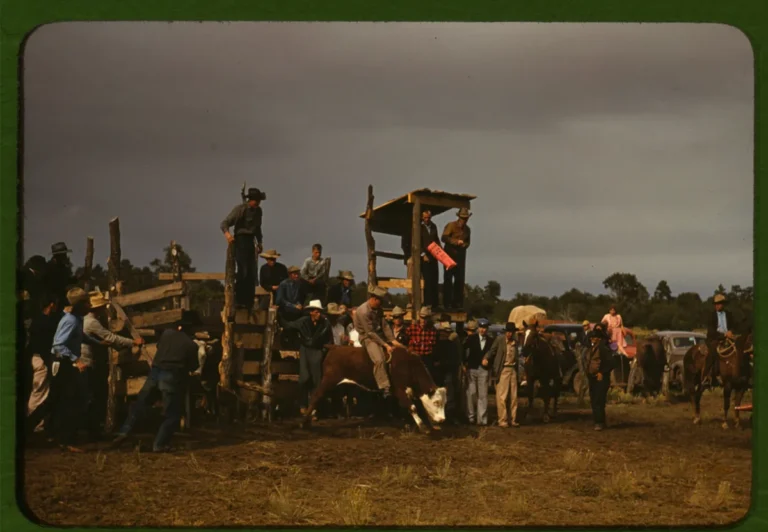
The fair’s own programme promises two nights of PRCA rodeo, the professional circuit whose initials mark the top tier of the sport in North America. Alongside the senior action, the Rocky Mountain Mini Broncs and Mini Bulls put younger riders on smaller stock, a crowd-pleasing fixture that gives the arena programme a family register the main events cannot supply alone. The rodeo’s strengthened purse, approved publicly for 2026, signals how seriously the board treats the arena card.
A Carnival on the Grounds
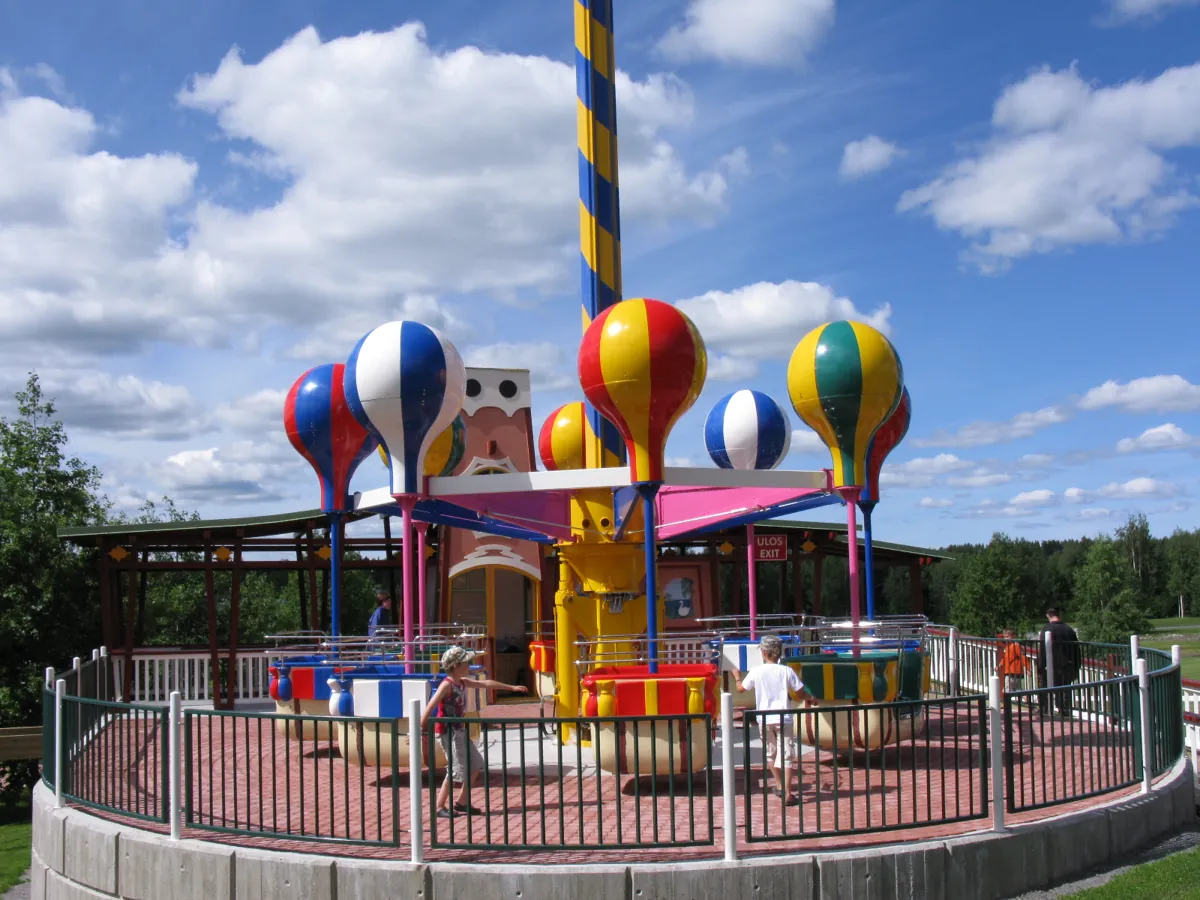
The Mighty Thomas Carnival fills the midway across all four days of the fair. Its rides, games and lit-up evening noise keep the grounds feeling occupied from the first afternoon rather than only at performance times, and the carnival is a standing feature of this fair’s expected shape.
Saturday Music and the Beer Garden
Saturday night carries the fair’s concert. For the 2026 edition, the commissioners approved a contract for LV Shane to open the Saturday July 18 programme, and the record names that opener while leaving the evening’s headliner unnamed in the material gathered. No headliner is invented here. A concert with a properly contracted opener is documented; anything beyond that would be guesswork.
Near the exhibit hall, the Young Men’s Club runs a beer garden billed at two dollars, a figure the fair prints as part of the feature’s identity. That billing belongs to that garden and that fair. It is not a general drinks price list, and it should be read the way the fair presents it, as a small, specific and rather charming piece of local colour.
Exhibits, Concessions and the Record Sale
Open class and 4-H exhibits fill the halls, and 4-H concessions run daily, which is where the Fair Burgers earn their reputation across generations of fairgoers. Free stage entertainment, including magicians and live music in the tourism record, and local music talent round out the daytime programme between arena events.
The competitive heart of the week is the 4-H and FFA Market Stock Sale, held on Saturday July 18 in 2026. That sale set a record, moving 134 head of market beef, hogs, lambs and goats for a total of 639,733 dollars and 50 cents. Those figures belong to the 2026 edition alone. They are edition colour of the best kind, evidence of buyers turning out in force for two counties’ young exhibitors, and they should never be quoted as a standing total the sale reaches every year.

Planning Your Visit
Timing the Trip
Plan for late July and check the current year’s dates before travelling, because the fair’s exact weekend is set edition by edition. The documented 2026 run fell from Thursday July 16 to Sunday July 19, with entry machinery opening a little earlier in the week. A travel-guide description of the third weekend in July gives a fair planning guide, provided it is treated as a guide rather than a promise.
What Admission May Cost
No gate, grandstand or parking ladder for 2026 was published in any fair-side material gathered for this article, so no current price is printed here. The honest historical note is dated: a travel guide updated in 2023 reported entrance and parking as free, and listed evening performance tickets in a range from ten to thirty dollars. That report belongs to its own year. It suggests the fair has historically kept walking in cheap or free while charging for evening seats, but it cannot tell a 2026 or later visitor what a ticket costs now. Confirm prices through the fair’s own current channels before budgeting.
Staying Over
The fair’s own history records that the shaded north-eastern area of the grounds serves the many 4-H families who camp there during fair week, so fair-week camping by fair families is part of the grounds’ documented life. Public camping rates, rules and booking arrangements are a different matter, and none are published in the record gathered. Visitors hoping to camp should ask the fair directly rather than assume the family arrangement extends to the public.
A Saturday at the Fair
Begin mid-morning among the exhibits, while the halls are cool and the judging results are fresh enough to argue about. Walk the livestock barns next, noting the exhibitors’ county affiliations, because the fair’s two-county character is easiest to see in the pens.
Take lunch from the 4-H concessions, where a Fair Burger connects the meal to a tradition older than the current grandstand. Spend the early afternoon on the midway, then find the free stage entertainment for a seated hour out of the sun.
Return towards evening for the day’s centre of gravity: the market sale’s energy carrying into the night programme, the concert stage warming up with its opening act, and the grounds trading judging talk for performance-night noise.
How This Fair Compares
Many county fairs are single-county affairs whose identity stops at the county boundary. Forsyth’s event is built differently, with a second county written into its name and its sale catalogue, and with governance conducted through public commission votes that most fairs never expose to view. That combination, a shared exhibitor base and an unusually transparent board, gives the fair a civic texture its neighbours do not quite match.
Its season also sets it apart: sitting in late July, it arrives earlier than the August-heavy run of Montana fairs. Against larger fairs with published price ladders, Forsyth’s edition runs leaner on paper, with no published gate ladder and a concert opener documented while the headliner goes unnamed in the record. What it offers instead is documented substance and a youth sale whose 2026 record would be respectable at a fair several times its size.
Before You Go
- Check the current year’s dates, since the late-July weekend is set edition by edition.
- Confirm admission and evening ticket prices through the fair’s own channels, because no 2026 ladder was published.
- Arrive early enough on sale day to walk the barns before the market sale begins.
- Try a Fair Burger from the 4-H concessions, a tradition documented since the early 1950s.
- Plan an evening around the rodeo or the Saturday concert rather than expecting both to suit the same hour.
- Ask the fair directly about public camping instead of relying on the 4-H family arrangement.
- Remember the fair belongs to two counties, and give Treasure County exhibitors their share of your attention.
Beyond the Fairgrounds
Forsyth is a Yellowstone River town, and the fairgrounds sit near the meeting of North 16th Avenue and Fair Ground Road, close enough to town that the fair feels like a neighbourhood event. The Exhibit Hall’s second life as a year-round venue means the grounds serve gatherings long after fair week ends.
Keep the county’s wider calendar in its own lanes. Colstrip, the county’s coal town, holds its own events, and none of them is this fair. The Northern Cheyenne Reservation adjoins the county to the south, and its celebrations are separate tribal events that the fair’s record does not join.
Why Two Counties in One Name Matters
A joint fair survives only if both partners keep believing the arrangement serves their young people. At Forsyth, the evidence of health is concrete: a sale catalogue filled from both counties, a record total in 2026, a board investing publicly in its rodeo purse, and a grounds whose oldest hall still works every week of the year. Treasure County is one of Montana’s smallest counties, and the shared fair gives its exhibitors a stage, a buyer pool and an arena crowd that a fair of its own could not sustain. Rosebud County, for its part, hosts an event bigger and livelier than its population alone would predict. The partnership is the fair’s defining fact, and its name says so.
Frequently Asked Questions
Is this fair only for Rosebud County?
No. The event is the Rosebud-Treasure County Fair, the joint county fair of Rosebud County and Treasure County. Rosebud County hosts it in Forsyth, and exhibitors from both counties show and sell there, as the 2026 market sale record confirms.
Where in Forsyth does the fair take place?
The fair is held at the Rosebud County Fairgrounds, 513 North 16th Avenue, in Forsyth, the Rosebud County seat. Treasure County’s seat, Hysham, has no fair of its own in the record, which is why its exhibitors travel to Forsyth.
Is there a published price for admission?
No admission or grandstand ladder for 2026 was published in the fair-side record, so no current figure can be stated honestly. A travel guide updated in 2023 reported free entrance and parking with evening tickets listed between ten and thirty dollars, but that dated report should be checked against the fair’s current information.
What is the one thing not to miss?
Choose by taste between the two PRCA rodeo nights and the Saturday market sale. The sale is the fair’s competitive heart, and in 2026 it set a record with 134 head sold for 639,733 dollars and 50 cents, figures that belong to that edition alone.
What to Expect From the Next Rosebud County Montana Fair Festival
How often is the Rosebud County Montana Fair Festival held?
The fair is an annual event, billed by its organisers as running since 1906. That billing is carried as the fair’s own claim rather than a settled founding record, but the yearly rhythm itself is well documented across editions.
When is the next Rosebud County Montana Fair Festival?
The next edition is expected in late July, following the fair’s established season since its move to those dates around 1990. Exact dates are set edition by edition, so travellers should confirm the current year’s weekend through the fair’s own announcements before booking.
Will the dates change?
The season has changed before, moving from August to late July around 1990, so change is possible in principle. The late-July position has held for decades, and any future shift would be announced by the fair board rather than guessed at here.
A joint fair asks its visitors to read the name properly and credit the small neighbour whose young exhibitors help fill the grounds. Do that, and Forsyth in late July offers professional rodeo, a full carnival, burgers with a seventy-year pedigree and a sale ring where two counties’ work is valued in the open.
One Comment