Carbon County Montana Fair Festival
Red Lodge sits where the plains give out and the Beartooth Mountains take over, and for one Monday-to-Saturday week in the second half of July the town’s south side belongs to the Carbon County Fair. This is not a midway fair with an agricultural corner. It is the county’s 4-H and FFA week wearing an open-class skin: indoor projects judged on the Monday, livestock shows building through the week, and a livestock sale to close it. Its documented 2026 edition ran July 20 to 25, under a theme — “Blue Ribbons and Big Skies” — that the fair itself chose through a young artist’s poster. The fair publishes no admission price, and this article will not invent one; what the record does publish, in board agendas and an Extension newsletter, is a working fair run in the open by a county board.
A Board-Run Fair With Two Published Names
The fair’s real published name is the Carbon County Fair. The county’s Extension office styles the week’s youth core the Carbon County 4-H and FFA Fair, and the two forms describe one event, never two: the 4-H and FFA programme is the fair’s centre, and the open-class entries wrap around it.
The organiser is the Carbon County Fair Board, a county board that meets at the fairgrounds in Red Lodge through the year, with a Fair Grounds Manager, the county’s Extension office and the 4-H Council all reporting into its agendas. That paper trail is the fair’s public face: sponsorship business, the Buyer’s Lunch, the poster contest and the fair’s rules all pass across the board’s table. No private fair association runs this fair — a point worth making plainly, because the name Carbon County is shared with counties in other states whose fairs publish far more loudly than this one.
Carbon County Fair Quick Facts
| Item | The documented record |
| Event | Carbon County Fair; its youth core is styled the Carbon County 4-H and FFA Fair |
| Fair town | Red Lodge, which is also the county seat of Carbon County |
| Organiser | Carbon County Fair Board, working with a Fair Grounds Manager, the county Extension office and the 4-H Council |
| Grounds | Carbon County Fairgrounds, on the south side of Red Lodge, adjoining the separate rodeo grounds |
| Named fair building | The Edgar Gruel building, where indoor judging registers |
| Standing timing | A Monday-to-Saturday week in the second half of July |
| Documented 2026 edition | July 20 to 25, 2026, preceded by a fair clean-up day on Saturday, July 18 |
| 2026 theme | “Blue Ribbons and Big Skies,” chosen through the Fair Board’s poster contest |
| Admission | No gate, pass or parking price is published in the fair’s record; the fair is not stated to be free |
| Camping | No fair-week camping offer, rule or rate is published in the fair’s record |
What the Week Looks Like
Monday Belongs to the Indoor Judges
The fair opens quietly, indoors. Project judging starts the week on Monday in the Edgar Gruel building, where the county’s indoor exhibits — the sewing, baking, photography, craft and project work of the 4-H year — are registered, interviewed and judged before the livestock programme takes over. The youngest exhibitors have their own place in the day: Cloverbud interviews give the smallest members their first experience of presenting work to a judge, and a pet parade runs as part of the opening day’s programme. It is a gentle start by design: the fair’s first ribbons are won at a table, not in a show ring.
Livestock Shows Build Across the Week
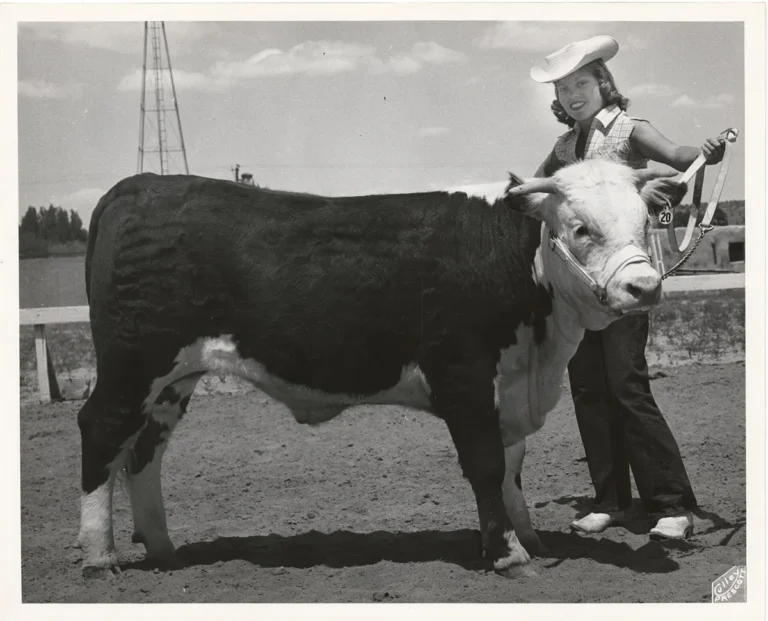
From the indoor hall the week moves to the barns and the ring. Livestock shows run across the fair’s days, in a county where the animals have been fitted and fed toward this one week since spring. Stall cards — the posted record of each animal and its exhibitor — are to be up by Thursday evening, which tells a visitor how the week is paced: animals settled, cards posted, grounds in full show order for the back half of the fair. The livestock programme is the fair’s spine, and everything else is arranged around its classes.
For a useful comparison, see the Broadwater County Montana Fair Festival for another county festival.
Black Jeans, White Shirt, Official Dress
Carbon County’s fair keeps a dress code for its shows and its sale. Exhibitors show in black jeans and a white shirt; FFA members appear in official dress. The uniformity is deliberate — it pushes the judge’s eye and the buyer’s eye toward the animal and the project rather than the exhibitor’s wardrobe, and it gives the ring a formal, recognisable look. A visitor who sees a ring full of white shirts is not watching a coincidence; they are watching the fair’s own rule, worn.
The Sale and the Buyer’s Lunch
The week closes the way 4-H weeks close: with the livestock sale, where the market animals the county’s young exhibitors have raised are sold to the community that has watched them grow. The Fair Board’s own agenda carries the sale’s companion fixture, a Buyer’s Lunch — the meal laid on for the businesses and neighbours who bid. Together they are the fair’s economic heart: a year of feed bills and record books converted, in one session, into college funds and next year’s project money.
Planning a Trip to Red Lodge
Finding the Grounds on the South Side
The Carbon County Fairgrounds stand on the south side of Red Lodge, adjoining the Red Lodge Rodeo Grounds. The two grounds are neighbours, not one venue: the rodeo grounds host the town’s famous July rodeo early in the month, while the fairgrounds host the county fair later in July. No street address for the fairgrounds is published in the fair’s own record, so navigate by the venue name and local signage rather than copying an address from a listing — and take care not to follow directions written for the rodeo grounds.
The Admission Question Has No Published Answer
Nowhere in the fair’s fetched record — board agendas, Extension newsletters, entry listings — does a gate price appear. No admission figure, no pass price, no parking charge is published, and the fair is not described as free either; both claims would go beyond the evidence. This is a fair whose public paper is about entries, judging and the sale rather than tickets, and a visitor who needs certainty about costs should ask the fair office before travelling. Carry small cash for food and incidentals — because fairs run on cash, not because any charge here has been quoted.
Arriving Around Clean-Up Day
The fair’s week begins before the fair does. A mandatory clean-up day on the Saturday before opening — July 18 in the documented 2026 edition — brings exhibitor families onto the grounds to ready barns, halls and pens. For a visitor, the rhythm to plan around is the week’s own shape: judging on Monday, shows through the middle, the sale toward the close. Red Lodge is a small mountain town whose summer fills quickly, so lodging deserves earlier booking than the fair’s low-key publicity might suggest.
A Sample Shape for Fair Week
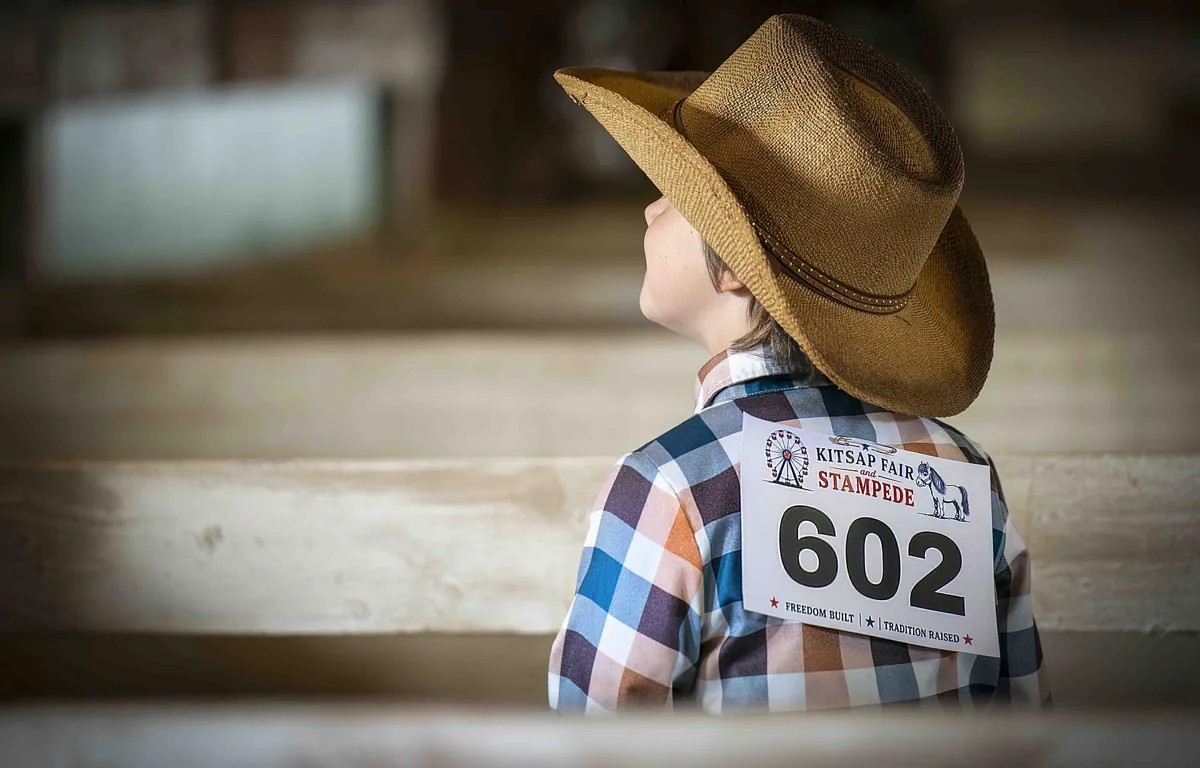
Saturday before the fair is clean-up day, when the grounds are washed, bedded and set by the families who will fill them. Monday belongs indoors: registration and judging in the Edgar Gruel building, Cloverbud interviews, the pet parade, and the first ribbons pinned before supper. Tuesday and Wednesday give the livestock shows their run. By Thursday evening the stall cards are posted and the grounds are in full dress. Saturday closes the fair with the livestock sale and the Buyer’s Lunch — the day to arrive early, take a seat near the ring, and watch the county buy back its own young people’s work.
No Published Birthday
Anyone hunting for this fair’s founding year will come home empty-handed, and honestly so. No founding year and no edition number appears anywhere in the board’s or the Extension office’s fetched record, and none will be derived here from arithmetic or borrowed from a same-named county elsewhere. What stands in place of a birthday is machinery with its own kind of history: a board meeting in the open, a theme chosen each year through a poster and fair-book-cover contest — the 2026 theme came from that contest, and its winning artist, Keira Birrer, is named in the fair’s own paper for that edition — and customs like the clean-up day and the dress code that repeat because the county keeps choosing them. The fair’s past is carried in its habits, not its dates.
How This Fair Differs From Its Neighbours
The comparison a visitor most needs is the one across the fence. Early in July, the neighbouring rodeo grounds host the Home of Champions Rodeo, a professional rodeo of national standing that draws Red Lodge’s biggest summer crowds. The county fair, later the same month, is a different species of event: no borrowed rodeo dates, prices or programme belong to it, its organiser is a county fair board rather than a rodeo committee, and its stars are exhibitors in white shirts rather than travelling professionals. Set against a commercial county fair, the contrast runs the other way — no published gate, no midway in the record. And the other Carbon County fairs, in Wyoming, Utah and Pennsylvania, are simply different counties’ fairs sharing the name; their grounds, associations and prices are theirs alone.
A Visitor’s Checklist
- Plan for a Monday-to-Saturday week in the second half of July, and check the current year’s dates first.
- Do not budget around any admission figure found online; the fair publishes none.
- Head for the fairgrounds on the south side of Red Lodge, not the adjoining rodeo grounds.
- Catch Monday’s indoor judging and the pet parade for the fair at its most local.
- Learn the dress code — black jeans, white shirt, FFA official dress — so the show ring reads properly.
- Be there toward the week’s end for the livestock sale and the Buyer’s Lunch.
- Book Red Lodge lodging early; the town is small and its summer is busy.
- Want the town’s big professional rodeo too? It is a separate event, in an earlier July week.
Beyond the Fairgrounds
Red Lodge repays the visitor who stays past the sale. Broadway Avenue runs through a historic coal-mining town of brick storefronts, cafés and outfitters, and the town is the northern gateway to the Beartooth Highway, the great switchbacking climb toward Yellowstone National Park’s northeast entrance — a drive that deserves its own day. Rock Creek runs through town for anglers, and the mountains stand over everything. One caution of identity: the town’s Labor Day Arts Fair in September, run by the local arts guild in Lions Park, is a separate art festival — pleasant, but not the county fair and not part of its programme.
Why the Week Matters in Carbon County
The fair’s significance is easiest to see in who does the work. A county fair board governs it in open session, an Extension office and a 4-H Council build its programme, and the county’s children supply its content — a full year of projects, animals and record books carried into one week of judging. The theme itself is a young person’s artwork, chosen by contest. In a county whose seat is better known as a mountain gateway, fair week is the inward-looking counterpart: the week Red Lodge holds its own young people up for inspection — and then puts its money behind them.
Frequently Asked Questions
When does the Carbon County Fair take place?
The fair runs across a Monday-to-Saturday week in the second half of July at the fairgrounds in Red Lodge. Its documented 2026 edition ran from July 20 to July 25, with exhibitor families on the grounds for clean-up day on the Saturday before. Because the record fixes that edition rather than a permanent calendar rule, check the current year’s dates before making the trip.
Does the fair charge for admission?
The fair’s record publishes no admission price at all — no gate figure, no season pass and no parking charge appears in its board papers or newsletters, and the fair is not stated to be free. The honest answer is that the price is unpublished, and a visitor who needs to know should ask the fair office directly. Any figure quoted by a third-party listing should be distrusted until checked, because several other states have Carbon Counties with fairs of their own.
Is the county fair the same event as the Home of Champions Rodeo?
No. The Home of Champions Rodeo is a separate professional rodeo held early in July at the Red Lodge Rodeo Grounds, which adjoin the fairgrounds on the town’s south side. The Carbon County Fair follows later in July under its own fair board, with a programme of 4-H and FFA judging, livestock shows and a sale. The two events share a town, a month and nearly a fence line, but nothing else — neither one’s dates or prices describe the other.
Who exhibits at the fair, and who runs it?
The fair is run by the Carbon County Fair Board, a county board working with a Fair Grounds Manager, the county Extension office and the 4-H Council. Its exhibitors are led by the county’s 4-H and FFA members — Extension styles that youth core the Carbon County 4-H and FFA Fair — showing indoor projects and livestock under the dress code, with FFA members in official dress. Open-class entries wrap around that youth core, making the whole week one fair under two published name forms.
What to Expect From the Next Carbon County Montana Fair Festival
How often is the Carbon County Montana Fair Festival held?
The fair is held once a year, as a Monday-to-Saturday week in the second half of July. Its rhythm is fixed by the county’s agricultural calendar: indoor judging to open, livestock shows through the week, and the sale to close.
When is the next Carbon County Montana Fair Festival?
The next edition should fall in the second half of July, following the documented 2026 edition of July 20 to 25. The fair’s record publishes each edition’s dates through the fair board and the Extension office rather than years ahead, so the confirmed days will come from those two county sources — the only dates worth planning around.
Will the dates change?
The week’s place in the calendar is a standing custom rather than a published guarantee, so the exact Monday and Saturday can move within the second half of July from one edition to the next. Treat any specific future dates as provisional until the fair board or the Extension office publishes them.
The Carbon County Fair asks a visitor to read it on its own terms: a county board’s open agendas, a judging schedule, a ring full of white shirts and a theme drawn by a young artist. Come in the second half of July, find the fairgrounds on the south side of Red Lodge, and let the week build the way it is built — quietly on Monday, and by Saturday, sold.