West Baton Rouge Parish Louisiana West Baton Rouge Parish Fair Festival
West Baton Rouge Parish Fair: The Essentials in One Table
| Town / place | West Baton Rouge Parish area, centered on Port Allen |
| County / parish | West Baton Rouge Parish, Louisiana |
| County seat | Port Allen |
| Population | 26,427 parish-wide |
| Founded / land area | Parish founded 1807; 204 square miles |
| Setting and region | Mississippi River corridor in the Greater Baton Rouge area; open fairgrounds space |
| Typical timing | A weekend during the autumn fair season, in most years |
| Admission | Typically free to enter; individual vendors and activities set their own prices |
| Features | Local food stalls, live music, family games and activities, community exhibits and contests |
| Organizer | Community-organized by parish-area volunteers and civic groups |
A Parish Fair Built on Neighbors Knowing Neighbors
West Baton Rouge Parish is small enough that the fair still works as a reunion. The parish holds 26,427 people across 204 square miles of riverfront, cane land, and subdivisions that have thickened steadily as Baton Rouge has spread westward. Port Allen, the parish seat, sits directly across the Mississippi River from the state capital, close enough that the skyline glows over the levee after dark.
The West Baton Rouge Parish Fair is the annual moment when that scattered population converges on one patch of ground. Residents talk about it in terms of habit rather than spectacle: the family that always arrives early and stays late, the group that claims the same stretch of shade every year, the grandmother who insists on buying something from every booth her grandchildren visit. The parish has been an organized place since 1807, and the fair carries that older rhythm — an agricultural parish showing itself to itself, with the gates open to anyone who wants to look.
Two Centuries of Parish Life, and a Fair That Grew With It
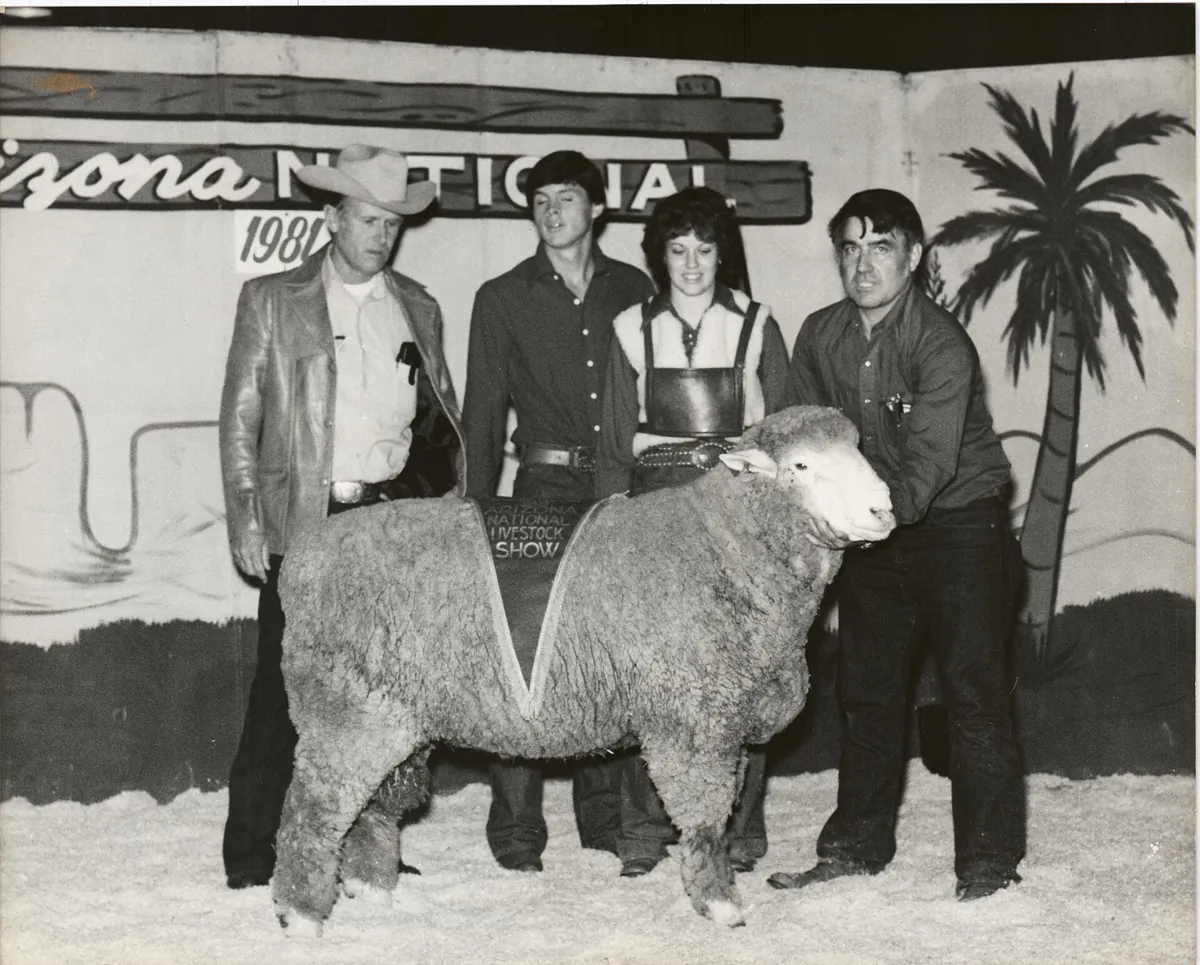
West Baton Rouge Parish was founded in 1807, carved out of the land along the western bank of the Mississippi at a time when river traffic decided where towns lived or died. Port Allen became the parish seat, and for generations the local economy ran on sugar, cotton, cattle, and the river itself. Communities like Brusly and Addis grew up around the same fields and the same levee road.
The parish fair tradition belongs to that world. Parish fairs across south Louisiana began as agricultural showcases — a place for growers to compare crops, for families to trade news, for rural communities to gather at a scale their churches and schoolhouses could not manage. The West Baton Rouge Parish Fair inherited that purpose and kept it even as the parish changed. Subdivisions replaced some fields; commuters replaced some farmers; the petrochemical corridor along the river became a major employer.
What stayed constant is the calendar habit. In most years the fair arrives in the autumn, after the worst of the summer heat has broken and before the holiday season takes over. For longtime residents, the fair marks the point where the year turns — a fixed appointment that survives changes in the parish’s economy, population, and skyline.
What a Fair Weekend Actually Looks Like in West Baton Rouge
The fair is a walking event. You park, you step out into Louisiana humidity, and you spend the next few hours moving between food stands, a stage, and whatever the kids have spotted. Nobody hurries. That is part of the design.
Food: Parish Cooking and the Lines That Prove It
Food is where the fair earns its reputation locally. Expect the south Louisiana standard — plates of rice and gravy, sausage, grilled and fried seafood, sweet things sold by church groups and civic clubs, and cold drinks that disappear faster than vendors can restock them. Locals have strong opinions about which stand is worth the wait, and those opinions are handed down rather than discovered. A useful habit: walk the whole loop once before buying anything, because the best food is rarely at the first table you pass.
Music and Entertainment: Local Stages, Local Talent
Entertainment leans local, which is the point. Parish fairs of this kind typically program regional bands, school groups, and community performers rather than touring acts, and the crowd reflects that — neighbors watching neighbors, with folding chairs set up early near the stage. Between sets, the fairground noise does the rest of the work: generators, laughter, the announcer calling names for contests and drawings.
Family Activities: The Part Kids Remember
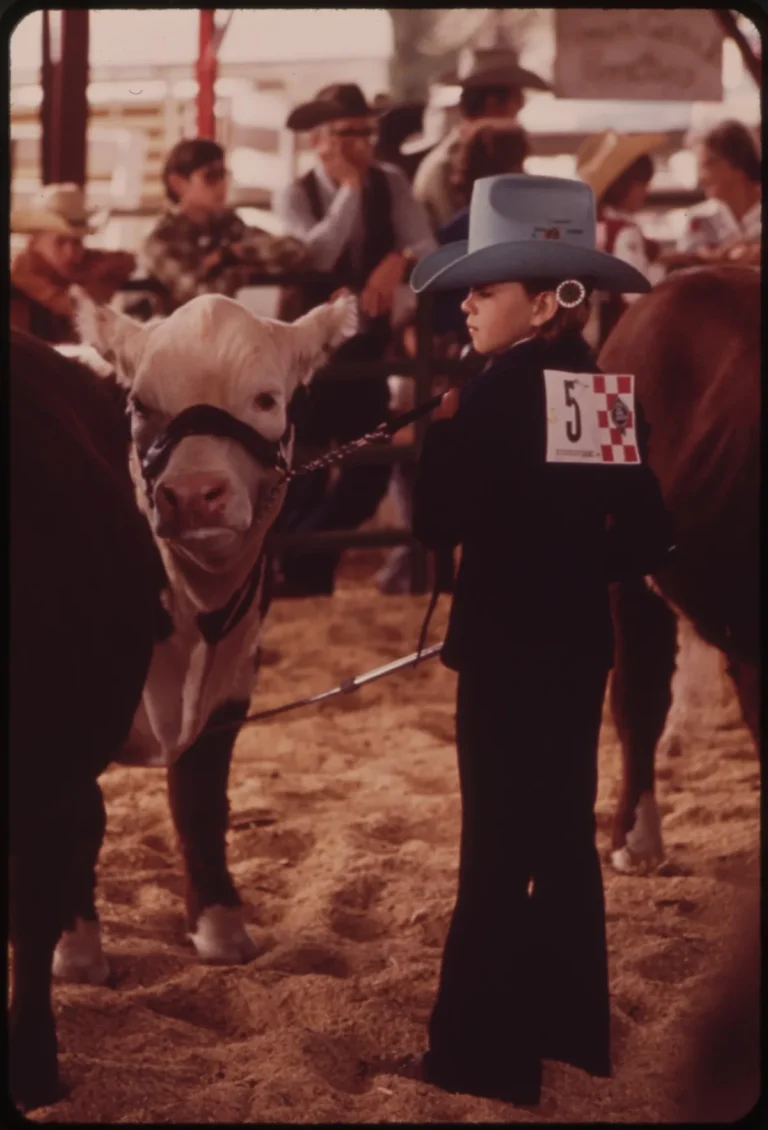
Family programming is what turns a parish fair into a tradition. Games, rides, contests, and exhibit areas give children something to do while adults stand around talking, and those are the memories that bring people back decades later. Older visitors get equal treatment — shaded seating, short walking distances, and a pace that does not require anyone to keep up.
Planning Your Trip to the Parish Fair
West Baton Rouge Parish is compact and easy to navigate, but a few local habits will make a fair day smoother.
Getting There from Baton Rouge and Beyond
The parish sits immediately west of Baton Rouge, connected by the Mississippi River bridge and by Interstate 10, which cuts straight through the area. Drivers coming from the capital cross the river and are essentially there. From farther out — Lafayette, New Orleans, the Felicianas — the interstate makes the parish a straightforward day trip, though bridge traffic is the one variable worth planning around.
Where to Stay Near Port Allen
Most visitors do not need a hotel. Port Allen and the surrounding parish sit close enough to Baton Rouge that many fairgoers sleep at home. Travelers who want to stay overnight will find the widest choice of rooms on the Baton Rouge side of the river, with a smaller selection of properties in and around Port Allen itself.
Parking Around the Fairgrounds
Parking is the classic fair bottleneck. Arrive early and you walk less; arrive mid-afternoon and you may circle. Locals treat the walk from the outer lots as part of the event, and many bring a cooler or a wagon rather than making multiple trips back to the car. Wear shoes you do not mind getting dusty.
Admission and What Things Cost
Admission to a parish fair of this kind is typically free, with money changing hands at the individual level — food, drinks, games, raffles, and vendor booths. That model keeps the event accessible to large families and means you can control your own spending simply by deciding how many times you stop.
Weather: Planning Around Louisiana Humidity
Autumn in south Louisiana is warm and often damp. Afternoon showers are a normal possibility, not a crisis, and the fair generally keeps moving through them. Bring water, a hat, sunscreen, and a light rain layer. Evenings cool off enough that a long-sleeved shirt is welcome if you plan to stay late.
A Sample Fair Weekend in Port Allen and the Parish
Start Saturday mid-morning, before the parking fills and while the food stands are still setting up. Walk the full loop once with no agenda, note which booths have the longest local lines, then eat. Early afternoon belongs to the stage and to the exhibit areas, where the parish’s school and community groups show their work.
Take a break in the late afternoon — go home, or find shade and sit — then return for the evening, when the fairgrounds are at their best. The heat drops, the lights come on, and the crowd shifts toward adults and older kids. Sunday, in most years, is the quieter day: shorter lines, more conversation, and a good window for anyone who wants to talk to vendors and volunteers rather than fight a crowd.
How the Parish Fair Compares to Nearby Louisiana Gatherings
West Baton Rouge’s fair sits in a crowded regional calendar. Baton Rouge, across the river, offers much larger festivals with bigger acts and heavier traffic — a different experience entirely, more urban and more anonymous. Donaldsonville, downriver in Ascension Parish, hosts its own community celebrations rooted in a similar river-parish history, with a historic downtown as the backdrop.
Plaquemine, in neighboring Iberville Parish, and New Roads, in Pointe Coupee, both keep parish-fair traditions of their own, and each draws a local crowd that treats the event as a homecoming. The difference with West Baton Rouge is scale and proximity: this is a fair you can attend on a whim from the capital, park, eat well, and be home before dark. It feels like a neighborhood function that happens to be open to the public.
Fair-Day Checklist for West Baton Rouge Parish Visitors
Cash for vendors and raffles, since not every booth takes cards. Comfortable shoes, a hat, sunscreen, and a refillable water bottle. A folding chair if you plan to sit near the stage. Bug spray for the evening hours. A wagon or tote if you have children or plan to carry food. A phone charger, because fair days run long. And a little patience for the parking lot — it is the only part of the day that ever feels rushed.
Beyond the Fairgrounds: Port Allen, the River, and the Rest of the Parish
Make a day of it. The Mississippi River levee in Port Allen offers walking and views back toward the Baton Rouge skyline, and the parish’s riverfront parks are a good place to let kids run off fairground energy. The old towns of Brusly and Addis sit just upriver and retain the shape of the agricultural communities that built the parish after 1807.
Port Allen itself has grown into a small commercial center with local restaurants, and the parish’s position on Interstate 10 makes it easy to combine a fair visit with a stop in Baton Rouge — the state capitol, the university campus, or the riverfront downtown. For travelers, the fair is a reason to cross the bridge; the parish is a reason to stay a few hours longer.
What a Fair Means to a Parish of 26,427 People
In a parish this size, institutions do double duty. The fair is recreation, but it is also the annual roll call — the place where you see the people you meant to call all year. It raises money for civic groups, gives local vendors a market, and puts school and community work in front of an audience that might otherwise never see it.
That is why residents describe the fair through habits rather than highlights. The event’s real value is continuity: the same weekend, the same faces, the same arguments about which food stand is best. For a parish that has absorbed two centuries of change along the river, that repetition is the point.
Pinpointing the Fair on the West Baton Rouge Parish Map
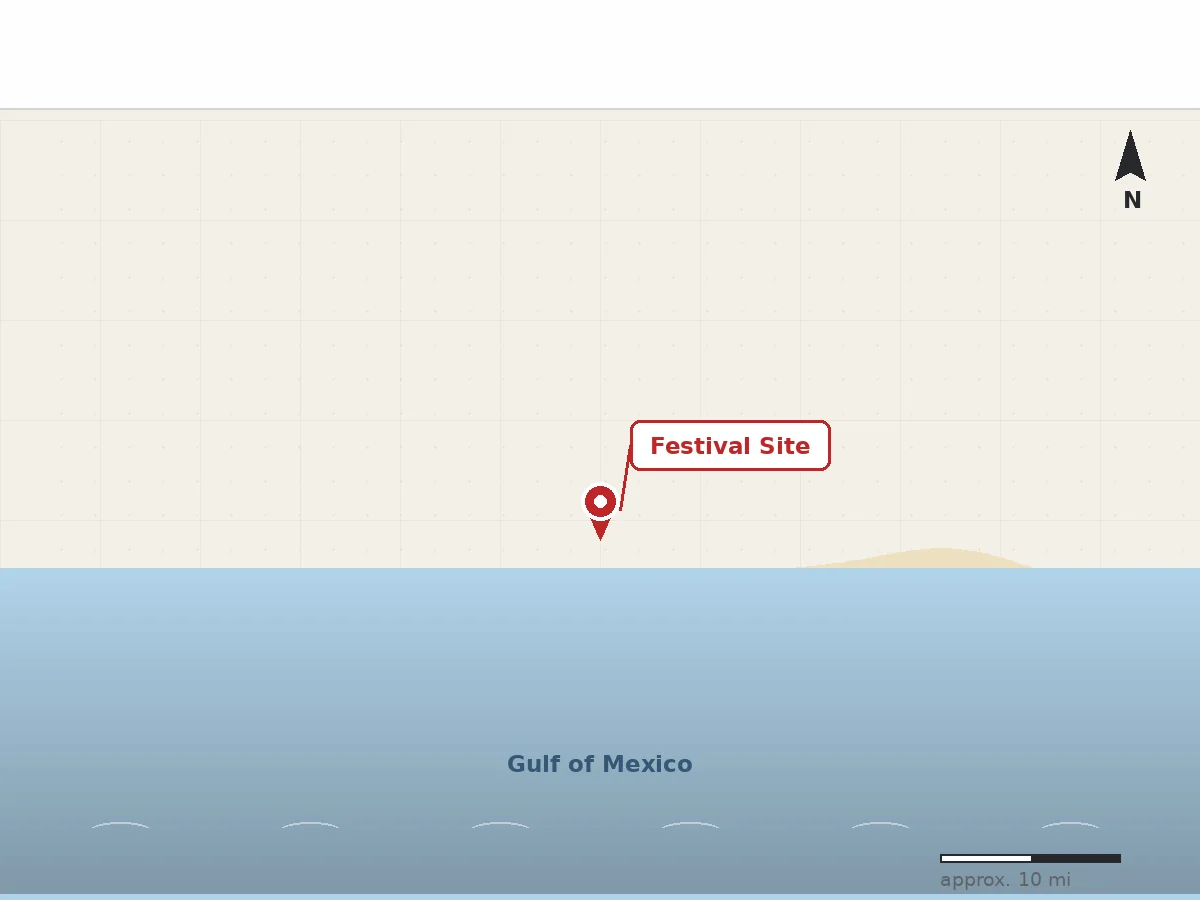
The fair takes place in the West Baton Rouge Parish area near Port Allen, the parish seat, just across the Mississippi River from Baton Rouge.
Before You Head to the Fair: What Locals Tell Visitors
When does the West Baton Rouge Parish Fair usually take place?
In most years the fair is held on a weekend during the autumn fair season, once the summer heat has eased. Because the exact weekend can shift from year to year, check local parish announcements before you make plans.
Is there an admission fee?
Admission is typically free. You spend money inside the grounds — on food, drinks, games, and vendor booths — so bring cash and set your own budget rather than expecting a single ticket price.
Is the fair suitable for young children and older visitors?
Yes. Parish fairs are built for mixed-age crowds, with family activities for children and shaded seating and gentle walking distances for older guests. The ground can be uneven and dusty, so sturdy shoes help everyone.
How far is the fair from downtown Baton Rouge?
The parish begins immediately across the Mississippi River from Baton Rouge, and Port Allen is the first town you reach after crossing. That makes the fair one of the closest rural community events to the capital — an easy half-day trip in either direction.
What the Next Decade Holds for the West Baton Rouge Parish Fair
The parish is growing, and growth always tests a community fair. More residents mean bigger crowds and more pressure on parking and space; it also means more volunteers, more vendors, and more families looking for a local tradition to join. The fair’s future depends on the same thing it has always depended on — people in Port Allen, Brusly, Addis, and the surrounding countryside deciding that one weekend a year belongs to the parish.
Expect the format to stay familiar rather than reinvent itself. Local food, local music, family activities, and a gathering that is as much reunion as festival. In a parish founded in 1807, that kind of continuity is not nostalgia — it is infrastructure.
Last updated: October 2026
If you go, go the way the parish goes: early, unhurried, and ready to talk to whoever ends up next to you in line. The West Baton Rouge Parish Fair is not trying to impress anyone from out of state. It is trying to be the weekend everyone in a 204-square-mile parish remembers, and in most years, that is exactly what it is.