Warren County Kentucky Warren County Fair Festival
A county fair in south central Kentucky is less a single event than a rhythm — the stretch of summer when the barns smell of shavings and livestock, the midway lights flicker on before dusk, and half the county runs into someone it knows. The Warren County Fair carries that rhythm into the Bowling Green area each year, pulling together families from across a county that covers 548 square miles.
This guide is written for the visitor who has never been, or who has not been since childhood: what the fair is, when it usually lands on the calendar, how to plan a day around it, and what to do with the rest of a weekend in Warren County. Expect practical detail rather than hype — this is a working county fair, and that is exactly the appeal.
Warren County Fair Basics for Bowling Green-Area Visitors
The essentials, before you start mapping out a route or a budget.
| Where it happens | The Warren County area, with Bowling Green as the main hub |
| County | Warren County, Kentucky |
| County seat | Bowling Green |
| Population | 134,554 (2020 census) |
| Region | South central Kentucky |
| County founded | December 19, 1796 |
| Land area | 548 square miles |
| Typical timing | Summer, usually a multi-day run in mid-to-late summer |
| Admission | General gate admission is typically free, with rides, games, and food sold separately |
| Setting | County fairgrounds with livestock barns, an exhibit hall, a midway, and a grandstand |
What the Fair Looks Like Across a Summer Week in Warren County
Ask ten Warren County residents what the fair is and you will get ten answers. For farm families, it is the payoff of a year’s work — livestock groomed for months, canned goods and quilts judged on folding tables, ribbons pinned to stall doors. For teenagers, it is the midway after dark. For grandparents, it is a grandstand seat on a Saturday night and a slow walk past the food row.
The fair typically runs several consecutive days in mid-to-late summer. Weekday evenings tend to be the calmest: shorter lines at the ticket window, easier parking, and room to actually talk to the exhibitors in the barns. Weekends bring the crowds, the headline grandstand events, and the loudest nights on the midway.
The layout is traditional and easy to read on foot. Barns and the exhibit hall usually anchor one end, the carnival midway the other, with food vendors lining the main walkway between them and the grandstand sitting off to one side. Most visitors can cover the entire grounds in a single evening without rushing — which is why so many families come back two or three times in the same week rather than trying to do everything in one night.
Two Centuries of Farming, Fairgrounds, and Community in Warren County
Warren County was founded on December 19, 1796, with Bowling Green as its seat, in the rolling country of south central Kentucky. Agriculture shaped nearly everything that followed — tobacco, corn, cattle, and hogs built the county’s early economy, and the small communities scattered across its 548 square miles grew up around that work.
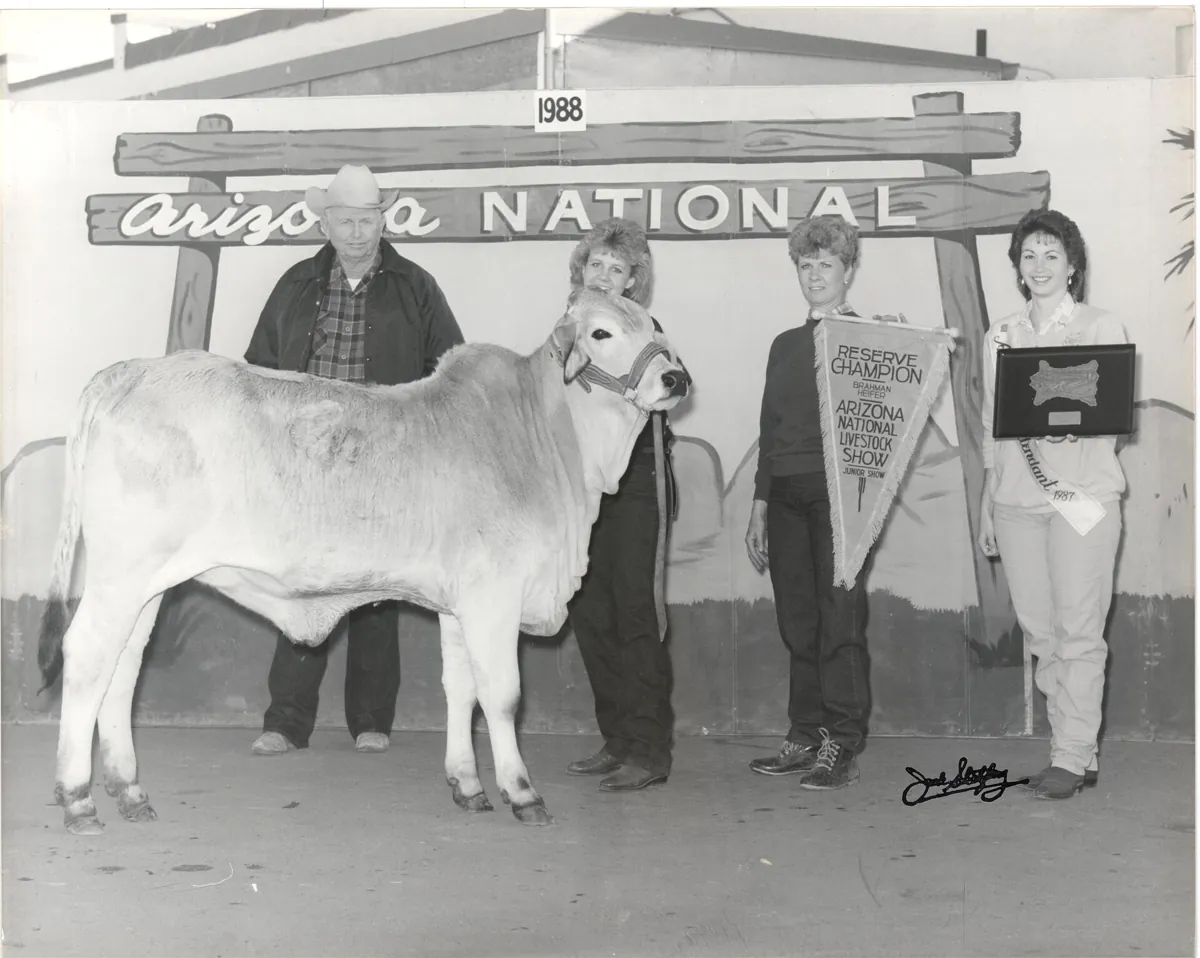
In the nineteenth century, county and district fairs became the standard way for farming communities to compare notes. An agricultural society would set aside a few days for livestock judging, grain displays, and household exhibits, then invite the surrounding countryside. Warren County’s fair tradition grew from that same impulse, and the earliest versions were closer to a livestock exhibition with a picnic attached than to anything resembling a modern midway.
Through the twentieth century, the fair broadened. Carnival rides arrived, then grandstand entertainment, motor sports, pageants, and youth competitions tied to school and agricultural programs. The barns stayed. So did the judging tables and the ribbons. In recent decades the fair has settled into its current shape: a summer gathering that treats heritage agriculture and carnival fun as two halves of the same week rather than competing attractions.
What You’ll Find on the Ground: Food, Stages, and Family Draws
Fair Food and Local Vendors
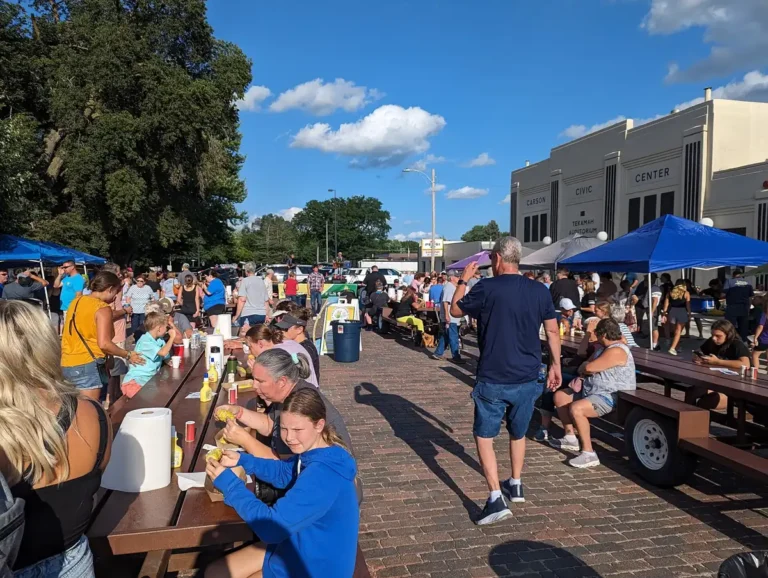
Food is the through-line of any county fair, and Warren County’s version leans on the classics: funnel cakes, corn dogs, hand-cut fries, smoked meats, lemonade shake-ups, and ice cream eaten too fast in the evening heat. Alongside the traveling concessions, you will usually find local groups running food stands as fundraisers — church kitchens, school boosters, civic clubs — which is often where the best value sits. Bring cash for the small stands, since not every vendor takes a card, and expect peak lines between roughly 6 and 8 p.m.
Live Music and Grandstand Entertainment
The grandstand is where the fair gets loud. Depending on the night, that can mean a local or regional band, a tractor pull, a demolition derby, or another motorized main event that fills the bleachers. Smaller stages and open areas around the grounds often host acoustic sets, dance groups, and community performances earlier in the evening. Seating at the biggest events fills early, so plan to claim a spot before the start time rather than strolling in at the last minute.
Family Activities and Youth Exhibits
Families with young children tend to orbit the kiddie rides and the exhibit hall. The hall is the quiet heart of the fair: photography, baking, canning, crafts, and school projects entered for judging, all displayed with scorecards attached. The livestock barns are equally good for kids, especially when exhibitors are on hand to answer questions about a calf or a goat. Many fairs also set aside time for youth showmanship classes, where young handlers lead animals in front of a judge — worth checking the daily schedule for, because it is often the most memorable hour of the week for the families involved.
Planning Your Trip from Bowling Green and Beyond
Getting There
Bowling Green is the natural base for a fair visit. The city sits at the center of Warren County, and most routes into the fairgrounds run through or near it. If you are coming from outside the county, Interstate 65 and the parkways that cross south central Kentucky make the drive straightforward, with Bowling Green as the obvious waypoint.
Where to Stay in the Bowling Green Area
Because Bowling Green is the region’s largest city, lodging is concentrated there — chain hotels near the interstate, plus smaller properties closer to downtown. Book early for fair weekends, since summer is already a busy season in a county that draws visitors for other reasons too. Campers and RV travelers should check ahead rather than assuming space will be available on arrival.
Parking at the Fairgrounds
On-site parking is the norm, with lots filling fastest on weekend evenings and during grandstand events. Arriving before the dinner rush buys you a shorter walk and an easier exit. Have a backup plan in mind for the busiest nights, and keep your group together when you park — rows of vehicles look alike after dark.
Admission and What Things Cost
Gate admission at fairs of this size is typically free, with the real spending happening inside: ride wristbands or tickets, games, food, and any paid grandstand events. That structure makes the fair easy to sample on a budget. Set a per-person limit before you walk in, decide in advance whether you are buying a ride wristband, and you will avoid the slow drain of one more ticket, one more lemonade.
Weather and What to Wear
Mid-to-late summer in south central Kentucky means heat, humidity, and the occasional evening thunderstorm. Dress light, wear shoes you can walk in on gravel and grass, and bring a layer for after sunset. If a storm rolls through, most fairs pause rides and outdoor events and resume once conditions clear — a good moment to duck into the exhibit hall.
A Sample Weekend at the Warren County Fair
Friday evening: Arrive in the late afternoon, walk the barns and exhibit hall while they are still quiet, then eat dinner from the food row around 6 p.m. Spend the last hour or two on the midway as the lights come up.
Saturday: Come earlier in the day for livestock judging and youth showmanship, take a midday break away from the grounds to cool off, then return for the grandstand event. Claim seats well before the start.
Sunday: A short final pass — grab anything you meant to buy, catch a last look at the exhibit hall results, and let the kids ride their favorites one more time before the fair closes out for the season.
How the Warren County Fair Compares with Neighboring Fairs
Neighboring counties across south central Kentucky — Barren, Simpson, Logan, Allen — each put on their own summer fairs, and the differences are worth knowing. Fairs in smaller, more rural counties tend to be tighter and more agricultural, with shorter lines, easier parking, and a stronger emphasis on livestock and home exhibits.
Warren County’s fair sits somewhere in between. Bowling Green gives it a larger, more mixed audience than a purely rural fair would draw, so expect a fuller midway and more entertainment options, while the barns and judging tables keep it grounded in the county’s farming roots. Compared with a downtown Bowling Green street festival, the fair is bigger, more spread out, and more traditional — a full evening rather than a couple of hours.
Packing and Prep Checklist for Warren County Fair Day
| Cash and a card | Small vendors and games often run on cash |
| Sunscreen and a hat | Summer sun lingers well into the evening |
| Comfortable closed shoes | Gravel, grass, and a lot of walking |
| Refillable water bottle | Cheaper and easier than buying all evening |
| Light rain jacket | Kentucky summer storms arrive fast |
| Small backpack | For water, snacks, and exhibit hall finds |
| Bug spray | Barn areas and evening grass |
| A meeting point plan | Groups split up; pick a landmark |
Beyond the Midway: Bowling Green and South Central Kentucky
Pair the fair with the rest of what Warren County offers. Mammoth Cave National Park lies a short drive away and makes an easy half-day trip. In Bowling Green itself, the National Corvette Museum, Lost River Cave, and the Western Kentucky University campus are all worth an afternoon, and the downtown square has a solid run of local restaurants and coffee shops.
Families often add Beech Bend Park for a second day of rides, while anyone wanting water and quiet heads for Barren River Lake. The Green River country around the county rewards a slow scenic drive, especially in the golden hour before sunset. In other words: build the fair into a weekend rather than treating it as a single stop.
One Summer Weekend, 134,554 Neighbors: The Fair’s Community Role
Warren County is home to 134,554 people, and the fair is one of the few occasions when a meaningful share of them end up in the same place at the same time. That matters in a county with a growing city at its center and farmland stretching out around it. The fair is where those two Warren Counties meet.
It is also an economic and civic engine in miniature. Local clubs raise money at food stands, small businesses sponsor events, students enter projects, and volunteers spend weeks preparing for a run that lasts only a handful of days. The ribbons and the funnel cakes are the visible part. The relationships built while organizing it are the part that lasts.
Where the Fairgrounds Sit in Warren County
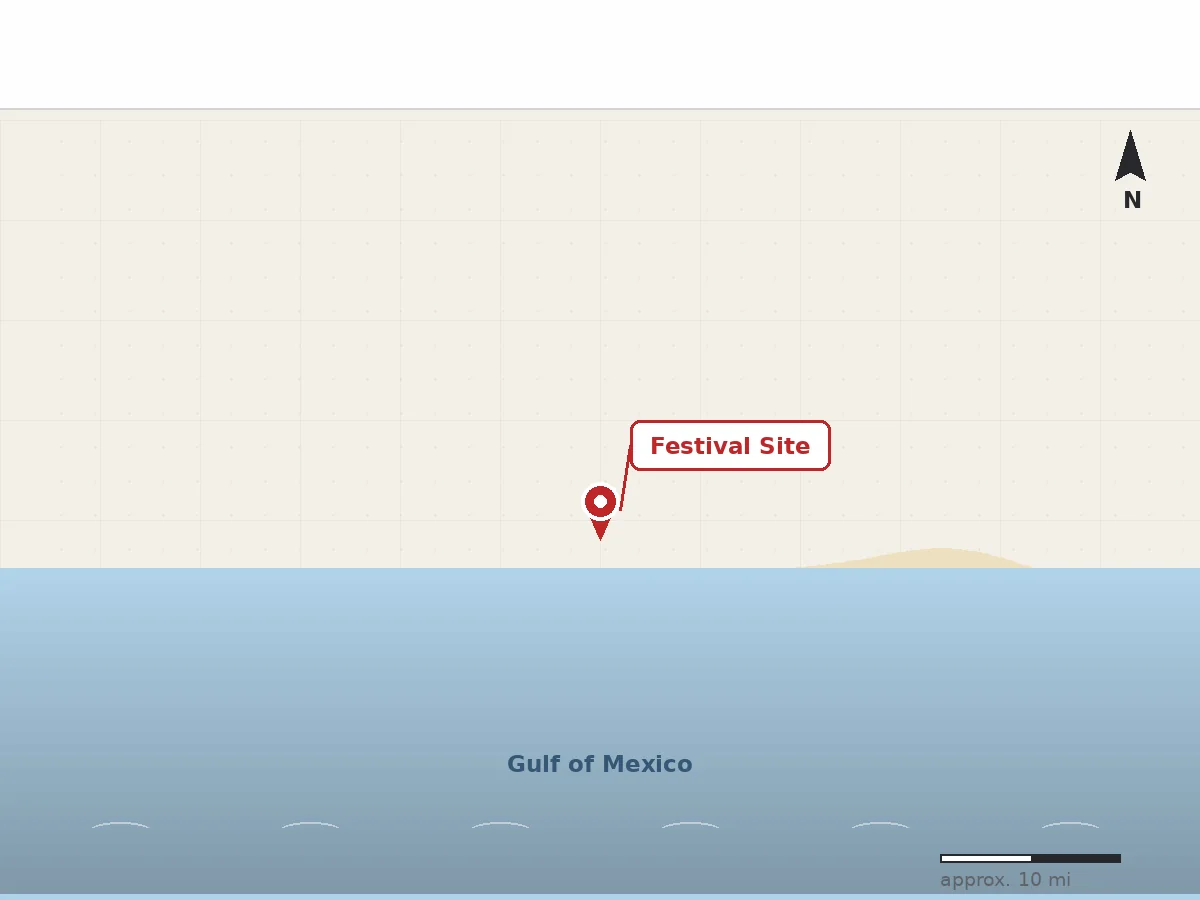
The Warren County Fair takes place at the county fairgrounds in the Warren County area, with Bowling Green — the county seat — serving as the practical reference point for directions, lodging, and supplies.
Warren County Fair Visitor Questions, Answered
When does the Warren County Fair usually take place?
In most years the fair is a summer event, typically running across several consecutive days in mid-to-late summer. Because exact dates shift annually, check the current season’s schedule before you plan travel or request time off.
How much does it cost to get in?
General gate admission at fairs of this size is typically free, with costs inside the grounds for rides, games, food, and any ticketed grandstand events. Budget for what you actually want to do rather than for entry.
Is it better to go on a weekday or a weekend?
Weekday evenings are calmer, with shorter lines and easier parking — good for families with small children or anyone who wants time in the barns. Weekends are busier but offer the biggest grandstand events and the fullest midway. If you can, do both.
What happens if it rains during the fair?
Summer storms in south central Kentucky tend to pass through quickly. Outdoor events and rides usually pause during lightning and resume afterward, and the exhibit hall is the natural place to wait it out. A light rain jacket beats an umbrella on a crowded midway.
What’s Ahead for the Warren County Fair
County fairs across Kentucky are adapting rather than fading. The pattern at Warren County’s fair is likely to continue: keep the agricultural core — livestock, judging, youth programs — while refreshing the entertainment side with new grandstand draws, updated midway offerings, and better use of the grounds for family programming.
For visitors, that means the essentials will stay familiar. Barns in the morning light, food row at dusk, the grandstand filling on a Saturday night. If you are planning ahead, watch for the season’s schedule in late spring, book Bowling Green lodging early for fair weekends, and treat the fair as the anchor of a wider south central Kentucky weekend.
Last updated: October 2026
Whether you come for the livestock show, the demolition derby, or simply a funnel cake eaten standing up while the midway hums around you, the Warren County Fair delivers the thing county fairs do best: a summer evening that feels like it belongs to the whole county at once. Plan a little, spend wisely, and leave room to come back a second night.