Oxford County Maine Fryeburg Fair Festival
Autumn in Oxford County arrives the way it always has: cold mornings along the Saco River, woodsmoke settling into the hollows, and a fairground slowly waking up north of the village. For anyone who has made the trip more than once, the Fryeburg Fair is less a single event than a season marker — the week when the barns fill with cattle, the grandstand fills with people, and the whole upper Saco valley smells like hay, diesel, and fried dough. This is the returning visitor’s version: what regulars already know, what first-timers tend to miss, and how to build a trip that actually works.
Fryeburg Fair Basics for Oxford County Visitors
| Town / place | Fryeburg, in the Oxford County area of western Maine |
| County | Oxford County, Maine (founded 1805) |
| County seat | Paris |
| County land area | 2,176 square miles |
| County population | Roughly 58,000 across the county |
| Region | Upper Saco River valley, near the New Hampshire line and the White Mountains |
| Typical timing | Each autumn, in most years during the first week of October |
| Admission | Ticketed at the gate; rates change year to year, so confirm before you travel |
| Setting | A permanent fairground with exhibition halls, livestock barns, a grandstand, midway and on-site camping |
| Features and organizer | Livestock and draft animal shows, harness racing, farm and craft exhibits, midway rides, food rows; organized by local volunteers from the surrounding farm towns |
Why Fryeburg Fair Week Still Pulls Me Back North Every Autumn
The Fryeburg Fair is a traditional agricultural fair first and a carnival second, and that order matters. Walk in through the main gate and the midway is right there, loud and bright, but keep going and the fair reveals its real spine: long barns of dairy cattle and draft horses, pens of sheep and goats, poultry cages, oxen, rabbit and vegetable displays, and exhibition halls full of preserves, quilts, and school art from towns all over the region. The fairground itself is a small seasonal village — permanent buildings, a racetrack and grandstand, camping areas, and enough acreage that you will genuinely walk a few miles before the day is out.
What makes it worth returning to is the rhythm. Mornings belong to exhibitors and to anyone who wants a quiet look at the animals. Midday brings the crowds and the food lines. Late afternoon is grandstand time. Evening softens everything — the lights come on, the midway gets busier, and the barns go quiet except for the shuffling of hooves. Regulars plan around that rhythm rather than fighting it.
Two Centuries of Farming Life in the Saco Valley
Oxford County was founded in 1805, and the landscape it governs is enormous — 2,176 square miles of farm, forest, lake, and mountain stretching from the New Hampshire border north toward the western highlands. Fryeburg sits in the upper Saco valley, where river-bottom intervals gave settlers some of the best tillable ground in the region. Dairy, hay, corn, potatoes, and orchard crops built the local economy, and the towns around the valley grew up around that work.
Agricultural fairs were how those communities took stock of themselves. A fair was part marketplace, part competition, part reunion: a place to show off a prize heifer, compare a season’s hay, trade breeding stock, and argue about weather with neighbors you hadn’t seen since the last one. The Fryeburg Fair grew out of that tradition and never really left it. Over the decades the midway arrived, the grandstand got bigger, camping spread across the grounds, and the fair became a regional draw rather than a strictly local one. The core stayed the same.
You can still see the layers. Older exhibition halls sit beside newer ones. The pulling ring and the racetrack are maintained with obvious care. Families who have exhibited at Fryeburg for generations still stake out the same corners of the same barns each autumn, which is exactly why the fair feels less like an attraction and more like an institution.
What a Day on the Fryeburg Fairgrounds Feels Like
Fair days are long and full, and the smartest approach is to pick two or three anchors — a pulling class, a race, a specific food stand — and let everything else happen around them.
Fair Food: Eat Breakfast Early, Graze All Afternoon
The food rows are a genuine part of the appeal. Expect the classics done well: sausage and pepper sandwiches, fried dough, hand-cut fries, cider, maple everything, baked goods from church and grange stands, ice cream from the dairy area, and hot coffee that tastes better than it should at seven in the morning. My advice is to eat a real breakfast before the crowds arrive, then graze — split things, share things, and don’t commit to a single giant meal at noon. Lines move fastest before eleven and after the grandstand empties.
Grandstand Sounds: Pulling, Racing and Evening Music
The grandstand is where the fair gets loud. Draft horse and ox pulling draw serious crowds and serious competitors, and the harness racing on the track is a genuine spectacle — fast, close, and easy to follow even if you know nothing about it. Evenings often bring live music or a special grandstand event. Arrive early for a seat in the shade, and bring a layer, because the temperature drops fast once the sun clears the treeline.
Family Ground: Barns, Midway and Hands-On Farm Displays
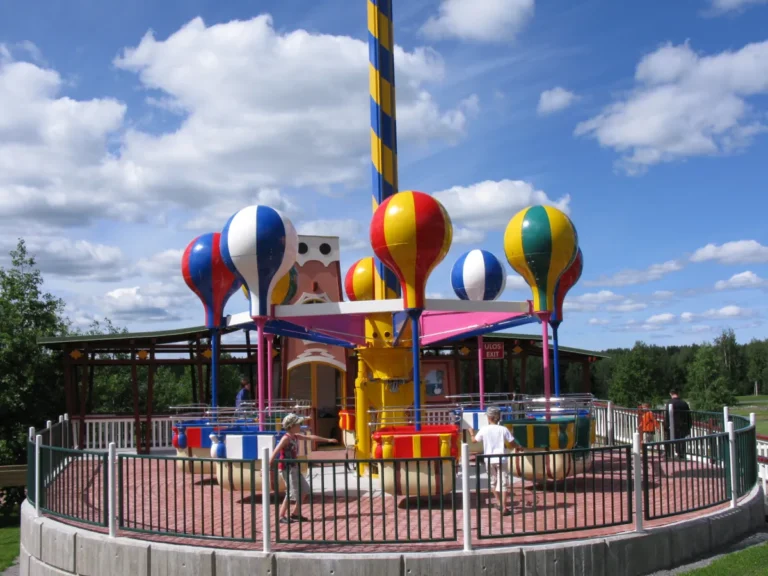
Families tend to split the day between the livestock barns and the midway. The barns are free entertainment in the best sense — kids can watch milking, see animals up close, and talk to exhibitors who are usually happy to answer questions. Youth agricultural exhibits and demonstrations give children something to do rather than just something to look at. The midway handles the rest, and stroller traffic is heavy but manageable if you avoid the narrowest aisles at peak hours.
Planning the Trip: Fryeburg in Early October
Fair week is the busiest week of the year in this part of Oxford County. A little planning goes a long way.
Getting There From Portland, Boston or the Mountains
Fryeburg sits in the far western part of the county, close to the New Hampshire line, which makes it reachable from several directions: down through the lakes region from the north, up the Saco valley from the south, or across from the White Mountain side. Traffic backs up on the main approaches during mid-morning and again around dinner. If you can travel early or late, do it.
Where to Stay Around the Oxford County Area
Lodging near Fryeburg — inns, motels, campgrounds, and rental homes — fills fast for fair week, often months ahead. Bethel, Bridgton, Norway, and the Conway side of the border are all reasonable alternatives if you don’t mind a drive. On-site camping at the fairgrounds is a tradition in itself and worth considering if you want to be on the grounds before the gates open.
Parking On and Off the Grounds
There is parking on the fairgrounds and in nearby lots, with plenty of informal options along the surrounding roads. Follow the signs and the attendants rather than your own instincts. Wear shoes you can walk in, note where you parked, and expect a slow crawl out at the end of the night.
Admission, Wristbands and What Cash Still Buys
Gate admission is charged, and pricing structures change from year to year, so check the fair’s official information before you go. Multi-day passes and children’s rates have traditionally been part of the mix. Bring some cash regardless — small vendors, church stands, and raffle tables are often cash-first even in an era of card readers.
October Weather and What to Wear
Early October in the Saco valley can deliver anything: warm sun, cold drizzle, wind, or a hard frost by evening. Dress in layers, bring a waterproof jacket, and wear broken-in boots. The grounds are largely gravel, grass, and dirt, and a wet year turns low spots muddy.
A Two-Day Itinerary for Returning Visitors
Day one, morning: arrive before the gates get busy, head straight for the barns while the animals are still being groomed, and grab breakfast from a stand near the exhibition halls. Midday, work the food rows and the craft buildings, then claim a grandstand seat for the afternoon pulling or racing.
Day one, evening: stay for the lights. The midway is at its best after dark, and the crowds thin enough that you can actually move. Eat dinner late, then walk the barns one more time on the way out — they’re peaceful at that hour.
Day two: come back for whatever you missed. Skip the midway entirely and spend the time in the exhibition halls, the poultry and small-animal buildings, and the agricultural demonstrations. Finish with a drive through the surrounding valley while the foliage is still holding, then stop somewhere in Fryeburg or across the line for a proper dinner.
Fryeburg Compared With Other Maine and New Hampshire Fairs
The Oxford County Fair, held in Oxford earlier in the season, is the county’s other anchor event — smaller, more locally focused, and easier to cover in an afternoon. Fryeburg is the bigger, longer, more full-day experience, with more grandstand programming and a deeper exhibition side.
Waterford’s World’s Fair, in the same county, is the opposite end of the spectrum: tiny, charming, and quick. Across the New Hampshire line, the Deerfield Fair offers a comparable New England agricultural fair experience with its own traditions and its own crowds. If you’re building a fall circuit, Fryeburg pairs naturally with any of them — just don’t try two fairs in one day.
The Regulars’ Checklist for Fryeburg Fair Week
Book lodging first, before anything else. Buy or confirm admission details in advance. Charge your phone and pack a battery, because signal gets strained when the grounds fill. Bring cash, a refillable water bottle, sunscreen, a rain shell, and a warm layer for after dark. Wear real shoes. Keep a meeting point in mind if you’re with a group, since cell service can be unreliable in crowds.
Leave the dog at home unless you’ve confirmed the rules. Arrive early, leave late, and don’t schedule anything important for the evening after — you’ll be more tired than you expect.
Beyond the Gates: The Rest of Oxford County
Oxford County is 2,176 square miles, and the fair sits in just one corner of it. Fryeburg itself is a classic western Maine village with a Main Street, a covered bridge nearby, and easy access to the Saco River. North of town, the valley gives way to the White Mountain National Forest and Evans Notch, with hiking, swimming holes, and some of the best fall color in the state.
Further afield, Grafton Notch State Park and the Mahoosuc range reward a day trip, Kezar Lake and the Bridgton lakes offer paddling and leaf-peeping, and Bethel, Norway, and South Paris each have their own small-town center worth an hour of wandering. If you’re coming for the fair, build in a half day for the landscape around it.
What Fair Week Means to Oxford County’s Farm Towns
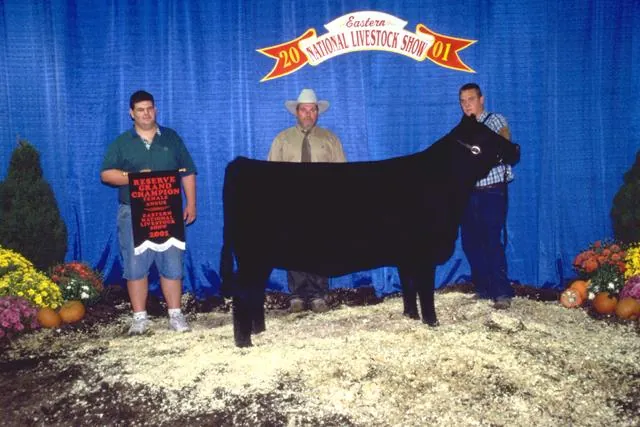
For the farm families who exhibit, fair week is the payoff for a year of work. A blue ribbon on a heifer or a winning load of hay is not a novelty — it’s a professional credential, and it gets talked about for months. The same is true for the baking, canning, quilting, and craft entries, which represent hours of unpaid labor and genuine skill.
The fair is also an economic engine for a rural county, supporting vendors, campgrounds, inns, and gas stations at the tail end of the tourist season. More than that, it’s a reunion. Generations of families converge on the same grounds each autumn, and the result is one of the most durable community rituals in western Maine.
The Fairgrounds on the Upper Saco: A Quick Locator
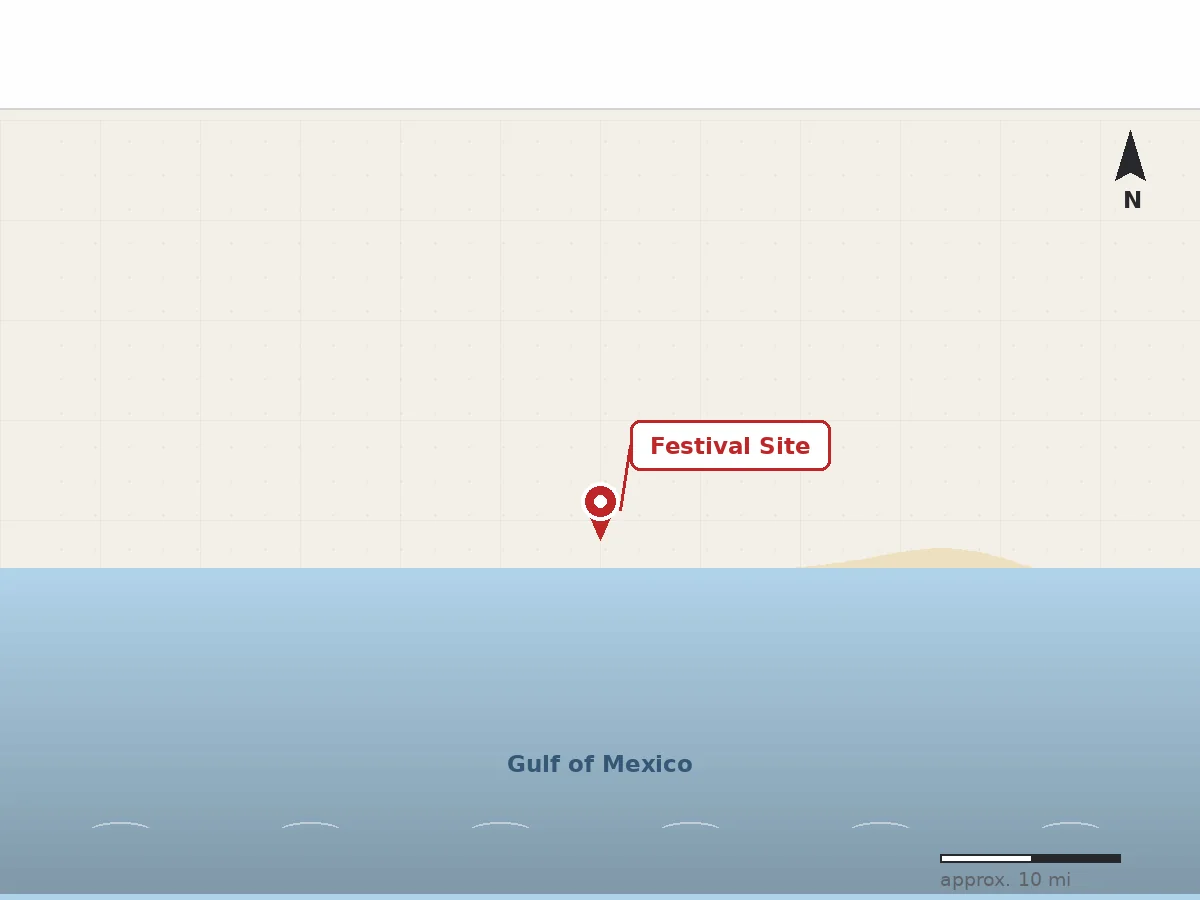
The Fryeburg Fair takes place on its permanent fairgrounds just outside the village of Fryeburg, in the upper Saco River valley near the New Hampshire border in western Oxford County.
Fair Week Questions I Get Asked Every Year
How long does the Fryeburg Fair run?
In most years the fair runs for roughly a week, typically during the first week of October, with gates open from morning into the evening. Because the exact schedule shifts year to year, confirm the current dates through the fair’s official information before you plan travel.
Is it worth going if I don’t care about farming?
Yes. The midway, the food rows, the grandstand events, and the sheer scale of the grounds make it a full day out for anyone. That said, the agricultural side is what distinguishes Fryeburg from a generic carnival, and it’s worth an hour of your time even if it isn’t why you came.
Can I bring children and a stroller?
Absolutely — this is a family-oriented fair with plenty for kids, from the animal barns to youth exhibits. A stroller works fine on the main paths but gets difficult in the gravel and mud of the barn areas and on crowded midway aisles. A carrier is easier for smaller children.
Do I need to book lodging far in advance?
Yes, and earlier than you think. Fair week is the busiest stretch of the year for lodging in and around Fryeburg, and nearby towns fill up as well. If you’re planning to stay overnight, reserve well ahead and treat anything available close to the grounds as a stroke of luck.
Looking Ahead to Coming Fryeburg Fair Seasons
The fair’s future looks much like its past: an agricultural fair that keeps its farming core while adapting to what visitors want. Expect continued investment in the grounds and barns, more attention to accessibility and family programming, and a schedule that still revolves around livestock, pulling, and racing rather than the midway.
For anyone planning ahead, the safest approach is to treat the fair as a fixed autumn fixture — first week of October in most years — and to verify dates, admission, and camping details each season. Plan early, travel early, and stay late.
Last updated: October 2026
Fryeburg is one of those places where a fair still does what fairs were invented to do: gather a rural county in one spot, put a year’s work on display, and give everyone a reason to stand in the same field and talk. Go once and you’ll understand the appeal. Go twice and you’ll start marking the calendar by it.