Natchitoches Parish Louisiana Natchitoches Christmas Festival
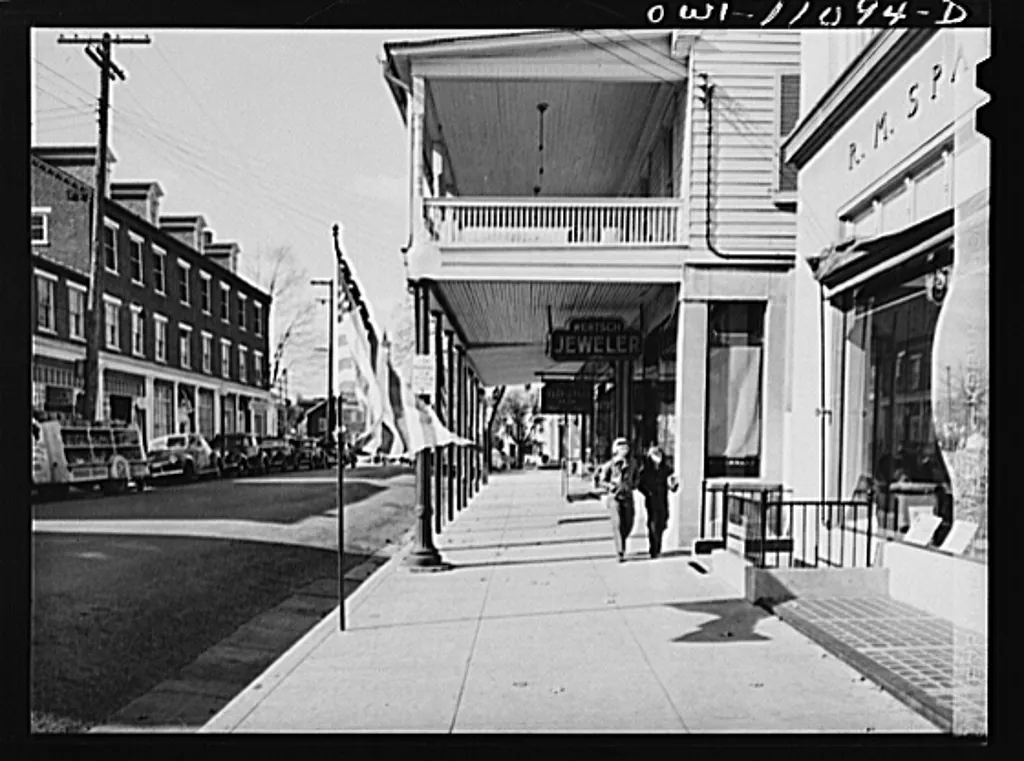
Natchitoches is a river town before it is anything else. It gives its name to Natchitoches Parish, founded in 1805, a 1,299-square-mile sweep of north-central Louisiana that counted 37,515 residents at the 2020 census. The town serves as the parish seat, and its historic core sits on a bend of Cane River Lake, where brick storefronts, iron balconies, and live oaks have watched the water slide past for generations.
Every holiday season that waterfront becomes the stage for Natchitoches Christmas, a celebration that turns the downtown into a walkable gallery of light. What began as a modest local effort to brighten a few streets has grown into a weeks-long tradition with fireworks, a lighted boat parade, and visitors arriving from across the South to stroll the same bricks the town has been polishing for two centuries.
Natchitoches Christmas: The Basics in One Table
Before the details, a quick orientation to where the festival sits, when it runs, and what it costs to enjoy.
| Town | Natchitoches, Louisiana |
| County (parish) | Natchitoches Parish |
| County seat | Natchitoches |
| Population | 37,515 (2020 census) |
| Region | North-central Louisiana, Cane River country |
| Typical timing | Late November into early January, with the biggest crowds on a weekend in early December |
| Admission | Free to walk the downtown light display |
| Setting | Historic downtown streets and the banks of Cane River Lake |
| Signature features | Riverfront lights, fireworks, lighted boat parade |
| Organizer | Local civic and community organizations |
About Natchitoches Christmas: A River Town Dressed in Light
Natchitoches Christmas is a holiday festival staged in the historic downtown of Natchitoches, Louisiana, along the banks of Cane River Lake. Its centerpiece is a sprawling outdoor light display threaded through the streets, draped over storefronts, and reflected in the still water of the river, which functions as a mirror for the whole scene after dark. Because the display sits inside a working downtown rather than behind a gate, it blends with the town instead of interrupting it.
The season stretches from late November into early January in most years, with the heaviest programming clustered around a weekend in early December. Walking the lights costs nothing. Visitors park, step onto the bricks, and follow the glow along the river, past shops and restaurants that stay open late through the season. The parish around it — rural, wooded, and spread across 1,299 square miles — empties into this one walkable district each December evening.

From a Few Strands to a River of Light: How Natchitoches Christmas Grew
The tradition took root in the 1920s, when residents of a small river town decided that a few strings of bulbs along the business district were worth the trouble. That first effort was modest by any measure, but it caught on. Merchants added lights. Neighbors added more. The display crept down side streets, wrapped around lampposts, and eventually reached the water itself, where reflections doubled the effect and made the river an unofficial part of the decoration.
Through the middle decades of the twentieth century, the event grew from a lighting project into a civic ritual with a schedule: a parade, an evening of fireworks over the river, and a season that gave the town a second identity alongside its historic architecture. The festival also became a reunion. Families who had moved away for work timed visits home around the lights, and that habit never really faded.
In recent decades the celebration has settled into the shape visitors know today — a long holiday season anchored by a signature weekend, with the downtown historic district as the stage and Cane River Lake as the backdrop. The scale changed, but the logic did not. Natchitoches still lights its own streets, still gathers on the riverbank, and still measures the arrival of Christmas by how the water looks after sunset.
What Awaits You in Downtown Natchitoches: Food, Music, and Family Fun
Expect crowds, cold hands, and a lot of walking — but also expect the whole downtown to be open, warm, and loud in the best way. Here is how the evening usually breaks down.
Food Along Front Street and the Riverbank
Louisiana cooking is the real attraction between light displays. Vendors set up along the riverfront with the festival staples — gumbo, fried seafood, sausage, kettle corn, hot chocolate — while the town’s own restaurants serve meat pies, crawfish dishes, and plate lunches that have fed this parish for generations. Expect lines at peak hours and expect them to move. The practical advice is simple: eat early, before the fireworks crowd arrives, and save room for something sweet on the walk back.
Music, Fireworks, and Evening Entertainment
Live music runs through the season, with stages and street corners hosting everything from holiday standards to Cajun and country sets. The headline moment is the fireworks show over Cane River Lake, when the lights on the water compete with the lights in the sky. Before that, the lighted boat parade sends decorated vessels down the river in a slow procession that draws the biggest crowds to the banks. Arrive early for a spot near the water.
Family Activities for Kids in Natchitoches
This is an easy festival to bring children to. The display is free, the streets are walkable, and the stroller traffic is heavy enough that nobody minds a slow pace. Families typically build the evening around the lights, a hot drink, the boat parade, and the fireworks, with a stop at a shop for a small souvenir. Holiday home tours and church programs round out the season for visitors who want something quieter than the riverside.
Planning Your December Trip to Natchitoches Parish
Getting to Natchitoches by Car
Natchitoches sits in north-central Louisiana, roughly an hour southeast of Shreveport and about an hour northwest of Alexandria, with Interstate 49 running through the parish and U.S. highways feeding the downtown from every direction. Almost everyone arrives by car, and the drive itself is part of the appeal — pine woods, cattle pastures, and river bottoms. Fuel up before you reach town on busy weekends.
Where to Stay Near Cane River Lake
Lodging inside the historic district puts the lights outside your door and is the first to fill for the signature weekend, so book well ahead. Bed-and-breakfast inns along the river and small hotels near downtown are the most convenient options. Chain hotels on the highway edges of town are a practical fallback, and Alexandria or Shreveport make sense for travelers who decide late and do not mind a drive.
Parking in Downtown Natchitoches
Downtown parking is limited and the streets closest to the river close or restrict traffic during the biggest evenings. Use the designated lots and shuttle points on the edges of the district and walk in. Wear real shoes — the bricks and riverbank paths are uneven, and December dampness makes them slick after dark. If you have mobility concerns, drop passengers near the district before parking.
What the Natchitoches Christmas Season Costs
Admission to the light display and the downtown streets is free, which is why so many families make it an annual stop. Money goes to food, drinks, parking, souvenirs, and any separately ticketed events that appear on the season schedule. Budget for restaurant meals rather than vendor snacks if you want a sit-down dinner, and carry a little cash for smaller vendors.
December Weather Along the Cane River
North-central Louisiana in December means mild afternoons and genuinely cold nights, with damp air that makes fifty degrees feel sharper than it sounds. Rain is always a possibility, and the river holds mist in the early evening. Layer up, bring a waterproof jacket, and plan on gloves for the hours you spend standing still watching the water and the sky.
A Sample Weekend Under the Natchitoches Lights
Friday afternoon: arrive early enough to check in and walk the historic district in daylight, when you can see the architecture behind the decorations. Eat dinner downtown before the evening crowds build, then take a slow loop along the river as the lights come on.
Saturday morning: browse the shops, grab coffee and a pastry, and visit the riverfront while it is quiet. Spend the middle of the day on a nearby plantation site or a drive through the Cane River countryside.
Saturday evening: claim a riverbank spot well before the boat parade, keep the family fed from vendors, and stay put through the fireworks. Walk the full light route afterward, when the crowds thin and the reflections are best.
Sunday: a late breakfast, one last daylight stroll past the storefronts, and a slow drive home. If you have time, take the long way out through the parish and see what the rest of Natchitoches Parish looks like when the lights are behind you.
Natchitoches Christmas Compared with Nearby Louisiana Towns
Alexandria, an hour to the southeast, offers bigger-city amenities and its own holiday programming, but it lacks a walkable historic riverfront on the Natchitoches scale. Shreveport and Bossier City, up Interstate 49 to the northwest, bring casino entertainment and large civic celebrations, yet the experience is spread across a metropolitan area rather than concentrated in one district you can cover on foot.
Monroe and West Monroe, off to the northeast along the Ouachita River, have a comparable river-town charm and their own seasonal events, which makes them a reasonable alternative for travelers coming from that direction. What sets Natchitoches apart is the combination: a genuinely old downtown, water that reflects every bulb, and a season long enough that you can visit on a quiet Tuesday instead of fighting a Saturday crowd.
A Practical Checklist for the Natchitoches Christmas Season
Book lodging early if you want to be downtown in early December; check the season schedule before you commit to a date; reserve restaurant tables for the big evenings or plan to eat at off-peak hours; pack layers, rain gear, and comfortable shoes for brick and gravel; bring cash for vendors and small shops; charge phones and cameras before the evening walk; arrive before dusk for riverbank positioning; and keep a backup plan for a rainy night, since the lights still shine and the town is still open.
Beyond the Lights: Natchitoches Parish and the Cane River Country
The festival is the reason many people come, but the parish rewards a longer stay. Cane River country is a rural landscape of pecan groves, cotton fields, and historic sites tied to the Creole families who shaped this part of Louisiana. The downtown historic district itself is worth a daylight visit, with its wrought-iron galleries and riverfront brickwork, and the surrounding roads lead past churches, plantations, and small communities where the pace slows considerably.
Outdoor travelers can find water access, trails, and quiet backroads within a short drive, and hunters and anglers treat the parish as a year-round destination. Add a day on either side of your festival visit and Natchitoches stops being a stopover and starts being a trip.
What the Natchitoches Christmas Season Means to the Parish
In a parish of 37,515 people spread across 1,299 square miles, a festival of this size is a shared civic project. Volunteers staff the events, merchants extend their hours, churches and schools build their calendars around it, and families plan reunions to coincide with the lights. The economic effect reaches restaurants, inns, shops, and the small businesses that depend on a strong December.
Just as important is the continuity. A tradition that began with a few strands of bulbs in the 1920s is now part of how this town understands itself, and the river that once carried steamboats now carries the reflection of the season. That is a rare thing for any community to sustain.
Where Natchitoches Christmas Happens on the Map
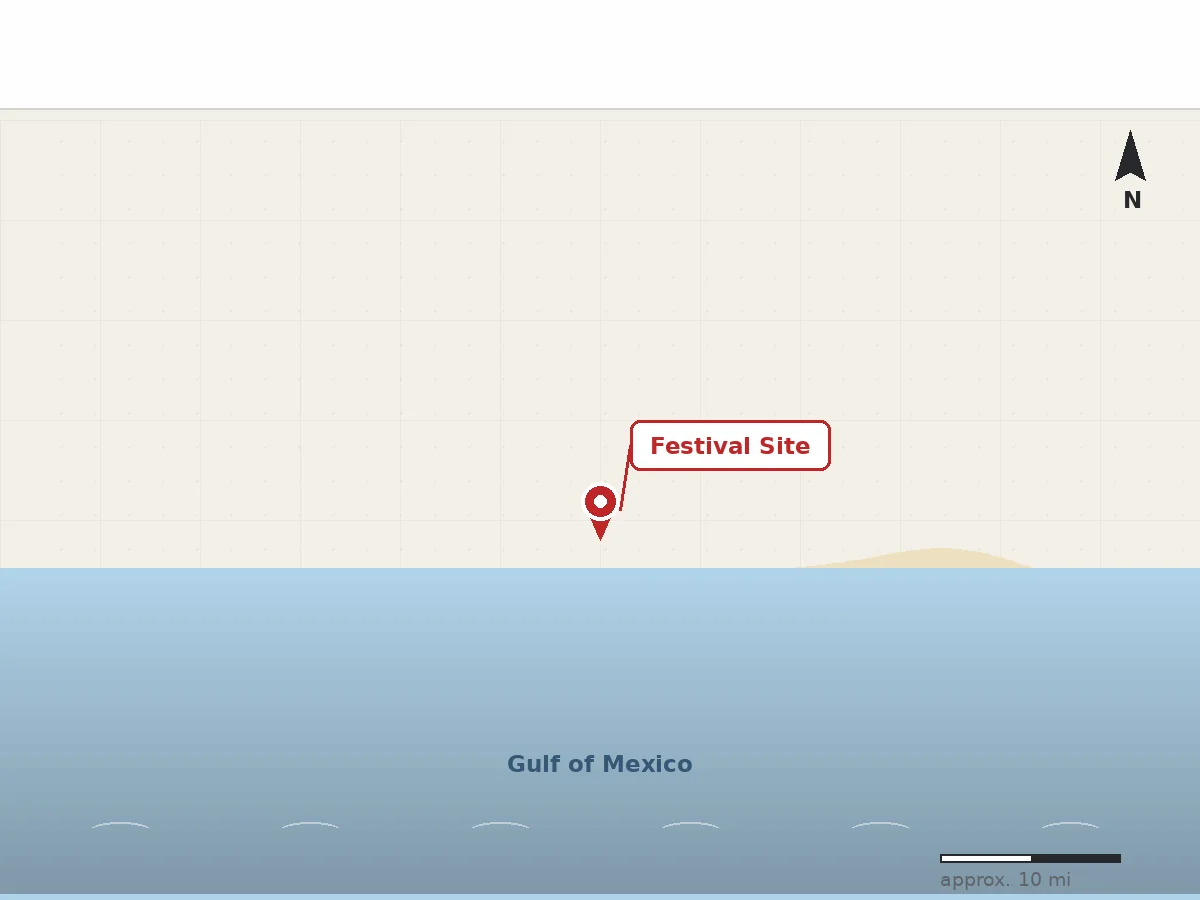
The celebration centers on the historic downtown of Natchitoches, Louisiana, along the banks of Cane River Lake in Natchitoches Parish.
First-Time Visitor Questions About Natchitoches Christmas
Is the Natchitoches Christmas light display free?
Yes. Walking the downtown display and the riverfront costs nothing, and that has long been part of its appeal for local families. Your spending will go to food, parking, souvenirs, and any separately ticketed events listed on the season schedule.
How crowded does downtown Natchitoches get in December?
The signature weekend in early December draws the largest crowds, with the riverbank filling well before the boat parade and fireworks. Weeknights earlier in the season are noticeably calmer, and a midweek visit gives you the same lights with far more breathing room.
Can I bring children and pets to the festival?
Children are everywhere at this festival, and strollers handle the downtown streets reasonably well. Pets are a different matter: crowds, music, and fireworks make the riverfront stressful for animals, so it is usually kinder to leave dogs at home or at your lodging.
What should I wear for an evening in Natchitoches?
Dress for a cold, damp evening rather than a Louisiana warm spell. Layers, a waterproof outer shell, closed shoes with grip, and gloves will keep you comfortable through hours of standing along the river, where the air feels colder than the forecast suggests.
Looking Ahead at Christmas in Natchitoches Parish
The festival’s future looks steady. Natchitoches has kept this tradition alive for generations by treating it as a community obligation rather than a marketing campaign, and that approach tends to survive changing tastes. Expect the season to remain long, the downtown display to remain free to walk, and the river to keep doing what it has always done — doubling every light and giving the town a second, shimmering skyline each December.
For travelers, the practical takeaway is unchanged: come for the lights, stay for the food and the countryside, and book early if you want to be downtown on the biggest weekend. The town rewards the effort.
Last updated: October 2026
Natchitoches Christmas is one of those rare events where the setting does as much work as the schedule. A parish seat founded alongside its parish in 1805, a river that behaves like a mirror, and a downtown built for walking all combine into a season that feels less like an attraction and more like an invitation. Go once and you will understand why so many families in this corner of Louisiana mark the year by it.