Madison County Kentucky Millstone Festival
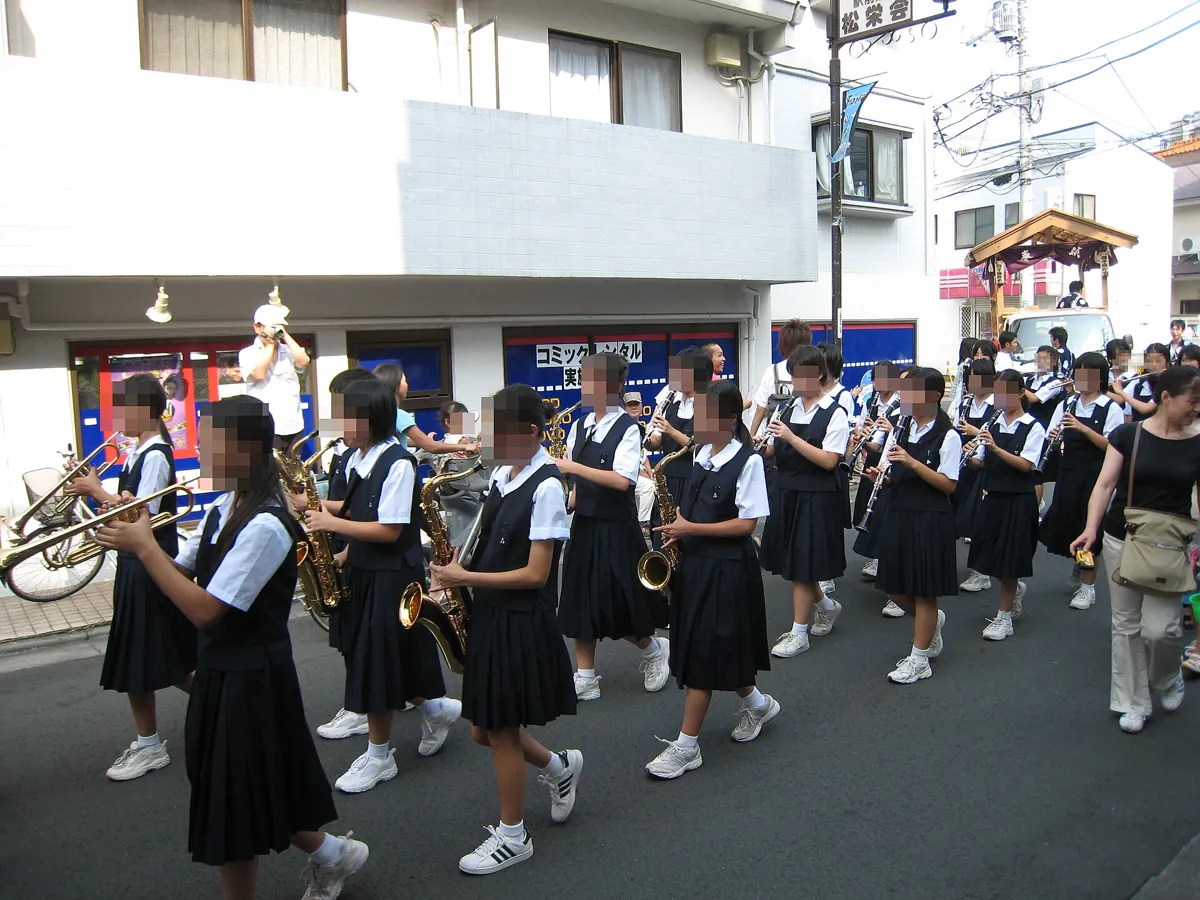
There is a particular pleasure in returning to a festival you already know — arriving with a plan, greeting vendors you recognize, knowing which corner goes quiet when the music starts. The Madison County Kentucky Millstone Festival rewards exactly that kind of familiarity. Set in the Madison County area of central Kentucky, with Richmond serving as the county seat, it is a gathering built around the region’s milling and grain heritage, and it unfolds across a weekend each autumn. First-timers see a lively local event. Return visitors start to see the rhythm underneath it, and that rhythm is what this piece is written to explain.
Millstone Festival Essentials for Madison County Visitors
| Festival | Madison County Kentucky Millstone Festival |
| Town / area | The Madison County area, central Kentucky |
| County | Madison County, Kentucky |
| County seat | Richmond |
| County population | 92,701 |
| Region of state | Central Kentucky |
| County land area | 443 square miles |
| Typical timing | A weekend each autumn, in most years during October |
| Admission | Typically free to enter, with vendors selling food and goods |
| Setting and features | Outdoor community grounds; milling heritage displays, food vendors, live music, family activities |
Those are the fixed points. Everything else — which band closes the night, which food stand runs out first — shifts a little from year to year, which is precisely why a second visit feels different from the first.
What the Millstone Festival Actually Is
The name is the whole idea. A millstone is the heavy, grooved wheel that turned grain into flour and meal, and it stood at the center of rural life in places like Madison County long before paved roads and grocery chains. The festival takes that object — practical, unglamorous, essential — and builds a weekend around it: how the county fed itself, how families worked the land, and how those traditions still shape the landscape across 443 square miles of rolling central Kentucky.
In practice, that means an outdoor, walkable event with a strong local accent. You will find heritage displays and demonstrations alongside the things any good county festival offers: food, music, craft and farm vendors, and activities aimed squarely at families. It is not a ticketed arena show or a corporate expo. It is the kind of gathering where the person selling you cornbread is also the person who explains how the mill worked, and where the crowd thins out for a few minutes when everyone drifts toward the stage.
Madison County was founded on December 15, 1785, and named for Virginia statesman James Madison, so the county’s sense of its own history runs deep. The Millstone Festival fits naturally into that instinct — a way of turning local memory into something you can walk through, taste, and carry home.

How Kentucky Milling Traditions Led to a Madison County Gathering
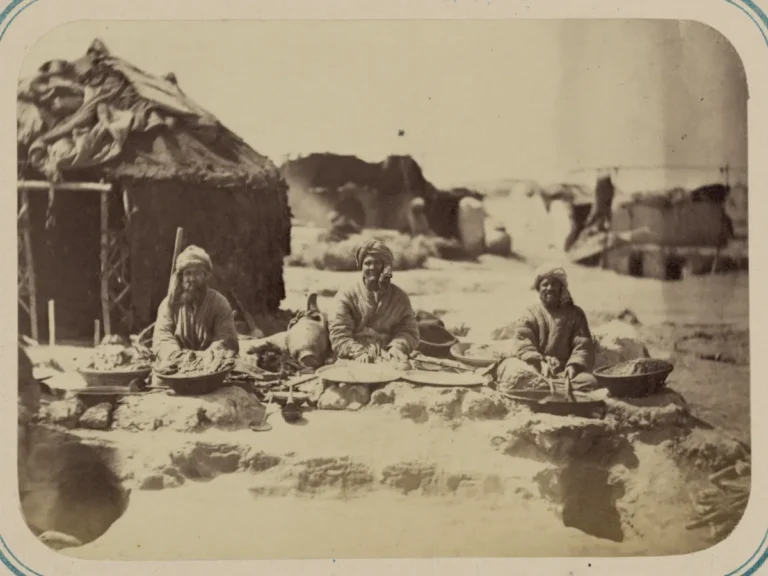
Madison County’s story begins in the late eighteenth century, when the county was established in December 1785 and named for James Madison of Virginia. Settlement across central Kentucky moved quickly into farming, and farming in that era meant grain — corn above all, plus wheat — and grain meant grinding. Small water-powered mills appeared along the county’s creeks and rivers, and the millstone became one of the most valuable objects a community could own.
Over the following century, Madison County grew around Richmond as its county seat, and the mill sites became gathering points in their own right: farmers brought grain, traded news, and stayed to talk. When industrial milling consolidated into larger operations, those small mills faded, but the physical traces did not disappear entirely — old foundations, dam sites, and stones that ended up as doorsteps or garden ornaments.
The modern festival grew out of a simple impulse: rather than let that history sit in a museum case, put it in a field with music and food and let people walk up to it. In a short timeline, the arc looks like this — a county founded in 1785 and named for James Madison; a nineteenth century of water-powered mills and grain farming; a twentieth century of consolidation and quiet loss; and a present-day weekend event that gathers the pieces back into public view. Today the county’s population of 92,701 includes plenty of people whose families worked that land, and plenty of newcomers who simply like a good autumn Saturday outdoors.
What a Day at the Millstone Festival Feels Like
Arrive mid-morning and the grounds still feel unhurried. By early afternoon the walkways fill, the food lines lengthen, and the music carries across the whole site. Here is how the day tends to break down.
Food That Tastes Like a Madison County Kitchen
Expect the deep, unfussy flavors of central Kentucky: soups and stews, grilled meats, cornbread and cornmeal-based dishes that nod to the milling theme, plus the funnel cakes and lemonade shake-ups that no festival escapes. Church groups, farm families, and local vendors typically do the cooking, which is why the portions are generous and the recipes are not trying to impress anyone. Returning visitors already know to eat early, before the popular stands sell through, and to save room for something sweet on the walk back to the car.
Music, Demonstrations, and the Sound of the Grounds
Live music runs through the day, usually a mix of bluegrass, country, and regional rock from Kentucky bands, with the loudest sets saved for late afternoon and evening. Between sets, the heritage side of the festival takes over: grinding demonstrations, tools and stones on display, and volunteers who can talk for twenty minutes about the difference between a runner stone and a bed stone. For a returning visitor, the demonstrations are often the best part of the second trip, because you finally stop rushing past them.
Family Activities for Short Legs and Long Afternoons
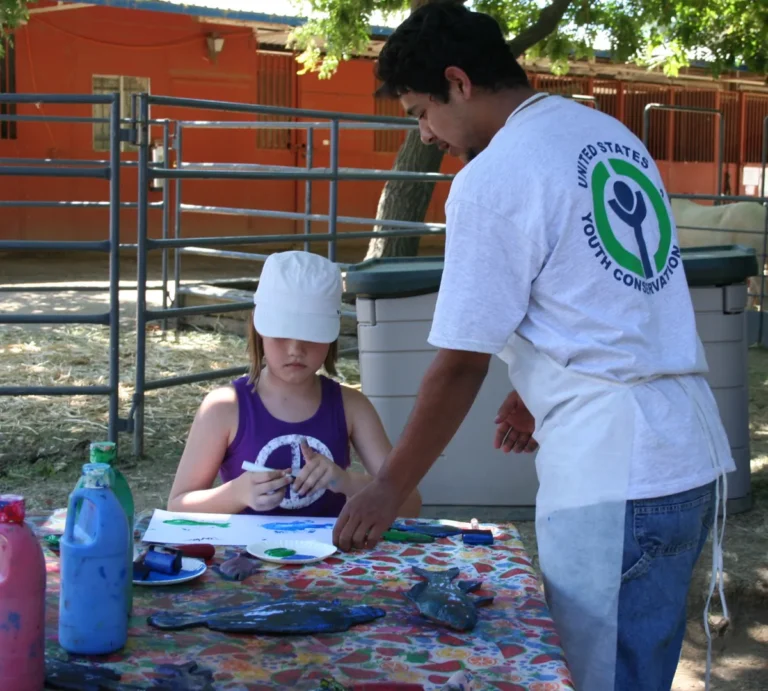
Children’s programming is a fixture: hands-on activities, old-fashioned games, craft tables, and demonstrations simple enough for a six-year-old to follow. Strollers manage fine on most of the grounds, though grass and gravel sections can be bumpy after rain. A practical tip from repeat visitors — bring a blanket, claim a spot near the stage early, and treat it as base camp for the afternoon rather than trying to see everything on foot at once.
Planning a Millstone Weekend from Richmond Outward
A little preparation turns a good festival day into an easy one. These are the questions that come up most often.
Getting to the Madison County Area
Richmond sits in central Kentucky along the Interstate 75 corridor, which makes the county an easy drive from Lexington to the north, Berea to the south, and much of the Bluegrass region in between. Most visitors arrive by car. If you are coming from farther out, plan your route around the festival’s daytime hours rather than fighting evening traffic on the way home.
Where to Stay Around Richmond and Beyond
Richmond has the widest choice of hotels and motels, and its position as county seat means it is also where you will find the most restaurants open late. Berea and the Lexington area offer additional rooms within a comfortable drive, which helps on busy autumn weekends when local lodging fills. Campers and RV travelers generally look toward private campgrounds in the surrounding countryside.
Parking Without the Usual Frustration
Festival parking is typically field or lot parking near the grounds, sometimes with a short walk across grass. Arrive before the midday rush and you will park close; arrive at one o’clock and you will be grateful for comfortable shoes. Keep a mental note of a landmark near your car — a tree line, a tent, a sign — because a field full of vehicles looks identical after dark.
Admission, Cash, and What Things Cost
Entry is typically free, with the festival funded through vendors, sponsors, and community support. Bring cash in small bills even if some sellers take cards; small vendors appreciate it, and it keeps lines moving. Budget for food, drinks, crafts, and anything the kids spot on the first lap — because they will.
Central Kentucky Weather and What to Wear
Autumn in central Kentucky is generous but changeable: warm, sunny afternoons and noticeably cool evenings, with the occasional rain system rolling through. Dress in layers, pack a light rain jacket, and wear shoes you do not mind getting dusty or damp. A folding chair and a refillable water bottle round out the kit nicely.
A Sample Millstone Weekend Itinerary
Friday evening. Arrive in Richmond, check in, and spend an hour walking the historic downtown blocks. Eat dinner somewhere local, then turn in early — Saturday starts sooner than you think.
Saturday morning. Reach the grounds before the crowds. Walk the heritage displays first while they are quiet, then work the food row while lines are short. Grab a shaded seat near the stage and settle in.
Saturday afternoon. Catch a music set, let the kids loose on the activity tables, and make a second pass through the vendor tents for anything you talked yourself out of in the morning. Stay for the evening performance if the weather holds.
Sunday. Sleep in, then explore the county at a slower pace — farm stands, back roads, and a long lunch before the drive home. It is the part of the weekend returning visitors always wish they had planned for the first time.
Millstone vs. Other Central Kentucky Gatherings
Madison County’s festival calendar is crowded, and knowing how the Millstone compares helps you decide how to spend your autumn weekends.
Berea, just down the road, leans into its artisan and craft identity, with studio tours and handmade goods as the main draw. The Millstone Festival feels more agricultural and heritage-focused by comparison — you come for the milling story, the demonstrations, and the food.
Lexington-area festivals tend to be larger, with bigger stages and more commercial vendors. That scale is fun, but it comes with longer lines and heavier traffic. The Millstone Festival keeps a smaller, more neighborly feel, where you can plausibly run into the same family three times in one afternoon.
Neighboring county harvest celebrations share the season and the general spirit, but each has its own local flavor. If you have a free weekend, stack two of them — the Millstone on Saturday and a nearby community festival on Sunday — and you get a real sense of how central Kentucky celebrates autumn.
The Returning Visitor’s Millstone Checklist
Before you leave the house: check the weather forecast and dress in layers; charge your phone and bring a battery pack; load cash in small bills; pack folding chairs, a blanket, sunscreen, and a water bottle; confirm the current weekend’s hours through local sources since timing can shift year to year.
At the grounds: park early and photograph your parking row; walk the heritage exhibits before the crowds arrive; eat before noon; claim a stage-side spot with the blanket; and ask a volunteer one question about the milling process — that single conversation is what most people remember.
Before you go: buy something from a small vendor, drop a few dollars in the donation jar if one is out, and take a minute to note what you would do differently next year. That note is what makes the third visit better than the second.
Beyond the Millstone Grounds: Madison County Between Events
The festival is a weekend, but Madison County is 443 square miles of central Kentucky countryside that rewards a slower look. Richmond, the county seat, anchors the area with its historic downtown, local restaurants, and the everyday rhythm of a small Kentucky city of a county home to 92,701 people.
Drive the back roads and you will pass working farms, old barns, and creek bottoms where mills once stood. Farm stands sell produce and preserves in season. Berea, with its craft tradition and college-town atmosphere, makes an easy half-day trip, and the wider Bluegrass region offers scenic drives in every direction. If you have an extra morning, spend it without an agenda — that is usually when the county shows you its best side.
What the Millstone Means to Madison County
For a county founded in 1785 and named for James Madison, heritage is not an abstraction. It is the reason a millstone — a heavy, work-worn object with no obvious beauty — can anchor an entire weekend. The festival gives local families a reason to tell their stories out loud, gives vendors and musicians a paying audience, and gives the wider community a shared date on the calendar that is not about politics or business.
It also does quieter work. Volunteers learn event skills. Young people see their county’s history treated as something worth celebrating. Visitors from outside the area spend money in Richmond and the surrounding towns. A festival like this is community infrastructure as much as it is entertainment.
Where the Millstone Festival Happens
The Madison County Kentucky Millstone Festival takes place in the Madison County area of central Kentucky, with Richmond, the county seat, as the natural base for visitors.
Practical Answers for Millstone Festival Regulars
Is the Millstone Festival free to attend?
Admission is typically free, with the event supported by vendors, sponsors, and the local community. You will spend money on food, drinks, and crafts, so bring cash in small denominations even if some sellers accept cards.
When does it usually take place?
The festival is held on a weekend each autumn, in most years during October. Because exact dates can shift, confirm the current weekend through local Madison County sources before you plan travel or lodging.
Is it a good fit for young children and older visitors?
Yes. The grounds are walkable, the atmosphere is relaxed, and there is programming aimed at families alongside the music and heritage displays. Visitors with mobility concerns should note that grass and gravel sections can be uneven, especially after rain, so sturdy shoes and a little patience go a long way.
How do I get more out of a second visit?
Slow down. Skip the first-lap rush, spend real time at the milling demonstrations, and talk to the people running the stands instead of just buying from them. Then build in a Sunday of county exploring. Returning visitors consistently say the second trip is when the festival stops being an event and starts feeling like a place.
Looking Ahead for the Millstone Festival
Madison County keeps growing, and its population of 92,701 is a reminder that central Kentucky is changing while its rural traditions hold steady. The Millstone Festival sits right at that intersection: an old story told in a modern way, in a county that has been doing this since December 15, 1785. Expect the heritage focus to remain the anchor, with food, music, and family programming carrying the day. If you have never been, plan a first visit. If you have, you already know why the second one is better.
Last updated: October 2026
Come for the food and the music, stay for the demonstrations, and leave with a little more understanding of how this corner of central Kentucky fed itself for two centuries. That is the trade the Millstone Festival offers, and it is a fair one.