Lincoln County Kentucky Lincoln County Fair Festival
The Whitaker family is up before the heat settles in. Coffee goes into travel mugs, a cooler gets packed, and two kids are hustled into the truck for the short drive toward Stanford, the seat of Lincoln County — a county of 24,275 people spread across 337 square miles, founded in 1780 and still held together by farmland, small towns, and a calendar that bends around the fair.
Their day is not unusual. It is the day thousands of families in the Lincoln County area live out each year: the gate, the barns, the midway, the benches by the show ring, the slow walk back to the truck after dark. What follows is that day, told in order — and everything a first-time visitor should know before making the same trip.
Lincoln County Fair Essentials in One Table
| Festival | Lincoln County Fair |
| Area | Lincoln County, Kentucky, around Stanford |
| County seat | Stanford |
| County population | 24,275 (2020 census) |
| County land area | 337 square miles |
| County founded | 1780 |
| Region | Central Kentucky |
| Typical timing | Summer months; dates set year by year |
| Admission | Generally free at the gate; food, rides, and games sold separately |
| Setting and organizer | Outdoor fairground in the Lincoln County countryside, run by local volunteers and community groups |
What the Lincoln County Fair Actually Is
The Lincoln County Fair is a county fair in the classic Kentucky mold. It gathers the county in one place for a stretch of days in the summer months, with livestock barns and exhibit halls on one side and a midway of rides, games, and food stands on the other. Gate admission is typically free; the money a family spends goes to food, rides, games, and whatever catches a kid’s eye.
What makes it matter is the setting. Lincoln County covers 337 square miles, and Stanford has served as its seat since the county’s earliest days. The fair is one of the few events that pulls both halves of that map — farm families and town families — onto the same few acres. For the Whitakers, it is the week the rest of the season gets planned around.
From a 1780 County Seat to Fairground Tradition
Lincoln County was founded in 1780, making it one of the older counties in Kentucky, and Stanford has long been its seat. For most of that history, life here has been tied to the land — crops, livestock, and work measured in seasons rather than hours.
County fairs across Kentucky grew out of that agricultural world. They began as exhibitions where farmers compared animals, seed, and produce, and where a ribbon from a judge carried real weight in the community. The Lincoln County Fair belongs to that lineage, and even as it has added rides, music, and concession stands, the older purpose has never fully disappeared.
Walk through the barns in the late afternoon and you can still see it: exhibitors brushing animals, kids practicing for a showmanship class, neighbors comparing notes on a season that ran too wet or too dry. That continuity is the fair’s quiet argument for itself.
The Sights, Sounds, and Small Triumphs of Fair Week
By the time the Whitakers park, the grounds have a rhythm. Families drift in from the parking area, kids pull toward the midway, and older visitors head straight for the exhibit hall. Here is what fills the hours between.
Fair Food Along the Lincoln County Midway
Food is half the reason anyone comes. Expect the familiar lineup — fried dough, corn dogs, barbecue, lemonade, ice cream — alongside stands run by local civic groups and churches selling the kind of food that does not appear anywhere else during the year. The Whitakers eat early, before the lines thicken, and save room for something sweet on the walk out.
Music, Grandstand Nights, and Evening Entertainment
Evenings are when the fair gets loud. Live music, grandstand events, and whatever entertainment the organizers have arranged for the year draw a crowd toward the center of the grounds. The exact lineup changes from season to season, so it is worth checking what is scheduled before you pick a night. Between sets, the midway stays busy well past dark.
What Kids Do at the Lincoln County Fair
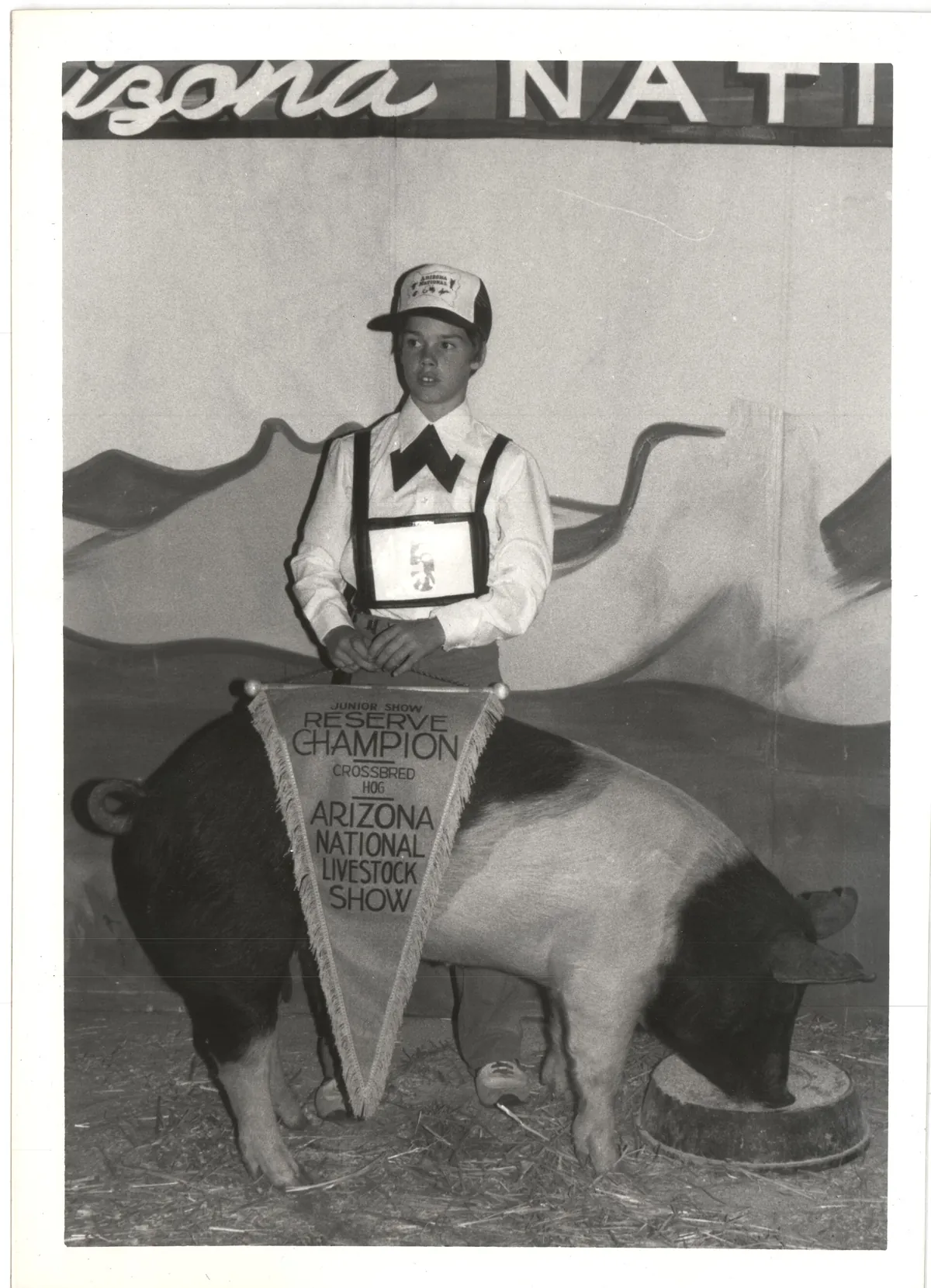
Children get the best of the fair. There are kiddie rides for the smallest visitors, games that cost a dollar or two, and barns where animals can be seen up close — often the highlight for kids who do not live on a farm. The exhibit halls matter too, with baking, canning, photography, and craft categories open to young exhibitors. The Whitaker kids enter something every year, and the ribbon, win or lose, ends up on the truck dashboard.
Planning a Fair Day from Stanford Outward
The fair is easy to reach and easy to enjoy, but a little planning separates a good evening from a frustrating one.
Getting to the Lincoln County Fairgrounds
Stanford sits at the center of Lincoln County, and most visitors arrive by county roads and state highways that funnel in from the surrounding countryside. From nearby counties the drive is short; from farther out, plan for a rural route that slows after dark. Load your directions before you leave so you are not reading a phone at an unfamiliar intersection.
Where to Stay Near Stanford
Lodging inside the county is limited, so many out-of-town visitors base themselves in larger nearby towns and drive in for the evening. If you are coming for a fair weekend, book early — summer weekends fill up across the region. Campers and RV travelers should confirm options locally before assuming a spot will be open.
Parking Around the Fairgrounds
Fairground parking fills quickly in the early evening, especially on nights with grandstand entertainment. Arrive before the dinner rush if you want a short walk, follow the directions of parking volunteers, and carpool if your group is arriving in several vehicles. Avoid parking on road shoulders; county roads are narrow and dark.
Admission and What a Night Out Costs
Gate admission is generally free, which makes the fair an affordable outing for a family. Budget instead for food, rides, games, and any exhibit purchases. Cash still moves faster than cards at many stands, and smaller vendors may not take cards at all, so carry some small bills.
Summer Weather and What to Wear
Summer in this part of Kentucky means heat, humidity, and the occasional afternoon storm. The middle of the day is the hottest stretch; evenings cool off enough to make a light layer useful. Bring water, sunscreen, and hats, keep an eye on the sky, and wear closed-toe shoes — gravel, grass, and barn floors are unkind to sandals.
A Sample Two-Day Lincoln County Fair Weekend
Day one. Arrive in the late afternoon, while the sun is still high but the worst of the heat has passed. Start in the barns and exhibit halls, where the crowds are thinner and the animals are still awake. Eat dinner from the stands while the lines are short, then let the kids loose on the midway before the evening entertainment begins. Leave before the final rush, or stay for the last set and walk out with everyone else.
Day two. Come back earlier the next day, when the rides are running and the heat has not yet peaked. Ride first, then tour the barns again for the livestock show, which is often the best window to watch exhibitors work. Take a slow break in the shade during the hottest hours, and return in the evening for the grandstand. The second visit is usually the one where the fair stops feeling like an event and starts feeling like a habit.
How the Lincoln County Fair Compares to Nearby Counties
Neighboring counties all hold their own version of this week. Boyle County, with Danville as its seat, has a larger population base and a busier year-round events calendar. Garrard County, around Lancaster, keeps a smaller, more agricultural feel. Casey County, based in Liberty, is known regionally for its apple-themed celebrations in the fall.
Lincoln County sits between those poles. It is small enough that you will run into people you know — 24,275 residents spread across 337 square miles, a good share of them concentrated on the grounds during fair week — and large enough to support a full midway and a busy schedule. Visitors who like Danville’s polish or Lancaster’s scale will find something in between here.
A Fair-Goer’s Checklist for Lincoln County
Before you leave the house: cash in small bills, water bottles, sunscreen, hats, and a charged phone. Wear shoes you can walk in on gravel and grass. Bring a tote for anything you buy, and a light layer for the walk back after dark.
At the fair: agree on a meeting point before your group splits up, especially with teenagers heading for the midway and younger kids heading for the barns. Note your parking row. Feed everyone before the lines get long, and check the schedule early so you do not miss the one event you came for. On the way out, count heads, check the bench you were sitting on, and expect a slow exit from the lot.
Beyond the Fair: Stanford and the Lincoln County Backroads
Stanford rewards a slow morning. The county seat is small, but it is the kind of small that has a grocery, a place to eat, and a downtown where people stop to talk — and it makes an easy base for a day that is not entirely about the fair.
The rest of the county is worth the drive. Across 337 square miles, the roads run past working farms, fencerows, and creeks, with small communities scattered in between. Take a back route to or from the fairground and you will see the county as it actually is — the reason the fair exists in the first place.
For families making a weekend of it, the pattern works well: fair in the evening, county roads and a long breakfast during the day, and one more pass through the barns before heading home.
Why Fair Week Still Matters in Lincoln County
Lincoln County is not a place where everyone sees everyone else often. With 24,275 residents spread across 337 square miles, daily life happens in separate orbits: separate schools, separate errands, separate routines. Fair week collapses those orbits into a few acres.
That is why the fair matters beyond the rides. It is where civic groups raise money, where young exhibitors learn to speak to a judge, where a farmer hears about a neighbor’s season, and where a kid from town learns what a heifer weighs. The county has been organized since 1780, and the fair remains one of the few traditions that still speaks to every part of it.
It is also, plainly, fun — the kind that does not need a theme or a brand. That is rarer than it used to be.
Getting Your Bearings Near Stanford
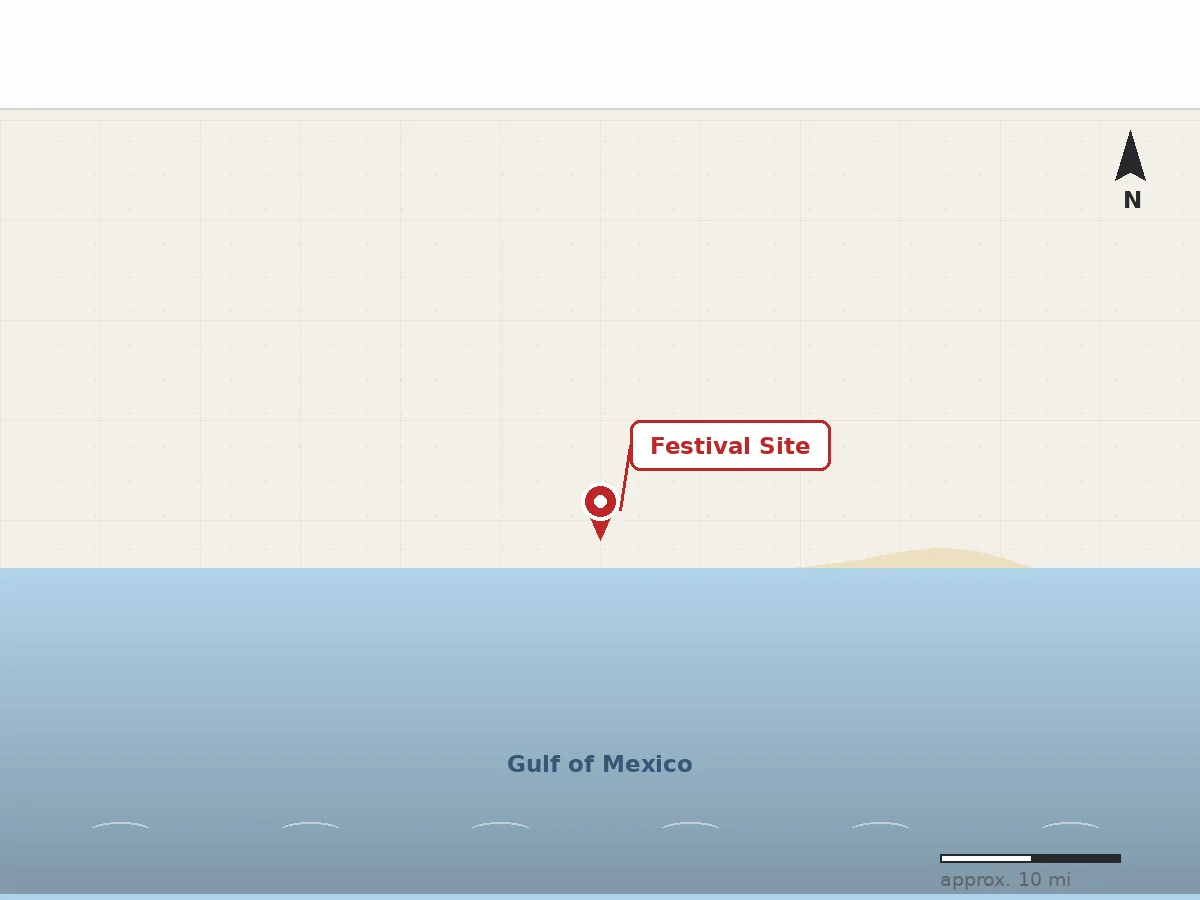
The Lincoln County Fair takes place in the Lincoln County area around Stanford, Kentucky, the county seat at the center of a 337-square-mile county.
Lincoln County Fair Questions, Answered
When is the Lincoln County Fair usually held?
The fair is typically held during the summer months, with exact dates set year by year. Because the schedule shifts, the safest approach is to watch local listings in the weeks before you plan a trip.
Is there an admission charge at the gate?
Gate admission is generally free, so a family can walk in without buying a ticket. Costs come from food, rides, games, and vendor purchases, and many stands prefer cash, so bring small bills.
Is the fair a good outing for young children?
Yes. The fair is built for families: kiddie rides, games, animals in the barns, and exhibit categories open to young entrants. Go early in the evening while the heat is manageable, and expect gravel paths and grass rather than pavement.
Can I enjoy the fair in a single evening?
Absolutely. One well-planned evening covers the barns, the exhibit hall, dinner from the stands, and a pass through the midway. Returning for a second night is a bonus, not a requirement.
What Comes Next for the Lincoln County Fair
County fairs do not stand still. Entertainment tastes shift, ride operators change, and the agricultural side of the fair keeps adapting as farms change hands and new families take up exhibiting. The Lincoln County Fair will keep adjusting to all of it, as it has for generations.
What is unlikely to change is the shape of the week: barns and exhibit halls in the afternoon, a midway at dusk, and a crowd that includes half the county. As long as Stanford remains the seat of a 337-square-mile county of 24,275 people, there will be a reason to gather.
For anyone planning a visit, the advice is simple: watch for the summer dates, keep an evening free, and bring cash and comfortable shoes.
Last updated: October 2026
The Whitakers pull out of the parking area as the lights on the midway start going dark. Both kids are asleep before the county road straightens out, and a ribbon or two is somewhere on the floorboard. In a few weeks the fairground will be quiet again — and next year they will make the same drive, eat the same dinner, and walk the same barns. That is what a county fair is for.