Kennebec County Maine Monmouth Fair Festival

Monmouth is a small Kennebec County town of farm fields, back roads, and a village center anchored by Cumston Hall, and each late summer it does something dozens of Maine towns once did and far fewer still manage: it puts on an agricultural fair. The Monmouth Fair turns open ground into a working showcase of the region’s farms — pens of cattle and sheep, draft animal pulls, prize vegetables, baking entries, and a midway that glows after dark. This is not a theme-park version of rural Maine. It is the genuine article, run by people who live here all year.
Monmouth Fair Essentials: The Kennebec County Details
| Town | Monmouth, Maine |
| County | Kennebec County |
| County seat | Augusta |
| County population | 123,642 |
| Region | Central Maine, Kennebec Valley |
| Typical timing | Late summer, usually during August |
| Admission | Gate admission is generally free; individual vendors, rides, and activities set their own prices |
| Setting | Rural fairgrounds ringed by working farmland |
| Features | Livestock shows, agricultural exhibits, midway rides, fair food, live entertainment |
| Organizer | The local agricultural fair association that stages the event each year |
What the Monmouth Fair Actually Is
Strip away the funnel cakes and the Ferris wheel and the Monmouth Fair is a farm show with a carnival attached. The heart of it is competitive exhibition: cattle, sheep, goats, poultry, and horses brought in by local owners and young exhibitors who have spent the spring and summer halter-training, grooming, and rehearsing. Judging happens in the barns and in the show ring, often within earshot of the midway, which is part of the charm.
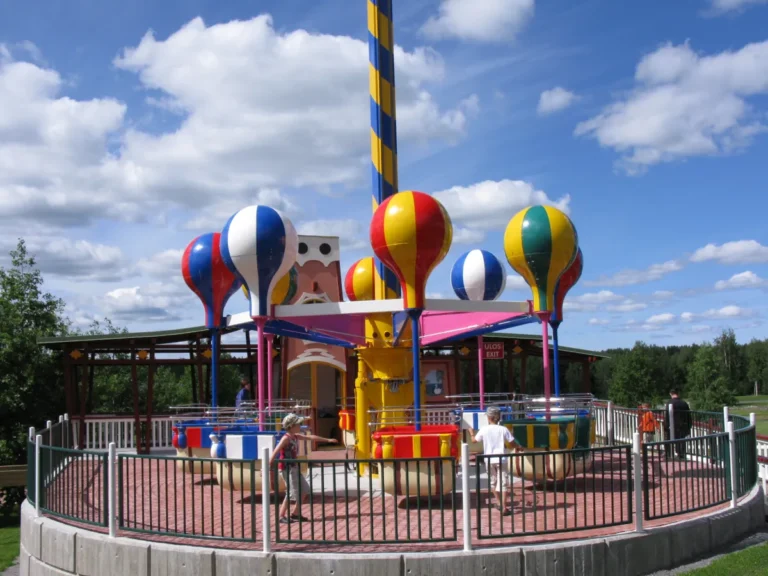
Around that core sits everything else a Maine fair traditionally offers — an exhibit hall crowded with jams, pickles, quilts, photographs, and enormous squash; a track and grandstand used for pulling competitions and other events; concession stands run by civic groups; and a schedule of live music that stretches into the evening. Because the fair is small enough to walk end to end in a few minutes, families tend to settle in rather than rush. You will see the same faces at the same barns on consecutive days.

How a Farm Town Kept Its Fair Alive for Generations
The fair belongs to the agricultural society movement that spread across Maine in the nineteenth century, when farmers in newly organized counties gathered to compare seed, stock, and equipment. Kennebec County had been established in 1799 with Augusta as its seat, and its 951 square miles of river bottom, upland pasture, and woodland supported a dense network of small farms. Monmouth sat squarely inside that world, close enough to the capital to feel connected and far enough away to keep its own habits.
Early fairs answered a practical need. A farmer could inspect a bull, a draft horse, or a new plow in person and talk to the person who used it. Over the decades the event accumulated the trappings that Mainers now associate with fair season: an exhibition hall, a grandstand, a midway, and a slate of contests that rewarded everything from the best layer of preserves to the heaviest pumpkin.
The twentieth century was unkind to fairs like this one. Mechanization shrank the number of working farms, better roads made it easy to drive past a small town’s fairgrounds toward something larger, and the volunteer base that had always carried the load grew older. Many Maine fairs folded. Monmouth’s did not, largely because the grounds stayed in local hands and the fair stayed tied to the town’s own calendar. For a lot of families here it functions as a reunion first and an exhibition second, which is exactly why it has outlasted so many of its peers.
Inside a Day at the Monmouth Fairgrounds
The fair runs over several consecutive days in late summer, typically spanning a weekend. No two years look identical, but the shape of a day is dependable: barns and exhibit halls open in the morning, judging fills the middle hours, and the midway and stage carry the evening.
Fair Food and the Booths Behind It
Expect the classic fairground menu — fried dough, french fries, sausage sandwiches, ice cream, and cold drinks — alongside stands operated by local churches, clubs, and youth groups. Those organization-run booths are often where the best eating is: hearty, inexpensive, and staffed by people who will tell you exactly which pie to buy. Menus shift from year to year, so treat any single item as a possibility rather than a promise.
Music, Pulls, and Evening Programming
Live music is a fixture, usually with local and regional acts playing country, folk, and rock on a modest stage. The track and grandstand host the fair’s most physical events, which in most years include draft animal pulling and other agricultural competitions that draw a knowledgeable crowd along the rail. Evenings are when the grounds feel fullest: strings of lights come on, the midway starts up in earnest, and families who spent the afternoon in the barns drift back for one more pass.
Family Activities and the Kid-Friendly Corners
Children gravitate to the midway rides and games, the animal barns, and the youth exhibit categories where their own artwork, vegetables, or baked goods might be on display with a ribbon attached. Strollers handle the grounds reasonably well, though the terrain is grass and gravel rather than pavement. Plan on a slower pace than you would keep at a large amusement park; the pleasure here is in lingering.
Planning Your Trip to Monmouth, Maine
Getting There from Augusta and Beyond
Monmouth sits west of Augusta, the Kennebec County seat, in the belt of lakes and farmland that runs toward Winthrop and Lewiston. Drivers coming from the capital or from the Maine Turnpike corridor reach the area on the region’s main east–west routes. Because the fairgrounds are outside the village center, it helps to look up the posted address for the current year before you leave rather than relying on memory or an old map.
Where to Stay in the Kennebec Valley
Lodging inside Monmouth itself is limited, so most visitors base themselves in Augusta, Winthrop, or the Lewiston–Auburn area, all within a reasonable drive. Campgrounds and lakeside cabins around the Winthrop and Cobbosseecontee area are popular with fairgoers who want to combine the event with a few days on the water. Book early for fair weekend, when regional demand peaks.
Parking at the Fairgrounds
Parking is typically on-site or in adjacent fields, directed by volunteers, and it fills quickly during evening grandstand programming. Arriving in the late morning or early afternoon usually means an easier walk to the gate. Wear shoes you do not mind getting dusty, and keep a mental note of the row where you parked — field parking all looks alike after dark.
Admission, Costs, and What to Bring
Gate admission to the fairgrounds is generally free, with individual vendors, rides, and some activities charging their own fees. That model makes the fair an easy low-risk outing for a family: you can wander the barns and exhibit halls without spending anything, then decide where to put your money. Bring cash, since smaller booths may not take cards, and set a budget for the midway before the kids see it.
Late-Summer Weather and How to Dress
August in central Maine can deliver hot, humid afternoons and surprisingly cool evenings, sometimes in the same day. A thunderstorm is always a possibility. Dress in layers, bring a light rain jacket, and pack sunscreen and insect repellent if you plan to be near the animal barns or the edges of the grounds. Closed-toe shoes are the practical choice on grass that may be damp from overnight rain.
A Sample Fair Weekend in Monmouth and Kennebec County
Friday: arrive mid-afternoon, park while the fields are still open, and spend the first hour in the exhibit hall and barns before the crowd builds. Eat dinner from an organization-run booth, then stay for the evening music and a walk through the midway.
Saturday: come back in the morning for livestock judging, which is the fair at its most authentic. Have lunch on the grounds, catch an afternoon grandstand event, then drive into the village for a look at Cumston Hall and a quiet dinner away from the noise.
Sunday: return for a shorter visit — the youth exhibits, a last pass through the animal barns, and whatever remains of the pie table. Finish with a drive around the surrounding farmland or a stop at a lakeside spot near Winthrop before heading home. Three visits across one weekend is the way locals do it, and it costs nothing extra at the gate.
How the Monmouth Fair Compares with Nearby Maine Fairs
Kennebec County and its edges are unusually rich in agricultural fairs, and each has a distinct personality. The Windsor Fair, held in the neighboring town of Windsor, is a larger, longer-running event with more commercial polish and a broader midway. The Litchfield Fair, also in Kennebec County, keeps a similar small-town, volunteer-driven feel and draws heavily on the farming families in its own corner of the county.
Further afield, the Fryeburg Fair in Oxford County is the state’s best-known mega-fair, with a scale and visitor draw that a town fair like Monmouth’s was never designed to match. That contrast is the point: Monmouth offers intimacy, walkability, and a sense that you are attending a neighbor’s event rather than a regional attraction. If you are touring Maine in late summer, the smaller fairs in the Kennebec Valley are worth pairing with a visit to Augusta, the county seat, rather than treating as substitutes for one another.
What to Settle Before You Head to the Monmouth Fairgrounds
Confirm the current year’s dates and daily hours before you drive out, since the schedule shifts slightly from one season to the next. Check the weather forecast and pack layers, rain gear, sunscreen, and closed-toe shoes. Bring cash in small bills for booths, rides, and raffles. Charge your phone and consider a portable battery, because rural coverage can be uneven. Decide your parking strategy in advance if you plan to attend an evening event. If you have young children, agree on a meeting point at the gate in case anyone gets separated. And if you are entering anything in the exhibit hall, check the drop-off window and entry rules well ahead of time.
Beyond the Fairgrounds: Monmouth, Winthrop, and the Kennebec Valley
Monmouth’s village center is worth an hour on its own. Cumston Hall, the ornate civic building that anchors the town, is home to a long-running summer theater tradition, and the surrounding streets have the unhurried look of a Maine town that never needed to reinvent itself. Nearby Winthrop offers lakes, small shops, and a cluster of restaurants, while Augusta, the Kennebec County seat, adds the Maine State House, museums, and the full range of services you would expect from a capital city.
The wider county is 951 square miles of contrast — apple orchards, dairy farms, wooded ridges, and lakeshore. Visitors who build an extra day into their trip can paddle, hike, or simply drive the back roads between Monmouth and the surrounding towns. The fair makes an excellent anchor for that kind of slow, unscripted exploration.
What the Fair Means to Monmouth and Its Neighbors
In a county of more than 123,000 people, the Monmouth Fair is small by any measure. That is precisely why it matters. It is one of the few remaining occasions when farmers, tradespeople, retirees, and schoolchildren in this part of Kennebec County occupy the same ground at the same time. The exhibit hall entries are made by people you know. The animals in the barns belong to families whose names are on local mailboxes. The volunteers at the gate have been doing this for decades.
Fairs like this one also preserve practical knowledge that is easy to lose — how to show a heifer, how to judge a draft horse, how to bake a pie that survives a car ride in August. Handing that down is not nostalgia; it is the actual work the fair does. When a town keeps its fair alive, it keeps a piece of its own economy, memory, and social fabric intact.
Where Monmouth Sits in Kennebec County
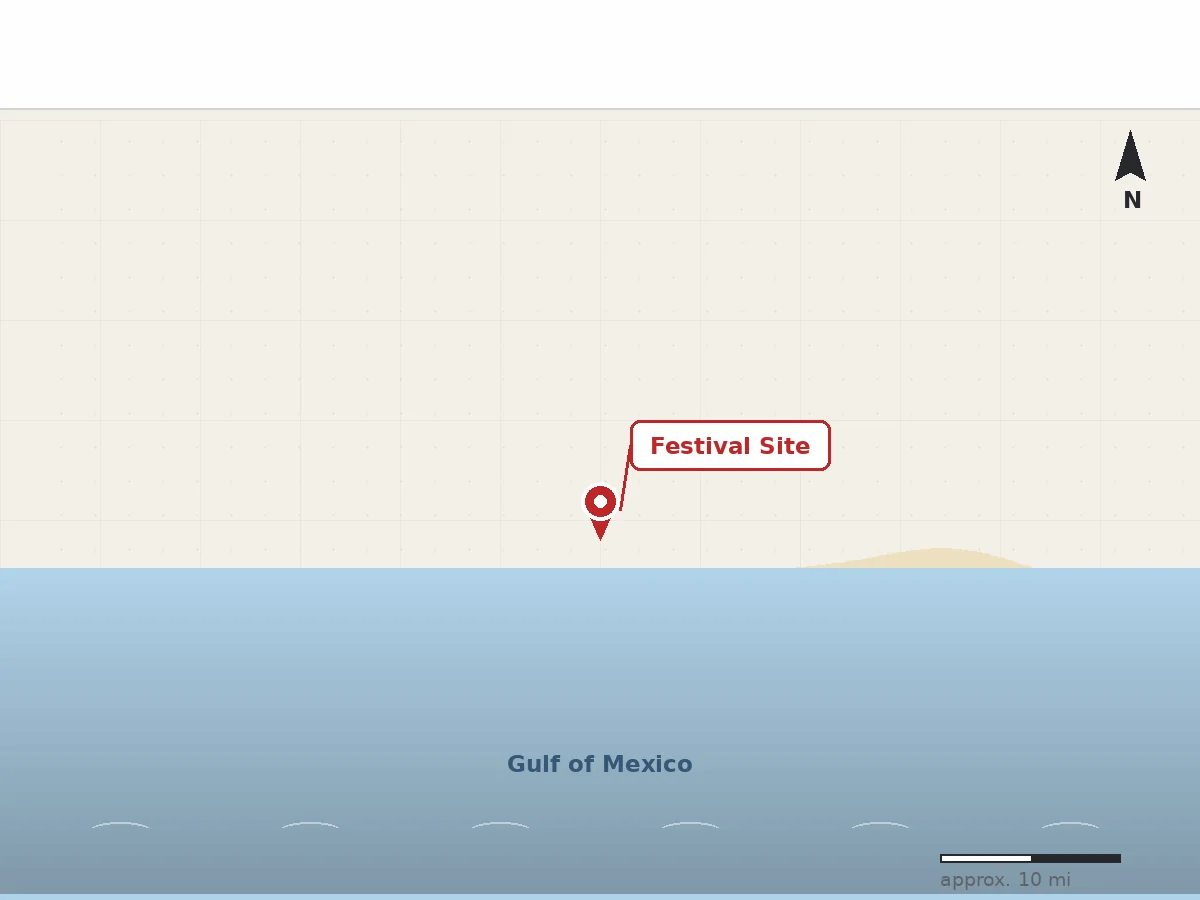
The fairgrounds are located in the town of Monmouth, in western Kennebec County, a short drive west of the county seat of Augusta.
Straight Answers for First-Time Monmouth Fair Visitors
When does the Monmouth Fair usually take place?
It is a late-summer fair, typically held during August and usually spanning a weekend plus a few adjoining days. Because the exact dates shift from year to year, check the current season’s schedule before planning travel. Arriving on a weekday afternoon generally means thinner crowds and easier parking.
Do I need to buy a ticket in advance?
Gate admission is generally free, so there is usually nothing to purchase ahead of time. Individual vendors, midway rides, games, and some activities charge their own fees on the grounds. Bringing cash covers nearly every situation, and you can enjoy the barns, exhibit halls, and much of the entertainment without spending anything at all.
Is the fair a good outing for young children?
Yes. The grounds are compact and walkable, the animal barns are a reliable hit, and the youth exhibit categories give kids something to look for on the walls and tables. Midway rides and games are scaled to younger visitors. Expect grass and gravel underfoot, so a stroller with decent wheels helps, and keep an eye on little ones near the track and animal pens.
How much time should I set aside for a visit?
Two to three hours covers the barns, exhibit hall, and a meal at an easy pace. Add another hour or two if you plan to watch a grandstand event or stay for evening music. Many local families spread their visit across two or three days rather than trying to see everything at once, which is a comfortable way to experience a fair of this size.
The Next Chapter for the Monmouth Fair
Like every small agricultural fair in Maine, Monmouth’s faces the same quiet pressures: an aging volunteer base, rising insurance and equipment costs, and a public with more competing options for a summer weekend. What it has going for it is a permanent fairgrounds, deep local loyalty, and a format that has proven resilient for generations. Fairs that stay rooted in their own community tend to endure, and this one has shown every sign of doing exactly that.
For visitors, the practical takeaway is simple: go while the season is on, spend a little money at the booths, and treat the fair as what it is — a working piece of Kennebec County life rather than a packaged attraction.
Last updated: October 2026
The Monmouth Fair is not the biggest event on Maine’s late-summer calendar, and it has never tried to be. It is a town doing something together, on its own ground, with its own animals and its own pies — and leaving the gate open for anyone who wants to pull up a lawn chair and watch.