Hancock County Maine Blue Hill Fair Festival
By the time the Whitmores pull out of their driveway in Ellsworth, the fog has lifted off the fields and the day already has that late-summer Hancock County feel — cool enough for a sweatshirt at dawn, warm enough for short sleeves by ten. Dana drives. Ruth rides shotgun with a travel mug and a mental list of everything the boys swore they would not forget. In the back seat, two brothers are negotiating how much of their own money is fair to spend on fried dough, which is the kind of argument that only comes around once a year.
The road south is its own small ritual: two lanes, farm stands just opening, a few card tables already stacked with the season’s last corn. When they finally park in a hayfield and join the line at the gate, the Whitmores are part of something larger than a Saturday outing. They are one family among thousands from a county that covers 2,345 square miles of land, all of them pointed at the same patch of grass for the same few days.
Blue Hill Fair Basics for a Hancock County Family Day
| Town / area | Blue Hill and the surrounding Hancock County countryside |
| County | Hancock County, Maine |
| County seat | Ellsworth |
| County population | 55,478 (2020 census) |
| Region | Downeast Maine, on the Blue Hill peninsula |
| Typical timing | Late summer, as the season tips toward fall |
| Admission | Set by the fair each season — confirm current gate details before traveling |
| Setting | An outdoor fairground with barns, exhibition halls, a midway, and open fields |
| Signature features | Livestock and produce exhibits, food booths, live entertainment, grandstand events, rides |
| Organizer | The fair’s volunteer association and the surrounding community |
What the Blue Hill Fair Is to the People Who Live Here
The Blue Hill Fair is Hancock County’s late-summer agricultural fair, held in the Blue Hill area as summer tips toward fall. It is a county fair in the classic Downeast sense: livestock and produce, exhibition halls, a midway, food booths, and entertainment that runs from morning until the lights come on. Families come for the animals and stay for the pie. Teenagers come for the rides and the chance to run into everyone they know. Grandparents come because they have been coming since they were children, and because the fairground is one of the few places where the whole peninsula seems to show up at once.
Hancock County is a big, spread-out place. Its seat is Ellsworth, its population was 55,478 at the 2020 census, and its land area of 2,345 square miles takes in coastal villages, working harbors, blueberry ground, and long stretches of woods where the nearest neighbor is a mile away. In a county that size, community does not happen by accident. It happens at events like this one, which hand farmers, fishermen, teachers, and summer people the same calendar date.
From a 1789 County Charter to Generations of Late-Summer Fairs
The county itself is far older than the fair’s modern form. Hancock County was founded on June 25, 1789, and named for John Hancock, the governor and Revolutionary-era figure whose signature is the most famous in American history. In those early decades the county’s towns grew around farming, fishing, and the sea, and by the nineteenth century Maine’s agricultural fairs had become the annual showcase for that work — a place to compare seed, cattle, and craft, and to argue about whose squash was heaviest.
The Blue Hill Fair belongs to that lineage, and its roots run back through generations of Hancock County farm families. Over the years the grounds have been reworked and expanded, the exhibits have changed, and the midway has grown louder. What has not changed is the function. The fair is still where a county takes the measure of its year: how the hay came in, how the berries ran, which kid raised the steadiest animal, and whose pie disappeared first.
The Rhythm of a Fair Day in Blue Hill
A day here has a shape to it, and the Whitmores have learned to follow it. Morning belongs to animals and exhibits, midday to eating, afternoon to the midway and the grandstand, and evening to one last loop past the booths before the drive home.
Fair Food, From Fried Dough to the Pie Table
Expect the full Downeast spread: fried dough, french fries in paper cones, sausage and peppers, kettle corn, ice cream, and coffee that tastes better than it should because you are standing outdoors. Church and civic groups typically run their own booths, and that is where the real cooking happens — pies, chowders, beans, and baked goods made by people who have been making them for decades. Bring cash in small bills; it moves faster at a busy counter. Splitting one order of fries among four people only works in theory.
Music and Entertainment, Grandstand to Grass
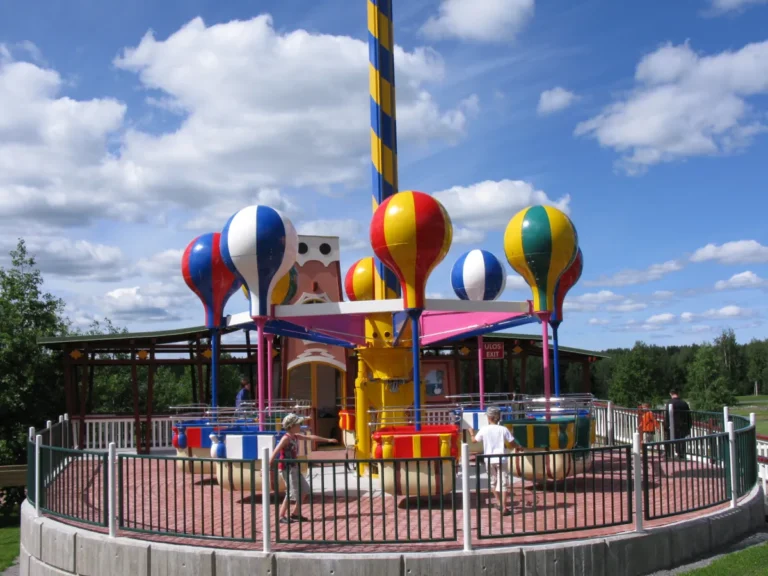
Entertainment runs all day and rarely stays in one place. Expect live music on a stage, demonstrations in the barns, and a grandstand that fills for the events anchoring the schedule. Between shows there is plenty to watch: kids leading animals, judges working through a class, vendors calling out, and the low mechanical hum of the midway. The boys in the Whitmore family measure the day by how many times they can circle back to the same ride before their mother notices.
Family Activities That Keep Kids Moving
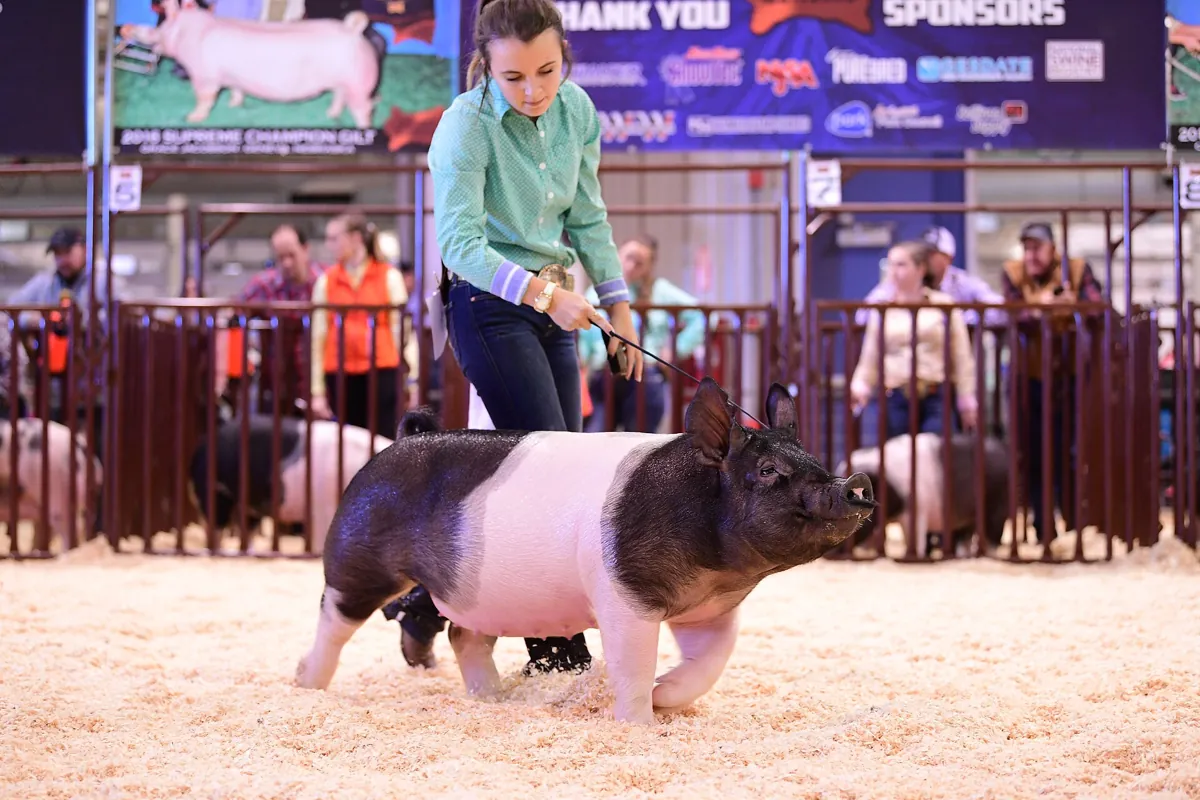
For families, the fair is built for wandering. Livestock barns reward slow looking — goats, sheep, cattle, rabbits, poultry — most of them raised by young exhibitors happy to talk about them. There are usually hands-on corners, craft and produce exhibits, and tractors to climb on. Strollers work on the main paths but struggle in the fields, so a carrier is easier for smaller children. Set a meeting point early; cell service in a crowded fairground is not something to bet a nine-year-old on.
Planning a Blue Hill Fair Trip from Anywhere in Hancock County
The county is large, so the trip takes a little planning even for locals.
Getting There from Ellsworth, Bar Harbor, and the Peninsula
From Ellsworth, the county seat, the drive runs south through the peninsula on two-lane roads that slow behind tractors in late summer. From Bar Harbor and Mount Desert Island, most visitors come west to Ellsworth first and then turn south. From Bucksport and the northern county, the route drops through Ellsworth as well. Give yourself more time than the map suggests on a fair weekend.
Where to Stay Around Blue Hill and Ellsworth
Blue Hill and the surrounding peninsula have inns, bed-and-breakfasts, and campgrounds, but they fill early for late-summer weekends. Ellsworth offers more rooms and a central base for the rest of the county. Bar Harbor and Mount Desert Island work well if the fair is one stop on a longer trip. Book well ahead for any weekend in this season.
Parking, Gates, and Arrival Timing
Parking is typically in fields and lots around the fairground, directed by volunteers who have done it for years and know exactly how many cars fit in a row. Arrive in the morning for the shortest walk; arrive at midday and you will park farther out. Note the row marker or the tree you parked beside. Leaving at the end of the night is slower than arriving, and that is simply part of it.
Admission and What to Budget Beyond the Gate
The fair sets its gate details each season, so confirm the current arrangement before you travel rather than relying on last year’s memory. Inside the grounds, budget for food, rides, games, and the small purchases that add up fast with children in tow. Many booths still run on cash, and fairground ATMs are never where you want them to be. Carry more small bills than you think you need.
Weather Off the Bay and How to Dress
Late summer on the Maine coast means fog in the morning, sun by midday, and a quick drop in temperature after sunset. Rain is always possible, and a fairground turns muddy fast. Dress in layers, bring a light rain jacket, wear shoes you do not mind ruining, and pack sunscreen even if the sky looks gray at breakfast. The Whitmores keep a tote in the car with ponchos, hats, and spare socks.
One Family’s Weekend, Friday Evening to Sunday Afternoon
Friday evening. Arrive after work if you are local, walk the midway while the lights are on, eat something fried, and get the layout in your head. It is the best night for rides because the lines are shorter than on the weekend.
Saturday morning. Gates open, barns first. The animals are awake, the exhibitors are still fresh, and the light in the exhibition hall is good for studying quilts, preserves, and vegetables. Eat breakfast from a booth rather than at home.
Saturday afternoon. Grandstand events, live music, and the midway. Set a spending limit with the kids before you walk in and let them decide how to use it. Find shade during the hottest hour.
Saturday evening. Dinner from a different booth than lunch, one last ride, and a slow pass through the exhibits to see what won.
Sunday. Come back for anything you missed, or skip the grounds entirely and spend the morning on the peninsula — a beach, a harbor, a short hike — then return for a final afternoon and an early dinner before the drive home.
Blue Hill Fair and Its Hancock County Neighbors
Other county stops each have their own character. Ellsworth, the county seat, is the practical hub — bigger, busier, the place where most of Hancock County does its shopping, with a riverfront downtown and its own summer calendar. Bar Harbor and Mount Desert Island, to the southeast, draw a national crowd in season, with Acadia National Park next door and a level of bustle the Blue Hill Fair never aims for. Bucksport, to the north, is quieter and slower. Deer Isle and Stonington, out toward the peninsula’s tip, offer working-harbor scenery. The fair sits in the middle of all of it: rural, county-scale, and unmistakably local.
Packing and Prep Notes for a Blue Hill Fair Weekend
| Layers and a rain jacket | Coastal weather shifts fast between morning and evening. |
| Cash in small bills | Food lines and games move quicker. |
| Sunscreen and hats | Midday sun in an open field is stronger than it looks. |
| Shoes you can ruin | Fields turn to mud after a rain. |
| Refillable water bottle | Long walks between barns and midway. |
| A written meet-up plan | Crowds plus unreliable phone service. |
| A tote bag | For pies, produce, and prize ribbons. |
Beyond the Fairgrounds on the Blue Hill Peninsula
The peninsula rewards a slower trip. Blue Hill village has a small downtown, a library, and a harbor worth walking. South of town the roads run out toward the water, past farms and boatyards. Acadia National Park and Mount Desert Island sit a short drive east, and Ellsworth, the county seat, is the region’s commercial center for supplies and a meal. For anyone staying a weekend, the fair pairs naturally with a morning on the water, an afternoon hike, or a drive out to one of the peninsula’s small harbors.
A County’s Annual Homecoming in Blue Hill
In a county of 55,478 people spread across 2,345 square miles, the fair does work nothing else quite does. It is a reunion, an economy, and a measuring stick. Vendors and civic groups raise money. Young exhibitors learn to handle animals, keep records, and speak to adults. Older residents see neighbors they have not seen since last year. And children who spend one day a year in a barn, smelling hay and watching a goat refuse to walk in a straight line, carry that with them. The fair is not just an event on the calendar; it is the calendar.
The Fair’s Corner of the Blue Hill Peninsula
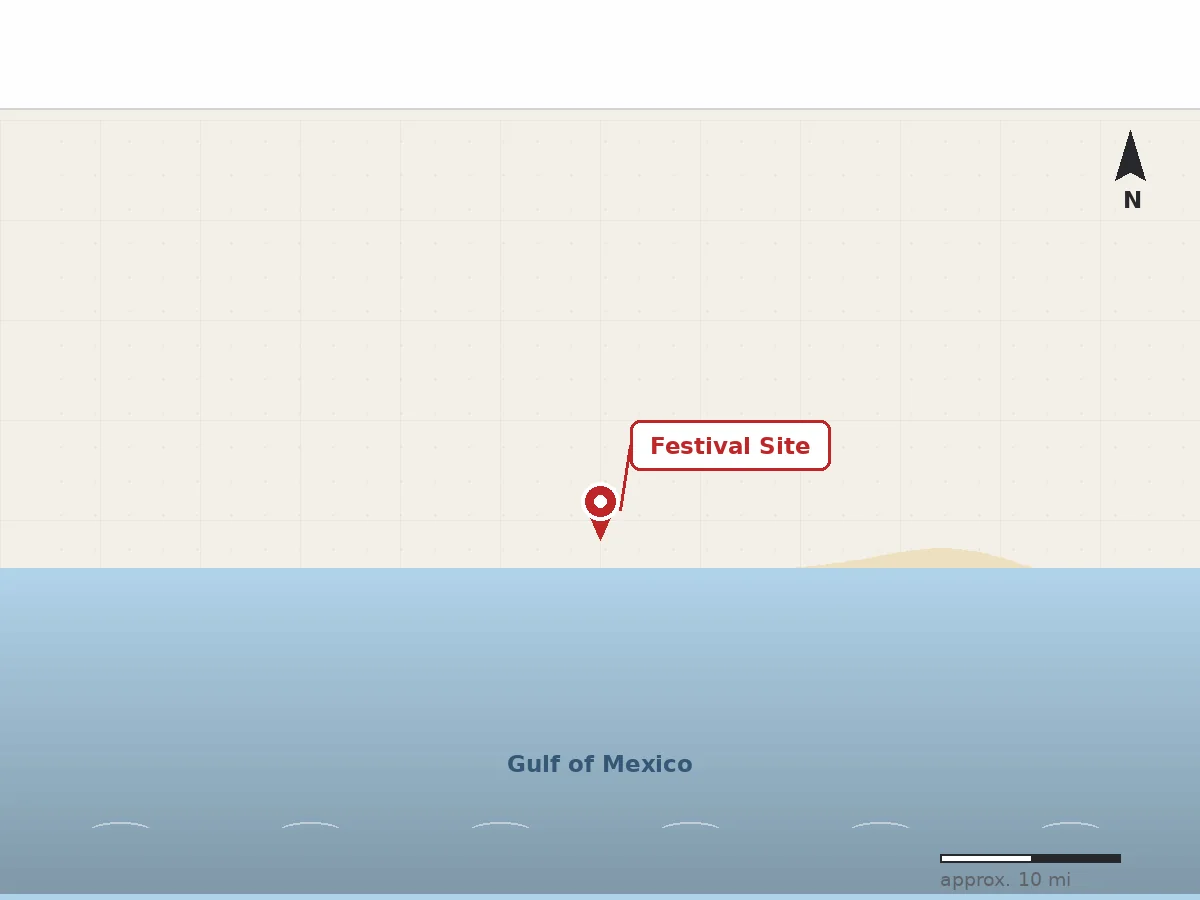
The Blue Hill Fair takes place in the Blue Hill area of Hancock County, Maine, on the peninsula south of Ellsworth, the county seat.
What Families Ask Before Their First Blue Hill Fair
When does the Blue Hill Fair usually take place?
It falls in late summer, as the season begins to tip toward fall — the traditional window for Maine’s agricultural fairs. The fair sets its own dates each year, so check current information before you build a trip around it.
Is it a good day out for young children?
Yes. The barns, animals, exhibits, and midway all work for small kids, and the pace is slower than at a large amusement park. Bring a carrier for toddlers, agree on a meeting point, and expect the day to end earlier than you planned.
How much time should we allow at the fair?
A half day covers the barns, exhibits, and one meal comfortably. A full day lets you add the grandstand, live entertainment, and the midway without rushing. Many local families come back for a second day.
What is the best time to arrive?
Morning. Gates are quieter, parking is closer, animals are active, and food lines are short. Afternoon brings the biggest crowds, and the walk from the farthest field gets longer as the day goes on.
The Next Late-Summer Run and the Next Generation
The fair’s future looks a lot like its past: a late-summer gathering that adapts without losing its shape. Younger exhibitors are the thread that keeps it going, and each season they take on more of the work their parents and grandparents did. Expect the same mix in the years ahead — livestock and produce, booths run by local groups, music and grandstand events, and a midway that gets a little louder every decade. The details change. The reason people come does not: a county, a season, and a few days when everyone is in the same place.
Last updated: October 2026
The Whitmores will make the drive again next year, same route, same argument in the back seat about fried dough. They will park in a field, walk past the barns, and find a spot on the grass to eat. Somewhere between the first ride and the last, one of the boys will say the thing every parent in Hancock County hears at least once each late summer: this is the best day of the year. Then they will drive home in the dark, smelling like hay and fry oil, already planning the next one.