Grant County Kentucky Grant County Fair Festival
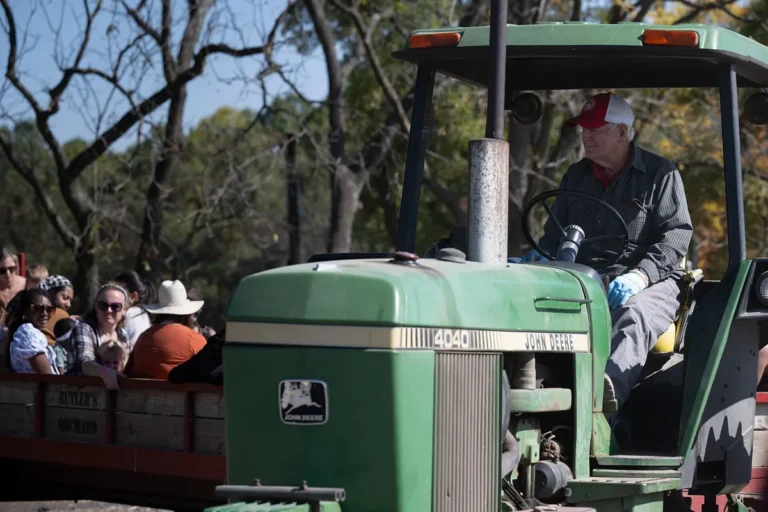
The Hall family reaches the Grant County Fairgrounds before the heat settles in, and the first thing they notice is the sound of it: a generator humming, a heifer complaining in the barn, a loudspeaker being tested somewhere near the grandstand. Their youngest is out of the truck before the engine stops. Their teenager pretends to be unimpressed, then spots a friend from school and disappears into the crowd.
That is how a fair day begins in this part of northern Kentucky. A family parks in the grass, walks through a gate, and steps into a long weekend that feels set apart from the rest of the year. Grant County counted 24,941 residents in the 2020 census, and its fair runs at exactly that scale. Faces repeat. Parents point out ribbons their own parents once won. By evening, the same family that arrived at dawn is eating something fried, watching a tractor pull, and promising to come back tomorrow.
Grant County Fair Basics: What a Williamstown Weekend Looks Like
| Town / area | The Grant County area, centered on Williamstown |
| County | Grant County, Kentucky |
| County seat | Williamstown |
| Population | 24,941 (2020 census) |
| Founded | 1820 |
| Named for | Colonel John Grant |
| Land area | 261 square miles |
| Typical timing | A weekend in summer, most often late summer |
| Admission | Generally free to enter; food, rides, games, and vendors cost money |
| Setting | Rural fairgrounds surrounded by farmland |
A County Fair Shaped by Williamstown and 261 Square Miles of Farmland
The Grant County Fair is the annual gathering point for a county organized around Williamstown since 1820, when the county was founded and named for Colonel John Grant. Williamstown is the county seat, and the fair pulls from every corner of Grant County’s 261 square miles — farm families, small-town households, and commuters who leave the county each morning for work and come home to a place where the summer calendar still revolves around the fairgrounds.
That produces a fair with two personalities. In the barns and exhibit halls, it is an agricultural event: livestock, produce, baked goods, handmade crafts, and the quiet competition of neighbors comparing tomatoes. On the midway and at the grandstand, it is a summer celebration — rides, music, fried food, and teenagers circling the same stretch of gravel a hundred times before the lights go out.
Admission is generally free to enter, with money changing hands for food, rides, games, and vendor goods. That combination — no gate fee, plenty to spend once inside — is part of why local families treat the fair as a multi-night habit rather than a single outing.
How the Fair Grew Alongside a County Founded in 1820
Grant County was established in 1820 and named for Colonel John Grant, with Williamstown serving as the seat of government. Agricultural fairs spread across Kentucky in the decades that followed, as farming communities looked for a way to compare crops, trade livestock, and gather after the harvest — and Grant County’s fair grew from that same impulse.
Through the twentieth century, the fairgrounds became a fixed point on the county calendar. Barns and exhibit halls went up to house livestock and home entries; a grandstand gave the fair a stage for evening events; and a midway added the carnival side of the tradition. The fair’s shape has always followed the county’s economy, and when farming changed, the fair changed with it.
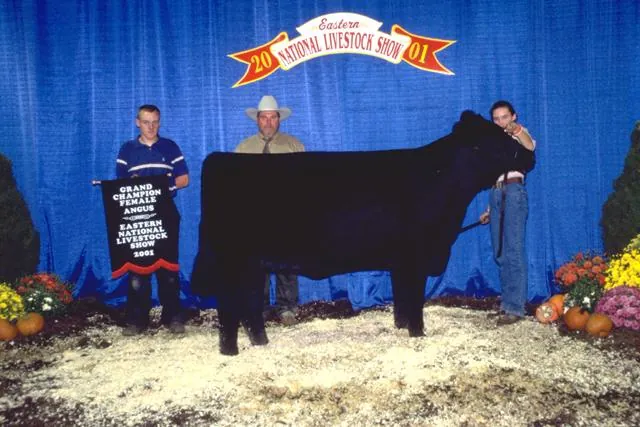
What survived all of that is the agricultural core. Youth livestock shows, canned goods, quilts, and vegetables still get judged by people who know precisely what a good one looks like. Grant County’s population of 24,941, counted in 2020, now includes far more commuters than farmers, but the entries in the exhibit hall still come from families who plant, raise, and preserve.
What You’ll Actually Do at the Grant County Fair
A fair day here has a rhythm: barns in the morning, exhibits and rides through the afternoon, food and grandstand events after dark. Most families drift between all three without a plan.
Fair Food: Funnel Cakes, Barbecue, and Pie by the Slice
Food is the through-line of the day. Expect the standard midway menu — funnel cakes, corn dogs, lemonade shaken in a barrel — alongside local stands selling barbecue, burgers, and slices of pie. Church and community groups often run their own booths, which is where the best values usually are. Bring cash in small bills; lines move faster and some stands may not take cards.
Music, Grandstand Events, and the Evening Crowd
Evenings are when the fairgrounds fill up. Grandstand programming typically anchors the night with live music, tractor pulls, or similar entertainment, while smaller acts and announcements carry across the grounds from the midway. The crowd is a mix of families with strollers, teenagers in groups, and older couples who arrive late, walk the loop once, and leave before the traffic.
Family Activities from the Barns to the Midway
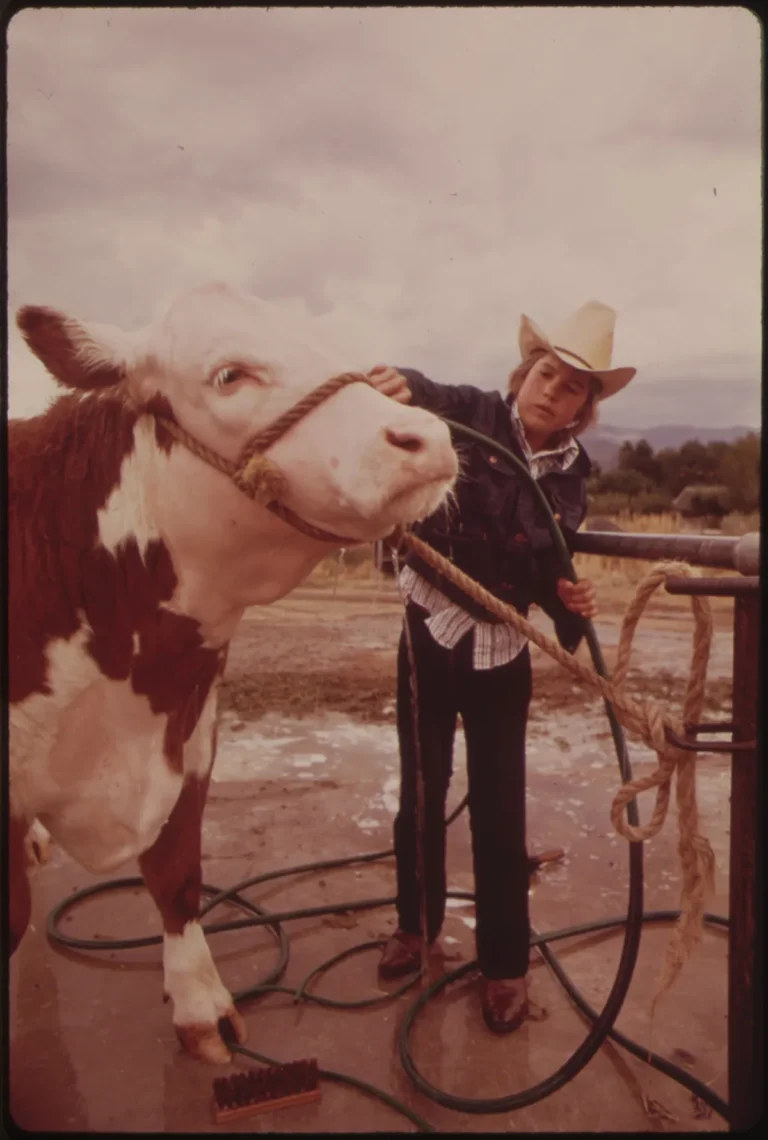
For younger children, the animal barns are the main attraction — rabbits, goats, cattle, and the chance to pet something. Rides and games fill the midway, and exhibit halls give kids something to do that does not cost a ticket. Older visitors tend to gravitate toward the exhibits and the seating near the entertainment, which is where the fair becomes a place to run into people rather than a place to be entertained.
Planning the Trip: Roads, Rooms, and Rain Plans in Grant County
Getting to the Grant County Fairgrounds
The fairgrounds sit in the Grant County countryside near Williamstown, the county seat, in northern Kentucky. Most visitors arrive by car on rural two-lane roads, so build in extra time at peak evening hours. If you are coming from out of town, plan your route around Williamstown and follow local signage once you are close.
Where to Stay Around Williamstown
Lodging in the immediate area is limited, and fair weekend fills it quickly. Book well ahead if you are traveling in. Many families instead treat the fair as a day trip from elsewhere in the region, or stay with relatives in the county — a long-standing tradition here.
Parking at the Fairgrounds
Parking is typically on grass fields adjacent to the grounds, directed by volunteers or staff. Arrive early for the best spots and the shortest walk, and expect a slow exit after the grandstand lets out. Note where you parked before you walk in; every field looks the same after dark.
Admission, Ride Costs, and Cash
Entry to the fair is generally free, with costs concentrated in food, rides, games, and vendor purchases. Ride pricing is usually per ride or by wristband, so decide in advance whether you are buying individual rides or an all-you-can-ride option. Carry cash alongside a card.
Kentucky Weather and What to Wear
Late summer in northern Kentucky means heat, humidity, and the chance of an afternoon storm. Wear light clothing, bring water, and keep a poncho or small umbrella in the car. Sturdy shoes beat sandals on gravel and in the barns. If a storm rolls through, most fairs pause rather than cancel, and the grounds dry out quickly.
A Sample Fair Weekend with the Halls
Friday evening. The Halls arrive after work, park in the grass, and head straight for food. The kids ride the midway while the parents claim seats near the entertainment. They leave before the final announcement to beat the parking-field traffic and are home before dark.
Saturday. This is the full day. They come early for the livestock barns and the exhibit hall, where the youngest wants to see every rabbit twice. Lunch is from a local stand. The afternoon is rides, a walk through the vendor row, and a break in the shade. They stay for the evening grandstand event, then let the kids finish one last ride before heading out.
Sunday afternoon. A shorter visit. They come back for the exhibits, pick up anything they bid on or entered, say goodbye to neighbors, and eat one final funnel cake before the drive home. The youngest falls asleep in the truck before the county road ends.
The Grant County Fair Next to Its Northern Kentucky Neighbors
Grant County sits in a stretch of northern Kentucky where nearly every county has its own fair or festival season, and families here often build a summer out of several. The differences come down to scale and character. Bigger metro-adjacent events bring larger midway rides, bigger-name entertainment, and heavier traffic. Grant County’s fair stays closer to its agricultural roots: livestock shows, exhibit halls, and a crowd where a good share of the people in line know each other.
Compared with a city street festival, the fair is slower and more family-centered, and it runs over several days rather than a single evening. Compared with smaller community picnics in the surrounding countryside, it offers more programming and a larger midway. For visitors already in the region, the fair works well as a half-day stop paired with time in Williamstown and a drive through the county’s farmland.
Fair-Day Checklist: Loading the Truck Before Williamstown
Before leaving the house, pack cash in small bills, a refillable water bottle, sunscreen, hats, and a light rain layer. Bring a tote bag for exhibit purchases and a small first-aid kit for scrapes. Charge phones and consider a battery pack, since signal and outlets are both unreliable in a crowd.
At the grounds, note your parking row, agree on a meeting point with older kids, and check the day’s schedule as soon as you arrive so you do not miss the events you came for. Leave the pets at home, keep strollers narrow for gravel, and wear shoes you do not mind getting dusty.
Beyond the Fairgrounds: The Rest of Grant County
Grant County is 261 square miles of rolling farmland, rural roads, and small communities anchored by Williamstown. Once the fair is behind you, the county rewards a slow drive: barns, fence lines, tobacco and hay fields, and the kind of landscape that explains why the fair’s agricultural side has held on so firmly.
Williamstown itself is worth an hour on foot — a small county seat with the practical rhythm of a town that serves the surrounding countryside. Pair a fair visit with a meal in town, a stop for gas and supplies, and a loop through the back roads before you head home.
What the Fair Carries for Grant County Families
In a county of 24,941 people, the fair is one of the few occasions that pulls everyone into the same place at the same time. It is where 4-H-age kids learn to show an animal in front of a crowd, where grandparents judge the entries, and where the volunteer hours that hold a rural county together become visible for a few days.
The economic effect matters, but the social one is larger. The fair is a reunion that happens to have a midway attached — a chance for a county that has changed a great deal since 1820 to spend a weekend remembering what it still shares.
Where the Grant County Fairgrounds Sit
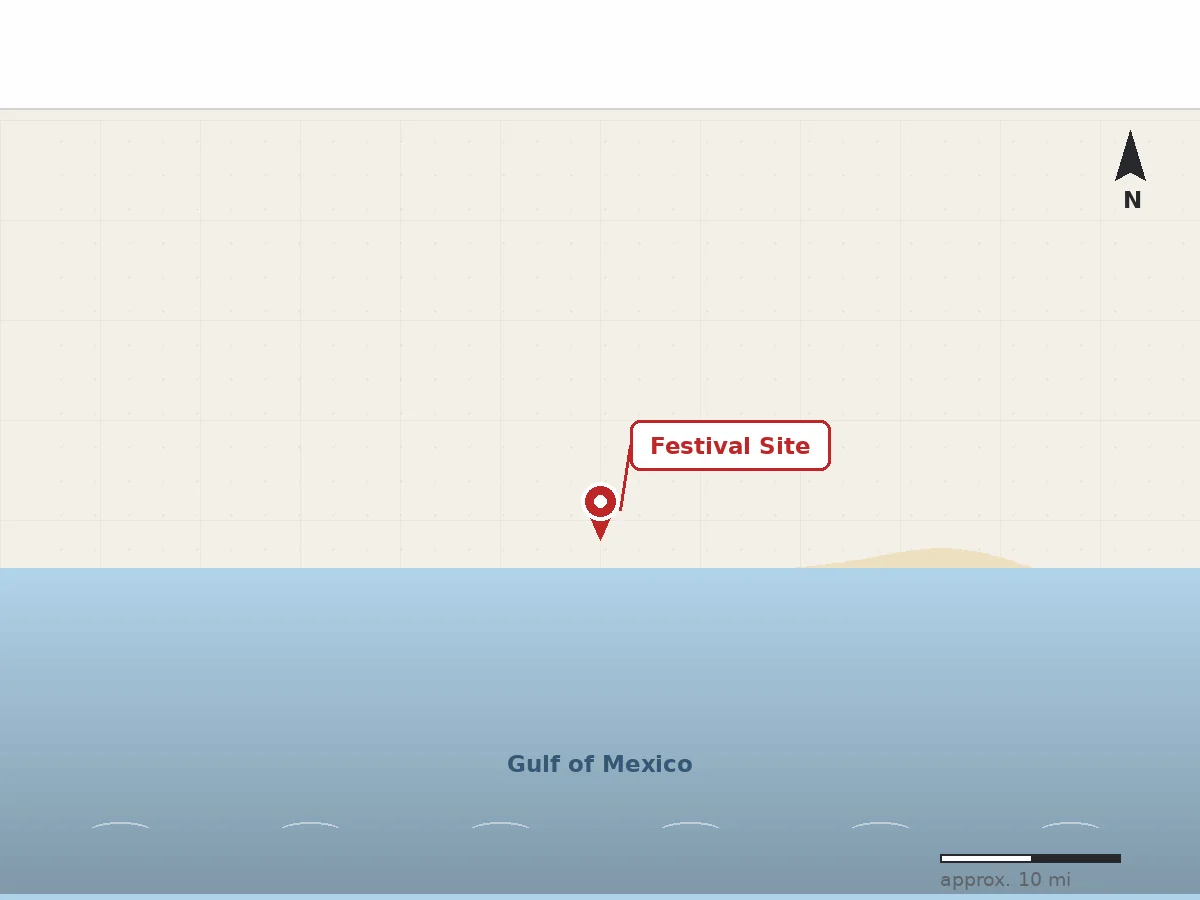
The Grant County Fairgrounds are located in the Grant County countryside near Williamstown, the county seat, in northern Kentucky.
Grant County Fair Questions, Answered Plainly
When does the Grant County Fair usually take place?
It is held each summer, most often on a weekend in late summer, with the schedule running across several consecutive days. Because the exact weekend shifts from year to year, check local listings before you plan travel rather than relying on a fixed date.
Is admission free, and what actually costs money?
Entry to the fairgrounds is generally free. Your spending happens inside — food, carnival rides and games, vendor goods, and any grandstand programming that carries a charge. Budget for rides if you have children, since that is usually the largest single expense of the day.
Is the fair a good fit for young children and older visitors?
Yes, and that is much of its appeal. The animal barns and exhibit halls are easy, low-cost activities for small children, and there is plenty of seating and shade for older visitors. The midway gets loud and crowded after dark, so families with young kids often visit in the afternoon and leave before the evening rush.
What happens if it rains during fair weekend?
Summer storms in northern Kentucky are usually brief. Events typically pause during heavy rain and resume once it passes, and the grass parking fields recover quickly. Bring a rain jacket rather than an umbrella if you plan to be in the barns or on the midway, and keep a dry change of clothes in the car.
Looking Ahead to the Next Grant County Fair
The fair’s future looks like its past: an agricultural core, a midway, and a weekend when the county shows up. The pressures are familiar ones — rising costs for vendors and carnivals, a population that commutes more and farms less, and competition from larger regional events. What the fair has going for it is the thing that cannot be manufactured: it belongs to Grant County, and the people who run it are the people who attend it.
Expect continued emphasis on youth exhibits and livestock programming, since that is where the fair builds its next generation of volunteers. Expect the food and the grandstand to keep drawing the evening crowd. And expect that on some summer weekend, families like the Halls will still park in the grass, walk through the gate, and let the day stretch out.
Last updated: October 2026
For a county of 261 square miles and fewer than 25,000 people, the Grant County Fair does something a larger event cannot: it puts nearly everyone in the same place at the same time, under the same string of lights, with the same smell of sawdust and fried dough. If you go, go early, stay late, and plan on coming back the next night.