Fleming County Kentucky Fleming County Fair Festival
The Fleming County Fair is the big summer gathering of a county that still feels like a county. It happens in the Fleming County area of northeastern Kentucky, with Flemingsburg — the county seat — as the practical anchor for anyone driving in. Fleming County covers 351 square miles and counted 15,082 residents in the 2020 census, a scale that tells you something useful before you go: this is a fair where the crowd is real, but rarely unmanageable.
That scale shapes how you should plan. One evening is enough to cover the midway, walk the livestock barns and catch a grandstand show. A full weekend lets you spread those out and still leave time for the county itself. What follows is a planner’s view — timing, parking, lodging, weather and a workable itinerary — rather than a list of superlatives.
The Fleming County Fair Planning Table
Start here. These are the details that determine how you book, pack and route your trip.
| Town / place | The Fleming County area, with Flemingsburg as the county seat and main reference point |
| County | Fleming County, Kentucky |
| County seat | Flemingsburg |
| Population | 15,082 (2020 census) |
| Region | Northeastern Kentucky |
| Typical timing | A multi-day summer run, most often in July or August |
| Admission | Typically free to enter; rides, games, food and some grandstand events cost extra |
| Setting | County fairgrounds with outdoor midway space, exhibit buildings and livestock barns |
| Features | Carnival rides, agricultural exhibits, fair food, evening grandstand programming |
| Organizer | Local volunteer fair organizers and community groups |
What the Fleming County Fair Is, and Who It Serves
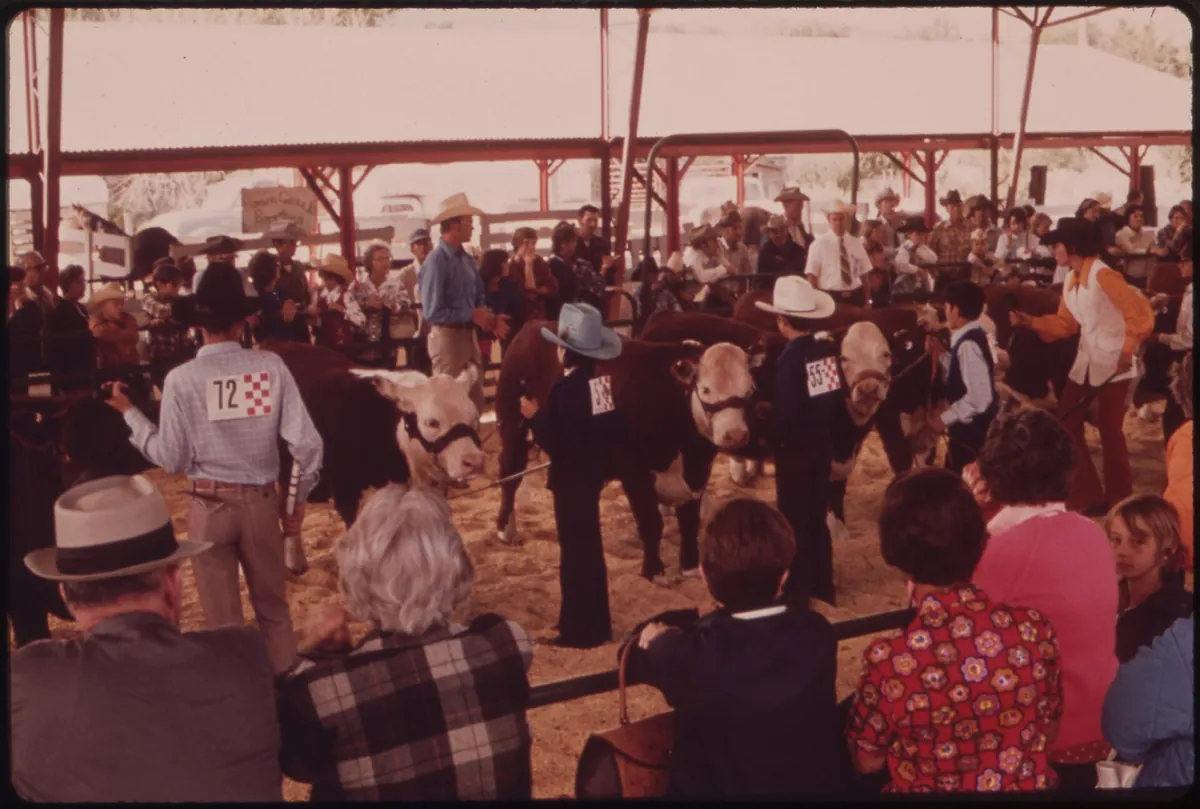
A county fair is a specific kind of event, and the Fleming County Fair is true to type. It is part carnival, part agricultural showcase and part annual reunion. The midway supplies the noise and motion. The barns and exhibit halls supply the substance: animals, produce, crafts and the competitive entries that give a fair its reason to exist beyond the rides.
The audience is mostly local — farm families, families with young children, teenagers who came for the rides and stayed for the crowd, and older residents who have attended for decades. Visitors from surrounding counties drift in as well, especially on weekend evenings when the grandstand schedule fills out.
Because entry is typically free and the paid costs sit with individual attractions, the fair works as a low-commitment outing. You can spend an hour, buy nothing but a lemonade, and leave without feeling like you wasted a ticket. That flexibility is the single most useful thing to understand before you plan a day around it.
Fleming County’s Fair Tradition, From 1798 Forward
Fleming County was established in 1798 and named for Colonel John Fleming, with Flemingsburg developing as its seat of government and commerce. That origin story matters to the fair, because it explains the shape of the place: a rural county built on agriculture, where the yearly gathering of farm families was never a novelty but a necessity.
Across Kentucky, county fairs took hold through the nineteenth century as a way to compare livestock, share farming methods and give isolated communities a shared calendar date. The Fleming County Fair belongs to that lineage. Its continuity is the point — the same categories of exhibits, the same rhythm of barns by day and midway by night, passed down through generations of volunteers rather than run as a commercial production.
What has changed is the balance. Modern fairs lean harder on entertainment and food to draw crowds, while the agricultural core remains the part that locals treat most seriously. At Fleming County’s fair, both halves still operate in the same footprint, which is why a walk from the ride line to the cattle barn takes about ninety seconds.
What a Day at the Fleming County Fair Feels Like
Fair Food and the Fleming County Appetite
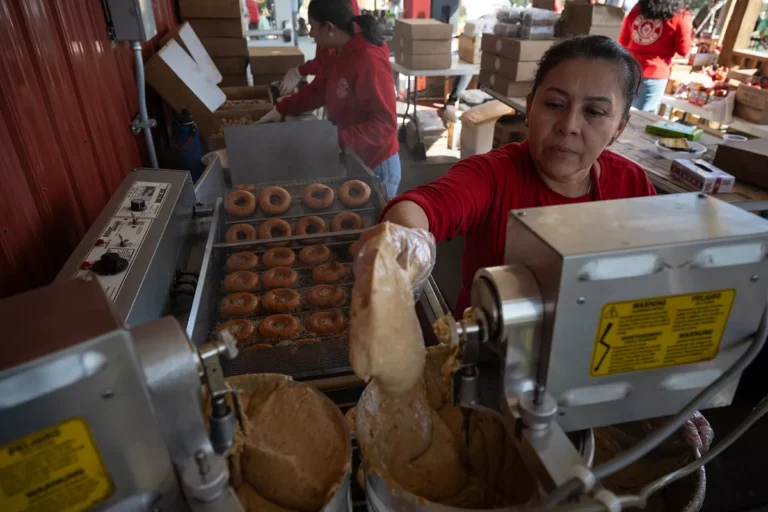
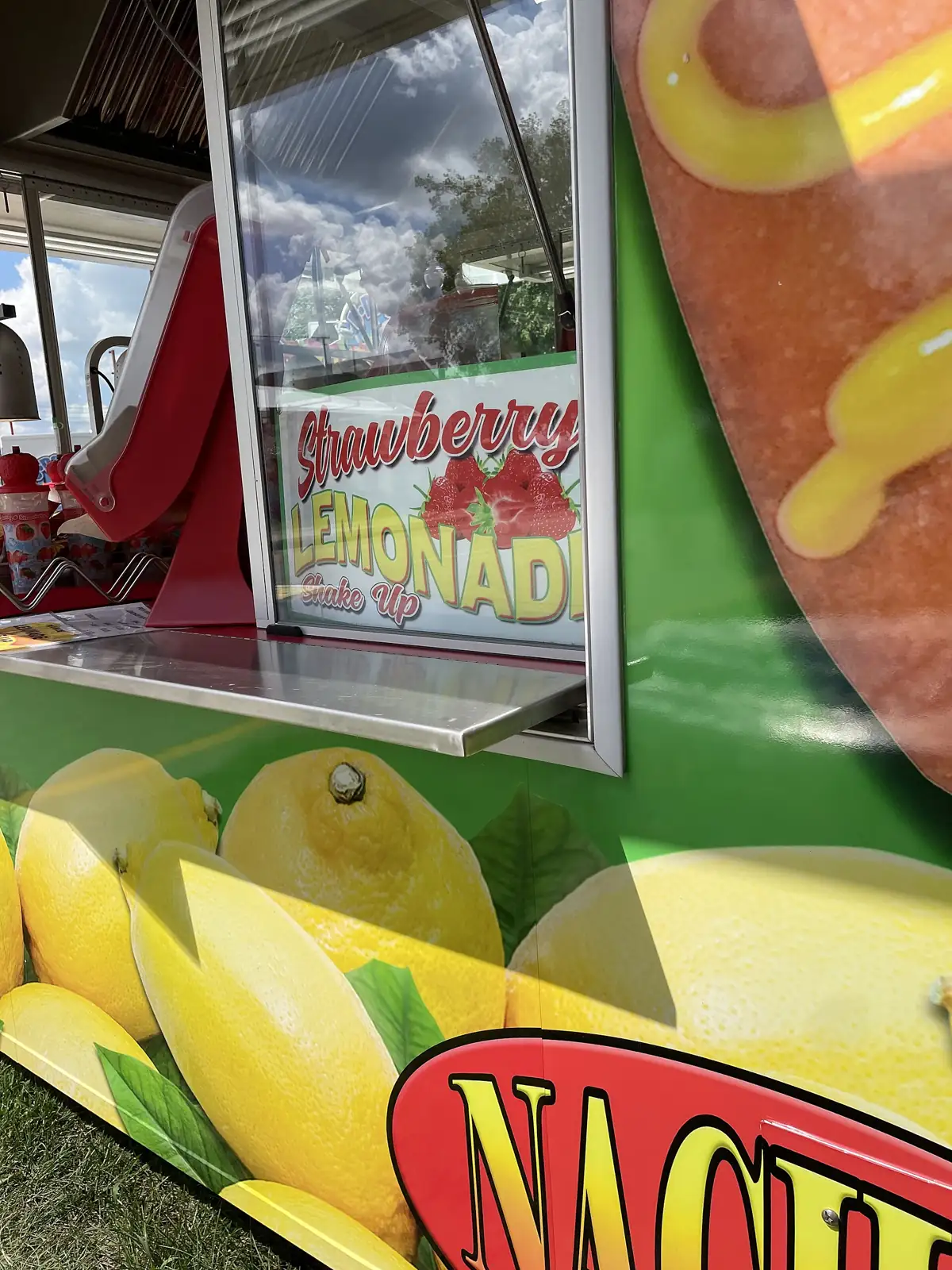
Expect the regional canon: funnel cakes, corn dogs, hand-dipped lemonade, fries in oversized portions, and grilled items from vendors who work the same circuit all summer. Local groups often run their own stands alongside the traveling concessions, which is where you tend to find the better value and the shorter line. Eat early or eat late — the 6 p.m. to 8 p.m. window is when every queue is longest. Cash still moves faster than card at smaller stands, so carry some.
Music, Grandstand Programming and Evening Energy
The fair’s entertainment concentrates after dark. Live music and grandstand events are the usual anchors of a county fair evening in this part of Kentucky, and the crowd builds steadily from late afternoon into the night. If a specific act or event is your reason for coming, treat the schedule as the one thing worth confirming ahead of time, since programming varies year to year.
Family Activities and the Kid-Friendly Half of the Grounds
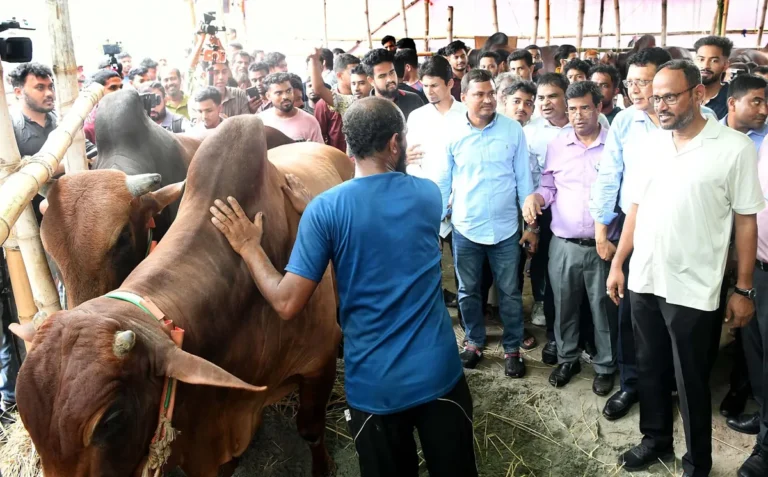
Smaller children do best in the early evening, before the midway lights fully take over. The livestock barns are a reliable hit — free to walk, quiet enough for toddlers, and genuinely interesting. Carnival rides skew toward the standard mix of gentle kiddie rides and faster adult options, with game booths in between. Strollers handle the grounds reasonably well, though grass lots and gravel can be a fight after rain.
Planning the Trip: Roads, Rooms, Parking and Weather
Getting to Flemingsburg and the Fairgrounds
Flemingsburg is the practical hub for anyone heading to the fair, and Fleming County is generally reached from the west via Morehead or from the northeast via Maysville. Both towns sit within a reasonable drive, which makes them useful as either a fuel stop or an overnight base. Build in extra time for the final approach on weekend evenings — rural two-lane roads slow down when a fair is in session.
Where to Stay Around Fleming County
This is a rural county, so lodging inventory is thin. Most out-of-town visitors either stay with family, book in Maysville or Morehead, or treat the fair as a day trip and drive home the same night. If you are coming from more than ninety minutes away, reserve early — summer weekends in this corner of Kentucky fill up with lake traffic, family reunions and other fairs.
Parking Strategy at the Fairgrounds
Parking is typically on or immediately adjacent to the fairgrounds, directed by volunteers, and it is usually free. Arrive before the evening rush and you park close; arrive at peak and you walk. Grass lots turn soft after heavy rain, so if the forecast looks unsettled, park on higher ground when you are given the choice and wear footwear you do not mind dirtying.
Admission, Ride Costs and Cash on Hand
Entry to the fair is typically free, with costs attached to rides, games, food and certain grandstand events. That structure rewards a budget mindset: set a spending ceiling for the kids before you walk in, and expect ride pricing to be the biggest variable. Bring cash for smaller vendors and keep a little extra for parking or donations. Do not assume an ATM is nearby.
Summer Weather and What to Pack for It
July and August in northeastern Kentucky mean heat, humidity and the real possibility of an afternoon thunderstorm. Plan around the heat rather than through it: sunscreen, hats, refillable water bottles and a light rain shell cover most scenarios. Evenings cool off enough that a layer helps if you plan to stay for the grandstand. Closed-toe shoes beat sandals on gravel and in barn areas.
A Sample Fair Weekend in Fleming County
Friday evening. Arrive in the late afternoon, park while lots are still open, and walk the barns first while the light is good and the crowds are thin. Eat before seven, then let the kids hit the rides as the midway lights come on. Finish with the grandstand.
Saturday morning. Use the morning for the county rather than the fairgrounds — a slow drive through Flemingsburg, breakfast, and a look around town. Fairgrounds are quietest right when they open.
Saturday afternoon and evening. This is peak time. Come back mid-afternoon, work the exhibit halls, catch any livestock judging, and stake out a spot early for the evening’s entertainment. Expect the longest lines of the weekend and plan dinner accordingly.
Sunday. The final day is usually the calmest. It is a good window for families with small children, for revisiting anything you missed, and for a last pass through the food vendors before heading home.
How the Fleming County Fair Compares With Nearby Towns
Maysville, northeast on the Ohio River, offers the deepest lodging and dining inventory in the area and works well as a base. Morehead, west of Flemingsburg, is a university town with its own commercial strip and access to outdoor recreation, making it a good pairing if you want more than a fair out of the trip. Mount Sterling, to the southwest, is another practical stop on the regional circuit.
Within that group, Fleming County’s fair reads as the most locally rooted option: smaller than what a bigger town can stage, but with a stronger sense of a single community turning out. If you are choosing between regional fairs on a given summer weekend, pick Fleming County for the agricultural core and the easy pace rather than for headline entertainment.
Fleming County Fair Checklist: What to Settle Before You Drive
• Confirm the current year’s dates and grandstand schedule before committing a weekend.
• Decide your base: day trip, Maysville, Morehead or family in the county.
• Set a cash budget for rides, games and food.
• Pack sunscreen, water bottles, hats and a rain shell.
• Choose closed-toe shoes for gravel, grass and barn floors.
• Arrive before the evening rush if parking close matters to you.
• Plan the barns and exhibits for daylight hours and the midway for after dark.
• Keep a meet-up point in mind if your group splits up on the grounds.
Beyond the Fairgrounds: Flemingsburg and Rural Fleming County
The fair is the reason to come, but it is not the only thing worth an hour of your time. Flemingsburg, as the county seat, is where the county’s civic life is concentrated — a small downtown, local businesses and the kind of courthouse-square scale that makes a walk short and unhurried.
The rest of Fleming County is farmland and small communities spread across 351 square miles. A drive out from town is genuinely pleasant in summer, with rolling fields, barns and the low traffic that makes rural Kentucky easy to navigate. If you are staying overnight nearby, this is how you fill a morning before the fairgrounds open.
What the Fair Means to Fleming County
For a county of 15,082 people, a fair is not entertainment programming — it is infrastructure. It is where exhibitors learn whether a year of work paid off, where kids get their first taste of responsibility through an animal or a project entry, and where neighbors who have not crossed paths since last summer finally do.
It also runs on volunteers. Fairs of this size survive because people in the community keep showing up to staff gates, judge entries and organize events year after year. That is the part visitors rarely see, and it is the reason the fair keeps happening at all.
Where the Fair Sits on the Map
The Fleming County Fair takes place in the Fleming County area of northeastern Kentucky, with Flemingsburg — the county seat — as the reference point for anyone navigating in.
Fleming County Fair Questions, Answered
When does the Fleming County Fair usually take place?
It is a summer fair, most often falling in July or August, and it runs across multiple days rather than a single afternoon. Exact dates shift year to year, so confirm the current schedule before you book lodging or plan time off.
Do you have to pay to get into the fairgrounds?
Admission is typically free. The money goes toward rides, games, food and certain grandstand events, which means your total spend is mostly a function of how much you do rather than whether you show up. Bring cash for smaller vendors.
Is the fair a good outing with young children?
Yes, with timing on your side. Late afternoon and early evening work best — the heat has eased, the barns are still open, and the midway is not yet at full volume. Sunday is generally the calmest day of the run for families.
Where should out-of-town visitors stay?
Fleming County has limited lodging, so most visitors base themselves in Maysville or Morehead and drive in, or come as a day trip. If you are traveling a long distance on a summer weekend, reserve well ahead.
The Fleming County Fair’s Next Chapter
County fairs in rural Kentucky are balancing acts. They need enough entertainment to pull families away from screens and enough agricultural substance to stay true to their purpose. Fleming County’s version has the advantage of a compact footprint, a loyal local base and a volunteer tradition that has carried it this far.
The realistic outlook is continuity rather than reinvention: refreshed midway offerings, evolving grandstand lineups and the same barns and exhibit halls at the center. For visitors, that means the fair you plan around this summer will look familiar next summer — which is exactly what a county fair is supposed to do.
Last updated: October 2026
Plan the Fleming County Fair the way locals do: pick one evening for the midway and one for the barns, arrive before the rush, carry cash, and leave room in the schedule for the drive home through open farmland. It is a summer tradition built for a county of 15,082 people, and it is at its best when you let it move at that pace.