Cumberland County Maine Yarmouth Clam Festival

Every summer, a coastal town in Cumberland County, Maine fills its downtown streets with steam tables, folding chairs, parade floats, and the smell of fried clams drifting over the rooftops. The Yarmouth Clam Festival is a classic New England town celebration — part seafood cook-off, part street fair, part homecoming — and for a first-timer the hardest part isn’t finding it. It’s deciding what to do first.
This orientation is written for people who have never been. It covers what the festival actually is, how it fits into Cumberland County, how to build a weekend around it, and the small practical details that separate an easy visit from a stressful one.
Yarmouth Clam Festival Essentials for New Visitors
| Town | Yarmouth, Maine |
| County | Cumberland County |
| County seat | Portland |
| County population | 303,069 (2020 census) |
| Region | Southern Maine, greater Portland area |
| Typical timing | A summer weekend, usually in July |
| Admission | Free general admission; food, crafts, and rides sold separately |
| Setting | Downtown Yarmouth streets and village green |
| Signature features | Fried clams and seafood, a parade, live music, a road race, a craft fair, family activities |
| Organizer | Local civic and community volunteers |
What the Yarmouth Clam Festival Actually Is
The Yarmouth Clam Festival is a volunteer-run community celebration held in downtown Yarmouth, a coastal town in Cumberland County, Maine. Its centerpiece is food — fried clams, clam chowder, lobster rolls, and the other seafood staples of a Maine summer — but the weekend is really a full town takeover. Streets close to traffic. Booths line the sidewalks. A parade works its way through the center of town, live music plays on more than one stage, and a road race, craft fair, and kid-focused activities fill the hours in between.
What separates it from a commercial seafood festival is who runs it. Food booths are typically staffed by churches, schools, scout troops, and service organizations, which means the money you hand over for a plate of clams generally goes straight back into the community. That structure gives the whole event a relaxed, neighborly feel that first-time visitors notice within about ten minutes of arriving.
Admission is free. You walk in, you wander, and you spend as much or as little as you like. That makes the festival an easy introduction to Maine’s summer event circuit and an easy day trip from Portland, which serves as the Cumberland County seat and the region’s main population center.

From Clam Flats to Main Street: Yarmouth’s Festival Story
Cumberland County is older than the United States itself. It was founded on November 1, 1760, and named for William, with Portland as its seat. Its 1,217 square miles take in working waterfront, farmland, islands, and the state’s largest city — a mix of landscapes that shaped the kind of festivals that grew up here.
Yarmouth’s celebration grew out of the mid-twentieth-century tradition of local fundraising fairs. By the 1960s, the town had turned its connection to the local clam harvest into a weekend event built around seafood, civic groups, and a little friendly competition. It was never designed as a tourist attraction. It was designed as a way for neighbors to raise money for neighbors.
From there it expanded steadily. A parade was added. A road race followed. Craft vendors arrived, then live music, then fireworks, until the schedule stretched across an entire weekend rather than a single afternoon. What never changed was the organizing. Generations of Yarmouth families have worked the same booths their parents worked, and proceeds still fund scholarships, equipment, and programs across the area. That continuity is why the festival feels less like a production and more like a tradition that happens to be open to the public.
What a First-Timer Sees on the Ground in Yarmouth
Picture a compact downtown where every available patch of pavement has been claimed by a tent. The crowd moves in slow waves. Somewhere ahead, a band is playing. Somewhere behind, someone is ringing a bell at a game booth. Here is how the pieces break down.
Clams, Chowder, and the Food That Anchors the Weekend
Clams are the headline, and they arrive in every form the region is known for: whole-belly fried clams, clam strips, chowder, and steamed clams by the pint. If you have never eaten a Maine fried clam, this is a good place to start, because the standards are high and the competition between booths is real. Expect the longest lines at the most visible stands and noticeably shorter ones a block or two off the main drag.
Beyond seafood, look for lobster rolls, corn on the cob, sausage sandwiches, blueberry desserts, kettle corn, and the frozen lemonade stands that seem to anchor every New England summer fair. Prices are set by individual vendors, and while many booths now accept cards, carrying some cash makes the whole experience faster.
Live Music, Contests, and Street Entertainment
Music runs all weekend, typically featuring regional and local acts — rock, folk, blues, and cover bands that know exactly what a summer crowd wants to hear. Between sets, the entertainment shifts to contests and demonstrations, the kind of programming that gives the weekend its rhythm. The parade is the big set piece; claim a spot along the curb well before it starts, and bring something to sit on.
Family Activities and the Kid-Friendly Side
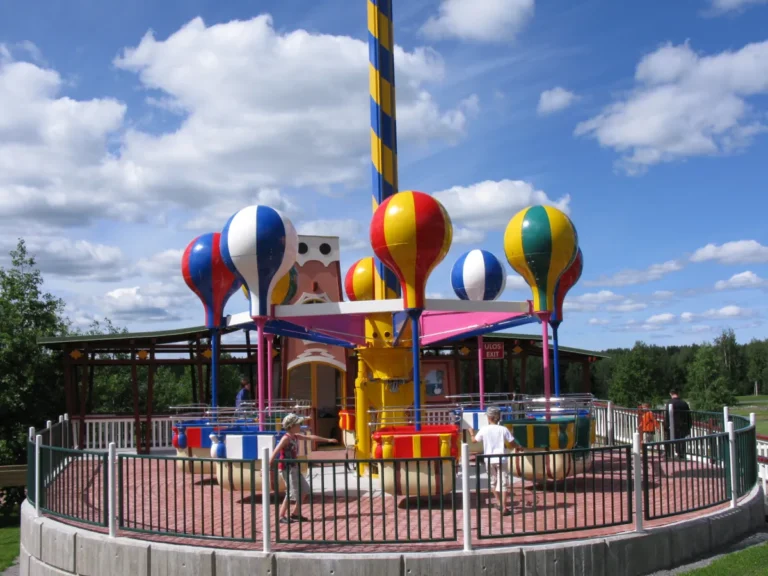
This is a genuinely family-oriented event. Carnival rides, games, face painting, and craft tents give children plenty to do, and the atmosphere stays relaxed enough that a stroller works fine in the morning. Mid-afternoon is the busiest stretch, so plan a break then. Restrooms are available in the center of the action, and the flat downtown layout makes it easy to loop back to a meeting point.
Planning a Yarmouth Weekend in Cumberland County
Getting to Yarmouth from Portland and Beyond
Yarmouth sits on the coastal corridor between Portland and Freeport, which makes it easy to reach by car via the interstate or Route 1. Portland International Jetport is the nearest major airport, and Portland’s bus and rail connections put the town within reach for travelers without a vehicle, though a car makes the surrounding county far easier to explore.
Where to Stay Around Yarmouth
Lodging in Yarmouth itself is limited, so most visitors book in Freeport to the north or Portland to the south and drive in. Freeport tends to be quieter and closer; Portland offers far more choice and a restaurant scene worth a night on its own. Book well ahead for a summer weekend — this is peak season on the Maine coast.
Parking Strategy for Festival Weekend
Parking is the one part of the weekend that requires actual planning. Downtown spaces fill early, and side streets close to the action are usually restricted. Arrive before mid-morning, expect to walk, and wear shoes you don’t mind covering some distance in. If you’re staying nearby, walking or biking in is by far the least stressful option.
Admission, Food, and What You’ll Spend
There is no entry fee. You pay as you go for food, drinks, crafts, and rides, with prices set booth by booth. A family can keep costs modest by treating the festival as a grazing expedition rather than a sit-down meal, and by picking one or two paid activities rather than all of them.
Summer Weather and What to Wear
Expect warm, humid days and cooler evenings. Sunscreen, a hat, and a refillable water bottle are essentials, and a light layer helps once the sun drops and the music keeps going. Afternoon showers are always a possibility in a Maine July, so a packable rain jacket beats an umbrella in a crowd.
A Sample Clam Festival Weekend, Start to Finish
On Friday, arrive in the late afternoon, park once, and walk the length of the grounds to get your bearings before the crowds build. Eat dinner from two or three different booths rather than committing to one, then settle in for the evening music. Friday is the calmest night of the weekend and the best time to talk to vendors.
Saturday is the big day. Get in early for the road race or a quiet breakfast, then find your parade spot an hour ahead of time. Spend the afternoon on the craft fair and the rides, take a real break around three o’clock when the heat and the crowd peak, and come back for the evening entertainment and fireworks.
Sunday runs slower and friendlier. The crowds thin, the booths are still stocked, and there’s usually a community breakfast or similar gathering in the morning. Use the early afternoon for one last plate of clams, then drive the coast road south toward Portland or north toward Freeport instead of heading straight home.
How Yarmouth Compares with Nearby Maine Festival Towns
Freeport, just up the road, has a compact downtown built around outlet shopping and a famous outdoor retailer; its events feel retail-driven and polished. Cumberland, to the northwest, is more rural and agricultural, with a county fair tradition rather than a seafood one. Portland, the county seat and home to 303,069 residents, hosts a rotating calendar of food and arts events with an urban, grown-up energy.
Yarmouth sits in a comfortable middle: smaller and more intimate than Portland, more rooted in local food culture than Freeport, more coastal than Cumberland. If you only have one summer weekend and want the version of Maine that involves clams, a parade, and volunteers running the whole thing, this is the one to pick.
What to Pack and Prepare for Festival Weekend
Bring sunscreen, a hat, a refillable water bottle, a light rain jacket, and comfortable walking shoes. Carry some cash alongside a card, since smaller booths may be cash-only. Pack a tote bag for craft purchases and a folding chair or blanket if you plan to hold a parade spot for any length of time.
Before you leave, charge your phone, screenshot the weekend schedule, and set a meeting point for your group in case the cell network gets sluggish in the crowd. If you have dietary restrictions, scout the food layout on Friday so you know which booths to return to. And if you’re traveling with young children, write your phone number on a wristband — it’s a simple precaution that pays off in a busy street fair.
Beyond the Festival: Staying Longer in Cumberland County
Cumberland County rewards an extra day. Portland’s Old Port offers waterfront dining, working wharves, and a walkable historic district that pairs well with a festival weekend. Casco Bay’s islands are reachable by ferry from the city and make an easy half-day escape when the mainland crowds get thick.
North of Yarmouth, Freeport combines outlet shopping with coastal trails and a compact village center. Inland, the county opens into farmland, orchards, and quiet back roads that feel a world away from the waterfront. With 1,217 square miles of land to work with, Cumberland County has room for both the busy coast and the slow interior, and a festival weekend is a good excuse to sample both.
What the Clam Festival Means to Yarmouth and Cumberland County
For a town of Yarmouth’s size, a weekend like this is more than entertainment. It is a fundraising engine for local organizations, a showcase for small businesses, and one of the few times each year when everyone in town is in the same place at the same time. The volunteer model means residents aren’t just attending their festival — they’re staffing it.
That matters in a county as varied as Cumberland, where the county seat of Portland anchors a metropolitan region while smaller coastal and inland towns maintain their own identities. The Clam Festival is Yarmouth’s way of asserting that identity, and visitors are welcome to be part of it for a weekend.
Where Yarmouth Sits in Cumberland County
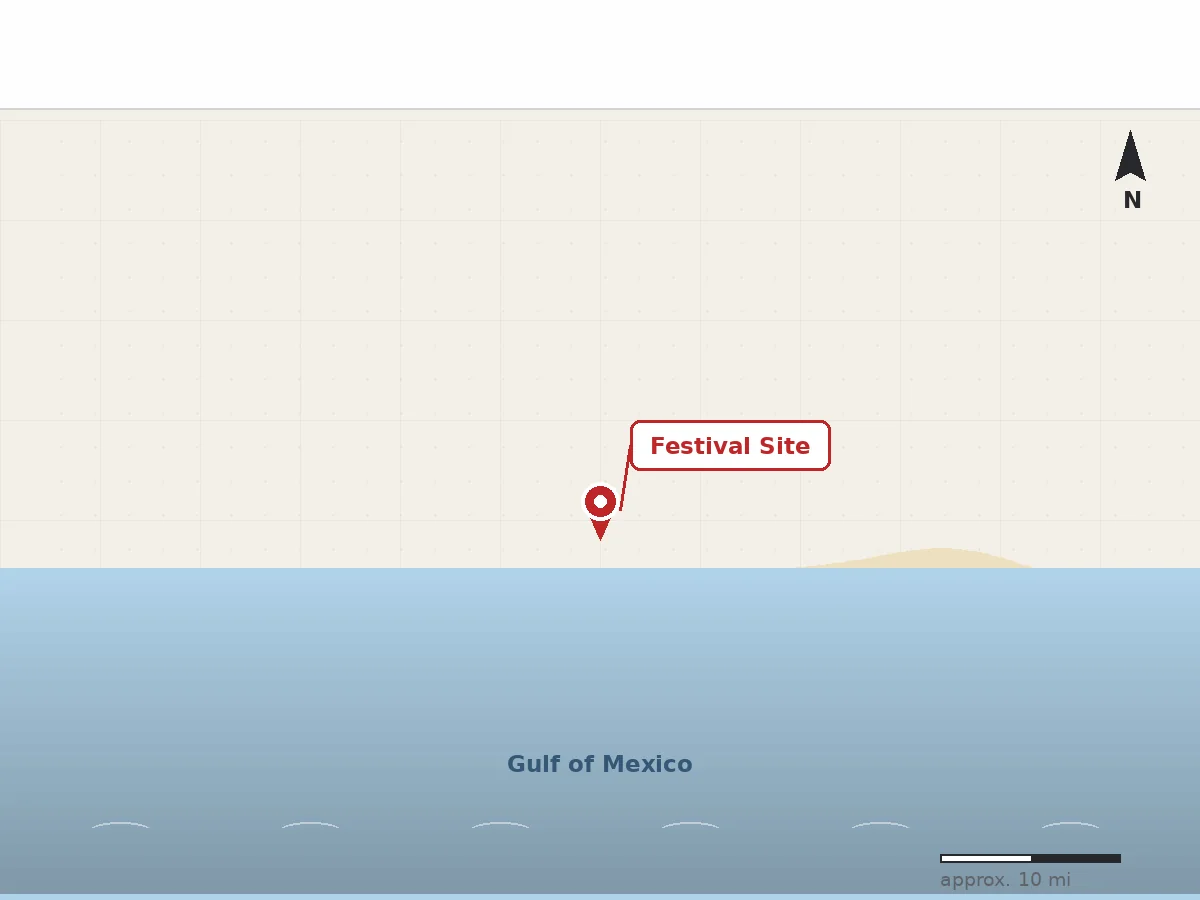
Yarmouth lies on the coast of Cumberland County, Maine, roughly midway between Portland and Freeport along the Route 1 corridor.
Yarmouth Clam Festival: Straight Answers for Newcomers
Is the Yarmouth Clam Festival free to attend?
Yes. There is no admission charge to enter the festival area. You pay individually for food, drinks, crafts, rides, and any other vendor items, which means you can enjoy a full afternoon for very little money or spend freely on seafood and souvenirs.
How long does the festival run?
In most years it spans a full weekend in July, typically running from Friday into Sunday. Individual activities — the parade, the road race, fireworks, specific musical acts — happen at set times within that window, so pick up a schedule early in your visit and plan around the pieces you care about most.
Do I need to like clams to enjoy it?
Not at all. Clams are the theme, but the food selection goes well beyond seafood, with lobster rolls, grilled items, desserts, and fair staples available throughout the grounds. The parade, music, craft fair, and family activities carry the weekend on their own.
Is it a good event for young children and older visitors?
Yes, with a little planning. Mornings are calmer and easier to navigate, the downtown layout is flat and walkable, and there are activities aimed at children. Older visitors may prefer to arrive early, park close, and settle in one spot for the parade rather than trying to cover the whole grounds on foot.
Looking Ahead for the Yarmouth Clam Festival
The festival’s future looks a lot like its past: volunteer-led, community-funded, and centered on the same downtown streets that have hosted it for decades. The pressures are familiar ones for Maine coastal towns — summer traffic, rising costs, and the challenge of keeping younger volunteers involved — but the model has proven durable precisely because so many local organizations depend on it.
For travelers, that means the essentials are unlikely to change. Expect free admission, a July weekend, a parade, seafood, music, and a crowd that is mostly local. If you’re planning a first visit, the safest approach is to treat the timing as a summer weekend rather than a fixed date and confirm details with local sources as the season approaches. Last updated: October 2026
Go for the clams, stay for the parade, and leave a little time for the coast on either side of town. The Yarmouth Clam Festival is at its best when you stop treating it like a checklist and start treating it like a summer weekend in a Maine town that happens to be throwing a very good party.