Acadia Parish Louisiana International Rice Festival
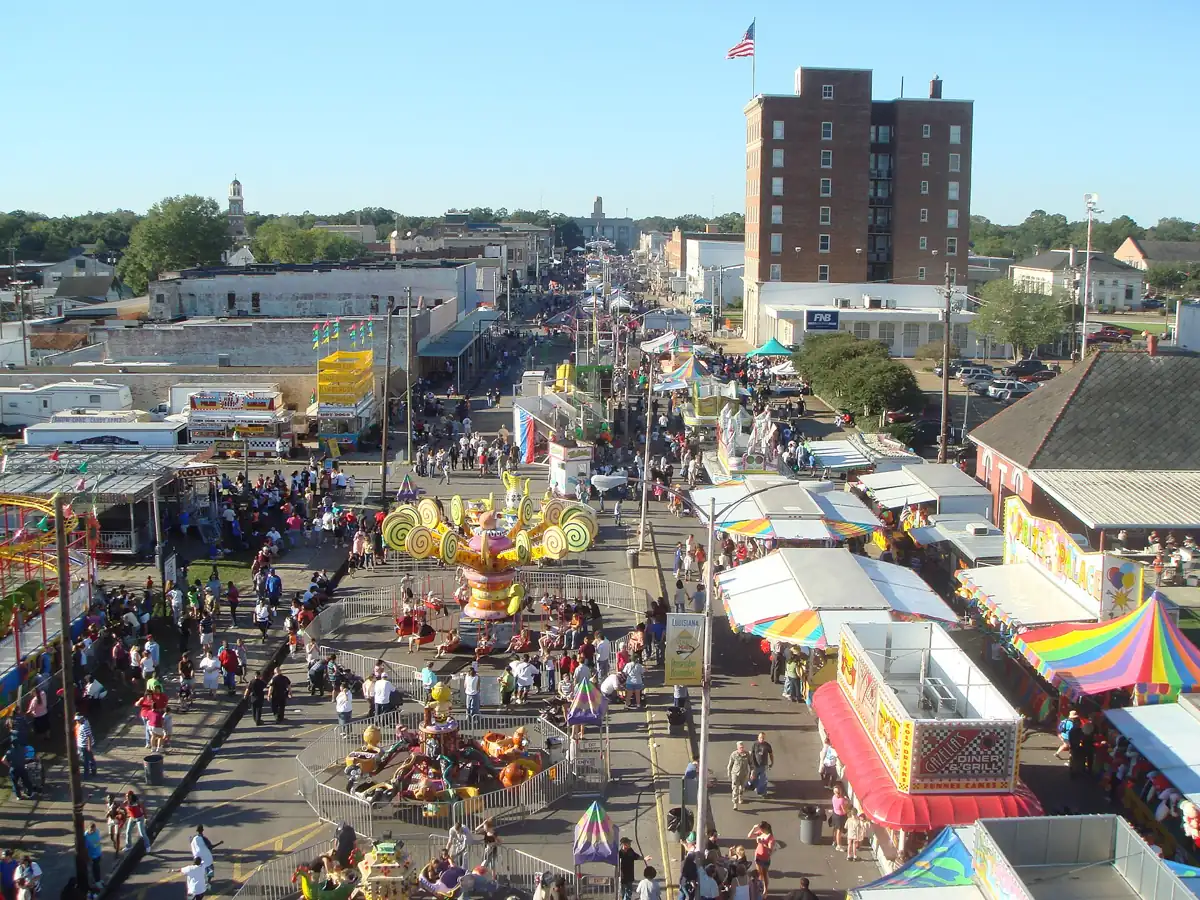
Every autumn, the rice fields of south Louisiana turn gold, and Crowley throws a party to celebrate them. The Acadia Parish Louisiana International Rice Festival is one of the region’s most enduring harvest traditions, drawing visitors from across the Cajun prairie and beyond for days of rice-themed food, live music, parades, and small-town hospitality.
If you have never been, the festival can feel bigger than it looks on a map. This guide walks you through what happens, what to eat, where to park, and how to build a full weekend around it in Crowley and the wider Acadia Parish area.
Acadia Parish International Rice Festival: The Visitor Essentials
Here is the short version before we get into the details.
| Town | Crowley, Louisiana |
| Parish | Acadia Parish |
| Parish seat | Crowley |
| Parish population | 57,576 |
| Parish land area | 657 square miles |
| Parish founded | June 30, 1886 |
| Typical timing | Each autumn, usually a weekend in October |
| Admission | Generally free to the grounds; rides and some activities priced separately |
| Setting | Downtown Crowley streets, midway, and music stages |
| Signature features | Rice dishes, cooking contests, Cajun and zydeco bands, carnival rides, parade |
Crowley’s International Rice Festival, Explained
The International Rice Festival is a harvest celebration built around one crop and one community. Acadia Parish sits inside Louisiana’s rice belt, and Crowley — the parish seat — has long served as the commercial heart of that farming region. The festival honors the farmers, millers, and families whose livelihoods have depended on rice for generations.
What that looks like on the ground is a multi-day event spread across downtown Crowley. Expect a midway with carnival rides, food booths serving rice in nearly every conceivable form, cooking competitions, a parade, a festival court, and a schedule of Cajun, zydeco, and country acts. It is a community festival first and a tourism draw second, which is exactly why it feels genuine rather than staged.
Admission to the festival grounds is typically free, with vendors, rides, and certain activities charging their own fees. That structure makes it easy to wander in, sample a few dishes, catch a set, and leave without spending much — or to settle in and make a full weekend of it.

How Rice Farming Built Crowley and Its Festival
Acadia Parish was founded on June 30, 1886, with Crowley named as the parish seat. The town’s fortunes and the region’s identity grew alongside the rice industry, which turned the prairie around Crowley into some of the most productive farmland in Louisiana. Milling, shipping, and farm supply businesses clustered in town, and the surrounding countryside filled with fields that flood in spring and ripen into gold by fall.
Harvest celebrations followed naturally. What began as local gatherings marking the end of the rice season grew, over the decades, into a festival with a far wider draw — one that celebrates the crop while showcasing the music, cooking, and craftsmanship of Cajun and Creole south Louisiana.
A few threads have stayed constant through that evolution.
Early years. Community harvest gatherings and agricultural showcases gave local rice growers a reason to celebrate together at the end of a long season.
A growing profile. As Crowley’s mills and merchants prospered, the celebration expanded into a multi-day event with parades, cooking contests, and a crowned festival court.
The modern era. Today the festival blends tradition with a full entertainment schedule, pulling in visitors from across Louisiana and neighboring states while remaining firmly rooted in the parish that hosts it.
What You’ll Actually Find in Downtown Crowley
The footprint is compact enough to walk, which is one of the festival’s best features. You can park once, spend the day moving between stages, booths, and the midway, and never need the car again.
Rice Dishes, Cajun Cooking, and Fair Food
Rice is the through-line of the entire menu. Look for jambalaya, rice dressing, rice and gravy, étouffée, gumbo, boudin, cracklins, and rice-based sweets like puddings and cakes. Cooking contests put local cooks and home recipes on display, and many booths are run by churches, schools, and civic groups rather than outside vendors — which is usually a good sign for the food. Alongside the Louisiana staples you will find standard fair fare: funnel cakes, corn dogs, lemonade, and fried everything.
Cajun and Zydeco Music Across the Festival Stages
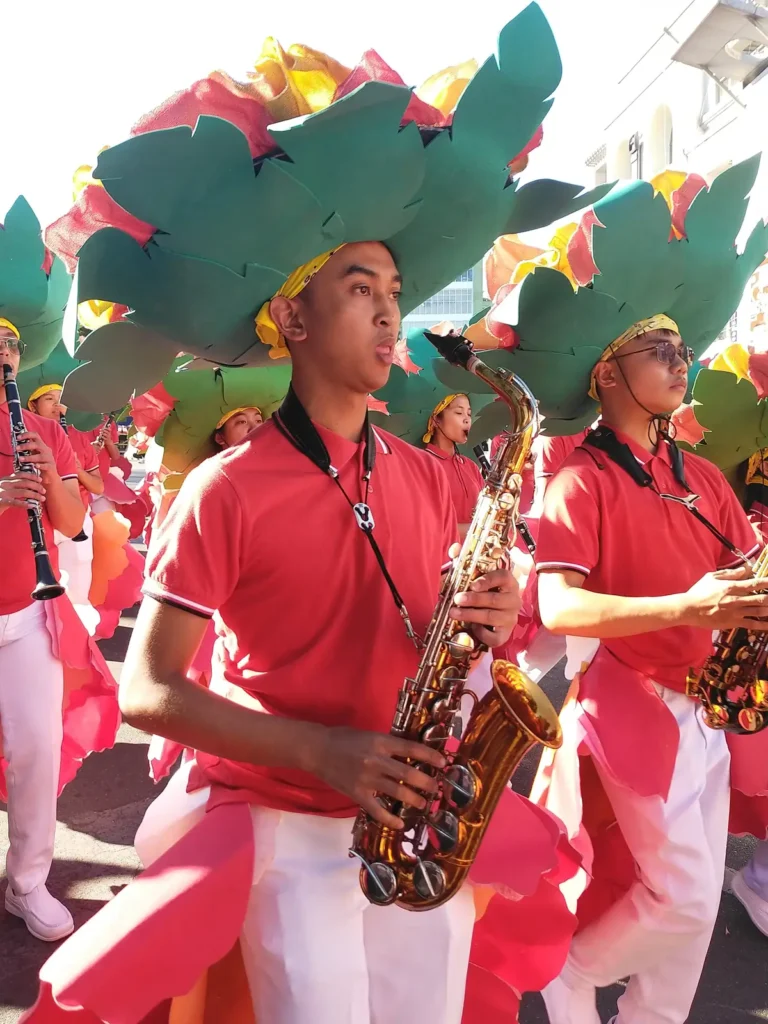
Live music runs through the weekend, with Cajun and zydeco bands anchoring the lineup and country and swamp pop filling out the schedule. Sets are typically free to watch, and dancing happens right on the pavement in front of the stage. Bring a folding chair if you plan to camp out for a favorite act, and expect the crowd to thicken considerably after dark.
Family Contests, Rides, and Kid-Friendly Corners
The carnival midway is the obvious draw for children, with rides, games, and the usual prizes. Beyond that, the festival leans hard into its agricultural roots: exhibits, contests tied to the rice harvest, and a parade that gives kids a chance to scramble for throws. Festival royalty — a queen and her court — appears throughout the weekend, and the whole event has the pace of a town reunion rather than a packed concert venue.
Planning Your Trip to Acadia Parish
Getting to Crowley by Car
Crowley sits along the US 90 corridor in south Louisiana, with Interstate 10 running just to the north of the area. Most visitors drive in from Lafayette, Lake Charles, Baton Rouge, or the Houston side of the state line. The roads are flat and easy to navigate; the real challenge is downtown congestion on the busiest evenings, so plan to arrive earlier than you think you need to.
Where to Stay in and Around Crowley
Lodging in Crowley itself is limited, so book well in advance if you want to stay in town. Options include local motels, a handful of inns, and short-term rentals. Many visitors base themselves in Lafayette, a short drive east, where the hotel stock is far larger, or in one of the smaller towns nearby. RV travelers will find campgrounds in the region, though they also fill quickly during festival season.
Parking Around the Festival Grounds
Expect a mix of street parking and temporary lots near downtown, with some streets closed to traffic for the event. You will almost certainly walk a few blocks, so wear shoes you can stand in for hours. Follow posted signs and any temporary restrictions, avoid blocking driveways or private lots, and note where you parked before you head for the food booths.
Admission and What Things Cost
Entry to the festival grounds is typically free, which means your budget goes toward food, drinks, rides, and any merchandise. Bring cash — many booths and vendors handle cash more easily than cards, and small bills keep lines moving. Carnival rides and some activities are sold individually or by wristband, so decide in advance how much you want to spend on the midway.
South Louisiana Weather in Festival Season
October in Acadia Parish usually means warm, humid days, milder evenings, and a real chance of rain or a passing thunderstorm. Dress in light layers, pack a rain jacket or poncho, and bring sunscreen and insect repellent. Comfortable shoes matter more than style — pavement, grass, and gravel are all part of the walk.
A Sample Rice Festival Weekend in Crowley
Arrival afternoon. Check in, then walk the downtown blocks to get your bearings while the crowds are still light. Grab an early dinner of jambalaya or rice and gravy, find the main music stage, and catch the first evening set before turning in.
Full festival day. Start with coffee and a slow walk through the booths. If a parade is scheduled, claim a spot on the route early. Midday is for cooking contest displays, agricultural exhibits, and a serious food crawl. In the afternoon, take the kids through the midway, then find shade and a stage. Evenings belong to the headliners — dancing, second helpings, and one last order of boudin before the music stops.
Final morning. Have breakfast at a local spot, then drive the backroads around Crowley past rice fields and crawfish ponds. If you have time, stop in a neighboring town on the way home.
How Crowley’s Festival Compares With Nearby Options
Acadia Parish and its neighbors keep a busy calendar, so it helps to know what makes each one different.
Rayne. Just east of Crowley, Rayne celebrates its frog-farming heritage with a long-running frog-themed festival. It is smaller and quirkier, with a strong local following.
Eunice. North of Crowley, Eunice is a Cajun music stronghold, with dance halls, radio traditions, and cultural centers devoted to the music and French-language heritage of the prairie.
Lafayette. The region’s largest city hosts big, free spring festivals with an international lineup. It is a different scale entirely — more urban, more crowded, and less tied to agriculture.
The Rice Festival’s niche is clear: an October harvest weekend in a small parish seat, centered on the crop that built the town, with a parade, a midway, and food that tastes like somebody’s grandmother made it.
Getting Ready for a Rice Festival Weekend in Crowley
Book lodging first. Rooms in and around Crowley disappear quickly for festival weekends, so secure a bed before you plan anything else.
Carry cash. Small bills for food, drinks, tips, and midway tickets will make your day smoother.
Dress for the weather and the walk. Layers, a rain jacket, sunscreen, insect repellent, and broken-in shoes cover almost every October scenario.
Bring a folding chair and a water bottle. Both are worth their weight if you plan to sit through several music sets.
Pick a meeting point. Cell service can get sluggish in a crowded downtown, so agree on a landmark where your group regroups.
Check the schedule before you drive in. Parade times and stage lineups shape the whole day, and street closures follow the same rhythm.
Beyond the Midway: Acadia Parish and the Rice Country Around Crowley
The festival is a good excuse to see more of the parish. Crowley’s historic downtown has the bones of an early-twentieth-century rice town — old commercial buildings, storefronts, and a walkable core that rewards a slow lap when the booths are closed. Out in the countryside, the landscape is all rice fields, crawfish ponds, grain elevators, and flat horizon.
Nearby towns are worth a detour. Rayne, Church Point, Iota, and Mermentau each have their own character, and Eunice offers a deep dive into Cajun music and French heritage. Local plate-lunch spots, small dance halls, and roadside stands selling boudin and cracklins round out the experience. In cooler months, the flooded fields and wetlands around the parish also draw waterfowl, which makes a morning drive surprisingly rewarding.
What the Rice Festival Means to Acadia Parish
For a parish of 57,576 people spread across 657 square miles, the International Rice Festival is part family reunion, part civic pride, and part economic engine. Volunteers staff the booths, local groups run concessions, and businesses along the route see one of their busiest weekends of the year.
Just as important, the festival keeps an agricultural story visible. Rice farming is easy to take for granted when you buy a bag at the grocery store. In Crowley, the connection between the crop, the land, and the people who work it stays front and center for a few days each fall — and that is passed down to kids who grow up riding the rides and eating the rice dressing.
Finding Your Way in Crowley, Louisiana
The International Rice Festival takes place in downtown Crowley, the seat of Acadia Parish in south Louisiana.
Rice Festival Answers for First-Time Visitors
Is the International Rice Festival free to attend?
Admission to the festival grounds is typically free. You will still spend money on food, drinks, carnival rides, and merchandise, and some activities are ticketed separately. Budget for cash purchases and decide ahead of time how much you want to put toward the midway.
When does the festival usually take place?
It is held each autumn, in most years during October, timed to follow the rice harvest. Because the exact weekend shifts from year to year, confirm the dates through the festival’s official channels before you book lodging or arrange time off.
Should I bring kids to the Crowley festival?
Yes. The midway, parade, and food booths make it an easy family outing, and the atmosphere stays relaxed during daylight hours. Bring a stroller if you have young children, keep a hand on little ones near rides and crowds, and plan an early exit if the evening gets loud.
What should I do if it rains?
South Louisiana weather changes fast, and passing showers are common in October. Bring a poncho, duck into a storefront or tent, and wait it out — most events resume quickly. If storms turn severe, follow any announcements from festival staff and move away from stages and temporary structures.
What’s Ahead for the International Rice Festival
The festival’s future rests on the same things that built it: rice farming, volunteers, and a town willing to shut down its streets for a few days each fall. As long as the crop remains central to Acadia Parish’s identity, the celebration has a reason to continue — and the format is likely to stay familiar, with parades, contests, live music, and food that puts rice at the center of the plate.
What may change is the audience. Younger organizers, broader social media reach, and renewed interest in regional foodways all point toward a festival that keeps its small-town feel while welcoming more visitors from outside the parish. For travelers, that means the same warm welcome with a little more planning required.
Last updated: October 2026
If you go, go hungry and go early. The International Rice Festival is not a spectacle staged for tourists — it is a working parish celebrating the crop that shaped it, and the best way to experience it is simply to show up, walk the blocks, and eat what Crowley puts in front of you.