Wright County Iowa Wright County Fair Festival
Clarion, Iowa, is the county seat of Wright County, a 582-square-mile county founded on January 15, 1851. With a 2020 population of 12,943, Wright County is a north-central Iowa county of small towns, farm fields, and long-standing community rituals. Among the most enduring is the Wright County Fair. The fair belongs to the whole county, but its gravitational center is the Clarion area, where civic life has long gathered.
For visitors, the Wright County Fair is a chance to step into a summer rhythm that feels both familiar and deeply local. The fairgrounds come alive with livestock, fair food, neighbors catching up, and the bright noise of carnival rides. It is a classic Iowa county fair: agricultural at its core, social by nature, and open to anyone willing to spend a day or a weekend in the Wright County area.
Wright County Fair: Clarion-Area Facts and Fair Basics
| Town / place | Wright County area, with Clarion as the county seat and main reference point |
| County | Wright County, Iowa |
| County seat | Clarion |
| Population | 12,943 (2020 census) |
| Region | North-central Iowa |
| Typical timing | A summer weekend, often in July |
| Admission | Grounds admission is typically free; some grandstand or special events may charge |
| Setting | Rural fairgrounds in the Wright County area, surrounded by farmland and small-town communities |
| Features | Classic county fair traditions: exhibits, livestock shows, community contests, food stands, and entertainment |
| Organizer | Local fair board and community volunteers |
Where the Wright County Fair Fits in the Clarion Story
The Wright County Fair is not just an annual event; it is a meeting point for a county that stretches across 582 square miles. Clarion, the county seat, has long served as the hub for business, government, and community life. When fair season arrives, that hub role expands. Families from Wright County’s small towns and rural townships converge on the fairgrounds, turning a local tradition into a countywide reunion.
The fair reflects the county’s agricultural identity. Livestock barns, static exhibits, and youth projects show the work of 4-H and FFA members, while vendors and community groups fill the grounds with food, crafts, and conversation. For a county with a 2020 population of 12,943, the fair is a significant shared calendar moment. It is where neighbors compare notes, where kids learn responsibility, and where local businesses and volunteers keep a tradition moving forward.
Because the fair is held in the Wright County area, it also serves as an introduction to the region for outsiders. Visitors from nearby counties and travelers passing through north-central Iowa can experience a slice of rural Iowa life without the scale or crowds of a large state fair. The pace is slower, the conversations are longer, and the focus stays on community.
For another look at how a community turns its own traditions into a gathering, see the Worth County Iowa Worth County Fair Festival for a useful comparison.
From 1851 County Roots to a Summer Fair Tradition
Wright County was founded on January 15, 1851, and Clarion became its county seat. In the decades that followed, agriculture shaped the county’s towns and countryside. County fairs across Iowa grew out of that same agricultural world. They began as gatherings where farmers could share knowledge, show livestock, and celebrate the harvest, and they gradually became annual social institutions.
The Wright County Fair followed that broader Iowa pattern. It became a place where rural and town life met: a showcase for crops and animals, a stage for local entertainment, and a marketplace for food and goods. Over time, fairgrounds became permanent gathering places, with buildings for exhibits, space for livestock, and areas for grandstand events and carnival rides.
Exact early dates and organizers are best confirmed through local historical records, but the fair’s longevity is clear in its role today. It carries forward the same priorities that shaped it: youth development, agricultural pride, volunteer effort, and the simple pleasure of a summer weekend spent with neighbors. In that sense, the Wright County Fair is both a modern event and a living piece of county history.
What a Day at the Wright County Fairgrounds Looks Like
A visit to the Wright County Fair is best approached without a rigid schedule. The grounds reward wandering: one minute you are watching a livestock show, the next you are eating something fried, and the next you are talking with a volunteer about a project in the exhibit hall. Still, a few broad categories shape the experience.
Fair Food That Tastes Like Summer in Wright County
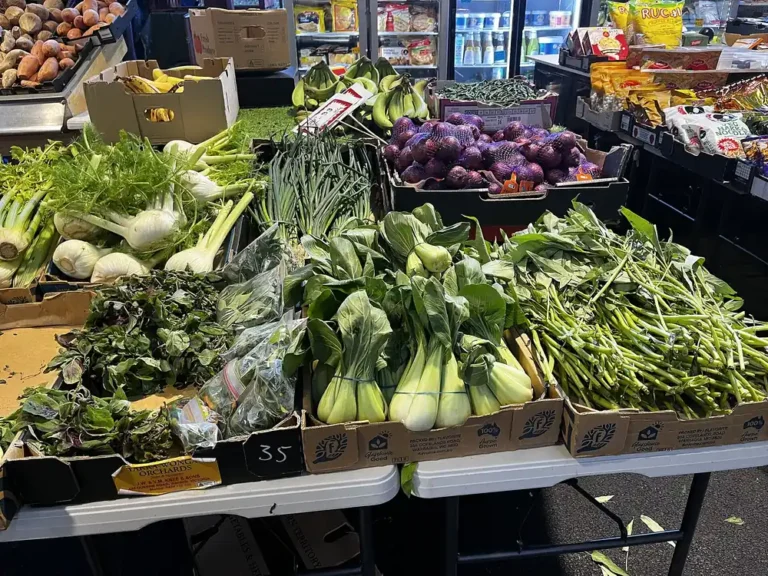
Fair food is part of the ritual. Expect the classics: corn dogs, funnel cakes, burgers, pork sandwiches, lemonade, ice cream, and sweet treats from local vendors and community booths. Portions are built for walking, and lines are part of the social scene. Bring cash for smaller stands, and pace yourself if you plan to sample more than one favorite.
Grandstand and Grounds Entertainment
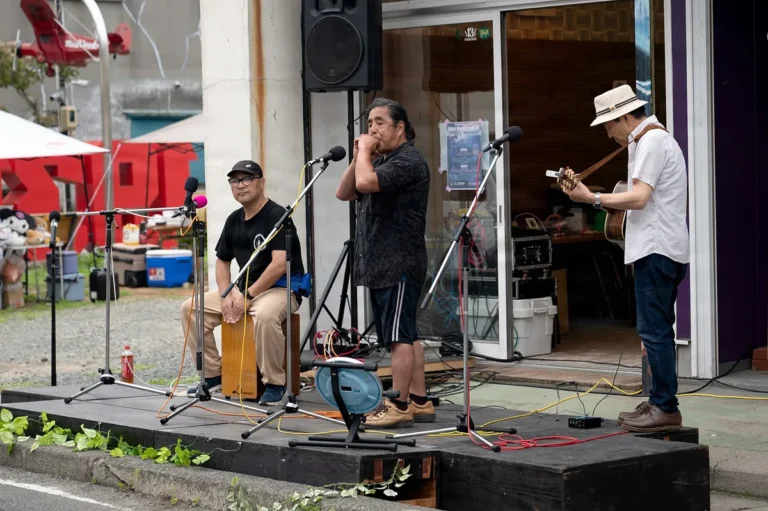
Entertainment at the Wright County Fair typically includes a mix of grandstand events and free grounds activities. Depending on the year, visitors may find live music, community performances, tractor pulls, demolition derbies, or other grandstand programs. The fair board and local volunteers shape the schedule, so it is worth checking the current fair program once it is released.
Family Activities and 4-H/FFA Energy
Families will find plenty to do beyond the midway. Livestock barns, static exhibit halls, and youth project displays are at the heart of the fair. Kids can meet animals, see handmade projects, and learn where food and farming come from. Carnival rides and games add a lively counterpoint, while benches and shade trees offer places to rest between activities.
Planning a Wright County Fair Weekend from Clarion and Beyond
Because the fair is a seasonal event, a little planning goes a long way. The Wright County area is easy to navigate, but knowing where you are going and what to expect can make the day smoother, especially if you are traveling with children or visiting from outside the county.
Getting to the Wright County Area
Clarion, the county seat, is the main reference point for visitors heading to the Wright County Fair. From there, follow local signs or fair directions to the fairgrounds. If you are coming from another part of north-central Iowa, allow extra time for rural roads, slow traffic near the grounds, and the occasional tractor or livestock trailer.
Where to Stay Near Clarion
Clarion and the surrounding communities offer a range of lodging options, from motels to campgrounds. During fair season, rooms and campsites can fill quickly, so booking early is wise. If you prefer a quieter base, consider staying in a nearby town and driving in for the day.
Parking Around the Fairgrounds
Parking is usually available on or near the fairgrounds, with volunteers directing traffic during busy periods. Arriving earlier in the day gives you more choice and less stress. Follow posted signs, respect private property, and be patient when leaving after grandstand events.
Admission, Costs, and Fair Budgeting
Grounds admission at many county fairs is free, with costs coming from food, rides, games, and select grandstand events. The Wright County Fair generally follows that model, though some activities may require a fee. Bring cash for vendors and small booths, and check the current fair schedule for any ticketed events.
Weather and What to Wear
Iowa summers can be hot and humid, with the chance of an afternoon storm. Wear comfortable shoes, bring sunscreen and a hat, and carry a water bottle. A light rain jacket or umbrella can be useful. If you plan to stay into the evening, a light layer may help as temperatures drop.
A Sample Summer Weekend at the Wright County Fair
First evening: Arrive in the late afternoon, walk the grounds, and get oriented. Grab fair food, visit the exhibit hall, and let the kids check out the carnival. If there is a grandstand event, claim seats early and enjoy the community atmosphere.
First full day: Start with the livestock barns while the animals are active and the barns are cool. Watch a show or walk through the static exhibits. After lunch, take in a free grounds performance, play a few games, and sample a second round of fair food. In the evening, return for the grandstand program or live music.
Closing day: Come back for the final hours of the fair. Many exhibits and competitions wrap up, and there is often a relaxed, farewell feeling on the grounds. Visit any booths you missed, buy a last treat, and thank a volunteer. Then head into Clarion or the surrounding countryside for a quiet end to the weekend.
Wright County Fair Compared with Nearby Iowa Celebrations
Travelers in north-central Iowa have several county fair experiences within reach. The Webster County area around Fort Dodge tends to feel larger and more regional, with a broader entertainment lineup. The Franklin County Fair in Hampton and the Hancock County Fair in Garner each have their own local traditions and agricultural focus.
The Wright County Fair stands out for its Clarion-area intimacy. It is not trying to be a mega-festival. Instead, it offers a compact, community-driven fair where the county’s 12,943 residents and their neighbors can gather. For visitors who want an authentic Iowa county fair rather than a polished tourist spectacle, that smaller scale is the appeal.
Wright County Fair Checklist for a Smooth Visit
Before you go, pack sunscreen, a hat, and a refillable water bottle. Wear comfortable shoes for walking on grass and gravel. Bring cash for food, rides, and vendors. Check the fair schedule for grandstand times and any ticketed events. Charge your phone, but expect to be offline and in the moment. If you have children, agree on a meeting point in case you get separated. Finally, leave room in your day for spontaneity—the best fair moments often happen between the planned stops.
Beyond the Wright County Fair: Clarion and the Wider County
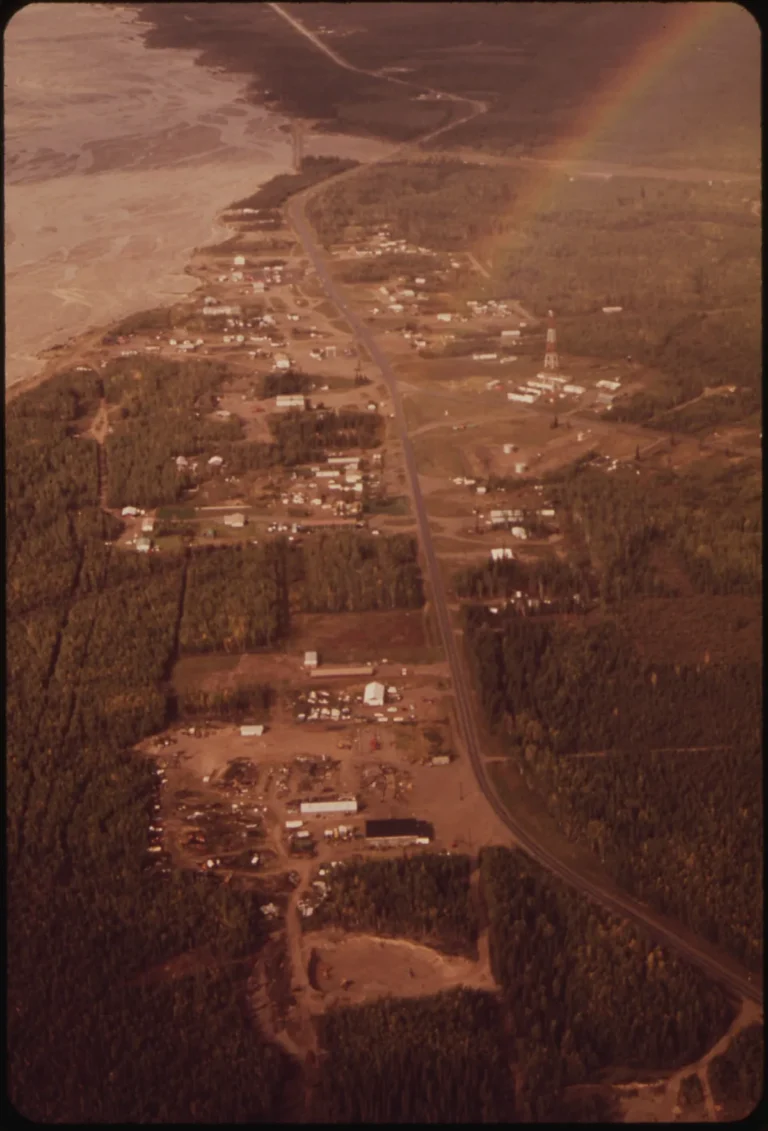
The fair is a highlight, but it is not the only reason to explore Wright County. Clarion, as the county seat, offers a classic Iowa courthouse-square experience and a base for discovering the surrounding area. The county’s 582 square miles include small towns, working farms, and rural roads that reward a slow drive.
Visitors can pair a fair visit with a look at local shops, cafes, and community parks. The landscape itself tells the story of the county: fields, fences, barns, and the steady rhythm of agricultural life. For anyone curious about north-central Iowa beyond the interstate, Wright County offers a genuine, unhurried welcome.
What the Wright County Fair Means to a 12,943-Person County
In a county of 12,943 people, the Wright County Fair matters because it is one of the few events that truly brings everyone together. It bridges generations, connects town and country, and gives young people a stage to show what they have learned. Volunteers make it happen, often returning year after year because the fair is part of their family story.
The fair also supports the local economy in quiet ways. Food vendors, crafters, businesses, and community organizations all benefit from the foot traffic and goodwill. More importantly, it strengthens the social fabric of Wright County. In an era when so much of life happens online, the fair remains a place where people meet face to face, share a meal, and celebrate the place they call home.
Wright County Fairgrounds Location in the Clarion Area
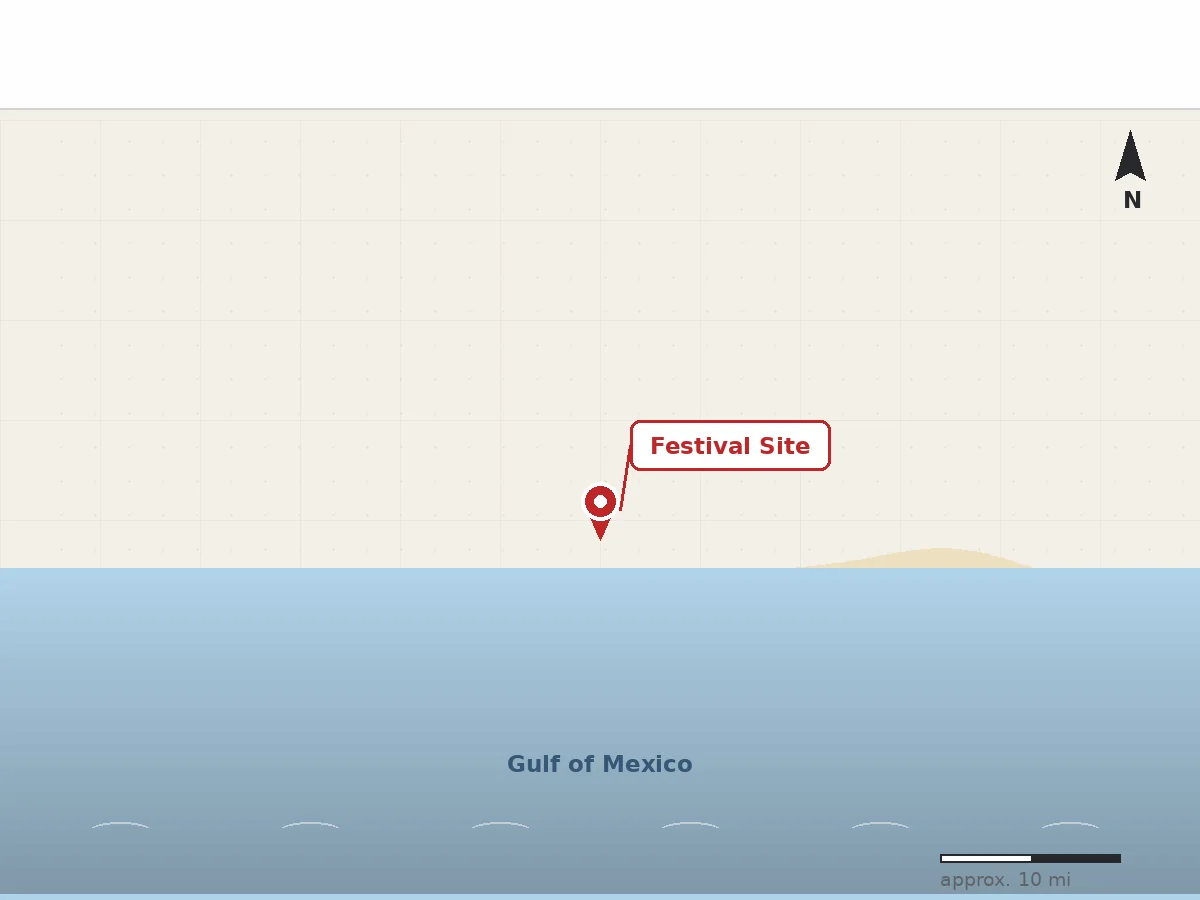
The Wright County Fair is held in the Wright County area of north-central Iowa, with Clarion serving as the county seat and main reference point for visitors.
Wright County Fair Questions from First-Time Visitors
When is the Wright County Fair usually held?
The fair is typically held on a summer weekend, often in July. Exact dates can vary from year to year, so check the current local fair schedule before making plans.
Is there an admission fee for the Wright County Fair?
Grounds admission is typically free, while some grandstand events, rides, or special activities may charge a fee. Bring cash for food, games, and vendors, and check the fair program for ticketed events.
Where is the fairgrounds located?
The fairgrounds are in the Wright County area, with Clarion as the county seat and the most convenient reference point. Local signs and fair directions will guide you from there.
What should I bring to the fair?
Bring sunscreen, a hat, comfortable shoes, a water bottle, and cash. A light jacket or rain layer is useful for changing weather. If you plan to stay for grandstand events, consider a cushion or lawn chair where allowed.
The Next Chapter for the Wright County Fair
The future of the Wright County Fair depends on the same things that have sustained it for generations: volunteers, young exhibitors, local businesses, and community support. As agriculture evolves and small towns change, the fair will continue to adapt while keeping its core purpose intact. That means celebrating youth, showcasing local work, and creating a place where neighbors can gather.
For visitors, that continuity is the invitation. Come for the food, the livestock, the rides, or the music. Stay for the conversations and the sense of belonging. The Wright County Fair may be a seasonal event, but its impact lasts all year in the life of the county.
Last updated: October 202