Van Buren County Iowa Van Buren County Fair Festival
Keosauqua, the County Seat, and the Van Buren County Fair
Keosauqua sits at the center of Van Buren County life, and for generations the county fair has been one of the clearest ways that life shows itself. The town is the county seat of Van Buren County, Iowa, a county of 7,203 people in the 2020 census, spread across 491 square miles of southeast Iowa. The Van Buren County Fair belongs to the whole county, but Keosauqua gives it a natural anchor: a small county seat where fair week feels like a shared neighborhood project.
The fair is not a single downtown street party or a one-day concert. It is a county fair in the traditional Iowa sense: a gathering for exhibitors, farm families, students, neighbors, and visitors who come together for food, livestock, crafts, entertainment, and the easy pleasure of running into people you have not seen since last season. In a county founded in December 1836, that rhythm has had a long time to settle in.
Van Buren County Fair Facts for a First Visit
| Town/area | Van Buren County area, around Keosauqua |
| County | Van Buren County, Iowa |
| County seat | Keosauqua |
| Population | 7,203 (2020 census) |
| Region | Southeast Iowa |
| Typical timing | Summer county fair season |
| Admission | Typically free; some activities may charge |
| Setting | Fairgrounds in the Van Buren County countryside |
| Features | Exhibits, livestock, food, entertainment, family activities |
| Organizer | Local fair board and community volunteers |
A Fair Rooted in Van Buren County’s Small-Town Rhythm
The Van Buren County Fair is best understood as a countywide reunion with competition ribbons, food stands, and a livestock barn at its heart. It reflects a place where agriculture and small-town business still shape the calendar. With Keosauqua as the county seat, the fair draws from towns and rural crossroads across the county, from the Des Moines River valley to the wooded bluffs and farm roads that make up much of Van Buren County’s 491 square miles.
Visitors should expect a classic fair layout: exhibit halls, food row, animal barns, a midway or activity area, and evening events. The fair is typically held during the summer county fair season. General admission is typically free, though individual attractions may charge. It is family-oriented, accessible, and rooted in local participation rather than big-name spectacle.
History: From 1836 County Roots to a Modern Fair Tradition
Van Buren County was founded in December 1836, and Keosauqua became its county seat. In a place that old, fairs and public gatherings are part of the civic habit. Early county fairs in Iowa grew from agricultural societies and community exhibitions, where farmers compared crops, livestock, and tools, and families showed preserves, sewing, and crafts. The Van Buren County Fair continues that lineage.
For another look at how a community turns its own traditions into a gathering, see the Union County Iowa Union County Fair Festival for a useful comparison.
Over time, fairgrounds became more organized, with permanent buildings, show rings, and grandstands. The fair adapted as rural life changed, adding youth programs, school exhibits, and entertainment while keeping the exhibit hall and livestock show at its core. It has not stayed frozen; it has shifted with the county’s population, transportation, and tastes. Yet its purpose remains: to put local work on display and give neighbors a reason to gather. For a county of 7,203 people across 491 square miles, that annual meeting matters.
What a Day at the Van Buren County Fair Feels Like
Fair Food and Local Flavors
Food at the Van Buren County Fair is part of the social architecture. Expect the familiar county fair lineup: tenderloins, burgers, corn dogs, funnel cakes, lemonade, ice cream, and church or civic group stands. Local groups often use food sales as fundraisers, so a meal does double duty. Portions are generous, seating is casual, and the best plan is to graze rather than commit to one big meal.
Music, Grandstand Entertainment, and Evening Energy
Evenings bring the fairgrounds to life. Entertainment may include live music, grandstand events, contests, or community performances. The exact schedule changes from year to year, so check local listings. What stays consistent is the atmosphere: families spreading blankets, kids staying up late, and the sound of announcements drifting across the grounds. The fair is not a massive arena show; it is a hometown stage where local talent and tradition share space.
Family Activities and Agricultural Exhibits
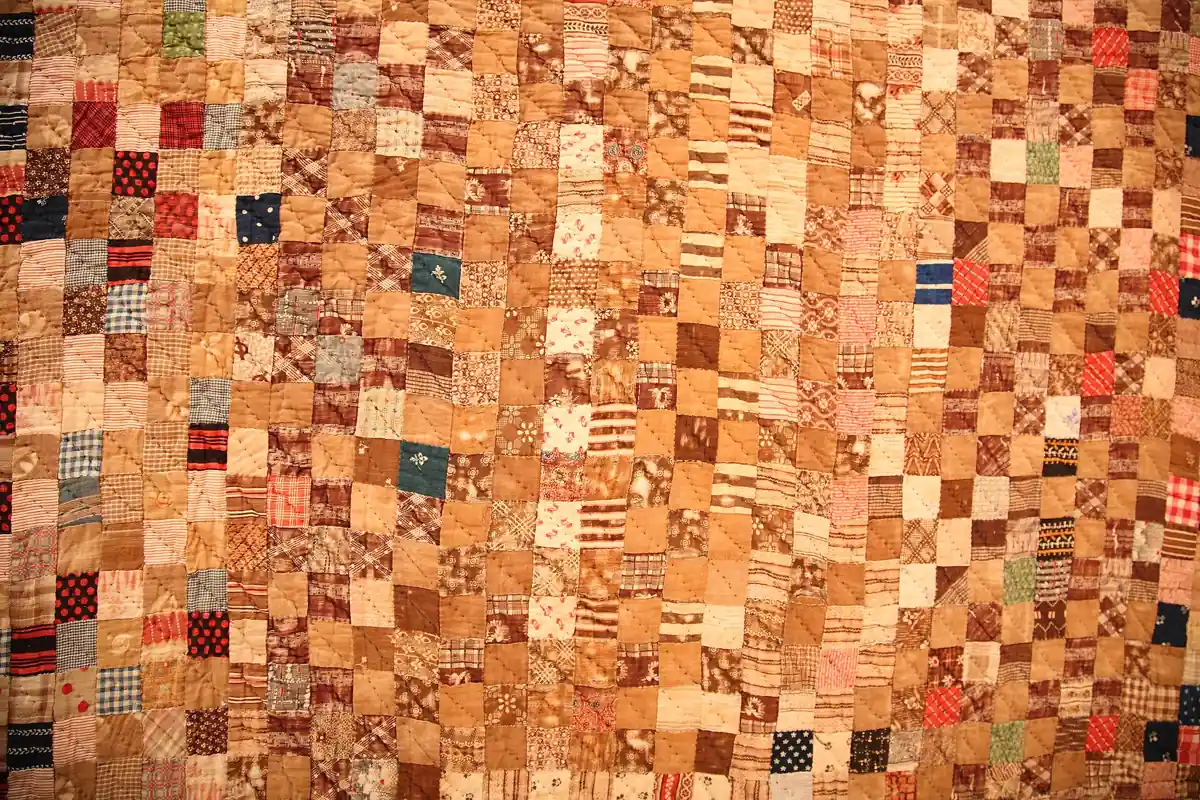
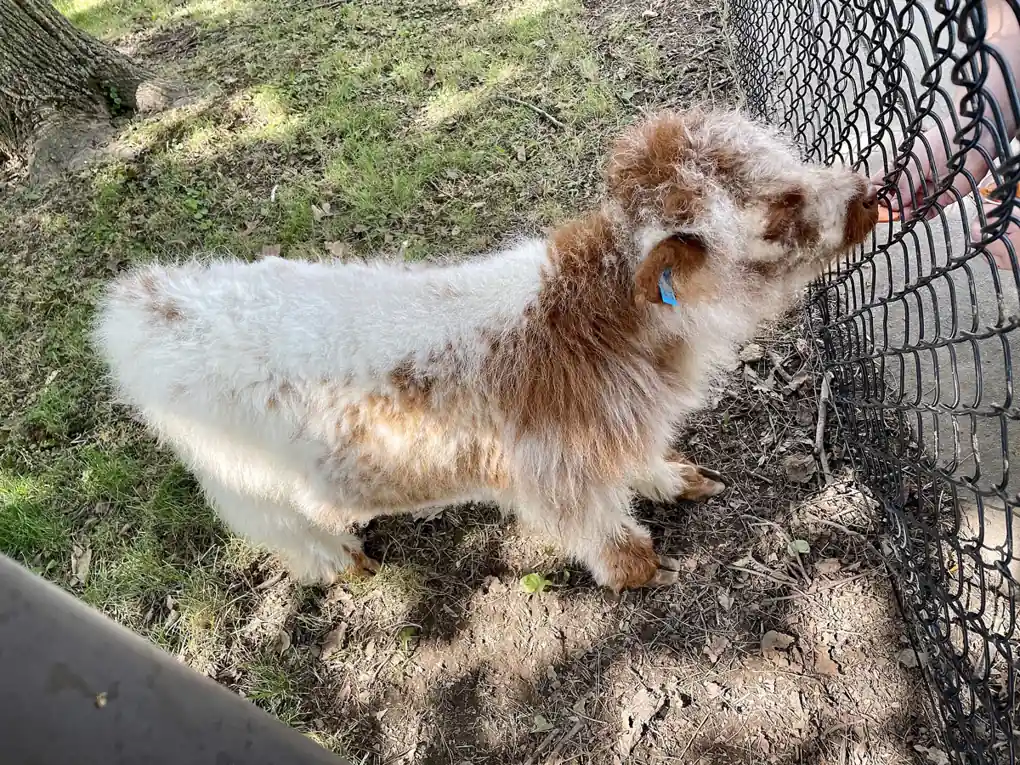
The fair is built for families. Livestock barns let children see cattle, pigs, sheep, goats, poultry, and rabbits up close. Exhibit halls display youth and community projects, baking, canning, photography, quilting, and crafts. Contests and hands-on activities often run through the day. For many local families, the fair is the week when kids show their first animal, enter a project, or ride their first carnival ride.
Planning a Van Buren County Fair Visit
Getting to the Van Buren County Fair Area
Van Buren County sits in southeast Iowa, with Keosauqua as the county seat. Most visitors arrive by car, using regional highways and county roads. The fairgrounds are part of the Van Buren County area, so a navigation app and a quick look at local fair signs will keep you oriented. If you are coming from outside the county, plan for rural driving: two-lane roads, farm equipment, and small-town speed limits.
Where to Stay Around Keosauqua and Van Buren County
Lodging in a county of 7,203 people is limited and charming. Options may include local inns, cabins, bed-and-breakfasts, and campgrounds, with larger hotel choices in nearby regional hubs. Because fair week draws family and alumni back to the area, book early if you need a room. Camping can be a practical choice for fairgoers who want to stay close to the grounds.
Parking and Grounds Navigation
Parking at county fairs is usually straightforward but can fill during evening entertainment and livestock shows. Arrive early for popular events, follow volunteer directions, and expect some walking on grass or gravel. Wear comfortable shoes. Keep a meeting point in mind if your group splits up between the barns, food row, and grandstand.
Admission, Tickets, and Costs
General admission to the Van Buren County Fair is typically free, though some rides, food, carnival attractions, or special grandstand events may charge separately. Bring cash for vendors and fundraisers, even if some stands accept cards. Set a simple budget for food and activities, especially if you have children who will want to try everything.
Weather and Seasonal Timing
The fair falls during the summer county fair season, when Iowa weather can be hot, humid, stormy, or surprisingly cool in the evening. Check the forecast before you go. Pack sunscreen, a hat, water, and a light rain jacket. A small umbrella can help during a passing shower, and closed-toe shoes are wise around livestock areas.
A Sample Weekend Itinerary for the Van Buren County Fair
Start your first evening with a walk through the exhibit hall and livestock barns before the crowds settle in. Grab dinner from a food stand, then find a seat for the evening entertainment or grandstand event.
On the next morning, return for youth exhibits, animal shows, and a slower look at the projects you missed. Have lunch from a civic group booth, then let children enjoy rides or games in the afternoon. In the evening, come back for music, contests, and the fairground lights.
On your final day, arrive early for a final pass through the barns and exhibit buildings. Buy something from a local vendor, thank a volunteer, and take one last walk through the grounds. If you have time, drive into Keosauqua for a look at the county seat before heading home.
Van Buren County Fair and Nearby Southeast Iowa Festivals
Compared with a single-day town celebration in Keosauqua or a historic village event in Bentonsport, the Van Buren County Fair is broader and longer. It gathers the whole county rather than one town. Compared with larger regional fairs in southeast Iowa, it is smaller, more walkable, and more personal. In Bonaparte or Farmington, a local festival might center on one street or one park; the county fair spreads across barns, exhibit halls, and open grounds. That scale is the appeal: you can see the whole county in a weekend without losing the small-town feel.
Packing and Prep Notes for the Van Buren County Fair
Before you go, confirm the fair’s current schedule through local sources, since entertainment and events change. Pack sunscreen, insect repellent, water bottles, hats, comfortable shoes, and a light jacket for the evening. Bring cash for food and vendors. Charge your phone, but expect to be outside and away from outlets. If you have young children, write your phone number on a wristband or card. Check weather and road conditions, and plan a meeting spot at the grounds. Leave pets at home unless the fair specifically allows them.
Beyond the Fair: Keosauqua, Bentonsport, and Van Buren County’s Backroads
The fair is a reason to explore Van Buren County, not just attend an event. Keosauqua, the county seat, has historic streets and river-town character. The county’s 491 square miles include rolling farmland, wooded bluffs, and small communities such as Bentonsport and Bonaparte. Visitors can add a scenic drive, a local meal, or a stop at a historic site. The county was founded in December 1836, and its older towns still show layers of that history. A fair weekend can become a broader tour of southeast Iowa’s quiet corners.
What the Van Buren County Fair Means to a County of 7,203 People
In a county with 7,203 residents, the fair is more than entertainment. It is a civic checkpoint. It connects rural families, town residents, students, businesses, churches, and volunteers. It gives young people a stage to practice responsibility, whether through showing an animal, entering a project, or helping at a booth. It gives older residents a place to remember how the county used to look and to see who is carrying it forward. The fair also supports local groups through food sales and fundraising. Its significance is not measured in attendance figures but in relationships renewed each year.
Locating the Van Buren County Fair in Southeast Iowa
The Van Buren County Fair is located in the Van Buren County area of southeast Iowa, with Keosauqua as the county seat and the main orientation point for visitors.
Van Buren County Fair Questions from First-Time Visitors
When does the Van Buren County Fair usually take place?
The fair is typically held during the summer county fair season. Exact dates shift from year to year, so check local announcements before planning your trip.
Is admission free?
General admission is typically free, though some rides, food, carnival attractions, or special grandstand events may have separate costs. Bring cash for vendors.
What should I bring to the fair?
Bring sunscreen, water, comfortable shoes, a hat, insect repellent, and a light jacket for the evening. Cash is useful for food stands and fundraisers.
Is the Van Buren County Fair family-friendly?
Yes. The fair is built around family activities, livestock exhibits, youth projects, food, and community entertainment. It is a relaxed place for children and grandparents alike.
The Next Chapter for the Van Buren County Fair
The future of the Van Buren County Fair depends on the same things that built it: volunteers, exhibitors, local businesses, and families who keep showing up. Like many county fairs, it faces changing tastes, weather uncertainty, and the challenge of drawing new generations. But its strengths are durable. A county of 7,203 people across 491 square miles still needs a shared calendar moment, and the fair provides one. As long as there are livestock barns to sweep, pies to judge, and grandstand seats to fill, the fair will have a reason to continue.
Last updated: October 2026
Whether you come for the food, the animals, the music, or simply to see a small Iowa county at its most social, the Van Buren County Fair offers an honest slice of Van Buren County life. In Keosauqua and the surrounding countryside, the fair remains a summer tradition worth planning around.