Neosho County Kansas Neosho County Fair Festival
Anyone who has been coming to the Neosho County Fair for a few years learns to arrive with a plan and then let it go. The grounds have their own rhythm: barns open early while exhibitors groom animals, the exhibit hall fills with entries and the smell of fresh baking, and by evening the midway and grandstand take over. The pleasure for a repeat visitor is in the consistencies — the same families behind the same tables, the announcer’s voice drifting across the grass, the long walk back to the car after dark.
Neosho County spreads across 578 square miles of southeast Kansas, a landscape of farmland, prairie, and small towns anchored by Erie, the county seat. The 2020 census counted 15,904 people here. That is a modest number for a county this size, and it explains a great deal about the fair: this is rural Kansas, where agriculture still sets the calendar and a summer fair is one of the few occasions when the whole county gathers in one place.
Neosho County Fair Details: Numbers, Timing, and Ground Rules
Here is the short version for anyone planning a first visit or a return trip to the Neosho County area.
| Town / area | Neosho County area, anchored by Erie |
| County | Neosho County, Kansas |
| County seat | Erie |
| Population | 15,904 (2020 census) |
| Region | Southeast Kansas |
| Typical timing | Summer, across several consecutive days |
| Admission | Typically free to enter the fairgrounds |
| Setting | Rural county fairgrounds surrounded by farm country |
| Signature features | Livestock shows, 4-H and open-class exhibits, fair food, grandstand entertainment |
| Organizer | Local volunteers and a community fair board |
What the Neosho County Fair Actually Is
Strip away the promotional language and this is a classic Kansas county fair — the kind built around competition, agriculture, and neighbors seeing neighbors. It runs for several days in the summer, and its center of gravity is not a carnival midway but the barns and the exhibit hall. Everything else radiates outward from there.
The fair belongs to the people who enter it. Young exhibitors bring livestock for judging; adults bring vegetables, canned goods, baked entries, quilts, and photographs to be scored against the rest of the county. Ribbons matter here in a way that outsiders sometimes underestimate. A purple ribbon on a jar of pickles or a heifer is a year’s worth of work acknowledged in public, in front of people who know exactly what went into it.
For another look at how a community turns its own traditions into a gathering, see the Nemaha County Kansas Free Fair Festival for a useful comparison.
Around that core, the fair adds the pieces that turn a competition into a community event: food stands, vendors, grandstand programming, and enough noise and motion to keep children occupied for hours. With 15,904 residents spread over 578 square miles, the fair is not a big-city production and does not pretend to be. It is a county-sized gathering, and that scale is precisely what makes a return visit feel familiar.
How a Fair Took Root in a County Organized in 1861
Neosho County was founded on June 3, 1861, the same year Kansas entered the Union, and Erie took its place as the county seat. Settlement followed the familiar southeast Kansas pattern: families arrived, broke prairie ground, planted crops, and built towns around a courthouse, a rail line, and a school. Agriculture was never a sideline in that story — it was the whole economy.
County fairs across Kansas grew out of exactly that world. They began as agricultural exhibitions where farmers compared yields, stock breeders showed bloodlines, and farm wives displayed the preserved and stitched results of a year’s labor. Over decades, those exhibitions added entertainment, competition for young people through 4-H, and the social dimension that turns a judging event into a reunion.
The Neosho County Fair carries that inheritance forward. The categories have widened, the grandstand has changed, and the audiences are more mobile than they once were, but the underlying premise is unchanged: one week a year, the county puts its work on display and celebrates it together. In a place with 578 square miles of farmland and fewer than 16,000 people, that tradition is not nostalgia — it is the annual inventory of who this county is.
What to Expect on a Return Visit to the Neosho County Fair
Repeat visitors tend to notice the same things each year, and they build their day around them. Here is what shapes the experience.
Fair Food and the Exhibit Hall Economy
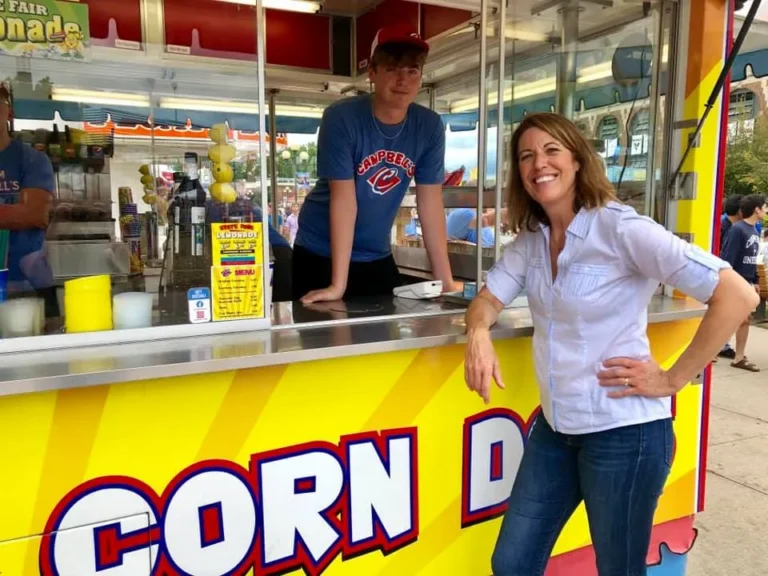
Food at a Kansas county fair is a mix of concession trailers and volunteer-run stands, and the volunteer stands are usually where the locals queue. Expect the familiar lineup — grilled burgers and sausages, fries, funnel cakes, lemonade shake-ups, homemade pie and ice cream — with church groups and civic organizations doing much of the cooking. Prices stay modest, portions are generous, and the proceeds typically cycle straight back into the community. Eat early if you want the pies; they go fast.
Grandstand Nights, Local Music, and Small-Town Entertainment
Evening programming is what fills the bleachers. County fairs in this part of Kansas commonly schedule musical acts, contests, pageants, and motorsports-style events across the run of the fair, and the grandstand is where the biggest crowds of the week collect. The tone is unpretentious: local talent gets a real stage, the emcee knows half the audience by name, and the applause is genuine. Arrive before the start time if you want a seat rather than a spot on the grass.
Family Activities and Things for Kids to Do
This is a genuinely family-oriented fair. Children can walk the barns and see animals up close, work through the exhibit hall at their own pace, and take part in the games and rides that set up on the grounds. For parents, the appeal is that the whole thing is walkable and contained — you are never more than a few minutes from the car, the restrooms, or a bench in the shade. Bring a stroller with real wheels, since much of the footing is grass and gravel.
Planning the Trip: Erie, Lodging, Parking, Costs, and Kansas Weather
A little preparation makes a fair day much easier, especially if you are driving in from outside the county.
Getting to the Neosho County Fairgrounds
Erie, the county seat, is the practical landmark for anyone heading to the fair from out of town. The county sits in southeast Kansas, within reach of larger regional hubs, and the last stretch of the drive is typically on county roads through open farmland. Navigation apps handle the route well, but cell coverage can thin out on the back roads, so it is worth downloading directions before you leave the highway.
Where to Stay Near Neosho County
Lodging inside the immediate fair area is limited, which is normal for a rural Kansas county. Most returning visitors either stay with family and friends, camp or park an RV where the fair allows it, or base themselves in a larger nearby town and drive in for the evening. Book well ahead for fair week — small-town motel inventories fill quickly when a county event is on.
Parking at the Fair
Parking at county fairgrounds is usually free and usually on grass, with volunteers directing traffic at the busiest times. Grandstand nights draw the largest crowds, so plan to arrive early on those evenings and expect a short walk from the outer lots. If rain has moved through, low-lying areas can get soft — stick to the marked lanes and follow the attendants rather than improvising.
What It Costs
Admission to the fairgrounds is typically free, which is one of the reasons local families come back multiple nights in a row. Money changes hands for food, vendor goods, and certain activities or evening events, so a mix of cash and card is sensible — some smaller stands still prefer cash. Set a rough budget per person and you will not be surprised at the end of the night.
Summer Weather in Southeast Kansas
Fair season in this region means heat, humidity, and the real possibility of an afternoon thunderstorm. Days can push well into the nineties with a heat index to match, while evenings cool off enough that a light layer is welcome. Bring water, sunscreen, and a hat; check the radar before you leave; and treat any severe weather warning as a signal to move to a sturdy building rather than waiting it out under a tent.
A Sample Fair Weekend, Built for Repeat Visitors
If you have a full weekend, this structure gets you the best of the fair without wearing yourself out.
| First afternoon | Arrive before the crowds, walk the barns while animals are being groomed, and get your bearings in the exhibit hall. |
| First evening | Eat at a volunteer food stand, then take a seat in the grandstand for the night’s main event. |
| Second morning | Return early for livestock judging and the quieter hours in the exhibit hall, when exhibitors are still around to talk about their entries. |
| Second afternoon | Ride the games with the kids, browse vendors, and find shade during the hottest part of the day. |
| Second evening | This is the big night — arrive early for parking and stay through the closing entertainment. |
| Final morning | Come back for the last exhibits and any wrap-up events before the grounds empty out. |
How the Neosho County Fair Compares to Nearby Towns and Fairs
Neosho County is not isolated. Erie sits within an easy drive of Chanute, the county’s largest community, and of other southeast Kansas towns such as Fort Scott and Parsons, each with its own civic calendar and its own summer gatherings. Visitors who travel the region quickly learn that every county fair has a personality shaped by the size and economy of the place behind it.
What sets the Neosho County Fair apart is proportion. Fairs in larger towns can absorb bigger crowds and bigger lineups; here, the scale stays intimate enough that you will recognize faces by your second night. If your trip allows, pair the fair with a stop in a neighboring town for a meal or a look at a historic downtown — the comparison makes the county fair’s particular charm more obvious, not less.
A Repeat Visitor’s Checklist for the Neosho County Fair
Nothing here is complicated, but each item has saved a return visitor at least one frustrating evening.
| Check the schedule first | Grandstand events and livestock judging shift the whole rhythm of a day. |
| Bring cash and a card | Smaller stands and raffles may not take cards. |
| Wear closed-toe shoes | Barns, gravel, and grass are not sandal-friendly. |
| Pack water and sunscreen | Kansas summer sun does not negotiate. |
| Plan around the biggest night | Arrive early for parking and seating. |
| Bring a cooler for the car | Useful if you buy baked goods, produce, or preserves. |
| Talk to exhibitors | The best context for what you are looking at comes from the people who made it. |
Beyond the Fairgrounds: Erie and the Rest of Neosho County
The fair is a good excuse to see more of the county than the fairgrounds. Erie, the county seat, is a small courthouse town with the unhurried feel common to southeast Kansas, and the surrounding countryside rewards a slow drive: working farms, pasture, tree-lined creeks, and small communities where the grain elevator is still the tallest thing on the horizon.
Chanute, the county’s largest town, is the natural stop for fuel, groceries, and a wider choice of restaurants, and it makes a sensible base for fair week. Give yourself an extra half day to wander — the appeal of this part of Kansas is not in attractions but in the pace, and it reads best when you are not rushing between stops.
Why the Neosho County Fair Still Matters to a County of 15,904
In a county with 578 square miles and 15,904 residents, institutions that bring people together are not decorative — they are structural. The fair is one of the few annual events where farm families, town residents, school-age exhibitors, and older generations all occupy the same few acres at the same time. That overlap is where the county’s social fabric actually gets maintained.
It is also an economic and educational engine in miniature. Young people learn to raise animals, keep records, speak to judges, and handle both winning and losing in public. Volunteers learn to run something bigger than themselves. Local businesses and organizations get a week of visibility they could not buy otherwise. None of it shows up on a balance sheet, and all of it matters.
Where the Neosho County Fair Sits
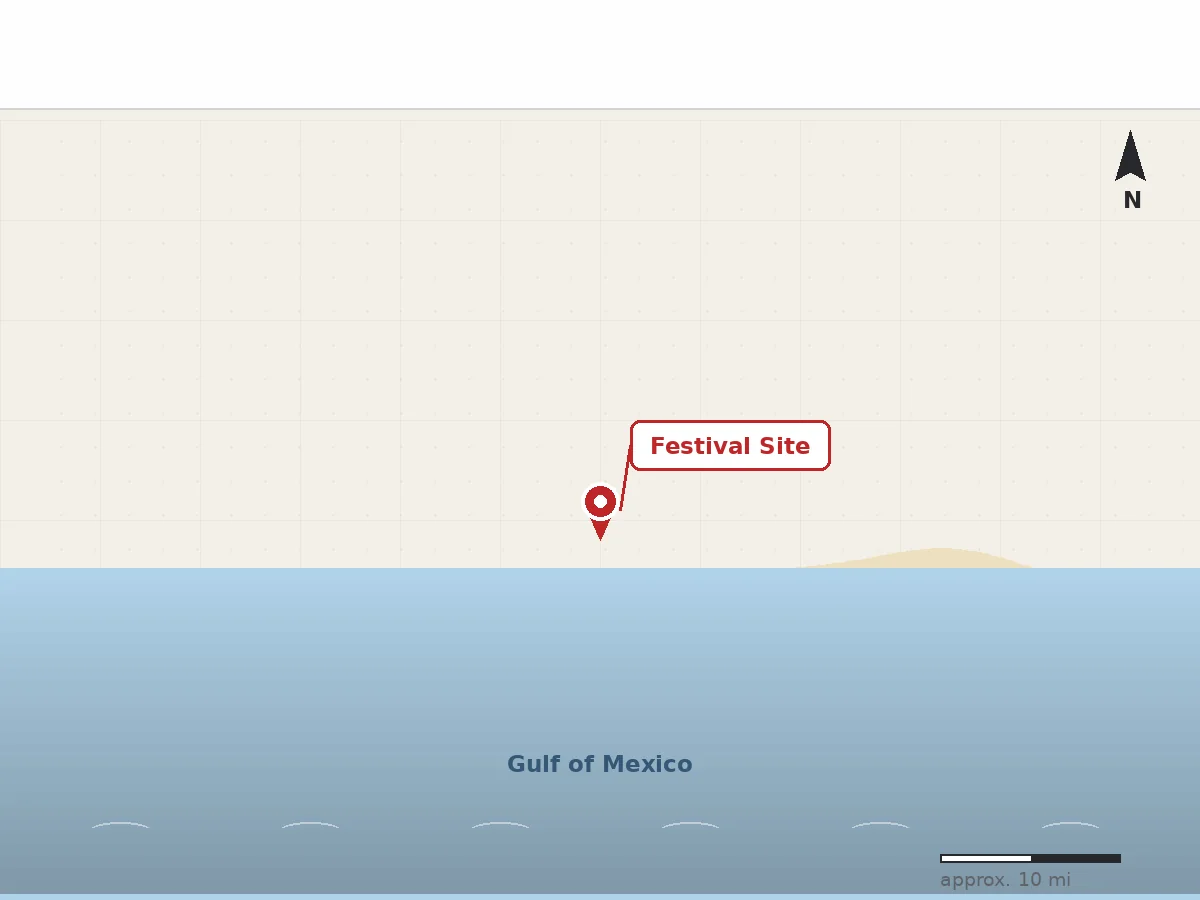
The Neosho County Fair takes place on the county fairgrounds in the Neosho County area of southeast Kansas, with Erie, the county seat, as the nearest anchor town.
Neosho County Fair Questions, Answered Plainly
Is there an admission charge to get in?
Entry to the fairgrounds is typically free, which is why so many local families come several nights in a row. Your spending will be concentrated on food, vendor items, and whatever individual activities or evening events charge their own fees. Bring both cash and a card to cover the range of stands.
When is the fair usually held?
It is a summer event, staged over several consecutive days, in keeping with the county fair calendar across Kansas. Because the exact week shifts from year to year, confirm the current schedule through local county sources before you plan travel or request time off work.
Where should out-of-town visitors stay?
Lodging in the immediate fair area is limited, so most visitors either stay with people they know locally, use RV or camping arrangements where available, or base themselves in a larger nearby town and drive in. Reserve early for fair week, since regional room supply is small.
Is it a good fit for young children and older visitors?
Yes. The grounds are compact, the pace is gentle, and there is genuine variety — animals, exhibits, food, games — within a short walk. The main caution is summer heat, so plan around the cooler morning and evening hours, keep water handy, and take breaks in the shade.
The Road Ahead for the Neosho County Fair
County fairs everywhere are working through the same questions: how to keep young exhibitors involved as farm families change, how to recruit enough volunteers to run a multi-day event, and how to stay relevant to residents who can reach bigger entertainment options within an hour’s drive. The Neosho County Fair’s advantage is that its core purpose — judging the year’s work and celebrating it together — does not need reinventing.
What is likely to matter most in the coming years is steady local support: families who enter exhibits, businesses that sponsor, and visitors who show up rather than assume the fair will always be there. For a returning visitor, the simplest contribution is also the most enjoyable one — come back, bring someone new, and buy a piece of pie.
Last updated: October 2026
The Neosho County Fair is not trying to be anything other than what it is: a few summer days in southeast Kansas when the barns, the exhibit hall, and the grandstand hold the county’s full attention. For anyone who has been before, that is more than enough reason to circle the week and come back again.
One Comment