Marshall County Iowa Central Iowa Fair Festival
The Central Iowa Fair is a fixture of summer in the Marshall County area, and like most county fairs it rewards the visitor who settles the logistics before the gate. Marshalltown, the county seat, is the natural base for the trip: it anchors a county of 40,105 people (2020 census) spread across 573.199 square miles of central Iowa farmland. That scale matters. A fair serving a county this size is large enough to fill a weekend and compact enough that you can park once, walk the grounds, and start recognizing the same faces by the second afternoon.
Because the fair’s schedule shifts from year to year, treat everything below as a planning framework rather than a fixed calendar. Confirm current dates, gate hours and event listings through the fair’s own announcements before you drive in, then use this structure to sort out the rest.
Central Iowa Fair Essentials for Marshall County Visitors
| Town / area | Marshall County area, Iowa (base: Marshalltown) |
| County | Marshall County |
| County seat | Marshalltown |
| Population | 40,105 (2020 census) |
| Region | Central Iowa |
| Typical timing | Summer, most often a multi-day run in July |
| Admission | Gate admission is generally free; rides, food and some grandstand events are pay-as-you-go |
| Setting | Fairgrounds with livestock barns, exhibit space and outdoor midway-style areas |
| Features | Livestock and youth project exhibits, fair food, grandstand entertainment, family activities |
| Organizer | Local fair board supported by Marshall County volunteers |
What the Central Iowa Fair Is, and How Marshall County Runs It
The Central Iowa Fair is Marshall County’s own annual fair — an agricultural showcase, a family reunion and a temporary entertainment district rolled into one summer run. It serves the whole county rather than a single town, drawing exhibitors from farmsteads and small communities scattered across 573.199 square miles, with most visitors arriving through Marshalltown, the county seat and the county’s population center.
Practically speaking, that means a fair with two halves. The daytime half belongs to agriculture: barns, show rings, static exhibits and the kind of project displays that Iowa county fairs have built their reputation on. The evening half leans toward entertainment — grandstand programming, midway lights, food stands and crowds that arrive after the heat breaks. Marshall County was founded in 1846 and named for John Marshall, and the fair carries that long agricultural identity forward in a format that is still recognizably local.
For a visitor, the useful takeaway is that the fair is not a single attraction you tick off in ninety minutes. It is a grounds you move through in phases, and the experience changes considerably depending on when you show up.
For another look at how a community turns its own traditions into a gathering, see the Marion County Kansas Marion County Fair Festival for a useful comparison.
From an 1846 County to a Summer Fair Tradition in Marshalltown
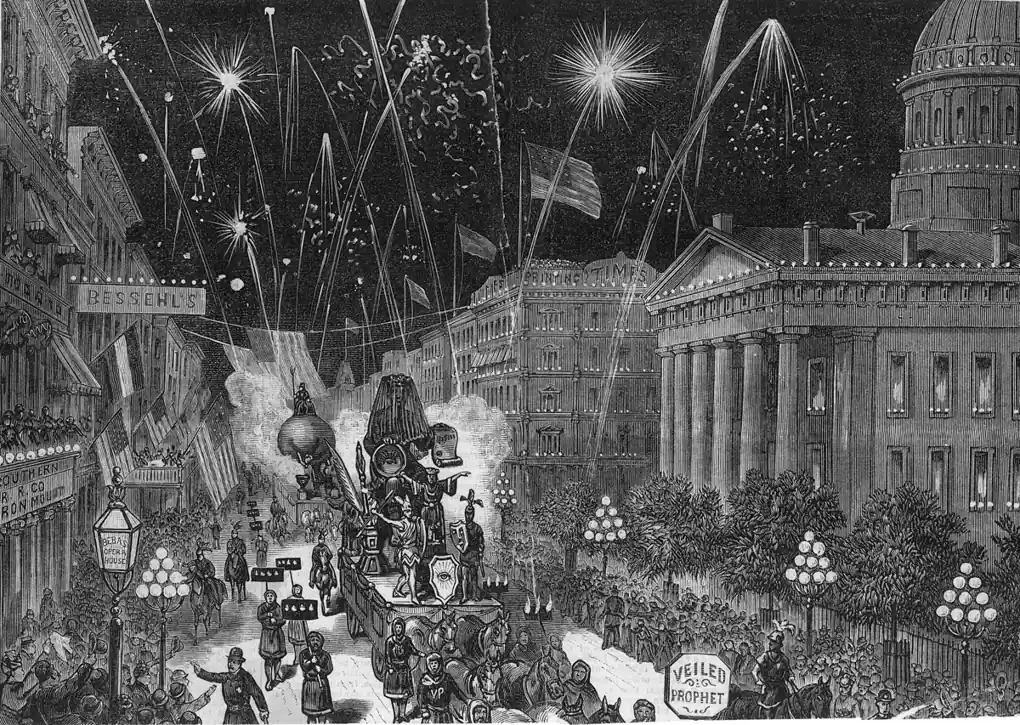
Marshall County was established in 1846 and named for John Marshall, with Marshalltown growing into the seat of county government and the surrounding trade center. County fairs across Iowa took shape in that same era, rooted in agricultural societies that wanted a yearly venue for comparing crops, livestock and farming methods. The Central Iowa Fair belongs to that broad tradition.
A rough timeline of how fairs of this type evolved helps explain what you see on the grounds today:
Mid-1800s: County government organizes around Marshalltown, and agricultural exhibition becomes a civic priority across central Iowa. Early fairs are practical events — livestock, grain, machinery, and a good deal of business conducted in the open air.
Late 1800s and early 1900s: Fairs add permanent structures, grandstands and formal youth competition. Exhibiting becomes a point of pride for rural families, and the fairgrounds become a fixed piece of county geography.
Mid-to-late 1900s: Entertainment expands — carnival rides, motor sports, concerts and evening grandstand shows. The fair becomes a full-family outing rather than a purely agricultural meeting.
Recent decades: The Central Iowa Fair continues as a volunteer-driven summer event, balancing traditional livestock and project exhibits with modern entertainment. The agricultural core has not been displaced; it has simply been wrapped in more to do.
Inside the Grounds: What a Day at the Central Iowa Fair Feels Like
The fairgrounds operate on a simple rhythm. Mornings are for exhibitors, judges and anyone who wants shade and elbow room. Afternoons bring families and heat. Evenings are the busiest stretch, when the grandstand fills and the food lines stretch out. Plan your visit around which of those three versions of the fair you actually want.
Fair Food, From Morning Coffee to Late-Night Stands
Food is the easiest part of the fair to plan for and the hardest to budget. Expect the standard county-fair lineup — grilled and fried mains, pork producers’ stands, lemonade, ice cream, funnel cakes and sweets — with vendors spread through the grounds rather than clustered in one court. Two practical notes: cash still moves faster at some stands, and the longest lines form right after grandstand events let out. Eat before the show or well after it.
Grandstand Nights: Music, Motors and Evening Programming
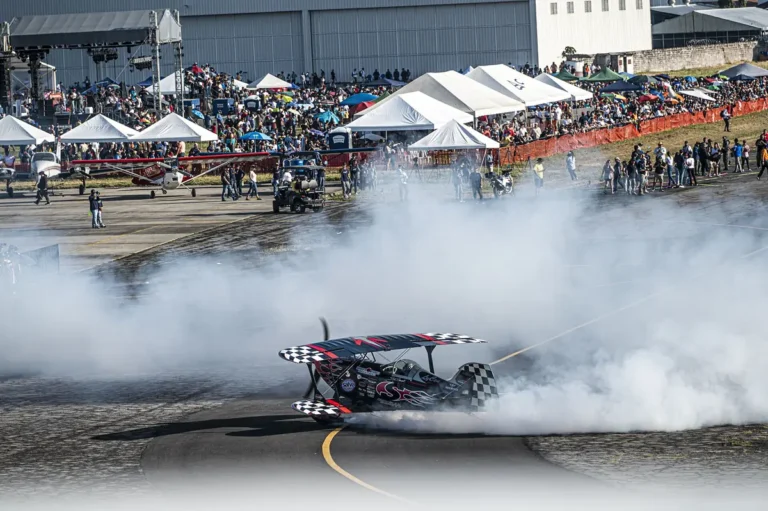
Grandstand programming varies year to year and often includes ticketed events, which is where a free-gate fair actually costs money. Typical fare at fairs of this size includes live music, motor-sport nights and other ticketed shows. Check the current schedule before you commit to an evening, and buy or reserve early for anything with limited seating. If you skip the grandstand entirely, the grounds themselves remain the evening attraction.
Family Activities and the Youth Exhibit Core
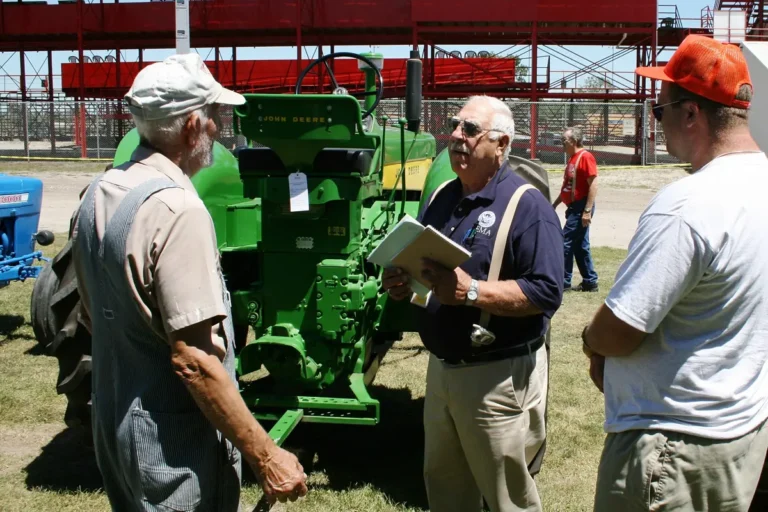
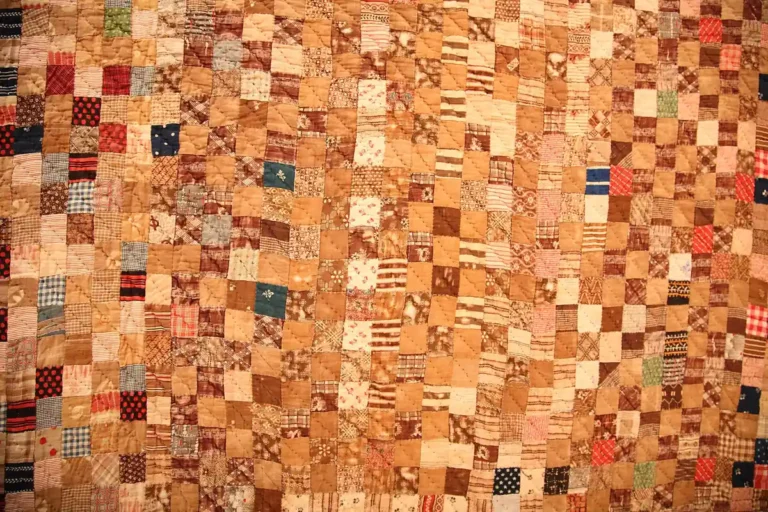
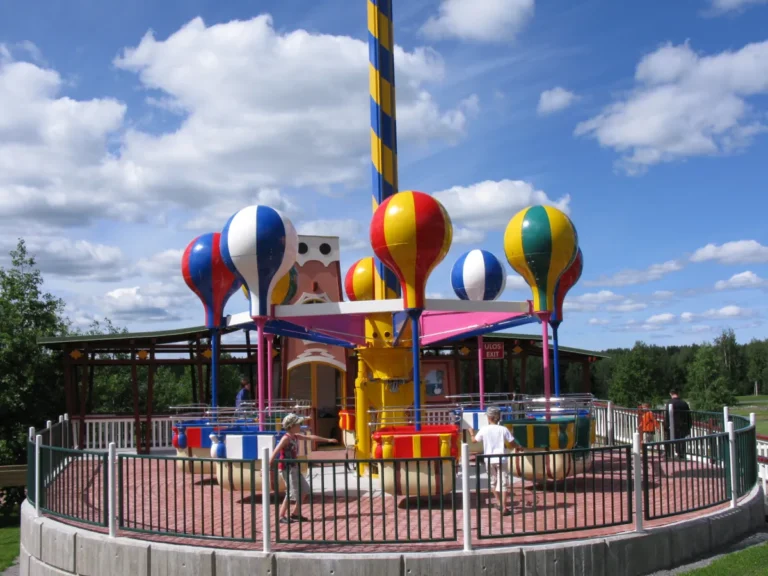
Families get the most value out of the exhibit buildings, where youth projects — livestock, static displays, crafts and similar entries — are on view and free to walk through. Carnival rides and games anchor the midway, usually priced individually or by wristband. Add a petting area or two, some tractor and equipment displays, and enough walking to tire out small children by mid-afternoon. Strollers handle the grounds reasonably well, but the surface is largely gravel and grass, so plan accordingly.
Getting There, Staying Over and Budgeting for Fair Week
Driving Into Marshalltown From Across Central Iowa
Marshalltown sits in the middle of Marshall County and functions as the road hub for anyone heading to the fair. Most visitors arrive by car, and the final approach runs through town or along county roads that feed in from surrounding townships. Build in extra time on the busiest evenings — the last two miles are always slower than the first fifty.
Where to Sleep: Marshalltown Lodging and Nearby Options
Marshalltown is the practical base for overnight stays, with the widest range of options in the county. Book early for fair weekends, when demand from exhibitors, families and vendors peaks. If Marshalltown fills up, look at larger neighboring communities within comfortable driving distance and treat the fair as a day trip rather than relocating closer.
Parking Without the Circling
Fairground parking is typically first-come and often free or low-cost, with the closest spaces claimed early in the day. Arrive before the evening rush and you will park close; arrive at peak and you will walk. Have a meeting point for your group in case phones die or the lot fills unevenly, and note your row or landmark before you leave the car.
Gate Admission, Ride Costs and What a Day Really Costs
Gate admission to fairs of this kind is generally free, which makes the Central Iowa Fair an inexpensive outing on paper. The real spending happens inside: food, carnival rides and games, grandstand tickets and any vendor purchases. Set a per-person budget before you go, decide in advance whether you are buying ride wristbands, and carry some cash alongside a card.
Marshall County Weather and How to Dress for It
A central Iowa summer fair means heat, humidity and the real possibility of a thunderstorm rolling through. Dress light, wear closed shoes you do not mind scuffing, and bring sunscreen and a refillable water bottle. Keep a rain layer in the car, and treat any storm as a signal to shelter in a building rather than under a tree. Evenings cool off enough that a light layer is worth having.
A Two-Day Sample Plan for a Fair Weekend in Marshalltown
Day one, morning: Arrive early, park close, and walk the livestock barns and exhibit buildings while the grounds are quiet. This is the best window for actually talking to exhibitors.
Day one, afternoon: Eat lunch from the stands, then work the midway and family activities during the hottest stretch, alternating between shade and buildings. Hydrate deliberately.
Day one, evening: Stay for grandstand programming if it is on the schedule, then eat again after the crowd thins. This is the fair at full volume.
Day two, morning: Return for anything you missed — the exhibits you skimmed, the vendors you skipped, the second lap through the barns.
Day two, afternoon: Use the remaining hours for a slower pass, then leave before the evening rush if you have a drive ahead of you. Two days is enough to see the fair properly without burning out.
How the Central Iowa Fair Compares With Ames, Grinnell and Newton
Marshall County sits within easy reach of several other central Iowa communities, and each offers a slightly different version of the same summer ritual.
Ames brings a larger population base and a bigger inventory of hotels and restaurants, which makes it a useful fallback if Marshalltown lodging is full. The trade-off is that you are trading a county fair for a city base and a longer drive.
Grinnell is smaller and quieter, with a compact downtown feel that suits visitors who prefer a low-key evening after a day at the grounds. Expect fewer amenities but less congestion.
Newton offers another nearby option for dining and supplies, with its own local fair tradition and a straightforward drive back into Marshall County.
The honest comparison: the Central Iowa Fair is a genuinely county-scale event. It is not trying to be a state fair, and that is the appeal — shorter lines, cheaper parking, and a grounds you can cover properly in two days.
Fair-Day Checklist: What to Load in the Car in Marshall County
Before you leave, confirm the current schedule, gate hours and any ticketed grandstand events. Verify whether your preferred evening has programming that requires advance purchase.
Pack water bottles, sunscreen, hats, a rain layer and closed shoes. Bring cash for vendors and small purchases, plus a card as backup. Add a phone battery pack, since a full day of photos and group coordination drains a phone quickly.
Plan your parking window, agree on a meeting point, and set a rough per-person budget that separates gate costs from ride and food spending. If you are travelling with young children, bring a stroller or wagon and a change of clothes. If you are visiting with anyone sensitive to heat or noise, schedule around the midday peak and the evening grandstand crowd.
Beyond the Fairgrounds: Marshall County Between Events
The fair is the county’s biggest summer gathering, but Marshall County does not stop when the gates close. Marshalltown serves as the county seat and the commercial center for a 573.199-square-mile county of farmland, small towns and county roads. Visitors with extra time can use the town as a base for a broader look at central Iowa: downtown streets, local restaurants and the agricultural landscape that the fair exists to celebrate.
If you are already in the area for the fair, the surrounding countryside is worth a slow drive. The scale of the county — roughly 40,000 residents across more than 570 square miles — explains why the fair still matters as a meeting point rather than a novelty.
Why the Central Iowa Fair Still Anchors Marshall County Summers
In a county founded in 1846 and named for John Marshall, the fair is one of the few events that pulls together every part of the map at once. Farm families, town residents, youth exhibitors, vendors and volunteers all converge on the same grounds in the same week. For a county with 40,105 residents (2020 census), that shared calendar moment carries real weight.
The fair also functions as an economic and civic engine. Vendors and local businesses get a concentrated burst of customers, youth programs get a public stage for a year of work, and volunteers get a reason to keep showing up. It is less an attraction than an institution — and it depends on attendance to keep going.
Where the Central Iowa Fair Sits in Marshall County
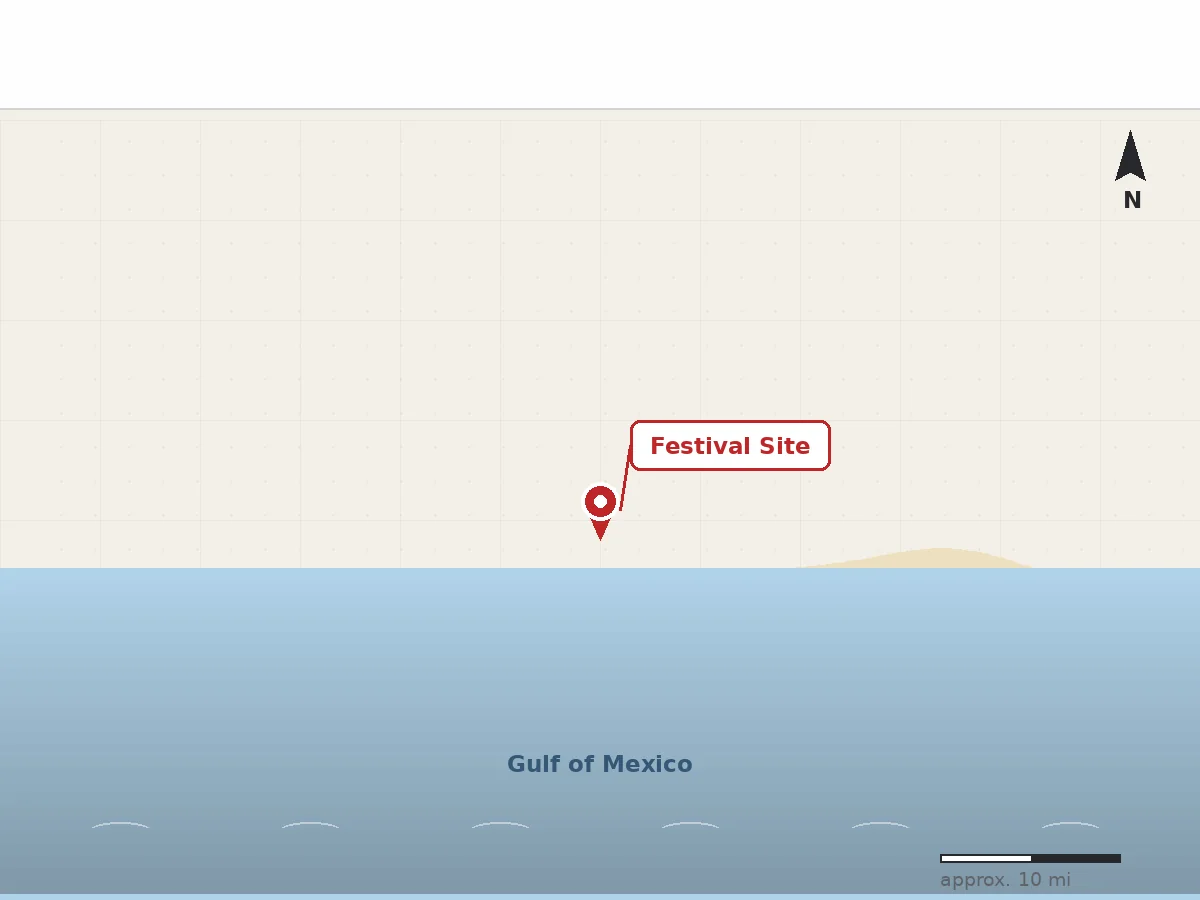
The Central Iowa Fair is held at its fairgrounds in the Marshall County area, with Marshalltown — the county seat — serving as the reference point for directions, lodging and supplies.
What Newcomers Ask About the Central Iowa Fair
When does the Central Iowa Fair usually take place?
It runs in summer, most often as a multi-day event in July, which is the standard window for Iowa county fairs. Exact dates move from year to year, so check the fair’s current schedule before booking travel or lodging.
Do you need to buy tickets in advance?
Gate admission is generally free, so no advance purchase is needed to walk the grounds. Rides, games, food and some grandstand events cost extra, and ticketed shows may sell out — reserve early if a specific evening matters to you.
Is one day enough, or should you plan a full weekend?
One full day covers the essentials. Two days is the better plan if you want the quiet morning version of the fair and the busy evening version without rushing either. Anything longer is for people with exhibitors in the family.
What should a first-time visitor do first?
Start with the exhibit buildings and livestock barns before the crowds build, then eat, then work the midway in the afternoon heat. Save the grandstand for evening and leave the vendor shopping for the second lap, when you already know what you want.
The Next Chapter for the Central Iowa Fair in Marshall County
County fairs across Iowa are adapting to the same pressures: rising event costs, shifting entertainment tastes, unpredictable summer weather and the constant need for volunteers. The Central Iowa Fair’s advantage is that its core purpose — agricultural exhibition, youth development and a shared county gathering — has not gone out of style.
Expect future editions to lean further into family programming, ag education and flexible scheduling while keeping the traditional exhibit backbone intact. For visitors, that means checking the current schedule each year rather than relying on last season’s plan.
Last updated: October 2026
The Central Iowa Fair is not complicated to attend, but it is easy to attend badly — arriving at the wrong hour, parking at the wrong end of the grounds, or blowing a day’s budget before the evening even starts. Plan the trip around Marshalltown, build your day in phases, and the fair will do the rest.
One Comment