Louisa County Iowa Louisa County Fair Festival

The Louisa County Fair at a Single Glance
| Town or area | The Louisa County area, Iowa |
| County | Louisa County, Iowa |
| County seat | Wapello |
| Population | 10,837 (2020 census) |
| Region | Southeast Iowa |
| Typical timing | A few days each summer, in most years during July |
| Admission | Grounds admission is typically free; some grandstand events are ticketed |
| Setting | Rural fairgrounds with barns, an exhibit hall and open midway space |
| Features | Livestock shows, youth project exhibits, grandstand entertainment, carnival rides, fair food |
| Organizer | Local volunteers and the county fair board |
A Summer Homecoming in the Louisa County Area
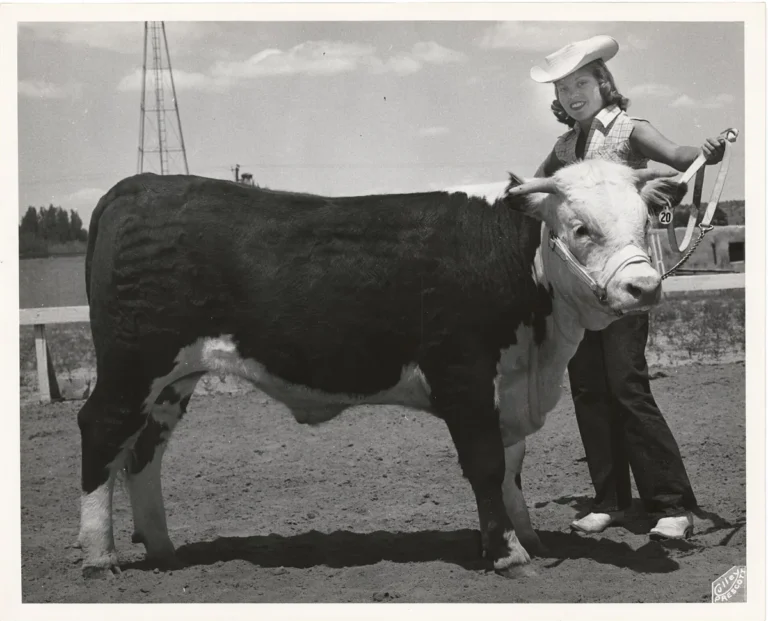
Every summer, Louisa County, Iowa, does what small counties do better than anyone: it clears a few days, unlocks the fairground gates and lets the whole county wander in. The Louisa County Fair is equal parts agricultural showcase, class reunion and family outing — a place where a kid in a clean shirt leads a heifer into the ring while grandparents watch from folding chairs.
Louisa County covers 418 square miles of southeast Iowa and was organized on December 7, 1836. Wapello serves as the county seat, and the 2020 census counted 10,837 residents. Those numbers shape everything about the fair. There is no sprawling metro audience to draw from and no anonymous crowd. The people in the grandstand on a Saturday night are the same people you stand behind at the grocery store, and the exhibitors in the barns are the neighbors who helped pull a truck out of a ditch last winter.
The ingredients are familiar and reliable: livestock shows, open-class and youth exhibits, a midway with rides and games, a grandstand program, and food stands run by local groups. What changes each year is who wins the ribbon, whose pie sells out first, and which kid finally takes the showmanship class.
For visitors from outside the county, this is a good look at what an honest Iowa county fair still is: unhurried, inexpensive and built around the people who live within a short drive of the grounds.
Tracing the Louisa County Fair Through the Decades
Louisa County was organized on December 7, 1836, when Iowa was still years away from statehood. Settlers who arrived in the decades that followed broke prairie, planted corn and raised livestock, and like farming communities across the Midwest, they needed a place to compare notes. County fairs grew out of that need — a yearly moment to measure a hog against a neighbor’s hog, test a new plow, and let the whole county see what the season had produced.
For another look at how a community turns its own traditions into a gathering, see the Logan County Kansas Logan County Fair Festival for a useful comparison.
The Louisa County Fair belongs to that long tradition. Its early decades would have looked nothing like a modern fair: no midway lights, no loudspeakers, and a program built almost entirely around livestock, grain, fruit and household goods. The county seat of Wapello was the natural anchor for those gatherings, and the fairgrounds became a fixed point on the county calendar.
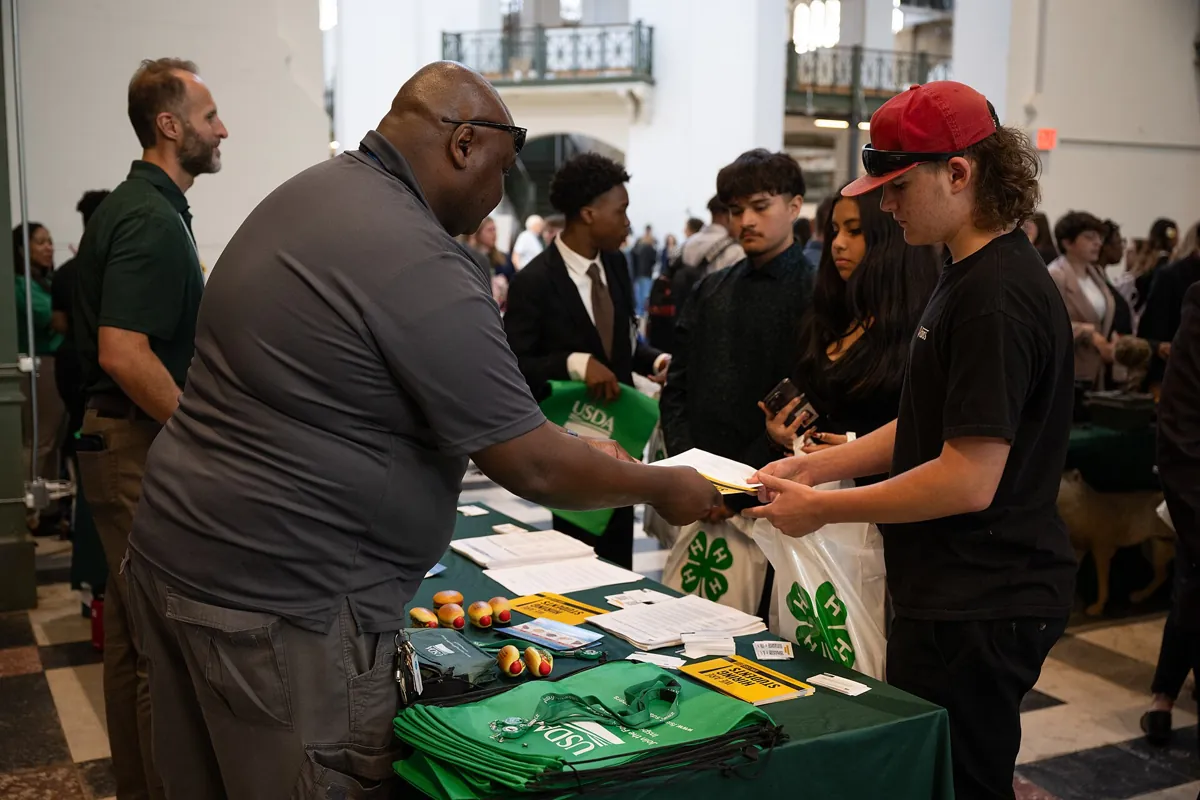
Through the twentieth century the fair widened. Exhibit halls filled with baking, canning, needlework and school projects. Youth organizations became central to the week, turning barns into classrooms where kids learned to feed, fit and handle animals. Grandstand entertainment arrived — tractor pulls, races, music and demolition events — and a midway gave families something to do between shows.
Today’s fair keeps both halves of that inheritance. The barns are still the heart of it, but the week also runs on funnel cakes, carnival rides and a grandstand packed on a warm summer night. Few institutions in Louisa County have lasted this long, and fewer still do the same job: bringing a rural county together once a year, on purpose.
What a Day at the Louisa County Fairgrounds Feels Like
A fair day in Louisa County usually starts slow and ends late. Mornings belong to exhibitors — animals to wash, pens to bed, projects to arrange before judging. By midday the grounds fill in, the food trailers start humming, and the rhythm shifts to a slow walk between the barns, the exhibit hall and the midway.
Fair Food and the Stands That Keep It Coming
Fair food here is the real thing, not a theme-park version. Expect the Iowa classics: breaded pork tenderloins, corn dogs, funnel cakes, walking tacos, fresh-squeezed lemonade and soft-serve. Church groups, school boosters and local organizations run many of the stands, which is why the pie and the cinnamon rolls tend to be worth the wait. Cash moves faster than cards at the smaller booths, so carry some. Portions are generous, lines are friendly, and nobody minds if you eat dessert first.
Grandstand Nights and Homegrown Entertainment
Evenings belong to the grandstand. Depending on the year, that can mean a tractor pull, a demolition derby, a rodeo-style event, live music or a talent showcase — often a mix across the fair’s run. Seating fills early for the biggest nights, and bleacher seats are exactly as hard as they look, so a cushion is a smart carry. Smaller stages and open areas fill the gaps with local bands, contests and announcements that double as the county’s news bulletin.
Barns, Rides and Things for Kids to Do
Families usually split the day between three zones. The livestock barns are the fair’s working heart, where youth exhibitors show cattle, swine, sheep, goats, poultry and rabbits, and where the public is welcome to watch as long as they keep a respectful distance. The exhibit hall holds the quieter achievements — photography, baking, vegetables, crafts. Then there is the midway, with rides sized for younger kids alongside the bigger spinners. Add a petting area or a kiddie tractor pull, and most families find the day fills itself.
Planning Your Trip to the Louisa County Fair
Getting to the Louisa County Area
Louisa County sits in southeast Iowa, and the county seat of Wapello is the most familiar landmark for anyone heading to fair week. Most visitors arrive by car on county and state roads, and the last few miles are the kind of drive that makes the trip feel like an outing — cornfields, farmsteads and a fairgrounds that appears all at once. Give yourself extra time in the hour before evening grandstand events, when the approach roads thicken.
Where to Stay Around Wapello
Lodging inside Louisa County is limited, so many fairgoers stay in a larger regional hub and drive in, or camp if the fair offers it. If you are coming from a distance, book early for a summer weekend and plan on a drive as part of the deal. For locals, the fair is simply a day trip with a short ride home.
Parking on Fair Week
Parking is generally on grass lots around the fairgrounds, directed by volunteers who have done it for years. Arrive early for the biggest nights, follow the hand signals, and remember that a field after a summer storm is no place for a low-clearance car. Keep a mental note of your row; after dark, all grass lots look alike.
Admission, Ride Tickets and Other Costs
Grounds admission at Iowa county fairs is typically free or very modest, and Louisa County follows that pattern — you can usually walk the barns, exhibit hall and midway area without buying a ticket, while grandstand events, carnival rides and food cost extra. Ride pricing is usually per ride or by wristband on certain sessions. Bring cash for small stands and a card for the bigger vendors.
Summer Heat, Storms and What to Wear
Fair week in southeast Iowa is warm and humid, with afternoon heat and the occasional evening thunderstorm. Wear light clothing, a hat and comfortable shoes you don’t mind getting dusty; closed-toe shoes are the polite choice in the barns. Bring sunscreen, refillable water and a light rain jacket, and treat any severe-weather announcement as final — fair boards watch the radar closely.
A Sample Louisa County Fair Weekend
Friday afternoon. Arrive before the dinner rush, park, and walk the barns while they are still calm. Grab an early supper from a food stand, then find a seat for the evening grandstand event and stay for the lights on the midway before heading home.
Saturday morning. Come back for the livestock shows, which are the fair at its most serious and most rewarding. Watch a showmanship class, then browse the exhibit hall and pick up something from the baked goods sale if there is one.
Saturday evening. The busiest hours of the week. Eat early, catch live entertainment and expect company on the midway. If you have small children, this is the night to set a firm departure time.
Sunday. The pace slows. Walk the grounds one more time, see the last classes, catch any closing events, and let the kids spend their remaining ride tickets before the fair wraps up for another year.
How the Louisa County Fair Compares With Neighboring Fairs
Fairgoers in southeast Iowa have plenty of choices. County fairs in nearby counties run on a similar summer rhythm, with livestock shows, grandstand nights and midway rides. The differences are in scale and personality.
Louisa County’s fair is the smaller, more intimate version. Where a larger county fair might stretch across a full week with big-name grandstand acts, this one leans on local exhibitors and community groups, and that is its strength: you can see the whole thing in a day without feeling rushed. Compared with a city street festival, the county fair is a different animal altogether — no downtown closures, no craft-beer tent, just barns, bleachers and the smell of fried dough. Pick Louisa County for the unhurried version.
Fair-Week Checklist for Louisa County Families
Cash for food stands, games and entry fees, plus a card as backup.
Sunscreen, hats and refillable water bottles — the grounds offer little shade at midday.
Closed-toe shoes for the barns and comfortable footwear for everyone else.
A light rain jacket or poncho for passing storms.
Lawn chairs or a bleacher cushion for grandstand nights.
A meeting point and a photo of your parking row, especially with kids in tow.
Patience for the busy Saturday evening hours, and a plan for an early exit.
Beyond the Fairgrounds in Louisa County
The fair is the headline, but Louisa County rewards a slow drive. The county’s 418 square miles are mostly farmland, stitched together by gravel roads, small towns and river-bottom fields. Wapello, the county seat, gives visitors a courthouse-square anchor and a look at how a small Iowa county organizes itself.
Plan an extra hour to wander. Stop at a local diner, buy sweet corn from a roadside stand in season, and take the long way back to the highway. Southeast Iowa is at its best in the golden hour, when the light drops low over the corn and the day’s heat finally breaks. For families, that extra wandering often becomes the memory that outlasts the midway ride.
What the Fair Means to a County of 10,837
With 10,837 residents spread across 418 square miles, Louisa County cannot take community for granted. The fair is one of the few events that pulls the whole county into the same place at the same time — farmers and town residents, schoolkids and retirees, longtime families and newcomers.
It is also an economic and educational engine in miniature. Food stands raise money for churches, clubs and booster groups. Youth exhibitors learn responsibility in the barn and public speaking in the show ring. Local businesses sponsor classes and support the auction.
Most of all, the fair is a yearly reminder that rural counties still mark time by seasons and harvests. When the gates close, the ribbons come down and the trailers pull out, the county returns to its ordinary rhythm — until next summer.
Where the Louisa County Fair Sits in Iowa
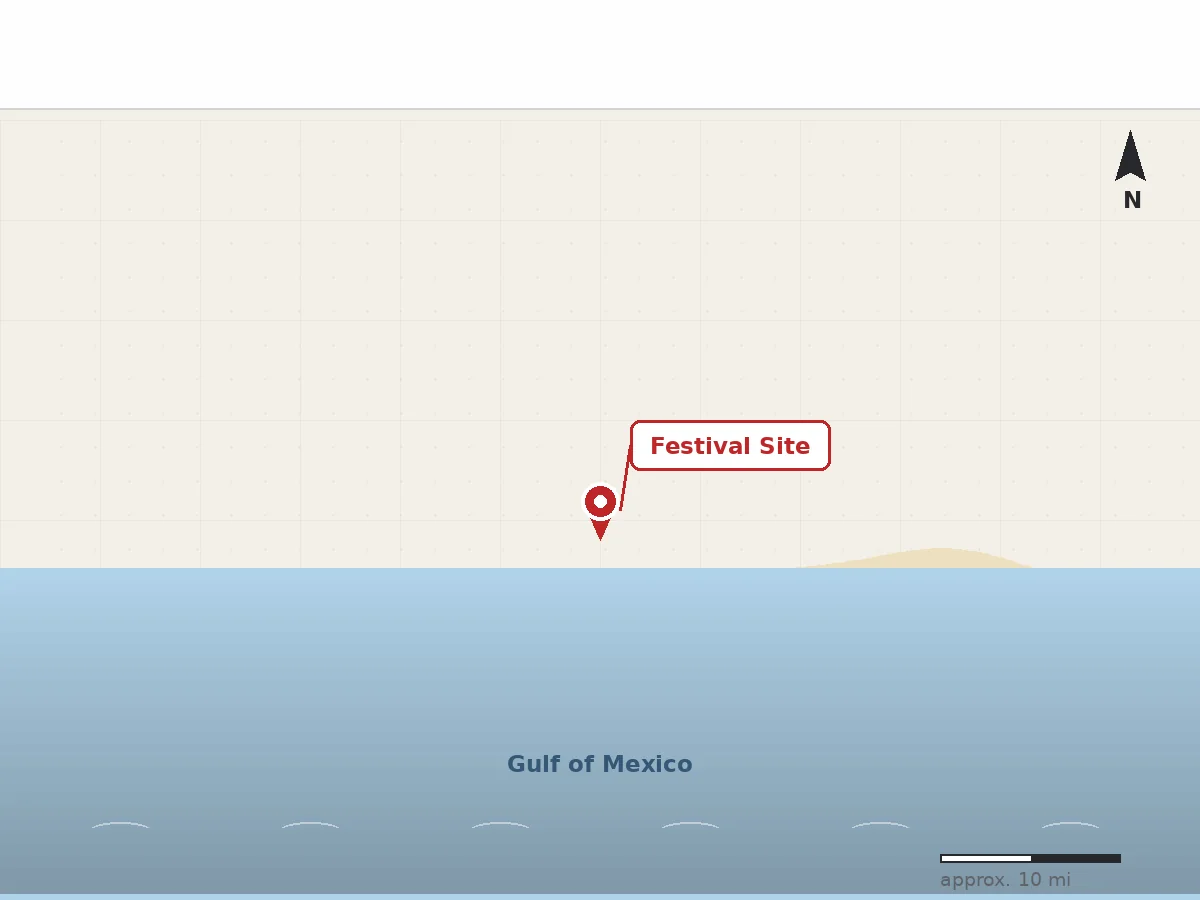
The Louisa County Fair is held within Louisa County in southeast Iowa, a 418-square-mile county whose seat is Wapello.
Louisa County Fair Questions, Answered
Is admission to the Louisa County Fair free?
Grounds admission at the Louisa County Fair is typically free, which means you can walk the barns, exhibit hall and midway area without buying a ticket. Grandstand events, carnival rides and food are separate costs, so budget for those. Because details can change from year to year, check the fair’s current schedule before you go.
When is the Louisa County Fair held?
The fair is a summer event, held over a few consecutive days in most years during July. Iowa’s county fairs cluster in the summer months, and Louisa County’s follows that pattern. If you are planning a trip, treat the timing as a warm-weather weekend and confirm the exact days with the fair’s own schedule.
Is the fair a good outing for young children?
Yes — it is one of the most kid-friendly events on the county calendar. Livestock barns, the exhibit hall, carnival rides, games and fair food keep children busy for hours, and the grounds are small enough to cover on foot without exhausting anyone. Bring a stroller for a toddler and set a meeting point in case anyone wanders.
What should first-time visitors know before arriving?
Bring cash, wear comfortable shoes and arrive earlier than you think you need to on the busiest evenings. Barns are working areas, so keep hands off animals unless an exhibitor invites you. And leave room in the day for simply sitting in the grandstand and watching the county go by — that is the point of a county fair.
The Next Chapter for the Louisa County Fair
County fairs do not survive by accident. They survive because volunteers keep showing up, because families keep entering projects, and because a county of 10,837 people decides each year that this week matters.
The challenges ahead are familiar ones across rural Iowa: an aging volunteer base, rising costs for entertainment and insurance, and competition from screens and summer travel. The opportunities are just as clear. Youth programs keep the barns full, and every family that spends an evening on the midway is a family that might come back next year. As long as the gates keep opening in Louisa County, the fair will remain what it has always been: the county’s annual handshake, held outdoors, in the middle of summer.
Last updated: October 2026
If you have never been to the Louisa County Fair, put it on a summer calendar and go without an agenda. Walk the barns first, eat something fried, find a seat for the evening show, and let the county introduce itself. That is how this fair has always worked, and it is why it keeps coming back.
One Comment