Kossuth County Iowa Kossuth County Fair Festival
Algona is the county seat of Kossuth County, a 974.3-square-mile sweep of north-central Iowa farmland founded on January 15, 1851, and home to 14,828 people at the 2020 census. That population is scattered across prairie towns, gravel-road farmsteads and a handful of main streets, which is precisely why a county fair carries so much weight here: for a few days each summer, everyone ends up in the same place at the same time.
The Kossuth County Fair is that gathering. It returns each summer to a fairgrounds in the Kossuth County area, close enough to Algona that the grandstand lights are visible from the edge of town. What follows is a history-led look at how the fair fits into the county’s story, what a visitor actually experiences on the grounds, and how to plan a trip around it.
Kossuth County Fair Essentials: Town, Timing, and Setting
| Town / area | The Kossuth County area, centered on Algona |
| County | Kossuth County, Iowa |
| County seat | Algona |
| Population | 14,828 (2020 census) |
| Region | North-central Iowa |
| Typical timing | Summer, in most years during July |
| Admission | Typically free gate admission, with some activities priced separately |
| Setting | A traditional county fairgrounds with barns, a midway and a grandstand |
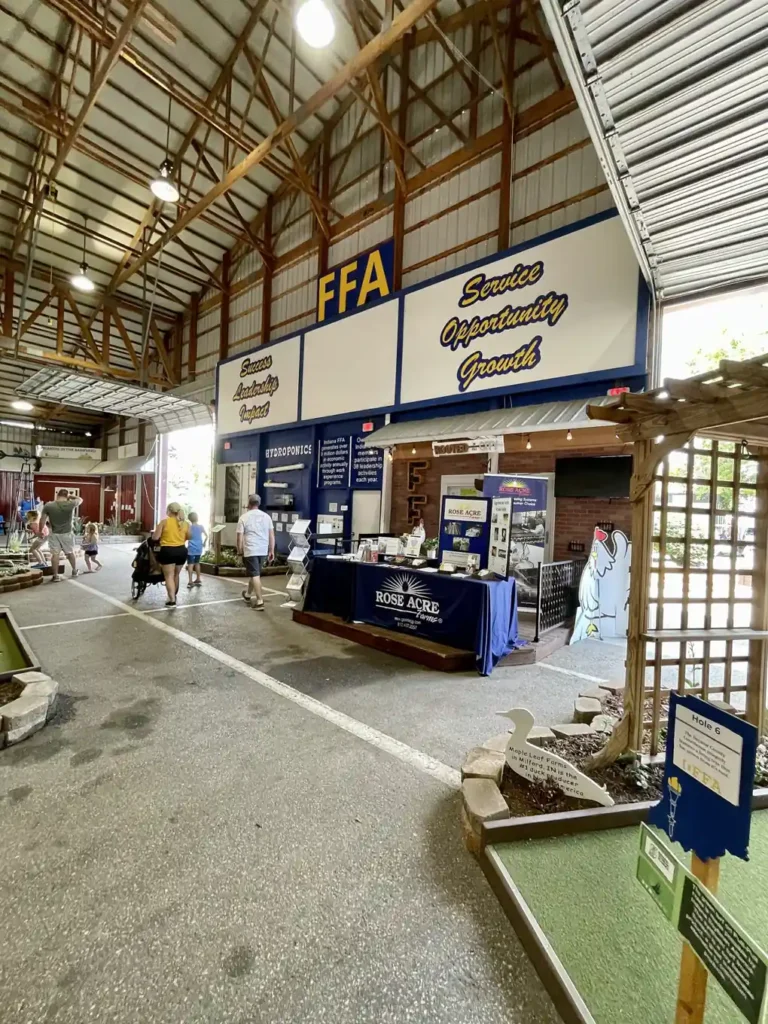
| Signature features | Livestock shows, 4-H and FFA exhibits, carnival rides, grandstand entertainment, fair food |
| Organizer | Local fair volunteers and county agricultural organizations |
What the Kossuth County Fair Is, in Plain Terms
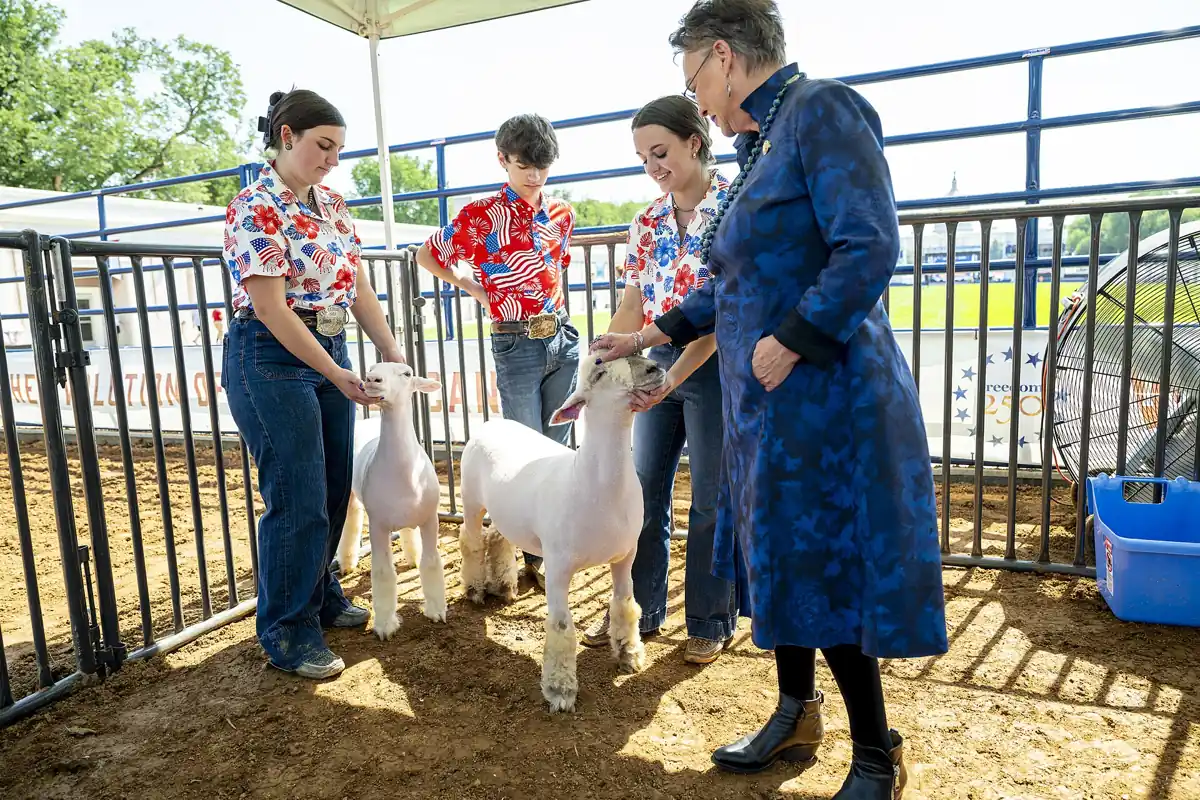
Strip away the carnival lights and the funnel cake stands and a county fair is an agricultural institution with a party attached. The Kossuth County Fair follows that model closely. Its center of gravity is the livestock barn and the exhibit hall, where young people in 4-H and FFA present animals, baking, photography, gardening and woodworking projects they have worked on for months. Judges walk the aisles. Ribbons get pinned. Families cluster around pens and display cases with the particular intensity of people who know exactly how much work went into what they are looking at.
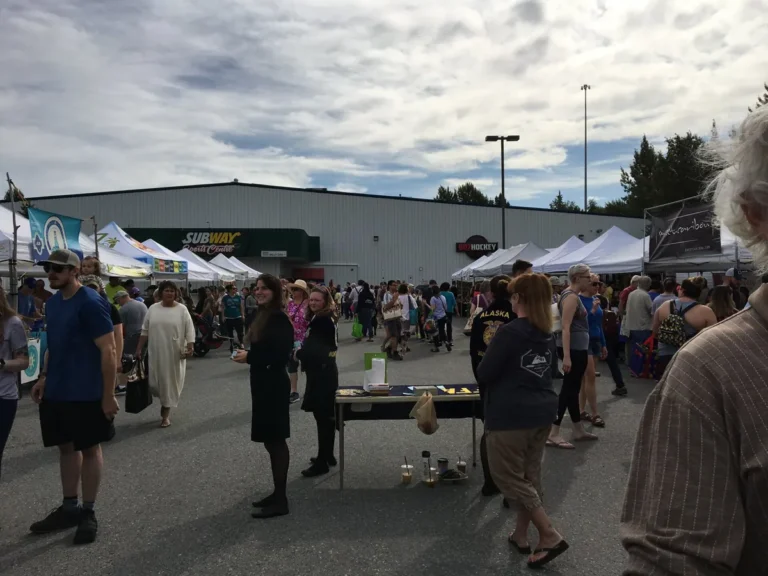
Around that core sits everything else: a midway with rides and games, food trailers, a grandstand that fills after dark, and open space where neighbors who haven’t seen each other since last year’s fair catch up. Because Kossuth County is rural and spread out, the fair functions as a reunion as much as an exhibition. It is a local event in the truest sense — the people showing animals are the same people you see at the co-op, the school and the grocery store in Algona.
A Fair That Grew Up With a County Founded in 1851
Kossuth County was founded on January 15, 1851, when this part of north-central Iowa was still being surveyed and settled. The earliest arrivals found flat, fertile prairie that drained poorly in places and grew corn and small grains magnificently once it was broken. Towns appeared along the rail lines and at crossroads. Algona became the county seat and the place where records were kept, courts were held and business was done.
For another look at how a community turns its own traditions into a gathering, see the Kiowa County Kansas Kiowa County Fair Festival for a useful comparison.
Agricultural fairs arrived in Iowa communities out of practical necessity as much as celebration. Farmers needed somewhere to compare seed, bloodlines and equipment, and to swap the information that made the difference between a good year and a bad one. In Kossuth County, that impulse produced a recurring summer gathering that grew from a modest exhibition of stock and produce into a multi-day event with a racetrack-era grandstand, a carnival midway and a full schedule of judging.
Through the twentieth century, the fair changed shape along with the county. Mechanization reduced the number of farms but increased what each one produced. Rural electrification, better roads and the family car made it easier for people from Burt, Whittemore, Titonka, Swea City, Wesley, Lu Verne and the surrounding townships to spend an evening on the grounds. Youth programs became the fair’s backbone, and the barns gradually filled with young exhibitors rather than only adult farmers.
What has not changed is the rhythm. Every year the fair is set up, opened, packed with people, and taken down again, leaving the grounds quiet until the next summer. That repetition across generations is the real history of the Kossuth County Fair — not a single founding moment, but a habit of showing up that the county has never quite broken.
Inside the Fairgrounds: The Shape of a Fair Day
A fair day in Kossuth County has a predictable arc. Mornings belong to exhibitors and judges. Afternoons bring families and carnival crowds. Evenings fill the grandstand and the midway, and the whole grounds take on a warmer, louder character once the sun drops.
Fair Food, Fryers, and the Midway Aisle
Food is where a county fair announces itself. Expect the standard repertoire done well: corn dogs, elephant ears, funnel cakes, hand-dipped ice cream, lemonade shaken in tall metal tumblers, pork producers’ sandwiches and church-stand pie. Portions run large, prices are moderate, and the smells drifting off the midway are half the reason people come. Local food stands staffed by community groups are usually the best value on the grounds and the most distinctly Kossuth County.
Grandstand Nights and Local Music
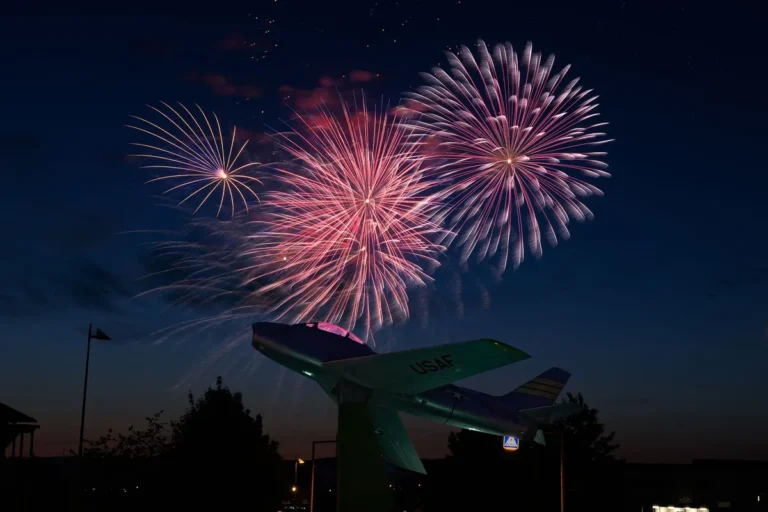
The grandstand is the fair’s evening anchor. Programming typically mixes live music with the kinds of events that pack a county grandstand everywhere in Iowa — tractor pulls, demolition derbies, motocross or a rodeo-style show. Opening acts and headliners lean local and regional rather than national, which keeps the atmosphere neighborly and the ticket prices approachable. Arrive early if you want a seat rather than a standing spot near the rail.
Family Activities, 4-H Barns, and Kid-Focused Corners
For families, the fair’s best asset is that children can move freely between animals, rides and exhibits within a compact footprint. The 4-H barns are genuinely educational — most exhibitors are happy to talk about their animals. Carnival rides skew toward younger children and teens, with a mix of gentle spinners and faster options. Little kids’ events, craft tables and the exhibit hall’s open browsing keep shorter attention spans occupied between midway visits.
Planning a Kossuth County Fair Visit From Out of Town
Because the fair is a local event, planning is simple — but a little forethought helps if you are driving in from outside the county.
Getting to Algona and the Fairgrounds
Algona sits in the middle of Kossuth County and is reached by the highways that cross north-central Iowa. If you are coming from Fort Dodge, Mason City, Spencer, Emmetsburg or the Twin Cities area, plan on a rural drive with long straight stretches and few stops. Watch for slow-moving farm equipment, especially near sunset, and give yourself extra time on fair evenings when traffic thickens approaching the grounds.
Where to Stay in and Around Kossuth County
Lodging in the immediate area is limited, so book early if your visit falls on a fair weekend. Algona has the county’s largest concentration of options, with additional choices in neighboring communities and more inventory in larger regional hubs within an hour’s drive. Campers and RV owners often stay at area campgrounds and county parks; if that is your plan, confirm availability well before the fair begins.
Parking and Moving Around the Grounds
Fairgrounds parking is typically on-site or in adjacent grass lots, with volunteers directing traffic. Come early for the best spots and the shortest walk, particularly on grandstand nights. Once inside, everything is walkable — barns, exhibit hall, midway and grandstand are all within a few minutes of each other. Wear shoes you don’t mind getting dusty, and expect uneven ground in the animal areas.
Admission, Costs, and Cash Versus Card
Gate admission to the Kossuth County Fair is typically free, which makes it an unusually affordable outing for families. Costs tend to appear in the details: carnival ride tickets or wristbands, grandstand events, games and food. Bring some cash even if most vendors take cards, since small stands and 4-H concessions sometimes operate on a cash-only basis. Set a per-child ride budget early and the day stays pleasant.
July Weather and What to Wear
Iowa in July means heat, humidity and the real possibility of a thunderstorm rolling in fast off the prairie. Dress in light layers, bring a hat, and carry water rather than relying solely on concession stands. Sunscreen and insect repellent are worth packing. If storms threaten, the fair will pause outdoor activities; have a plan for where to wait it out, and never shelter under trees or near the midway rides.
A Sample Fair Weekend, From First Barn Visit to Last Ride
Day one, morning and afternoon. Arrive mid-morning, when the grounds are still calm and the barns are busy with exhibitors preparing animals. Walk the livestock barns first, then the exhibit hall to see static projects before the crowds build. Grab lunch from a community food stand, then let younger kids loose on the gentler carnival rides while the afternoon is still manageable.
Day one, evening. Stay for the grandstand. Eat dinner on the grounds, claim seats early, and let the evening program carry you into dark. A walk down the midway after the show, with the lights on and the crowd loosening up, is the part of a county fair that people remember longest.
Day two. Return for the livestock auction or the final round of judging, which is when the fair’s agricultural purpose is most visible. Browse the commercial exhibits, revisit a favorite food stand, and leave before the closing-night traffic. If you have time, drive into Algona for a look at the courthouse square on the way home.
How the Kossuth County Fair Compares With Nearby Fairs
Kossuth County’s fair sits in a region crowded with county fair traditions, and the differences are mostly about scale. The Clay County Fair in Spencer is a substantially larger event with a longer run and bigger grandstand names, drawing visitors from well outside its county. The Humboldt County Fair and the Hancock County Fair in Garner occupy a middle ground, with strong youth programs and a similar small-town feel. Winnebago County’s fair in Forest City is another close regional cousin.
What sets Kossuth County apart is proportion. It is small enough that you can see the whole thing in an afternoon and still feel like you belong there, and central enough in the county that it draws from every corner of those 974.3 square miles. For a first-time visitor, it is a good introduction to what an Iowa county fair actually is rather than what a large regional fair has become.
A Fairgoer’s Checklist for Kossuth County
Before you go: confirm the fair’s summer dates and grandstand schedule through the county’s local sources, since timing shifts year to year. Pack sunscreen, a refillable water bottle, hats, insect repellent and a light rain jacket. Bring cash in small bills. Wear closed-toe shoes with decent tread for the barns and grass lots. Charge your phone but expect spotty signal in crowded areas. If you have young children, agree on a meeting point near the exhibit hall before you split up, and write your phone number on a wristband for the youngest. Leave pets at home, arrive before the evening rush, and plan a slower route out once the grandstand lets out.
Beyond the Fairgrounds: Algona and the Rest of Kossuth County
Algona rewards a few extra hours. The county seat has a compact downtown and a courthouse square that anchors local business, plus the small museums and historical markers that most Iowa county seats quietly maintain. One of the area’s more unusual stories involves Camp Algona, a World War II prisoner-of-war camp, and the Nativity scene crafted during that period that remains part of the town’s identity.
Beyond Algona, Kossuth County opens into farmland and prairie. The county’s 974.3 square miles hold a string of small towns — Bancroft, Burt, Whittemore, Wesley, Lu Verne, Titonka, Swea City, Lakota, Lone Rock, Fenton, Ledyard and Corwith among them — each with its own grain elevator, church steeples and ball diamond. Wetland and prairie remnants attract birders, and the back roads are good for a slow drive at sunset. Fuel up in Algona before heading out; services thin out quickly.
Why the Fair Still Matters in Kossuth County
With 14,828 residents spread across a county larger than some eastern states, Kossuth County does not have many occasions that assemble everyone at once. The fair is one of them. It is where a graduating 4-H member’s last year in the ring is watched by neighbors who remember their first. It is where the county’s agricultural economy becomes visible as something human rather than statistical. And it is where children from different towns meet each other and discover they have more in common than a school district boundary suggests.
That social function is easy to underestimate and hard to replace. Community institutions in rural Iowa compete for the same volunteers, the same weekends and the same attention. The fact that this fair continues to be staged each summer says something durable about the people who organize it and the families who keep entering exhibits year after year.
Locating the Fairgrounds Near Algona
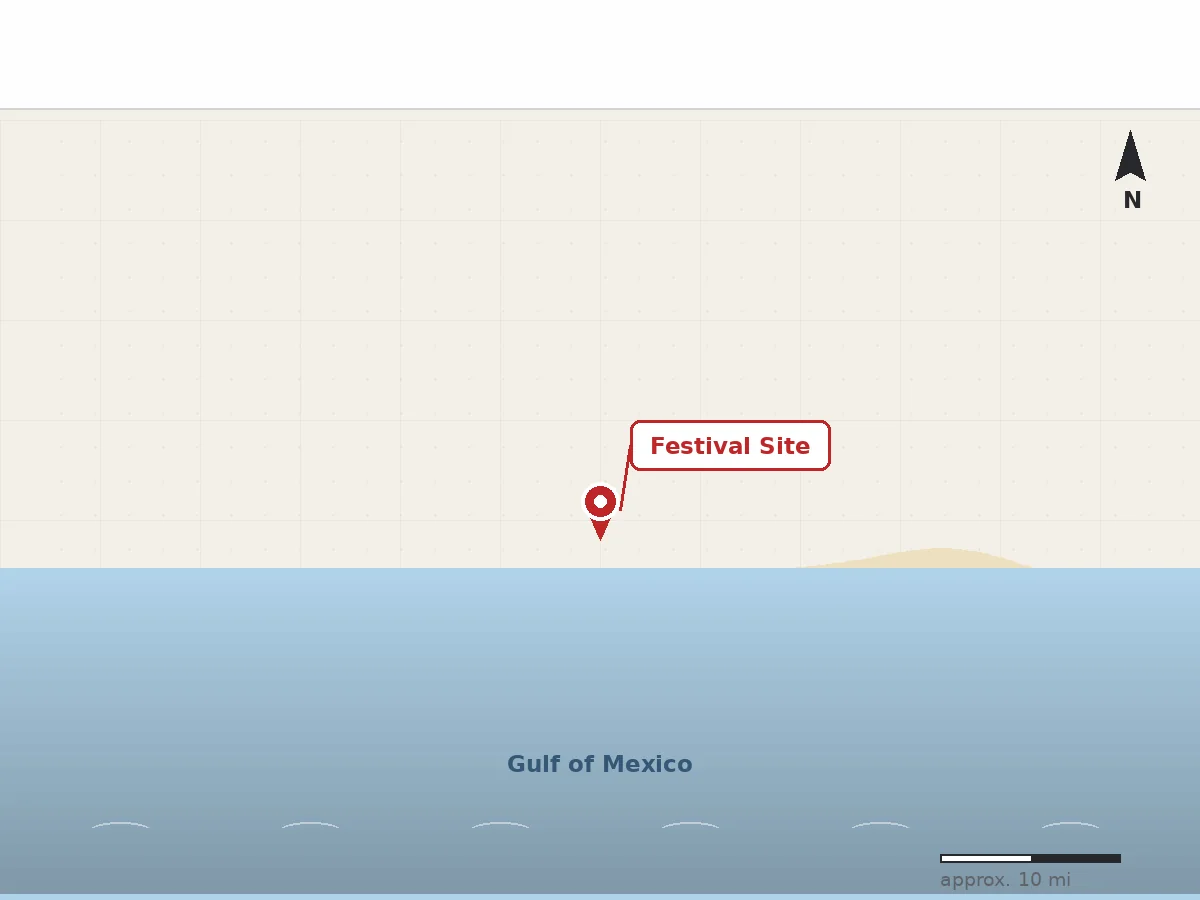
The Kossuth County Fair is held on a fairgrounds in the Kossuth County area, just outside the Algona town center and reachable from the highways that cross north-central Iowa.
Common Questions From Kossuth County Fairgoers
When is the Kossuth County Fair usually held?
It is a summer fair, held in most years during July, which places it alongside most other Iowa county fairs. Exact dates shift annually, so check local listings before you plan travel or book lodging.
Do I have to pay to get into the fairgrounds?
Gate admission is typically free. Individual activities — carnival rides, grandstand events and some entertainment — are usually priced separately, so budget for those rather than for a ticket at the gate.
Is the fair a good outing for young children?
Yes. The grounds are compact and walkable, the animal barns are a reliable hit with small children, and the midway includes rides aimed at younger kids. Afternoons are easier than late evenings, and the grandstand shows run loud and late.
How far is the fair from other north-central Iowa towns?
Algona is the county seat and the practical base for a visit. Most communities in Kossuth County are within a short drive, while larger regional hubs in neighboring counties are roughly an hour or so away by car on rural highways.
Looking Ahead: The Fair’s Next Chapter in Kossuth County
The future of the Kossuth County Fair depends on the same things that sustain rural fairs everywhere: volunteer energy, youth participation and the willingness of local businesses and organizations to keep sponsoring barns, ribbons and grandstand nights. Kossuth County has advantages — a stable agricultural base, a county seat that functions as a genuine hub, and a fair tradition old enough to feel like part of the landscape.
Expect the fair to keep evolving in small ways: more card-friendly vendors, better accessibility, broader entertainment lineups. The essentials are likely to hold.
Last updated: October 2026
For anyone passing through north-central Iowa in summer, the Kossuth County Fair offers something increasingly rare: a genuine local event, free to enter, built around the work of young exhibitors and the people who raised them. Come for an evening, stay for the grandstand, and you will understand why a county founded in 1851 still sets aside a week each year to gather in the same place.
One Comment