Kearny County Kansas Kearny County Fair Festival
The Kearny County Fair is the one weekend each year when a county of 3,983 people, spread across 871 square miles of southwest Kansas, folds itself into a single fairground. Lakin, the county seat, is the name you will see on road signs, hotel confirmations, and the route you punch into your phone before a summer weekend of livestock barns, carnival lights, and pie contests.
This guide is written for the visitor rather than the lifelong local. It covers what the fair actually is, how to plan a trip around it, where to sleep, what to eat, and what to do with the rest of your time in Kearny County.
Kearny County Fair Essentials: The Numbers and Names That Matter
| Town / area | Kearny County area, centered on Lakin |
| County | Kearny County, Kansas |
| County seat | Lakin |
| Population | 3,983 (2020 census) |
| Region | Southwest Kansas, High Plains |
| Typical timing | A summer weekend, most often in July or August |
| Admission | Typically free to the fairgrounds; some activities charge separately |
| Setting | Rural fairgrounds on open plains near Lakin |
| Typical features | Livestock shows, 4-H exhibits, carnival rides, food stands, grandstand events |
| Organizer | Local volunteers and community organizations across Kearny County |
A Fair Built for 871 Square Miles of High Plains
Kearny County sits in the Arkansas River valley country of southwest Kansas, where irrigated corn, wheat, and cattle define the working landscape. Founded on March 20, 1873, the county has always been long on land and short on people: 871 square miles holding 3,983 residents at the 2020 census. In a place shaped like that, a fair is not a side attraction. It is the annual meeting point.
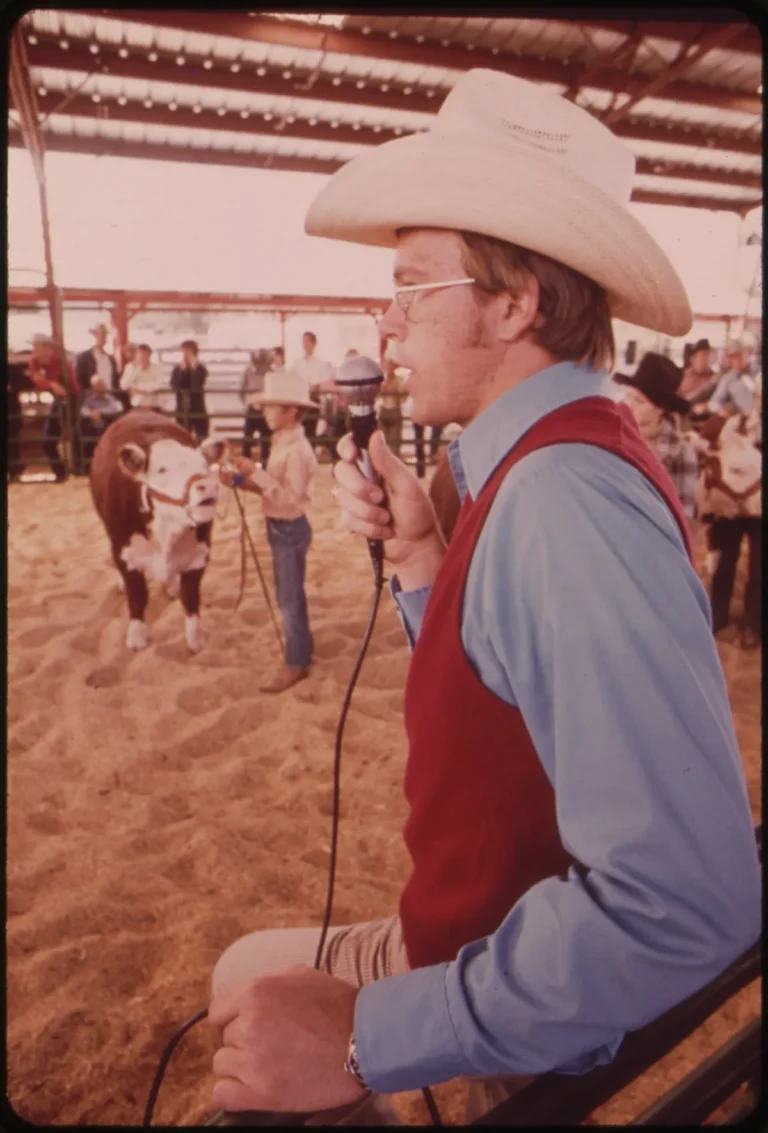
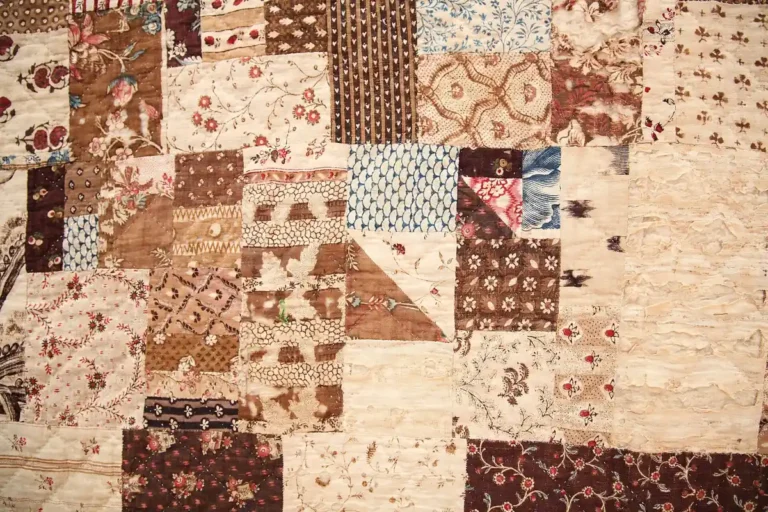
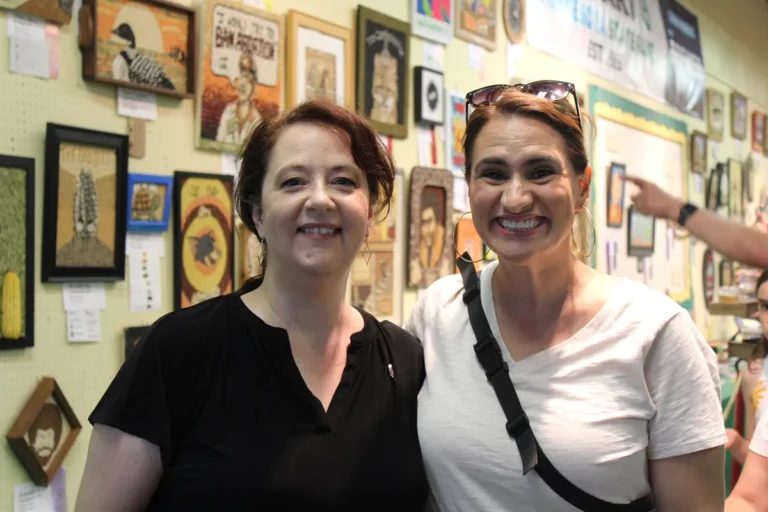
Expect the familiar architecture of a county fair: barns full of cattle, swine, sheep, and goats; exhibit halls lined with canned goods, quilts, photography, and school art; a midway of rides and games; and a grandstand that fills after dark for events that change from year to year. Because the county is small, the grounds are genuinely walkable — you can cover everything in an afternoon without a shuttle or a strategy.
Admission to the fairgrounds is typically free, with rides, food, and certain grandstand events sold separately. That low barrier is deliberate. The Kearny County Fair is built as a community gathering first and a ticketed attraction second, which makes it an easy, inexpensive stop for anyone crossing southwest Kansas on U.S. 50.
For another look at how a community turns its own traditions into a gathering, see the Jones County Iowa Wyoming Fair Festival for a useful comparison.
How an 1873 County Grew Its Own Fair Tradition
Kearny County was established on March 20, 1873, during the first great wave of Kansas county organization. Lakin became — and remains — the county seat, the town where the courthouse, the schools, and the fairgrounds anchor civic life.
Kansas county fairs of that era grew out of agricultural societies and harvest gatherings, where farmers compared yields, stockmen compared bloodlines, and families compared preserves. Kearny County’s fair followed that pattern. As irrigation and the cattle economy matured across the Arkansas River valley, the event expanded from a single exhibition day into a multi-day run with a midway, a grandstand, and a full slate of youth competitions.
The through-line has never changed. The fair has always been organized locally by volunteers and community groups, and it has always done two jobs at once: showcasing a year of agricultural work and giving a scattered county one place to be together. That double role is why it has outlasted so many other rural traditions.
What a Kearny County Fair Day Actually Feels Like
The fair runs on a simple rhythm: mornings for livestock and exhibits, afternoons for the midway and the shade, evenings for the grandstand. Here is how each piece works.
Fair Food: Beef, Wheat, and Church-Stand Pie
Food here is local first and fried second. Expect the standard lineup — corn dogs, funnel cakes, snow cones, burgers, and fries — alongside stands that reflect the county’s cattle economy: beef sandwiches, barbecue, and smoked meats. Church and civic groups typically run the pie, cake, and cinnamon roll tables, and those lines are worth joining. Many stands take cards, but cash moves faster and some smaller booths are cash-only.
Entertainment Under the Lights
Evening is when the grounds change personality. Grandstand programming varies by year and traditionally draws on regional tastes: demolition derbies, tractor pulls, rodeos, and live country music. Daytime entertainment leans local — school bands, dance groups, 4-H presentations, and announcer-led contests in the show ring. Because schedules shift annually, check the posted schedule or local listings when you arrive rather than relying on last year’s plan.
Family Activities and Youth Exhibits
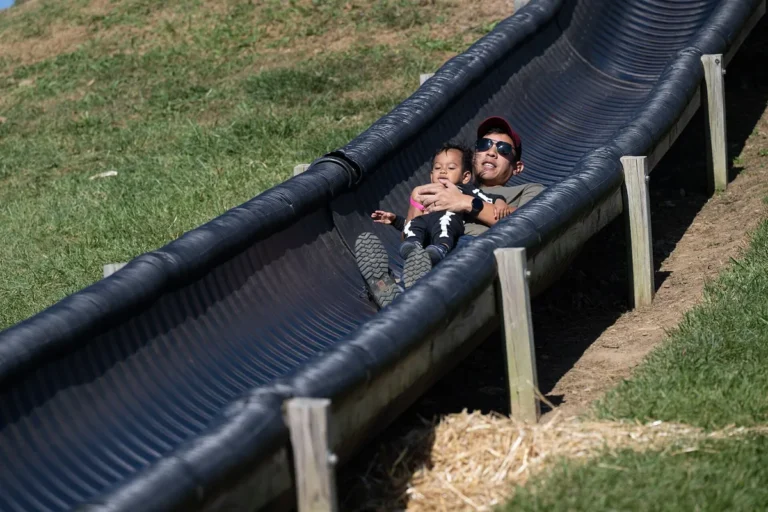
The core of the fair is its youth program. 4-H and FFA members show animals, and open-class entries cover baking, canning, photography, quilting, and junior projects. Watching is free, and the barns are usually the friendliest place on the grounds — exhibitors will happily explain what they raised and how it placed. For younger kids, expect carnival rides, midway games, and a petting area. Older visitors will find the exhibit halls and shaded seating the easiest way to spend a hot afternoon.
Planning a Trip Around the Kearny County Fair
A fair this size does not require heavy logistics, but a few decisions make the weekend smoother.
Getting to Lakin
Lakin sits on U.S. 50 in southwest Kansas, the region’s main east–west corridor. Nearly everyone arrives by car; the drive in from Garden City to the east is short and straightforward, and other regional towns feed in on state highways. Fuel up before you get close, especially if you are heading out after a late grandstand.
Where to Sleep Near the Fairgrounds
Lodging inside Kearny County is limited, and fair weekend fills it. Garden City offers the deepest selection of hotels and motels within an easy drive, which makes it the practical base for most out-of-town visitors. Book weeks ahead rather than days. Campers and RV travelers should confirm options locally before committing, since availability around fair dates changes from year to year.
Parking and Walking the Grounds
Fairground parking is typically free and close to the gates, but the lot fills before grandstand events. Arrive an hour early for evening programming, or come mid-afternoon and stay through. The grounds are compact and flat, so once parked, most of your walking happens within a few hundred yards.
Admission and What You Will Actually Spend
Admission to the fairgrounds is typically free. Your spending will be food, rides, games, and any grandstand event with its own ticket. A family can keep the day inexpensive by focusing on exhibits, livestock shows, and free entertainment, then splurging on one or two midway stops.
Southwest Kansas Weather and How to Dress for It
Fair season here means heat, wind, and the chance of an afternoon thunderstorm. Daytime temperatures in the 90s are common in midsummer, and there is little natural shade on a fairground. Mornings and evenings are the comfortable windows. Bring water, sunscreen, a hat, and a light layer for after dark, when the plains cool off quickly.
A Sample Fair Weekend in Kearny County
Friday evening: Arrive in Lakin, park, and walk the grounds once to get oriented. Eat at a food stand, catch whatever is on the grandstand, and save the exhibit halls for daylight.
Saturday morning: This is livestock time. Head to the barns for the shows, then walk the exhibit hall while entries are still fresh and judges’ comments are posted.
Saturday afternoon: Midday heat is real, so use it for the midway, shaded seating, and a slow lunch. If you have kids, this is the natural window for rides and games.
Saturday evening: Return for the grandstand. Come early, park once, and plan to stay — the atmosphere after dark is the part first-time visitors remember.
Sunday: Many fairs wind down with a shorter schedule, often including a final livestock event or a community meal. Use leftover hours for a drive through the surrounding farmland or a stop in Garden City on the way home.
How It Compares With Other Southwest Kansas Options
Visitors with a free weekend can easily compare. Garden City, east along U.S. 50, is the region’s largest city and offers more dining, lodging, and evening entertainment alongside its own summer events. Other counties across southwest Kansas — Hamilton to the west, Finney to the east, Stanton to the south — hold their fairs in the same summer window, so a traveler could string two together.
The Kearny County Fair’s advantage is scale: smaller crowds, shorter lines, free parking, and a real chance to talk with the families who raised the animals on display. The trade-off is a shorter schedule and fewer headline grandstand acts. If you want a large midway and a big-name concert, a bigger city fair serves you better. If you want the fair as it was meant to be — local, unhurried, and agricultural at its core — Kearny County wins.
What to Bring and Confirm Before Fair Weekend
Pack for heat and dust first: refillable water bottles, sunscreen, a wide-brimmed hat, sunglasses, and closed-toe shoes you do not mind scuffing. Add a light jacket for the evening temperature drop, and a lawn chair if you plan to sit through grandstand programming.
Then confirm the logistics: the current year’s schedule and gate times, whether any grandstand event needs its own ticket, lodging reservations if you are staying over, and a cash reserve for smaller stands. Screenshot the schedule before you go, since cell service can be spotty in a crowd.
Beyond the Fairgrounds: Lakin and the Kearny County Backroads
The fairgrounds are the centerpiece, but Kearny County rewards a slow drive. The Arkansas River corridor runs through the county, and the river valley that carried the Santa Fe Trail west still shapes the landscape — irrigated fields, feedlots, grain elevators, and long horizons broken only by cottonwoods.
Lakin itself is a compact county seat worth an hour on foot: a courthouse square, small businesses, and the everyday infrastructure of a high plains town. Photographers get the best light in the hour after sunrise and before sunset, when the fields and elevators turn gold.
Garden City, a short drive east, adds restaurants, a larger retail base, and the kind of evening entertainment a county of 3,983 cannot support on its own. Many visitors pair a fair afternoon in Lakin with dinner there before heading home.
Why a Fair Still Carries Weight in a County of 3,983
A county with 3,983 residents spread across 871 square miles does not gather by accident. It gathers because someone organizes it. The Kearny County Fair is run by volunteers, supported by local businesses and groups, and staffed by families who have been showing livestock and entering exhibits for generations.
That matters beyond nostalgia. County fairs are one of the last places where a young person’s work — a steer, a quilt, a photograph, a batch of bread — is judged in public and rewarded in front of neighbors. Scholarships, 4-H experience, and early leadership often trace back to a fair entry.
The fair is also social and economic infrastructure. It brings spending into Lakin, gives local organizations a fundraising platform, and creates the shared memory that keeps small towns from feeling like exits on a highway.
Where the Fair Sits in the Kearny County Area
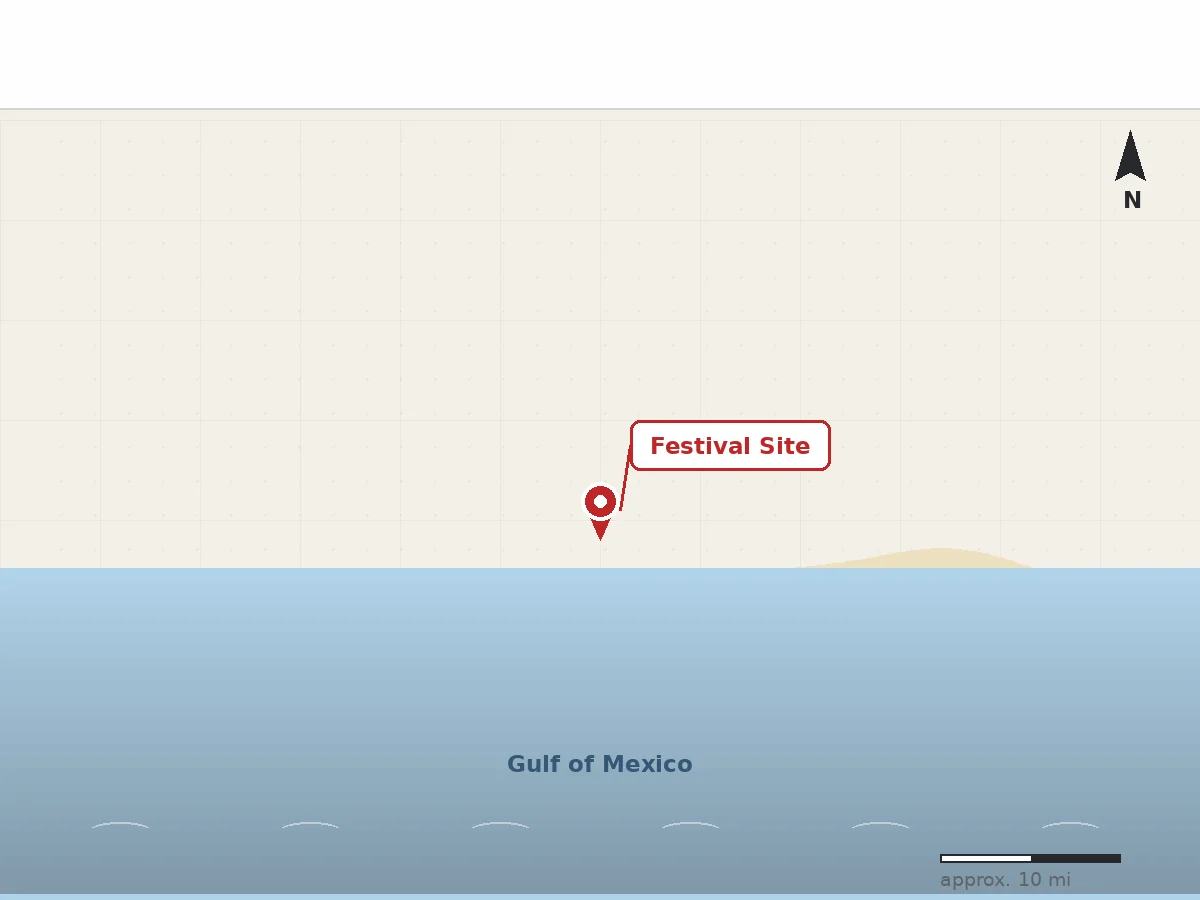
The Kearny County Fair takes place in the Kearny County area around Lakin, the county seat, which sits on U.S. 50 in southwest Kansas.
Straight Answers for First-Time Fairgoers
Is there an admission fee for the Kearny County Fair?
Admission to the fairgrounds is typically free. Individual activities — carnival rides, midway games, food, and certain grandstand events — carry their own charges, so budget for those rather than for a gate ticket. Free admission is part of the fair’s design as a community event.
When should I plan my visit?
The fair is held on a summer weekend, most often in July or August. If you are traveling from out of the area, build your trip around the middle days rather than opening night; livestock shows, exhibit halls, and grandstand programming all tend to be in full swing by then. Confirm the current year’s dates through local listings before booking lodging.
Is the fair a good fit for families with small children?
Yes. The grounds are compact, parking is close, and much of the programming — livestock barns, exhibit halls, and daytime entertainment — is free and unhurried. Bring water and sun protection, aim for morning or evening hours, and treat the midway as the one part of the day that needs a budget.
What if I am only passing through on U.S. 50?
The fair folds easily into a road trip. Park once, walk the grounds in an hour or two, eat at a food stand, and get back on the highway. If you have more time, time your stop for the evening grandstand, which is when the fairgrounds are at their liveliest.
What’s Next for the Kearny County Fair
Rural county fairs across Kansas are working through the same questions: how to keep volunteers, how to cover rising insurance and entertainment costs, and how to stay relevant to families with more options than their grandparents had. Kearny County starts from a position of strength — a volunteer base, a strong agricultural identity, and a community small enough that the fair is still the main event of the summer.
Expect the format to keep evolving. Youth exhibits and livestock shows will remain the anchor. Grandstand programming will continue to shift with budgets and tastes. What is unlikely to change is the timing, the setting, and the reason people show up: 3,983 neighbors, one fairground, one weekend.
Last updated: October 2026
The Kearny County Fair is not trying to compete with state fairs or summer music festivals, and that is precisely its appeal. It is a county seat doing what county seats have done since 1873 — pulling a wide, quiet place into a single crowded, cheerful weekend. If your route ever puts you on U.S. 50 in July or August, check the dates and stop.