Haskell County Kansas Haskell County Fair Festival
Sublette, the seat of Haskell County, Kansas, sits on the high plains of the state’s southwest corner. The county covers 578 square miles and counted 3,780 residents at the 2020 census. It was founded on March 23, 1887, and named for Dudley Haskell. From its earliest years, Sublette has been the place where the county’s scattered farm and ranch families meet — and once a year, that meeting takes a name of its own: the Haskell County Fair.
For a few days each summer, the fair makes Sublette the social center of a county where the nearest neighbor can be a long, flat drive away. Cattle trailers park beside pickup trucks. Exhibit halls fill with canned goods, quilts, garden produce and photographs. The smell of fry bread and funnel cake drifts across the midway. It is a familiar scene across rural Kansas, but it belongs to Haskell County in a particular way, shaped by the wheat and cattle economy around it and by families who have entered the same categories for generations.
This guide covers what the fair is, how it took root, what a day on the grounds feels like, and how to plan a visit to Sublette around it.
Haskell County Fair Essentials: Sublette, Kansas
| Town and area | Sublette and the surrounding Haskell County area |
| County | Haskell County, Kansas |
| County seat | Sublette |
| Population | 3,780 (2020 census) |
| Region | Southwest Kansas high plains |
| County founded | March 23, 1887 |
| Named for | Dudley Haskell |
| Land area | 578 square miles |
| Typical timing | A few days in mid-to-late summer |
| Admission | General admission is typically free; individual attractions may charge |
Inside the Haskell County Fair: A Whole County in One Place
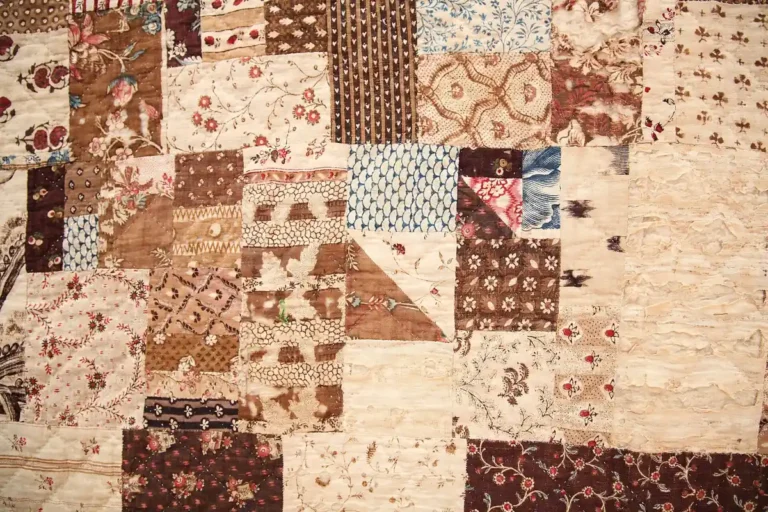
A county fair is a simple idea executed at scale. In Haskell County it means livestock barns where beef cattle, swine, sheep and goats are fitted, fed and walked into a show ring. It means an exhibit hall where 4-H and FFA members and open-class entrants display everything from quick breads and canned tomatoes to photography, quilts and shop projects. It means a midway with rides and games, and a grandstand that anchors the evening.
The day has a rhythm. Mornings belong to the barns, when animals are washed and groomed and exhibitors double-check feed pans and show clothes. Afternoons shift toward the exhibit buildings, the carnival and whatever shade the plains offer. Evenings bring the grandstand crowd, the longest food lines and the conversations that make a county fair as much a reunion as an event.
For another look at how a community turns its own traditions into a gathering, see the Harvey County Kansas Free Fair Festival for a useful comparison.
Visitors come from Sublette itself and from the smaller communities and farmsteads around it, along with a steady trickle of former residents who time summer visits home around fair week. Nobody stays a stranger for long on the grounds.
From 1887 to the Fairgrounds: How Haskell County’s Fair Took Root
Haskell County was organized in the spring of 1887 and named for Dudley Haskell, with Sublette established as the county seat. The county’s early economy rested on the same foundation as the rest of southwest Kansas: homesteads, wheat and cattle. County fairs across Kansas grew out of that world in the late nineteenth century, when communities began setting aside a few days after harvest to compare livestock, produce and handiwork.
Haskell County’s fair followed that pattern, becoming the annual showcase for the county’s agricultural year. In time it also became the stage for the youth programs that shaped rural Kansas life — 4-H clubs and vocational agriculture classes, whose members raised animals, built projects and learned to present their work to judges and neighbors.
Through the hard decades of the twentieth century, the fair persisted, adapting as farms grew larger, families grew smaller and travel became easier. What did not change was its function. Sublette remained the county seat, and the fairgrounds remained the one place where the whole county could be counted in an afternoon.
What a Fair Day in Sublette Actually Looks Like
Fair Food on the Midway
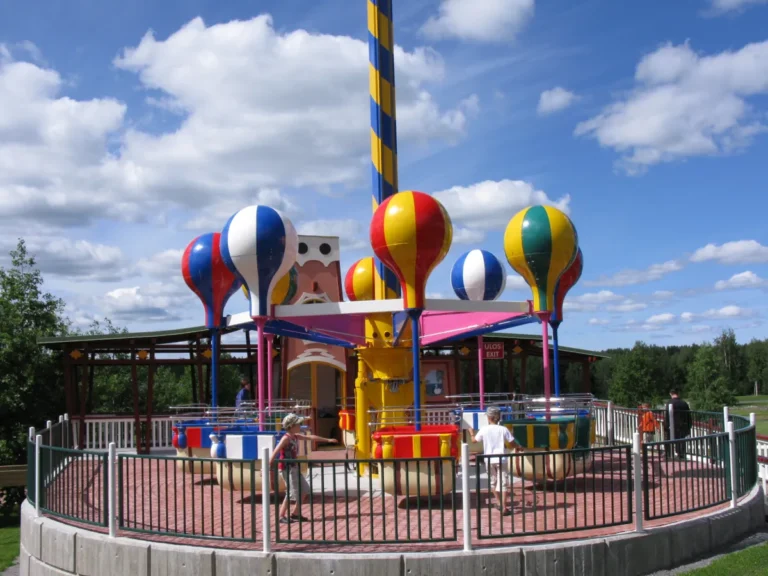
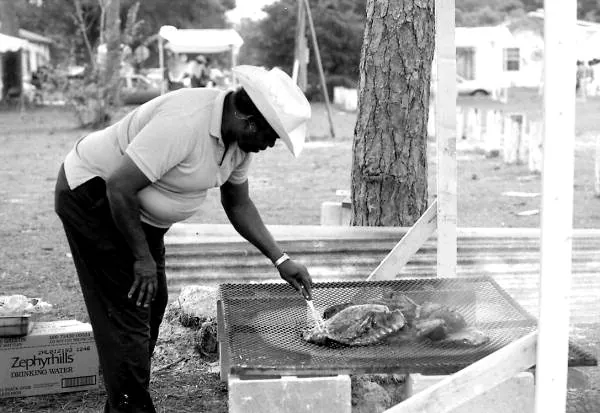
Fair food is its own food group here. Expect the classics — funnel cakes, corn dogs, kettle corn, fry bread, burgers and barbecue — alongside booths run by local churches, clubs and civic groups selling pie, cinnamon rolls and coffee. The lines build toward evening, when the midway lights come on and the smell of hot oil and sugar settles over everything. Bring cash; small stands and raffle tables appreciate it.
Grandstand Music and Evening Entertainment
The grandstand is where the day ends for most families. Programming varies from year to year and often mixes local and regional performers with crowd-drawing contests or motor events, so it pays to check the schedule posted around town and at the grounds. Seating tends to be first-come, and blankets or stadium cushions make the concrete a lot friendlier. Arrive early on the biggest nights.
Rides, Livestock and Family Activities
The midway carries the rides and games, but the barns are the heart of the fair. Visitors are generally welcome to walk through and watch exhibitors work, and the show rings draw steady crowds through the morning and early afternoon. Young children do well with an early arrival, a slower pace through the animal barns, and a break during the hottest part of the day before the evening program begins.
Planning a Trip to Haskell County for Fair Week
Getting to Sublette on the High Plains
Sublette sits along the US-83 and US-56 corridors in southwest Kansas, which makes it an easy stop for anyone driving the region. Most visitors arrive by car. Regional airports in the wider area serve travelers who fly in, and the drive from Wichita takes the better part of a day across open country with long stretches between towns.
Where to Stay in and Around Haskell County
Lodging in Sublette itself is limited, so book well ahead if you plan to stay in town during fair week. Many visitors base themselves in one of the larger regional towns and drive in for the day, while others bring an RV or camper and make a short trip of it. If you are coming from a distance, reserving early is the single most useful planning step.
Parking at the Fairgrounds
Fairgrounds parking is generally free and on-site, with grassy areas and volunteer-directed traffic. Grandstand nights and weekend evenings are the busiest, so aim to arrive before the dinner rush if you want a short walk to the gate.
Admission, Wristbands and Costs
General admission to a Kansas county fair of this size is typically free. Money usually changes hands at individual attractions: carnival wristbands or ride tickets, grandstand events, raffles and food. Budget for cash, keep an eye out for family wristband deals on slower nights, and check locally posted schedules for anything that carries a separate charge.
Southwest Kansas Weather in Fair Season
Mid-to-late summer in this corner of Kansas means heat, wind and the chance of a fast-moving evening thunderstorm. Daytime temperatures often push well into the nineties, so hats, sunscreen and refillable water bottles matter. Evenings usually cool off nicely, and a light jacket or long-sleeved shirt is welcome once the sun drops and the breeze picks up.
A Sample Fair Weekend in Sublette and Haskell County
Friday evening. Arrive in town, park at the grounds and walk the midway before the crowds thicken. Grab dinner from a food stand, then take in the grandstand program. This is the easiest night to get a feel for the layout.
Saturday. Start at the barns in the morning, when exhibitors are working and the show rings are busy. Lunch from a civic booth, then an hour in the exhibit hall looking at baking, canning, photography and projects. Spend the hot part of the afternoon on the midway or back at your lodging, and return for the evening entertainment and one last funnel cake.
Sunday morning. Come back for the final shows and any sale or wrap-up events, which tend to be quieter and more local in feel. Have breakfast in town before heading out, and leave time for a slow drive through the surrounding farmland.
How the Haskell County Fair Compares with Neighboring Fairs
Haskell County is one of several counties in the region that keep the fair tradition alive. Neighbors in Stevens County around Hugoton, Seward County around Liberal, Grant County around Ulysses and Finney County around Garden City all host their own fairs, and those events tend to draw larger crowds and bigger midways.
What makes the Haskell County Fair distinct is scale. It is a smaller, more intimate fair where the show ring and the grandstand are within a short walk of each other and the odds are good that you will run into someone you know. Travelers who want a larger midway can plan a trip that pairs two county fairs in the same summer swing.
Your Haskell County Fair Checklist
| Check the schedule | Confirm the dates and grandstand lineup locally before you drive in |
| Book lodging early | Rooms in and near Sublette fill fast during fair week |
| Bring cash | Food stands, raffles and ride tickets often prefer it |
| Pack for heat | Hat, sunscreen, water bottle and a light layer for the evening |
| Wear real shoes | Barns, gravel and grass are hard on sandals |
| Plan around peak hours | Mornings for livestock, evenings for the midway and grandstand |
Beyond the Fairgrounds: Sublette, Haskell County and the Region
The fair is a reason to visit, but it is not the only one. The drive into Sublette crosses some of the most open country in Kansas, where center-pivot irrigation circles, wheat stubble and cattle pasture stretch to a horizon broken only by grain elevators and the occasional windbreak. It is a landscape that rewards a slow, curious drive.
Within a few hours of Sublette, the region offers frontier-history sites in Dodge City, the Land of Oz attractions in Liberal, and the zoo and gardens in Garden City. Closer to home, small-town cafes and co-ops give a sense of how the county actually works the other fifty weeks of the year.
What the Fair Still Means to Sublette and Rural Haskell County
In a county of 3,780 people spread across 578 square miles, gathering is not automatic. It takes an occasion. The fair is that occasion — a fixed point in the summer calendar when the county’s schools, farms, businesses and families all show up in the same place at the same time.
For the young exhibitors, it is where a year of work gets judged in front of neighbors. For older residents, it is where the county’s history is renewed by handshake. For Sublette itself, the fair is both an economic boost and a statement of identity: this is a place that still knows how to put on a fair.
Where the Haskell County Fair Sits in Sublette, Kansas
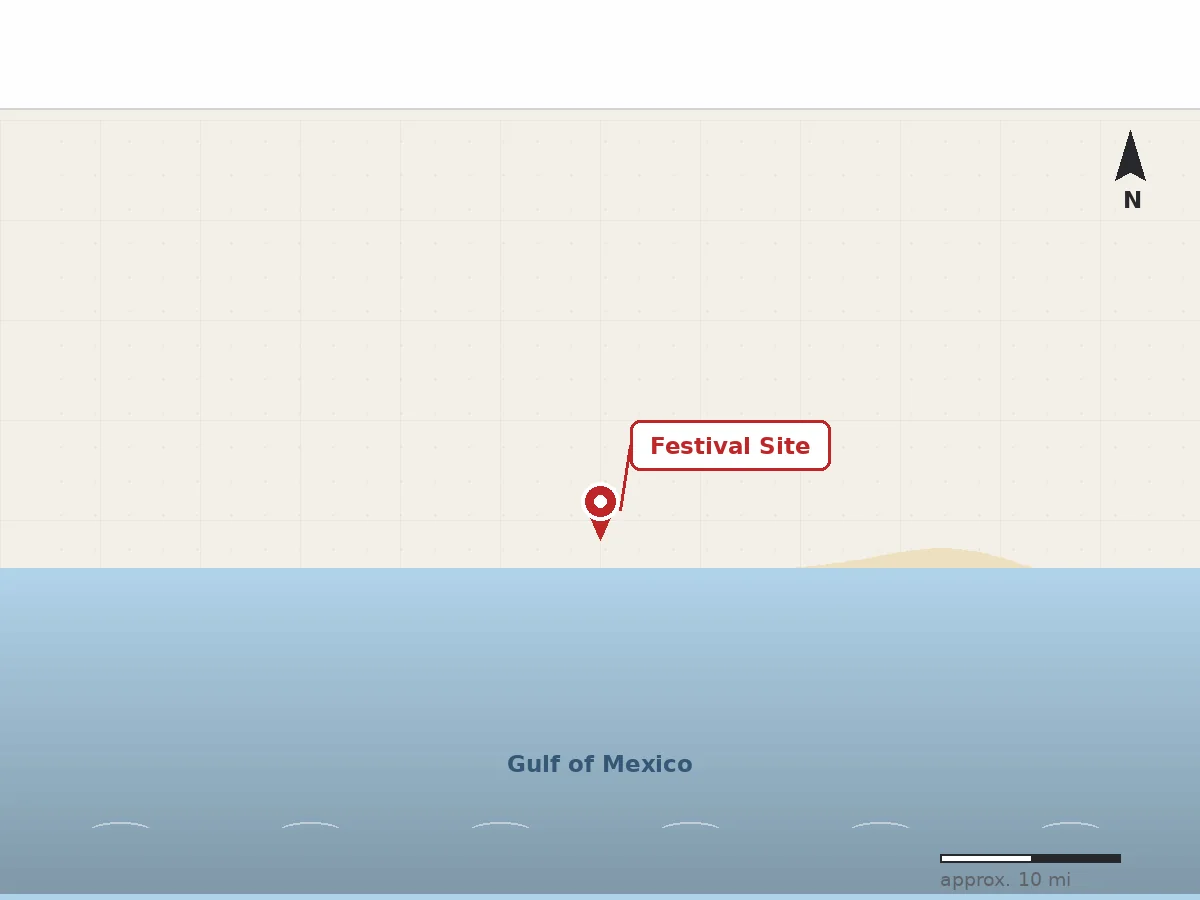
The Haskell County Fair takes place in and around Sublette, the county seat, in the heart of Haskell County in southwest Kansas.
Haskell County Fair Questions from First-Time Visitors
Is the Haskell County Fair free to attend?
General admission to a Kansas county fair of this size is typically free, and that is usually the case here. Costs show up at individual attractions — carnival rides, grandstand events, raffles and food. Bring cash and check locally posted information for any ticketed programs.
When is the best time to arrive?
Arrive in the morning if livestock and exhibits are your priority; the barns and show rings are busiest before the afternoon heat. Arrive in the late afternoon or early evening if you want the midway, the food stands and the grandstand program at full energy.
Is the fair a good outing for young children?
Yes. County fairs are built for families, with animal barns, midway rides, games and plenty of grazing food. The main challenges are heat and late nights, so plan a midday break and keep water handy.
How do I get to Sublette?
Sublette sits along the US-83 and US-56 corridors in southwest Kansas, which makes it straightforward to reach by car from most of the region. Flying visitors typically use one of the regional airports in the surrounding area and then drive in.
The Next Chapter for the Haskell County Fair
County fairs everywhere are working out how to stay relevant to a generation that has more ways to spend a summer evening than any before it. Haskell County’s answer has been to keep doing the fundamentals well: strong youth programs, a real livestock show, an exhibit hall that reflects the county’s kitchens and workshops, and an evening program that gives people a reason to stay past sunset.
Expect the fair to keep evolving — schedules shift, entertainment changes, and volunteer boards turn over — while the shape of the thing stays recognizably the same. For Sublette and the farms and small towns around it, that continuity is the point. A fair that has survived more than a century of change in rural Kansas has already proven it can adapt.
Last updated: October 2026
If you find yourself in southwest Kansas in the middle of summer, point the car toward Sublette. The gates will be open, the barns will be full, and the whole county will be there — the same way it has been for generations.