Douglas County Kansas Douglas County Fair Festival
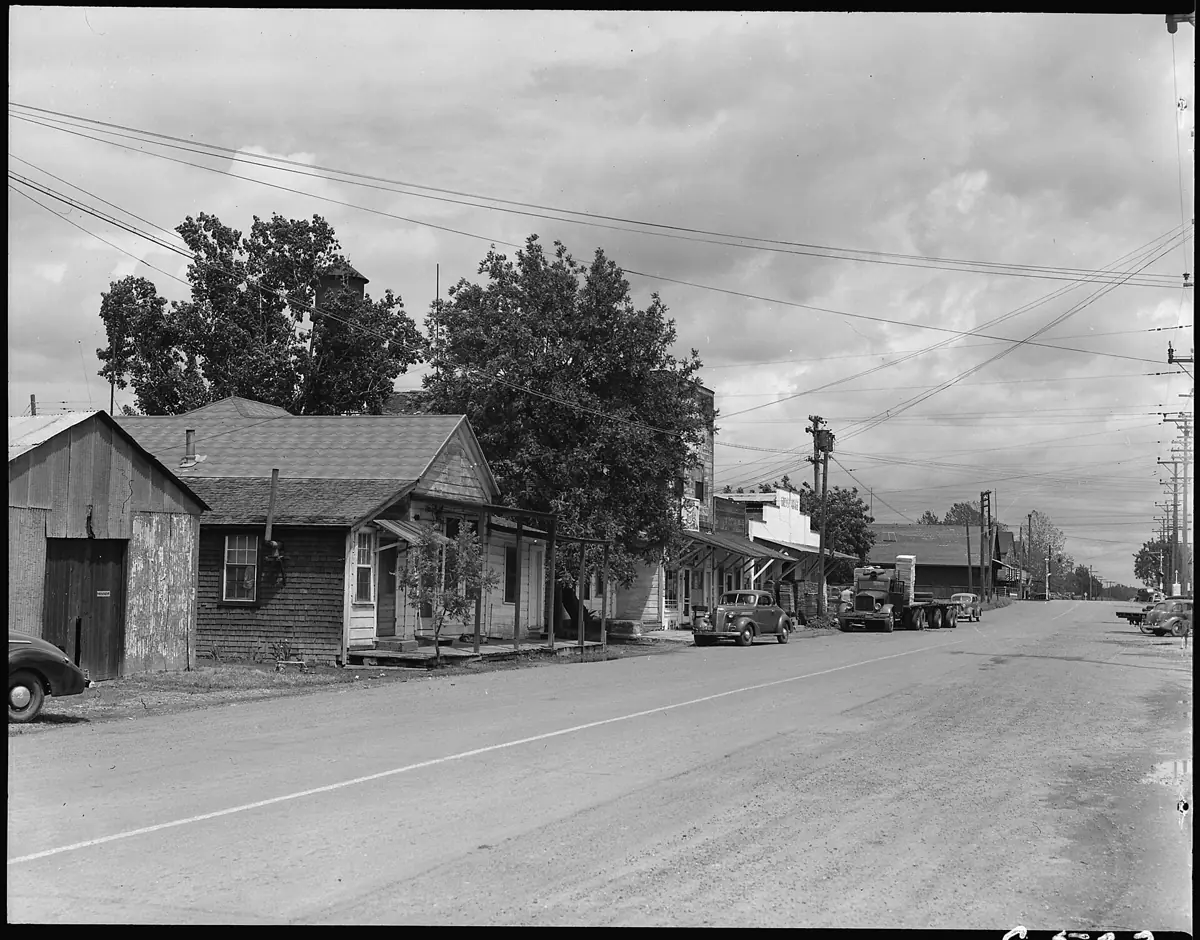
The Douglas County Fair is the kind of event locals circle on the calendar without needing a reminder. Ask anyone who grew up in the Douglas County area what late summer sounds like and you get the same answer: animals shifting in the barns, a midway firing up, and a voice reading exhibit results over a crackling speaker. Lawrence is the county seat and the largest city here, but for a few days each year the fair pulls the whole county onto one patch of ground — farm families, college students, retirees, and kids squeezing the last weeks out of summer break.
For a returning visitor, the second trip is different from the first. You stop trying to see everything and start knowing what you actually want: which barn to walk before the heat builds, where the pie table sits, which grandstand night is worth staying late for. This is written from that angle — the accumulated knowledge of someone who has parked in the same dusty field more than once.
Douglas County Fair Basics: The Facts Behind the Fun
Before you plan anything, get the frame straight. The fair belongs to a county that is bigger and more varied than most outsiders assume, and knowing the shape of the place makes the visit easier to organize.
| Town / area | The Douglas County area, Kansas |
| County | Douglas County |
| County seat | Lawrence |
| Population | 118,785 (2020 census) |
| Region | Northeast Kansas |
| Typical timing | A summer weekend, usually late July or August |
| Admission | Generally free to enter; some individual activities carry a charge |
| Setting | Fairgrounds in the Douglas County area, with Lawrence nearby |
| Features | Livestock shows, open-class and youth exhibits, carnival rides, grandstand entertainment, fair food |
| Organizer | Local fair board and community volunteers |
What the Douglas County Fair Actually Is
Strip away the carnival lights and this is an agricultural fair in the classic Kansas mold — part showcase, part reunion, part small-town carnival. The Douglas County Fair sits in a county that covers 475 square miles and stretches from the Kansas River valley out into farmland and small communities. The fair is one of the few occasions when that whole spread of land shows up in the same place at the same time.
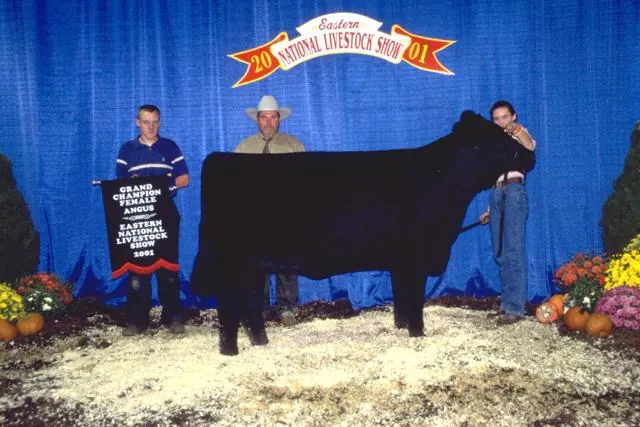
In most years you can count on the same pillars: livestock barns where exhibitors groom animals before judging, exhibit halls full of baked goods, canned preserves, quilts, photography, and school art, a midway with rides and games, and a grandstand that hosts entertainment on at least one evening. It is a fair built for walking, and it rewards people who slow down. The exhibitor who has spent months with a steer is usually happy to talk about it, and that conversation is the actual product of the event.
For another look at how a community turns its own traditions into a gathering, see the Doniphan County Kansas Doniphan County Fair Festival for a useful comparison.
How Douglas County’s Fair Grew Alongside Its County
Douglas County was founded on August 25, 1855, and named for Stephen Douglas, the Illinois senator whose name is attached to a long stretch of Kansas history. Lawrence became the county seat and grew into the population center that today accounts for most of the county’s 118,785 residents, a figure recorded in the 2020 census. The fair’s story runs parallel to that growth, even where the details blur.
County fairs across Kansas took shape in the decades after settlement, when farmers needed a neutral ground to compare stock, trade seed, and settle friendly arguments about who grew the better corn. The Douglas County Fair belongs to that tradition. Early versions of these gatherings were practical first and entertaining second — a place to learn a new technique, buy a better animal, and hear what the agricultural college had to say.
Over the twentieth century the balance shifted. Youth programs became a driving force, and the exhibit hall turned into a showcase for everything from bread to woodworking. Carnival rides and grandstand acts arrived to keep the evenings busy. What survived all of it is the structure: livestock, exhibits, food, entertainment, and a community that shows up. That continuity is why returning visitors recognize the fair even when the midway looks different than it did a decade ago.
What Returning Visitors Notice First
The fair does not reinvent itself every year, and that is the appeal. What changes is small: a new vendor, a different grandstand lineup, a fresh batch of kids old enough to show an animal for the first time. Here is what to pay attention to.
Fair Food That Keeps People Coming Back
Fair food is its own category of eating, and the Douglas County Fair delivers the classics: grilled sausage, funnel cakes, hand-dipped corn dogs, cotton candy, lemonade shaken in a big steel jug. Church groups and local organizations often run stands, which is where the better food tends to hide — pie by the slice, walking tacos, homemade ice cream. Go early in the evening if you want the full selection; popular stands sell out before the grandstand lets out.
Music, Grandstand Nights, and Local Talent
Evening entertainment is the anchor of the fair schedule. Grandstand programming in most years includes live music, and it often leans on regional bands and local performers rather than national touring acts, which keeps the atmosphere relaxed and the crowd familiar. Expect a mix of country, rock, and community-group performances. Bring a lawn chair or a blanket if the seating is grass or bleachers, and stake out a spot before the music starts.
Family Activities for Kids and Grandparents Alike
This is a genuinely multigenerational fair. Kids gravitate to the midway, the petting areas, and the livestock barns, where animals are close enough to touch through a fence. Grandparents tend to drift toward the exhibit hall and the seating near the food stands. A stroller handles the grounds reasonably well, though gravel and grass sections can be rough. Restrooms are typically portable units plus permanent facilities, so plan accordingly with small children.
Planning a Trip to the Douglas County Fair
Most of the friction around a fair visit comes down to logistics — heat, parking, and money. A little planning removes nearly all of it.
Getting to the Douglas County Area
Douglas County sits in northeast Kansas, with Lawrence as the county seat and the main hub for food, fuel, and lodging. If you are coming from out of town, Lawrence is the natural base — it is the largest city in the county and the easiest place to find a hotel or a late dinner after the fair. From there, the drive to the fairgrounds is short and straightforward.
Where to Stay Near Lawrence
Book early if your visit lands on a busy summer weekend, because Lawrence fills up with university traffic, weddings, and other events. Chain hotels along the main corridors are the simplest option. Camping and RV spots sometimes exist near fairgrounds, but availability varies year to year, so confirm before you commit to that plan.
Parking Without the Headache
Fairground parking is usually a mix of paved lots and grassy fields, with volunteers directing traffic. Arrive before the evening rush if you want a short walk. Wear shoes you do not mind getting dusty, and note where you parked — rows of cars in a field all look alike after dark.
Admission, Wristbands, and What Cash Is For
General admission to the fair is typically free, with costs attached to specific things: carnival rides, some grandstand events, games, and food. Ride wristbands or ticket bundles are common and often cheaper than buying individual tickets. Carry some cash even if vendors take cards — small stands and raffles sometimes do not, and ATMs on fairgrounds are unreliable.
Kansas Weather and How to Dress
Late summer in northeast Kansas means heat, humidity, and the real possibility of a sudden storm. Dress light, bring a hat, and drink more water than you think you need. An afternoon thunderstorm can clear a midway quickly and leave mud behind, so closed-toe shoes beat sandals. A light rain jacket takes up almost no room and earns its place.
A Sample Weekend at the Douglas County Fair
Here is a rhythm that works for a returning visitor who wants the fair without the exhaustion.
| Friday evening | Arrive late afternoon, walk the barns while it is still light, eat dinner from the stands, stay for the grandstand program. |
| Saturday morning | Come back early for livestock judging and the exhibit hall before the crowds build. |
| Saturday midday | Retreat for shade, water, and a real meal in Lawrence, then rest during the hottest hours. |
| Saturday afternoon | Return for the midway, games, and demonstrations; catch the smaller stages. |
| Saturday evening | Grandstand entertainment, dessert from a church stand, and a slow walk through the lights. |
| Sunday morning | Final pass for exhibits, a last look at the animals, and anything you meant to buy. |
How the Douglas County Fair Compares to Nearby Options
The fair is not the only thing happening in the region on a summer weekend, and knowing the alternatives helps you decide how to spend your time. Lawrence itself offers a walkable downtown, a strong food scene, and live music venues that make an evening out easy to arrange around the fair schedule.
Smaller Douglas County communities such as Baldwin City and Eudora trade the fair’s scale for a quieter, more local feel, and neighboring counties run their own fairs on their own weekends. If you are building a longer trip, pairing the Douglas County Fair with a day in Lawrence gives you the best of both: agricultural tradition in the afternoon, a restaurant and a music venue at night.
A Practical Checklist for Douglas County Fair Day
| Cash | For food stands, raffles, and games that do not take cards. |
| Water bottle | Refill stations are easier to find than you expect; heat is not. |
| Sun protection | Hat, sunscreen, and sunglasses for open midway walking. |
| Closed-toe shoes | Gravel, grass, and livestock areas all punish sandals. |
| Lawn chairs or blanket | Useful for grandstand and grass seating. |
| Small bills | Faster lines at busy stands. |
| Rain layer | Kansas evenings turn quickly. |
| Phone battery pack | Long days and photo-heavy afternoons drain a charge. |
Beyond the Fairgrounds: Lawrence and the Rest of Douglas County
Douglas County rewards anyone who stays an extra day. Lawrence, the county seat, anchors the county’s cultural life with a compact downtown, independent shops, a strong brewery and coffee scene, and a calendar of live music. It is the kind of city where a fair visit can turn into a full weekend without much planning.
Outside Lawrence, the county opens into farmland and small communities connected by two-lane roads that are pleasant to drive in the early morning. The Kansas River shapes much of the northern edge of the county and offers walking and paddling options in warmer months. If you have time, take the long way back from the fairgrounds and see the countryside the fair actually represents.
Why the Douglas County Fair Still Matters Here
In a county of 118,785 people spread across 475 square miles, most residents never cross paths in a normal week. The fair is one of the few institutions that still gathers them: the farm family from the western edge, the university staffer in Lawrence, the retiree who has been attending since childhood. It is a shared reference point in a place that is otherwise divided between city and countryside.
It also keeps practical knowledge alive. Young exhibitors learn how to raise, handle, and present an animal. Bakers and quilters get judged by people who know the craft. That transfer of skill from one generation to the next is the quiet work the fair does every year, and it is the reason the event has outlasted so many other community gatherings.
Where the Douglas County Fair Sits on the Map
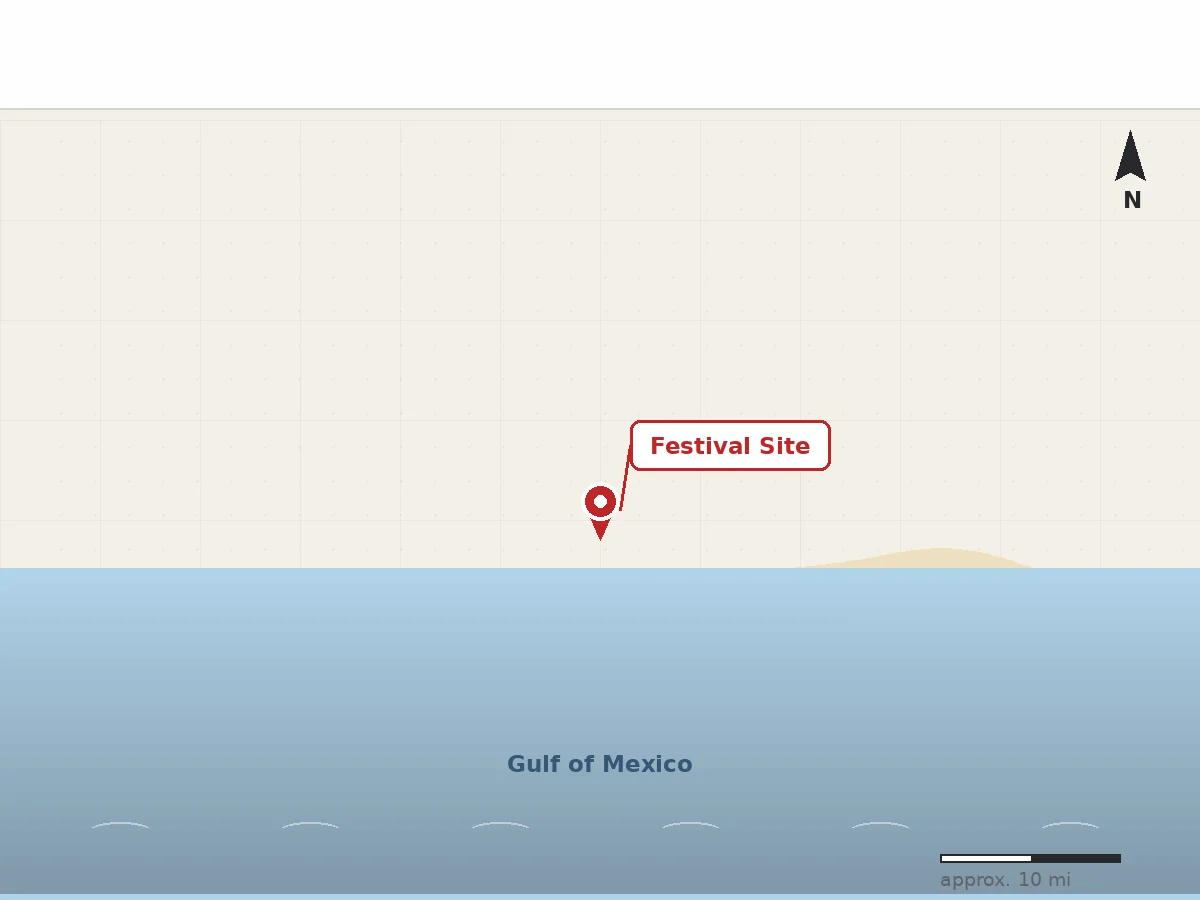
The Douglas County Fair takes place on fairgrounds in the Douglas County area of northeast Kansas, with Lawrence — the county seat — serving as the closest city and the main gateway for visitors.
Things People Ask Before Their First Douglas County Fair
When is the Douglas County Fair held?
It runs on a summer weekend, most often in late July or August, which is standard timing for county fairs across Kansas. Because the exact weekend shifts from year to year, check local listings or the fair’s own announcements before you make travel plans.
How much does it cost to get into the Douglas County Fair?
General admission is typically free. You pay for what you choose to do — carnival rides, games, food, and some grandstand events. Ride wristbands and ticket bundles usually offer better value than single tickets if you have kids who want to spend time on the midway.
Is the Douglas County Fair good for young children?
Yes. The fair is compact enough to walk with a stroller, the animal barns are a reliable hit with small kids, and the midway has rides aimed at younger children. The main challenges are heat and crowds in the evening, so mornings and early afternoons tend to be the easiest window for families with toddlers.
Do I need to spend the whole day at the fair?
Not at all. Many returning visitors come for three or four hours at a time and leave when the heat or the crowds peak. Splitting the fair across two shorter visits — one morning for exhibits and animals, one evening for food and entertainment — is often more enjoyable than trying to do everything in a single stretch.
Where the Douglas County Fair Goes From Here
County fairs survive by staying useful. The Douglas County Fair’s future depends on the same things that have carried it this far: youth participation, volunteer labor, and a community willing to show up in the heat of late summer. As the county continues to grow around Lawrence, the fair’s role as a meeting point between the city and the surrounding farmland becomes more valuable, not less.
Expect the essentials to hold steady — livestock, exhibits, food, entertainment — while details like vendors and grandstand programming evolve year to year. For returning visitors, that is exactly the right balance: familiar enough to feel like tradition, fresh enough to be worth the drive.
Last updated: October 2026
If you have been before, you already know the routine: park in the field, walk the barns first, eat something fried, and stay for the lights. If you have not, put the Douglas County Fair on a summer weekend and let the county introduce itself. Either way, bring water, wear the wrong-for-a-wedding shoes, and plan on running into someone you know.


One Comment