Coffey County Kansas Coffey County Fair Festival
Coffey County Fair Essentials for a Burlington Visit
| Town / area | Coffey County area, anchored by Burlington |
| County | Coffey County, Kansas |
| County seat | Burlington |
| Population | 8,360 (2020 census) |
| Region | Southeast Kansas |
| Typical timing | Summer, in the thick of Kansas county fair season |
| Admission | Generally free to the fairgrounds; some rides and grandstand events charge |
| Setting | Rural fairgrounds with livestock barns, an exhibit hall, a grandstand, and a midway |
| Features | Livestock shows, 4-H and open class exhibits, evening entertainment, food stands |
| Organizer | Local volunteer fair board and community organizations |
What the Coffey County Fair Is, and Why Food Leads the Way
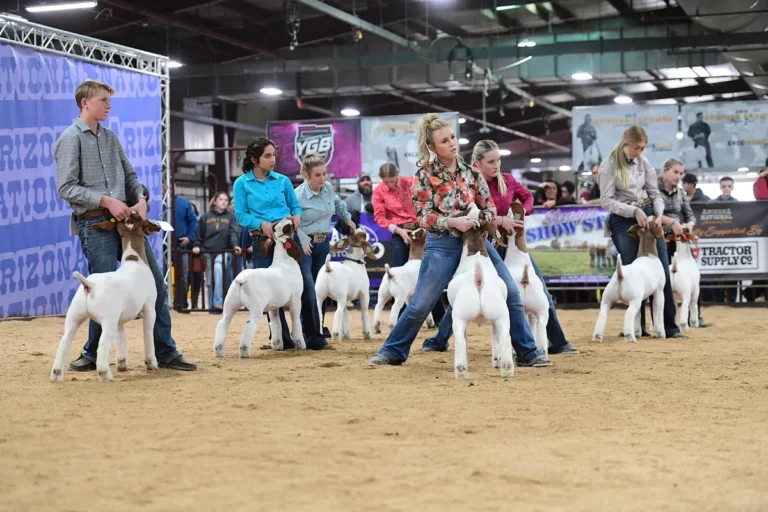
The Coffey County Fair is the annual meeting point for a Kansas county that spreads across 654 square miles but counts just 8,360 residents. Anchored by Burlington, the county seat, it pulls farm families, 4-H members, church groups, and town folks into the same set of barns and exhibit halls for a stretch of summer days. Livestock shows, static exhibits, and a grandstand schedule set the rhythm, but ask anyone what they remember and the answer usually starts with something they ate.
That is the angle of this guide. A county fair of this size is a food event as much as an agricultural one: trailers and fryers on the midway, a concession stand staffed by a civic group, a pie table, a barbecue line that forms before the gates even feel busy. Bring an appetite, carry small bills, and plan your day around eating as much as around the show ring.
From an 1855 Prairie County to Today’s Fairgrounds
Coffey County was founded on August 25, 1855, and named for A.M. Coffey. Burlington became the county seat, and the county’s fair tradition grew out of the same impulse that built granges, creameries, and one-room schoolhouses across the prairie: a yearly excuse to compare crops, swap stock, and feed a crowd.
In the late 1800s and early 1900s, county fairs across Kansas served as the proving ground for purebred cattle, new corn varieties, and the domestic arts. Preserves, breads, quilts, and pies were judged on long tables, premiums were handed out, and a dinner on the grounds mattered as much as any ribbon. Coffey County’s fair followed that mold closely.
Through the mid-20th century the fair became a fixed point on the summer calendar in Burlington and the surrounding townships. 4-H clubs and FFA chapters took over much of the exhibition schedule, and food booths passed from one generation of volunteers to the next. The county’s land area has not changed since those early days, and its population has settled at 8,360 — small enough that the same families still turn up year after year.
For another look at how a community turns its own traditions into a gathering, see the Cloud County Kansas Cloud County Fair Festival for a useful comparison.
In recent decades the fair has leaned into what it does best: a compact, walkable grounds with barns, an exhibit hall, a grandstand, and a midway, run largely by volunteers. The exact dates shift with the calendar, but the shape of the week — livestock, exhibits, evening entertainment, and food — has stayed remarkably steady.
On the Grounds: What You’ll Taste, Hear, and Do
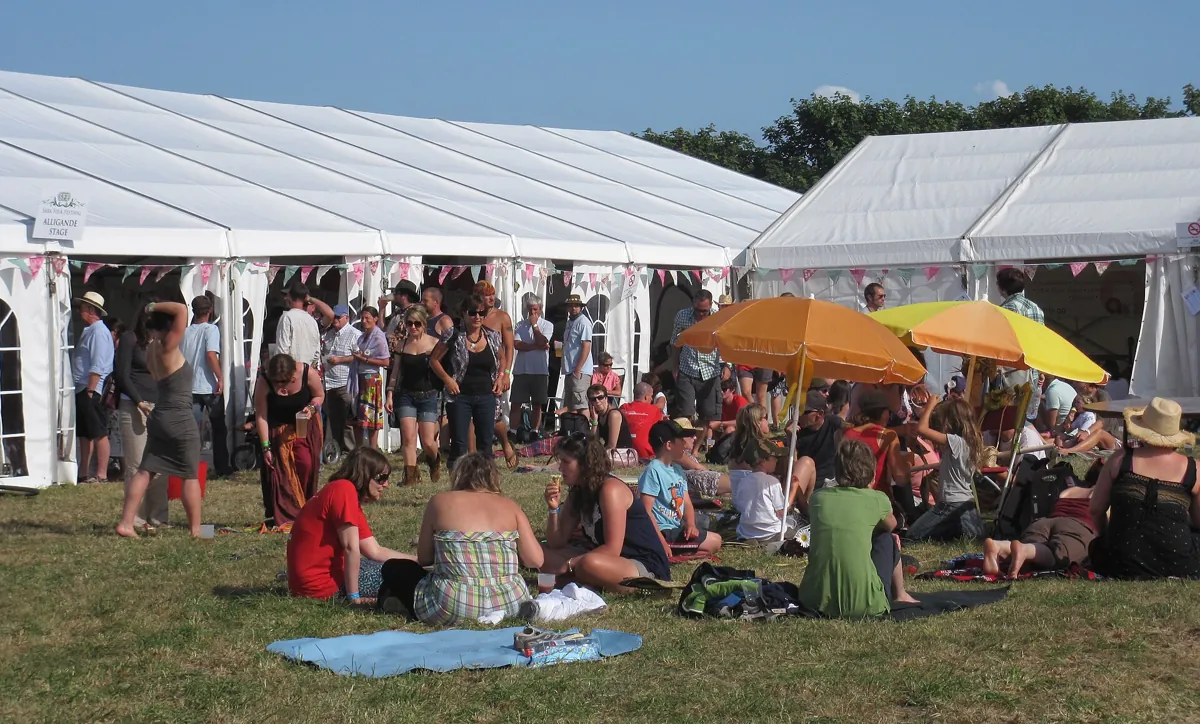
The fairgrounds are compact enough that you can park once and walk everything. Mornings belong to livestock and static exhibits, afternoons to kids’ activities and shade, evenings to the grandstand and the longest food lines. Come early if you want to beat the heat and the queues.
Fair Food, From Morning Coffee to Closing Time
Food is the through-line of the day. Expect the classic midway lineup — corn dogs, funnel cakes, walking tacos, loaded fries, lemonade shake-ups, snow cones — alongside stands run by local churches, clubs, and booster groups, where the menu tends toward barbecue, burgers, homemade pies, cinnamon rolls, and ice cream. Beef and pork raised in the county often show up on the grill, and sweet corn is at its best in fair season.
Two practical notes. First, many of these stands are fundraisers, so your lunch money is doing double duty. Second, eat in waves: a mid-morning pastry, a proper lunch, an afternoon cold drink, and a late dinner after the grandstand lets you sample more without overcommitting to one line.
Grandstand Nights, Live Music, and Evening Entertainment
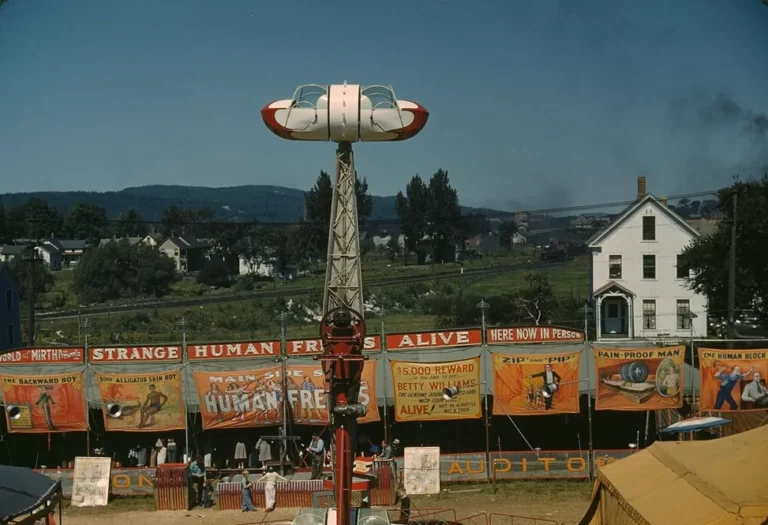
Evenings are when the grounds fill up. Grandstand programming in most years mixes motor sports, livestock auctions and sales, and live music, with local and regional acts on smaller stages around the grounds. Talent shows and community performances give the fair its small-town texture — you are likely watching a neighbor’s kid or a cousin’s band. Arrive before the start time if you want a seat rather than a standing spot near the rail.
Family Activities, Livestock Barns, and the Exhibit Hall
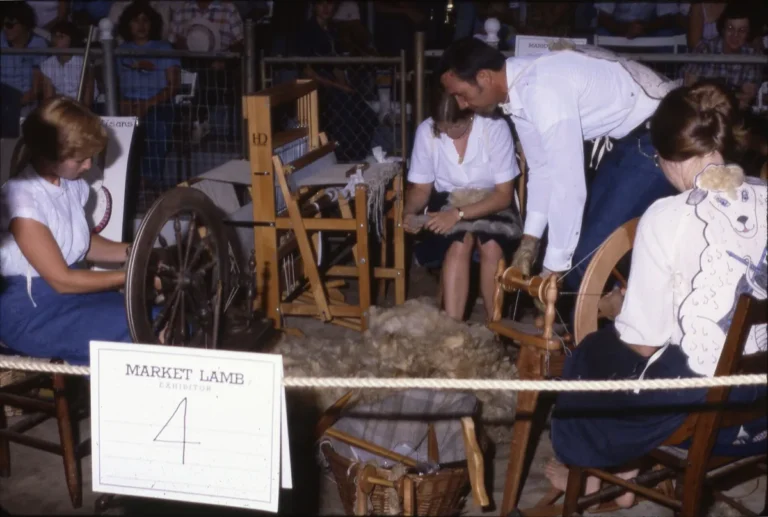
Families can build a full afternoon without spending much. The livestock barns are open to walk through, and exhibitors are usually happy to talk about their animals. The exhibit hall holds 4-H projects and open class entries — photography, produce, flowers, canned goods, baked goods, and handwork — and it doubles as the coolest, quietest spot on the grounds during the hottest part of the day. Add carnival rides, games, pedal pulls, and tractor displays, and there is enough to keep kids moving until the lights come on.
Planning a Trip to the Coffey County Fair
Getting to Burlington and the Fairgrounds
Almost everyone arrives by car. Burlington sits in Coffey County, and the fairgrounds are close enough to town that a short drive gets you there from any direction. Fuel up and pick up supplies before you get close — a county of 8,360 people keeps its errands simple, and the last stretch of road into the grounds can slow to a crawl at peak arrival times.
Where to Stay Around Coffey County
Lodging is limited, so plan ahead. A small number of motel and guest-house rooms serve Burlington, and many fairgoers stay with family or friends in the area. Campers and RV owners often make the fair part of a longer summer trip, and larger hotel inventories are an easy drive away in nearby regional hubs. If you are coming from out of state, book early rather than assuming a room will be open the week of the fair.
Parking at the Fairgrounds
Parking is generally free and informal, spread across grass and gravel lots around the grounds. Come early for the closest spots, especially on grandstand nights. Expect to walk a few minutes from your car to the gate, and wear shoes you do not mind getting dusty.
Admission, Tickets, and What Things Cost
Admission to the fairgrounds is typically free, with costs concentrated in carnival rides, grandstand events, and food. Bring cash and small bills; card readers are increasingly common at food stands, but a county fair still runs on cash in a lot of places. Set a budget for the kids, then let them choose between rides and one more round of fair food.
Kansas Summer Weather and How to Handle It
Expect heat. Afternoon temperatures in southeast Kansas in fair season routinely push into the nineties, with humidity that makes the shade of a barn feel like a gift. Bring water bottles, hats, and sunscreen, and plan your livestock barn and exhibit hall visits for midday. Evening thunderstorms are a real possibility, and a quick downpour can leave the lots and walkways muddy, so a pair of shoes with grip is worth packing.
A Sample Fair Weekend in Coffey County
Friday evening: arrive an hour before the grandstand, walk the midway first while lines are short, grab a corn dog and a lemonade, then settle in for the evening program. Finish with pie from a church stand before the grounds thin out.
Saturday morning: come back early for the livestock shows and the exhibit hall. This is the best window for talking with exhibitors and seeing the projects that earned ribbons. Lunch from a booster stand, then retreat to the shade or your car during the hottest hours.
Saturday evening: return for the busiest night of the fair. Ride the carnival early, eat dinner late, and stay for live music or the main grandstand event. Sunday: a slower, shorter visit — coffee, a walk through the barns, one last funnel cake, and a drive through Burlington before heading home.
How the Coffey County Fair Compares Nearby
Against other southeast Kansas county fairs, Coffey County’s stands out for scale and pace. It is a walkable, single-grounds fair where you can see the whole thing in an afternoon, rather than a sprawling multi-venue event that requires a map and a shuttle.
Compared with Burlington’s own downtown gatherings — parades, holiday events, school activities — the fair is bigger, longer, and more agricultural. It is where the county’s rural and town populations actually mix for several days running.
And against large regional fairs, the appeal here is the opposite of spectacle: shorter lines, lower costs, and food made by people who live within a few miles of the grill they are standing behind.
Coffey County Fair Checklist: What to Pack and Prep
Before you go: check the current year’s schedule, confirm grandstand event times, and decide whether you are staying overnight or driving in. Pack water bottles, sunscreen, hats, and a light rain layer. Bring cash in small bills for food and games, plus a tote for anything you buy from vendors or exhibitors.
Wear closed-toe shoes you can walk in and do not mind getting dusty or muddy. Charge your phone and bring a battery pack if you plan to take photos all evening. If you are traveling with kids, agree on a meeting point near the exhibit hall in case you get separated in the crowd.
Beyond the Fairgrounds: Burlington and the Rest of Coffey County
Build an extra half-day around the fair and Coffey County rewards you. Burlington’s downtown blocks are worth a slow walk, with local restaurants and shops that fill up fast during fair week. The surrounding countryside is the real attraction: 654 square miles of cropland, pasture, creek bottoms, and small communities connected by straight gravel roads.
Drive a loop out of town in the late afternoon light and you will understand why the fair looks the way it does. This is a working agricultural county, and the exhibits, the food, and the livestock in the barns all come from land you can see from the road.
Why the Fair Still Matters to 8,360 Neighbors
In a county with 8,360 residents, the fair is one of the few events that gathers nearly every part of the community in one place. It is a reunion, a fundraiser, a showcase, and a market all at once. Money spent at food stands goes back into churches, clubs, and youth programs. Ribbons earned by 4-H members become confidence that lasts longer than the week.
The food matters here for the same reason. Handing someone a plate is how a small county does hospitality, and the fair is the one week each summer when that hospitality is available to anyone who shows up.
Where the Coffey County Fair Sits in Coffey County
The fair takes place on the fairgrounds serving Burlington, the county seat of Coffey County in southeast Kansas.
Four Things Visitors Ask About the Coffey County Fair
Is there an admission fee to get in?
Admission to the fairgrounds is typically free. Your spending will be concentrated on food, carnival rides, games, and any ticketed grandstand events, so budget accordingly rather than expecting a gate charge.
What kind of food will I actually find?
Classic fair fare plus a strong local layer: corn dogs, funnel cakes, fries, and lemonade shake-ups on the midway, and barbecue, burgers, pies, cinnamon rolls, and ice cream at stands run by area churches and civic groups. Many of those stands are fundraisers, which is part of the appeal.
Is the fair a good fit for young kids?
Yes. The grounds are compact and easy to walk, the livestock barns and exhibit hall are free to browse, and carnival rides, games, and kid-oriented activities fill the afternoons. Go early in the day when it is cooler and the crowds are thinner.
How do I find the schedule for a given year?
Check the fair’s current listings and local Coffey County announcements closer to summer, since dates and grandstand lineups shift from year to year. Confirm event times before you drive in, especially if a specific grandstand night is your main reason for visiting.
The Coffey County Fair’s Next Chapter
County fairs survive on volunteers, and Coffey County’s is no exception. The path forward looks a lot like the past: keep the grounds walkable, keep the food local, keep the barns full, and give each new generation of 4-H and FFA members a reason to enter something. Expect the fair to keep adapting its entertainment while holding on to the traditions that fill the stands.
For travelers, that means an event that stays affordable, approachable, and genuinely rooted in place. Come for the grandstand, stay for the pie.
Last updated: October 2026
If you plan a summer trip through southeast Kansas, put the Coffey County Fair on the calendar and treat it like what it is: a few days when Burlington and the surrounding townships set one long table. Arrive hungry, walk the barns, talk to the people behind the counters, and leave with a full stomach and a better sense of what 654 square miles of Kansas looks like when it gathers in one place.