Boyd County Kentucky Boyd County Fair Festival
Late summer settles over Boyd County slowly. The heat holds well past suppertime, the evenings stretch, and somewhere between the last ballgames of the season and the first hint of autumn, the Boyd County Fair takes its familiar place on the calendar. In a county of 48,261 people spread across 162 square miles, it is one of the few occasions when farm families, town families, teenagers, and grandparents all end up in the same place at the same time.
The setting does half the work. Boyd County sits in northeastern Kentucky, with Catlettsburg serving as the county seat since the county was founded in 1860. The fairgrounds belong to that same landscape of river bottom, pasture, and wooded ridge — close enough to town for an easy weeknight trip, open enough overhead that the midway lights show up against a wide sky.
Boyd County Fair Essentials: Numbers, Norms, and Setting
| Town / area | Boyd County area, Kentucky |
| County | Boyd County |
| County seat | Catlettsburg |
| Population | 48,261 (2020 census) |
| County size and founding | 162 square miles; founded 1860 |
| Region | Northeastern Kentucky |
| Typical timing | Late summer, usually a run of days during fair season |
| Admission | Typically free, with rides and some events priced separately |
| Setting | Fairground with barns, exhibit space, midway, and open-air seating |
| Organizer | Local fair board and community volunteers |
What the Boyd County Fair Actually Is
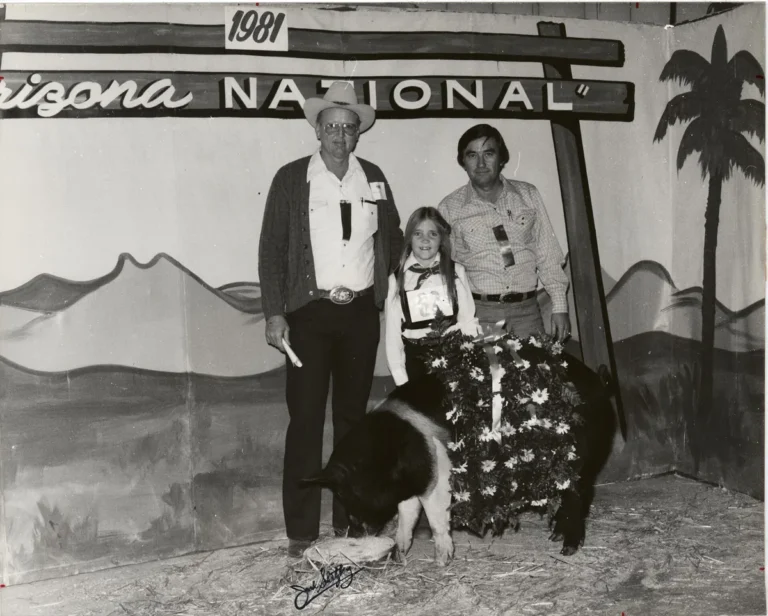
Strip away the marketing language and a county fair is a working calendar entry. The Boyd County Fair follows that older model: livestock in the barns, judged exhibits in the halls, a midway turning in the background, and a schedule that shifts from morning weigh-ins to evening entertainment. Youth exhibitors show animals they have raised and groomed for months. Adults enter canned goods, baked items, quilts, flowers, and photographs. Ribbons matter more than most first-time visitors expect, and the families who compete take the results seriously.
What makes it distinctly Boyd County is the mix of people it pulls together. This is not a tourist fair built around a single headline act. It is a county fair in the older sense — a place where neighbors compare notes on the season, where kids run the same route between the barn and the ride line that their parents once ran, and where the food is as much a tradition as anything on the schedule. Visitors from outside the county are welcome, and they tend to leave with a clearer picture of what this part of Kentucky actually looks like.
A Fair Shaped by a County Founded in 1860
Boyd County was organized in 1860, and Catlettsburg became its seat — a river town positioned where the movement of goods and people kept the local economy in motion. Agriculture anchored the surrounding countryside: corn, hay, tobacco, cattle, and the kind of diversified family farming that once defined northeastern Kentucky. County fairs grew out of exactly that world. They were practical gatherings first, places to compare livestock, swap seed and breeding stock, and settle friendly arguments about who raised the better animal.
For another look at how a community turns its own traditions into a gathering, see the Bourbon County Kentucky Bourbon County Fair Festival for a useful comparison.
Across Kentucky, these fairs expanded through the late nineteenth and early twentieth centuries into something broader. Exhibit halls added domestic arts and schoolwork. Midways arrived with rides and games. Grandstands gave crowds a place to sit for music, races, and demonstrations. Boyd County’s fair belongs to that same tradition, evolving alongside the county rather than apart from it.
The twentieth century reshaped the local economy, and the fair changed with it. Farming families grew fewer but no less central to the event, and the fairground became a shared civic space where the county’s towns and rural precincts met on equal footing. That balance still holds today: a modern evening out built on a very old idea.
Inside a Fair Day in Boyd County
A fair day has its own arc. Mornings belong to exhibitors and judges, afternoons fill in with families and casual visitors, and evenings carry the largest crowds once the lights come on.
Fair Food Along the Boyd County Midway
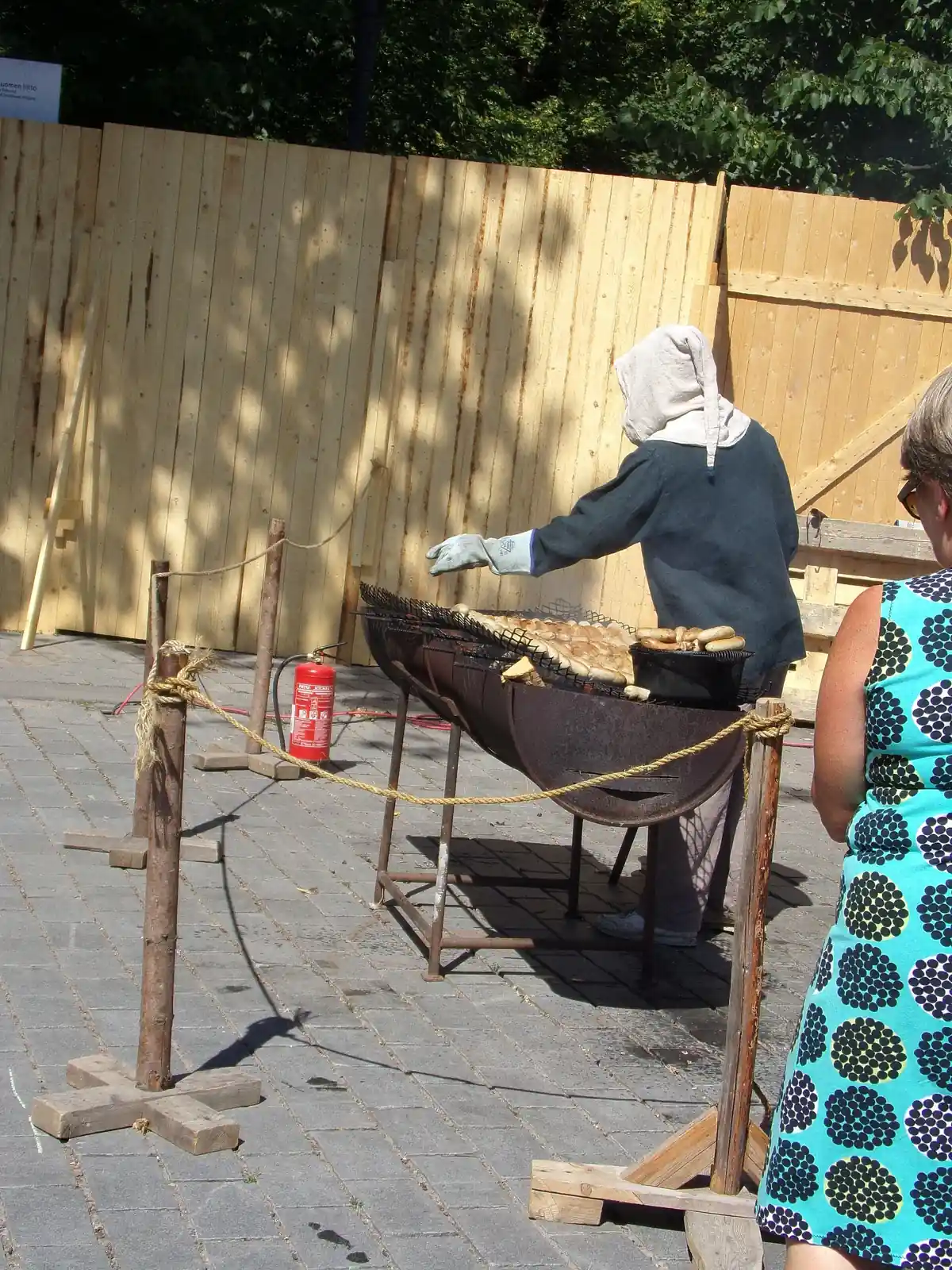
Food is the thread that runs through the entire day. Expect the classics done properly: funnel cakes, corn dogs, hand-cut fries, lemonade shaken to order, cotton candy, and the local church and civic booths that show up with sandwiches, soups, and pie. Portions run large, lines move fastest before the dinner rush, and cash still smooths things along at smaller stands. If you have a sweet tooth, eat dessert first — the busiest booths sell out of the good stuff before the evening is over.
Music and Evening Entertainment in the Grandstand
Evenings bring the entertainment schedule into focus. Live music — country, gospel, bluegrass, and local rock — is a fair staple, often paired with grandstand events that draw a standing crowd. Arrive early if you want a seat rather than a spot on the grass, and bring a blanket or a folding chair for the lawn. The sound carries across the grounds, so you can hear the show from the midway while you decide whether to wander over.
Family Activities, Barns, and Kid-Friendly Corners
Families tend to build their day around the barns first. Watching goats, rabbits, poultry, and cattle being groomed and shown is free entertainment with a built-in lesson, and exhibitors are usually happy to answer questions. Rides and games anchor the midway, while exhibit halls give younger kids something quieter to do when the noise gets to be too much. Strollers handle the grounds well, but wear closed shoes — the paths are dirt and gravel.
Planning a Trip into the Boyd County Area
Boyd County is compact enough that the fair fits easily into an afternoon or an overnight stay. A little planning goes a long way.
Getting There from Catlettsburg, Ashland, and Beyond
The fairground sits within the Boyd County area, a short drive from Catlettsburg and the surrounding communities. If you are coming from elsewhere in northeastern Kentucky, plan on a straightforward county-road trip with a final approach that slows down considerably near the gates. Allow extra time during the evening peak, and keep an eye out for pedestrians crossing between parking areas and the entrance.
Where to Stay Around Boyd County
Lodging in the county and its immediate neighbors covers the usual range — chain hotels, independent motels, and a handful of bed-and-breakfast options within a reasonable drive of the grounds. Fair week is a busy stretch, so book early if you plan to stay overnight. Campers and RV travelers should confirm hookup availability and any length limits in advance rather than arriving and hoping.
Parking and Gate Logistics
Parking is typically on-site or in adjacent fields, with volunteers directing traffic. Lots fill fastest in the hour before evening events. Have a meeting point in mind if your group splits up, and note that field parking can be uneven after rain. Gates generally stay busy right at opening and again mid-evening, so arriving slightly off-peak often saves real time.
Admission, Costs, and What to Bring
Admission to the fair is typically free, with spending concentrated on rides, food, games, and certain grandstand events. Bring cash for smaller vendors and tip jars, even if larger stands take cards. Set a rough budget for kids before you walk in — the midway is designed to separate families from their money one ticket at a time.
Late Summer Weather and What to Wear
Late summer in Boyd County means heat, humidity, and the occasional fast-moving storm. Dress light, wear comfortable shoes, and bring sunscreen, a hat, and a refillable water bottle. An afternoon shower usually clears quickly, but a light rain jacket beats an umbrella in a crowd. Evenings cool off enough that a layer in the car is worth having.
A Sample Fair Weekend in Boyd County
Start with a late morning arrival, when the grounds are still quiet and the barns are active. Walk the livestock aisles while exhibitors are grooming, then move through the exhibit halls before the crowds build. Grab lunch from a civic booth, and spend the hottest part of the afternoon under shade or inside a hall.
Late afternoon is the right time for rides and games, before the lines stretch. Eat dinner early — the midway food is better and faster before the evening rush. Then settle in for the entertainment, whether that is live music, a grandstand event, or simply a slow loop past the booths with a lemonade in hand. If you are staying the weekend, use the second day for the things you missed: a second pass through the barns, a closer look at the judged entries, and one last order of fries before the drive home.
Boyd County Fair Compared with Nearby Festival Towns
Fairs in this corner of Kentucky share DNA but differ in flavor. Neighboring Greenup County to the west runs its own fair tradition with a similar agricultural core and a comparable late-summer slot, though the grounds and schedule have their own character. Lawrence County to the south leans a little more rural, with smaller crowds and a shorter walk between the barns and the midway.
Closer to home, the cities of Catlettsburg and Ashland host their own community events through the year — riverfront gatherings, seasonal celebrations, and downtown activities that draw a different kind of crowd. The Boyd County Fair sits between those two worlds: bigger than a street festival, smaller and more personal than a regional expo, and firmly tied to the agricultural calendar that shaped the county.
Fair Day Checklist for Boyd County Visitors
Before you leave the house, confirm the day’s schedule and gate times, since fair programming shifts year to year. Pack sunscreen, a hat, water, and a light rain layer. Bring cash in small bills, a charged phone, and a tote for anything you buy in the exhibit halls. Wear closed shoes you do not mind getting dusty, and leave the umbrella at home in favor of a hooded jacket. If you are meeting people, agree on a landmark near the main entrance rather than relying on cell service in a crowd.
Beyond the Fairgrounds: Boyd County the Rest of the Year
The county rewards a slower look. Catlettsburg, the county seat, has the compact, walkable feel of a river town that has been at this for a long time, with historic buildings and quiet streets worth an hour of wandering. Ashland and the surrounding communities offer parks, local restaurants, and small businesses that rarely make a tourism list but do the everyday work of feeding and entertaining a region.
The landscape itself is the main attraction outside fair week. Boyd County’s 162 square miles include wooded ridges, creek bottoms, and open farmland that change character with the season. Late summer is lush and green; autumn turns the ridges; spring brings the county back to life. Visitors who come for the fair often find a reason to return in a quieter month, when the roads are empty and the pace drops.
The Fair’s Place in Boyd County Life
For a county with 48,261 residents and a seat in Catlettsburg, the fair functions as more than an event. It is a meeting point between generations and between the county’s towns and its countryside. Volunteers staff the gates, judge the entries, run the booths, and clean up afterward. Local businesses sponsor classes and events. Kids who showed a goat one year come back a decade later to watch their own children do the same.
That continuity matters in a place where traditions can quietly disappear. As long as the barns fill and the midway lights come on in late summer, Boyd County keeps a piece of its identity intact — not frozen, but handed forward.
Where the Boyd County Fair Gathers
The fair takes place within the Boyd County area in northeastern Kentucky, a short drive from Catlettsburg, the county seat.
Boyd County Fair Questions, Answered
When does the Boyd County Fair usually take place?
It is a late-summer fair, generally falling in the stretch of weeks when county fairs across Kentucky hold their runs. The exact days shift from year to year, so check local listings and the fair’s own announcements closer to the season rather than planning around a fixed weekend.
Is there an admission fee to get in?
Admission is typically free, which makes the fair an easy outing for families on a budget. Costs generally come from the extras: ride tickets, midway games, food, and certain grandstand events. Bring cash for smaller vendors, and set expectations with kids before you reach the ticket booth.
Is the fair a good fit for young children and older visitors?
Yes. The grounds are flat and walkable, the barns and exhibit halls offer a calmer pace than the midway, and there is usually seating near the entertainment areas. Families with strollers manage fine on the main paths. Older visitors may prefer arriving in the late afternoon, when the heat eases and shade is easier to find.
How far is the fair from Catlettsburg and the rest of Boyd County?
The fairground sits within the Boyd County area, a short drive from Catlettsburg and the county’s other communities. Traffic slows near the gates during the evening peak, so allow a little extra time if you are heading over after work or arriving for a headline event.
The Road Ahead for the Boyd County Fair
County fairs everywhere are navigating the same questions: how to keep agricultural traditions relevant to families who no longer farm, how to draw younger crowds without losing the older character, and how to fund barns, grounds, and entertainment in an era of rising costs. Boyd County’s fair has the advantage of a genuinely local base — people who show up because it is their fair, not because it is on a tourism itinerary.
The likely path forward is incremental: stronger youth programs, a broader entertainment lineup, better use of the grounds outside fair week, and continued volunteer energy from the communities around Catlettsburg and the rest of the county. Whatever changes come, the late-summer rhythm is likely to hold.
Last updated: October 2026
If you find yourself in northeastern Kentucky as the season turns, give the Boyd County Fair an evening. Walk the barns, eat something fried, watch the lights come up over the midway, and you will understand why this county of 48,261 keeps setting aside the same week every year.



One Comment