Wabash County Indiana Hispanic Heritage Festival
Planning a trip to the Wabash County Hispanic Heritage Festival is less about buying tickets than about timing, parking, and knowing how a small Indiana county moves on a festival weekend. Wabash County sits in northern central Indiana, anchored by the county seat of Wabash, with roughly 30,976 residents spread across 420.98 square miles of farmland, small towns, and river valley.
Heritage festivals at this scale are community events: free to enter, built around food stalls and live music, and organized by neighbors rather than production companies. That is exactly what makes them worth planning for. What follows covers what the festival is, what a day on the grounds feels like, and the logistics that decide whether your visit feels relaxed or rushed.
Planning Snapshot for the Wabash County Hispanic Heritage Festival
| Town / area | Wabash County area, Indiana |
| County | Wabash County, Indiana |
| County seat | Wabash |
| County population | 30,976 |
| Region | Northern central Indiana |
| Typical timing | A weekend in the September–October window that includes Hispanic Heritage Month |
| Admission | Free general admission; food and craft vendors set their own prices |
| Setting | A county seat surrounded by farmland and smaller communities |
| Signature features | Food vendors, live music and dance, family activities, cultural displays |
| Organizer | Local volunteers and community and cultural organizations from across the county |
What the Wabash County Hispanic Heritage Festival Actually Is
At its core, this is a community celebration of Hispanic and Latino culture staged in the Wabash County area, with the county seat of Wabash serving as the natural center of gravity. Expect a mix of food vendors, live performance, craft and information tables, and programming aimed squarely at families — the kind of event where you can arrive mid-afternoon, eat well, and still be home before dark.
Because the county is small, the festival pulls from a wide radius. Families come in from surrounding towns, from neighboring counties, and from the larger cities to the south and northeast. That mix is part of the appeal: it is a chance for the county’s Hispanic residents to see their culture reflected publicly, and for neighbors who have never watched a baile folklórico performance to sit in the front row.
Free admission shapes the whole experience. Vendors earn their money on food, drinks, and handmade goods rather than gate receipts, and the event stays accessible to large families, to students, and to anyone who simply wanders in from downtown.
For another look at how a community turns its own traditions into a gathering, see the Vigo County Indiana Vigo County Fair Festival for a useful comparison.
How Hispanic Heritage Took Root in Northern Central Indiana
Indiana’s Latino communities first grew in the early twentieth century around railroad yards, steel mills, and industrial cities, largely in the northwest part of the state. Over the following decades that presence spread outward. By the 1990s and 2000s, smaller manufacturing towns and agricultural counties across northern central Indiana were drawing workers into factories, food processing, and farm operations, and Hispanic families put down roots well beyond the big cities.
Those roots show up in ordinary ways long before they show up in a festival: a taqueria in a downtown storefront, a Spanish-language Mass, grocery shelves stocked with dried chiles and masa harina, quinceañera dresses in a shop window. Churches, small businesses, and school districts became the first gathering points.
A heritage festival is the next step in that arc. It takes what already happens in kitchens, parishes, and living rooms and puts it in public for a weekend. Wabash County’s version fits the county’s scale — no enormous stage production, but a genuine cross-section of the community, with second- and third-generation families working alongside newer arrivals.
The county’s identity has always run through the Wabash River, which gave both the county and its seat their names. Adding a Hispanic heritage celebration to that long local story is less a novelty than an update to it.
What a Festival Day in Wabash County Feels Like
A festival day here follows a familiar small-town rhythm: slow start, busy middle, warm and social evening. Plan around the food lines rather than against them.
Food: Tamales, Tacos, and Pan Dulce
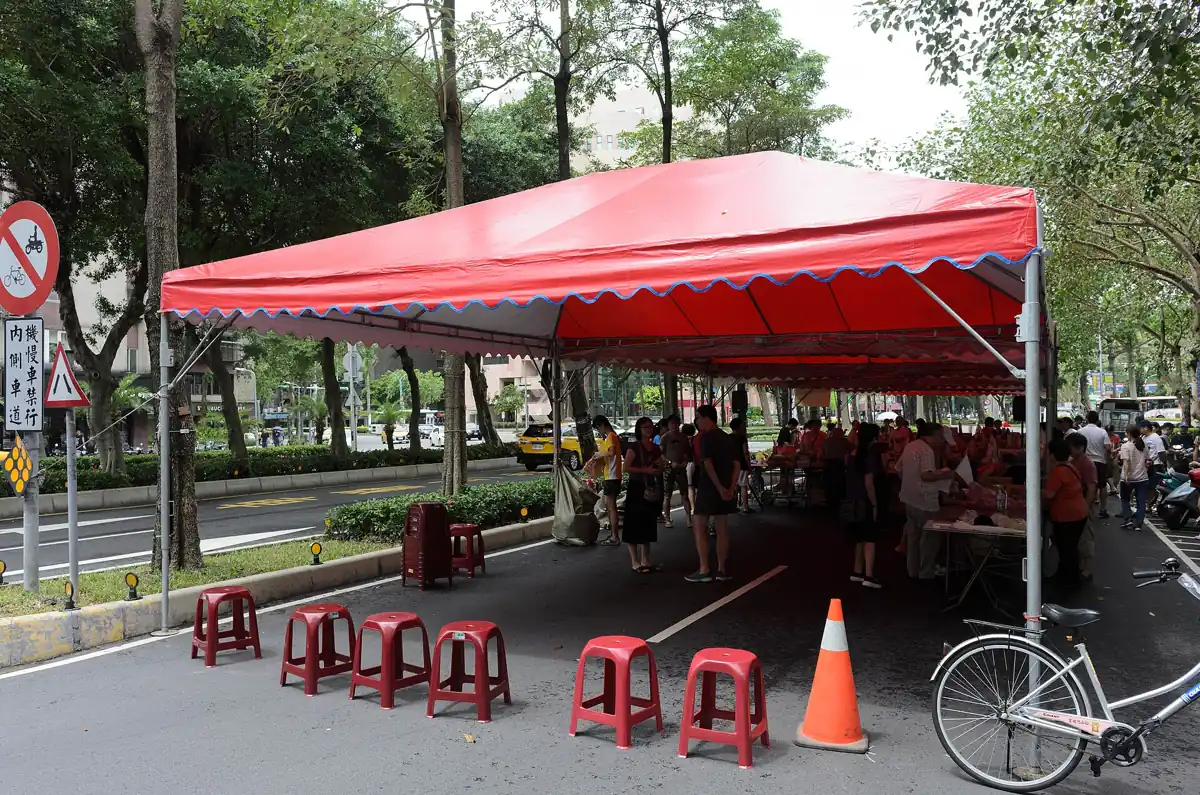
Food is the center of gravity. Expect the regional staples of northern Indiana’s Hispanic kitchens — tacos, tamales, tortas, elote, pupusas, churros, aguas frescas, and pan dulce — sold from tents and trailers by families who cook the same recipes at home. Portions are generous and prices are modest. Lines peak around midday and again in the early evening, so an early lunch or a late-afternoon plate saves you twenty minutes. Vegetarian choices exist but are thinner than at big-city festivals, so ask before you commit. Bring cash even if vendors take cards; small bills move faster.
Music and Entertainment: Mariachi, Cumbia, and Baile Folklórico
Live music carries across the grounds all afternoon. Depending on the year’s lineup, you may hear mariachi, norteño, banda, or cumbia from regional groups, with a DJ filling the gaps between sets. The dance performances are often the highlight: young dancers in ribboned skirts and embroidered shirts performing baile folklórico, sometimes followed by an open invitation for the crowd to join in. Sound travels, so a folding lawn chair set up a comfortable distance from the speakers gives you both the music and the ability to talk.
Family Activities That Keep Kids Moving
This is a genuinely family-oriented event rather than an adults-only street party. Expect piñatas, craft tables, face painting, pick-up soccer, and bilingual activities for younger children. The grounds are stroller-friendly and open enough that kids can burn energy without constant supervision. Shade is limited in the middle of the day, so claim a spot near a tent early if you have a baby or an older relative with you.
Wabash County Logistics: Arrival, Lodging, Parking, and Costs
The county is compact, but it is rural. A little planning on the front end removes almost every friction point.
Getting There on US 24 and State Road 15
Wabash County is served by US 24 running east–west and State Road 15 running north–south, with the county seat of Wabash as the main crossroads. From the south, drivers typically come up through Peru and Miami County; from the northeast, through Huntington and on toward Fort Wayne. Traffic is never heavy by city standards, but two-lane stretches and farm equipment can slow things down. Build in extra time if you are arriving close to a headline performance.
Where to Stay in and Around Wabash County
Lodging in the county is limited, so book early if the festival falls on a busy autumn weekend. Options cluster around the county seat, with more chain hotels a short drive away in Peru, Huntington, and Fort Wayne. Rental cabins and campsites at area reservoirs such as Salamonie give you a lake-and-campground alternative, and a handful of short-term rentals sit in the surrounding townships. Staying outside the county and driving in is completely workable — most regional hotels are within an easy half-hour to an hour of the festival area.
Parking Without the Circling
Parking near a small-town festival is a matter of arriving early and being willing to walk four blocks. Downtown street spaces and municipal lots fill first; side streets and church or business lots fill next. Do not park on grass, in private driveways, or anywhere that blocks a farm lane. Rideshare coverage in rural northern central Indiana is thin, so carpooling with your group is the most reliable strategy — one car, one spot, everyone leaves together.
Admission, Food Budget, and Cash
General admission is free, which means your spending is entirely optional and entirely up to your appetite. Budget for food, drinks, sweets, and a craft or two per person; families often spend less than they expect because there is no gate fee. Carry cash in small denominations, keep a card as backup, and treat any ATM as a convenience rather than a plan — rural machines run out on busy days.
Weather in Northern Central Indiana
Early autumn in this part of Indiana swings hard between afternoon warmth and cool evenings. Dress in layers, bring a light jacket for after sunset, and pack a compact rain shell — a passing shower is always possible. Comfortable shoes matter more than anything else, since you will likely park several blocks away and stand in food lines. Sunscreen is worth having on a clear afternoon when shade is scarce.
A Sample Festival Weekend in the Wabash County Area
Friday evening: arrive in the county seat, check in, and eat dinner downtown. Walk the blocks around the festival area so you know where you will park in the morning. This twenty-minute reconnaissance saves real time the next day.
Saturday: park by late morning, start with food before the lunch rush, then settle in for the afternoon performances. Catch the dance groups early, since they often perform before the evening headliners. Take a mid-afternoon break in the shade or back at your lodging, then return for the dinner service and the final music sets.
Sunday: sleep in, then use the day for the county itself — a drive along the river corridor, breakfast at a local diner, and a slow loop through the small towns before heading home. Leaving on Sunday afternoon rather than late Saturday night makes the whole weekend feel less like a sprint.
How the Wabash County Festival Compares With Nearby Towns
North Manchester, Wabash County’s other sizable community, offers a college-town feel with its own calendar of arts and seasonal events — smaller and quieter, but a pleasant half-hour add-on if you are staying the weekend. Peru, in neighboring Miami County, is a slightly larger river town with a fuller slate of downtown happenings and more hotel rooms. Huntington, to the northeast, blends a historic main street with riverside parks and easy access to Salamonie Lake. Fort Wayne, roughly an hour away, is where you go for big-city multicultural festivals, museum programming, and a much deeper restaurant scene. Wabash County’s festival sits in the middle of that range: more intimate than Fort Wayne, more rooted than a generic street fair, and best paired with one of the other towns rather than compared against them.
The Practical Checklist for a Wabash County Festival Trip
| Check | Why it helps |
| Confirm the weekend with local listings | Timing shifts year to year within the autumn window |
| Book lodging well ahead | County inventory is small on fall weekends |
| Arrive before midday | Better parking and shorter food lines |
| Carry cash in small bills | Vendor tents move faster with exact change |
| Pack layers and a rain shell | Afternoons warm, evenings cool, showers possible |
| Bring folding chairs or a blanket | Seating is limited near the performance area |
| Wear comfortable walking shoes | You will likely park several blocks out |
| Fill the tank before you arrive | Gas stops thin out on rural county roads |
Beyond the Festival: What Else Wabash County Offers
Wabash County is 420.98 square miles of mostly farmland, and its pleasures are the slow kind. The county seat of Wabash has a compact downtown worth an hour of wandering — storefronts, local restaurants, and the river running through the middle of it. Drive the county roads and you pass barns, fields, and small communities where the pace drops immediately. Salamonie Lake and the surrounding reservoir land offer fishing, boating, and trail walking for anyone who wants to stretch the trip into a full weekend. Birding, cycling on quiet rural routes, and simple scenic drives along the Wabash River corridor round out the options. If you are coming from Indianapolis or Fort Wayne, the drive itself is part of the appeal.
What the Festival Signals for a County of 30,976
In a county of 30,976 people, a heritage festival is not a side attraction — it is a statement. It says that the Hispanic families who came for factory shifts, farm work, and food processing are not temporary guests but permanent neighbors with a culture worth celebrating in public. That matters for children who see their grandparents’ language and music on a stage in their own county, and it matters for older residents who may never have had a reason to try a pupusa before. Festivals like this one also do quiet economic work, putting money into the pockets of local vendors and giving small towns a reason to be visited. The value is social as much as it is cultural: it is one of the few weekends a year when the whole county is in the same place at the same time.
Where in Northern Central Indiana the Festival Happens
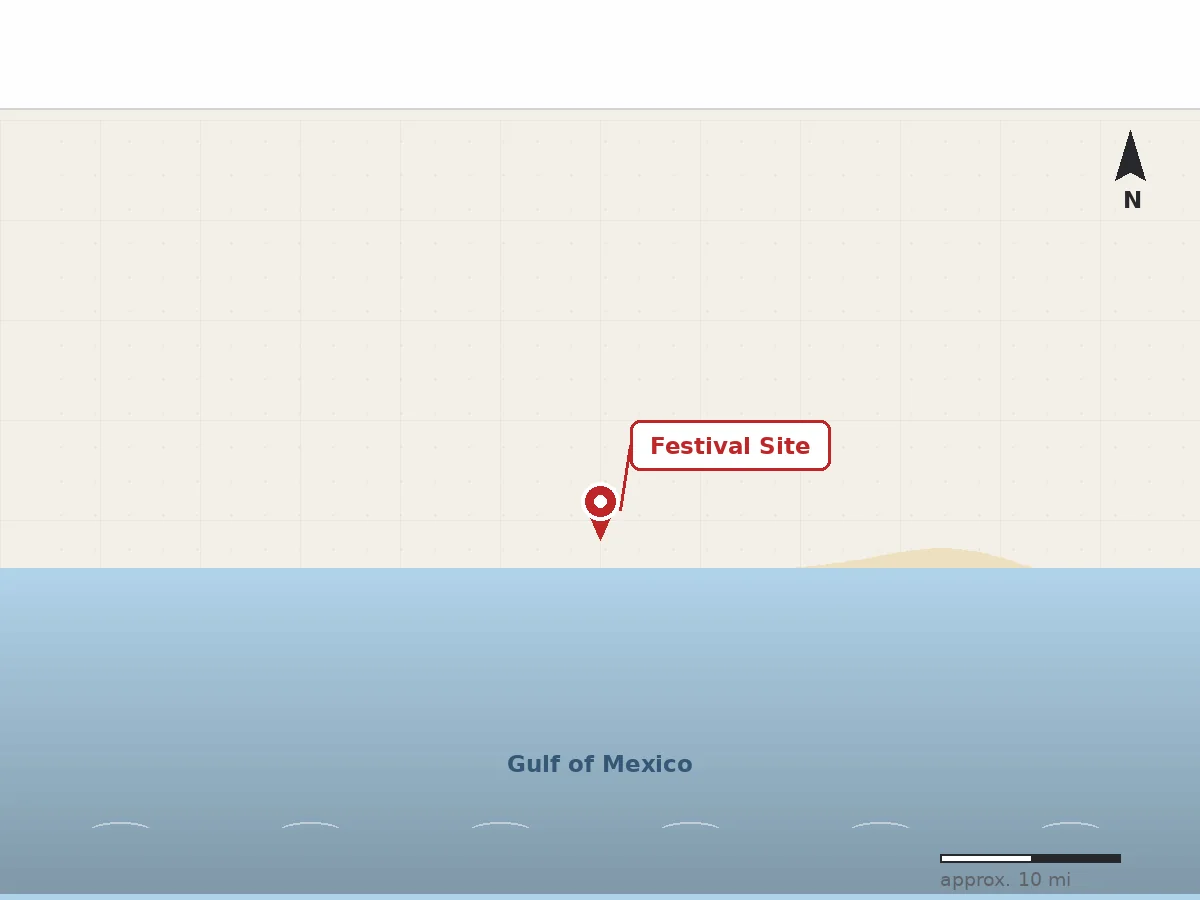
The festival takes place in the Wabash County area of northern central Indiana, centered on the county seat of Wabash along the US 24 and State Road 15 corridors.
Key Answers About the Wabash County Hispanic Heritage Festival
Is there an admission charge?
No. General admission is free, and that is central to how the event works. Your only costs are whatever you choose to spend on food, drinks, and crafts from vendors, who set their own prices. Bring cash in small bills for speed, and a card as backup.
Do I need to speak Spanish to enjoy it?
Not at all. The festival is built for a mixed crowd, with vendors, volunteers, and performers who regularly work in both languages. Menus are usually posted in English and Spanish, and the performances — music, dance, and food — carry across any language barrier without help.
How do I confirm the exact weekend each year?
Timing varies within the September–October window, so check local community listings, county media, and neighborhood social pages in the weeks before autumn events begin. Once the date is announced, book lodging immediately — hotel inventory in and around Wabash County is small, and fall weekends fill quickly.
Is it suitable for young children and older visitors?
Yes. The event is family-first, with activities aimed at kids and a relaxed, walkable layout. Strollers manage fine. The main considerations for older visitors are distance from parking and limited shade, so arrive early, park as close as you reasonably can, and bring a folding chair.
What’s Next for the Wabash County Hispanic Heritage Festival
The likely trajectory for a festival like this is steady growth rather than sudden expansion: more food vendors, a fuller performance schedule, stronger bilingual signage, and expanded youth programming as the county’s Hispanic community continues to put down deeper roots. Growth will be shaped by the county’s scale — there is no room for a stadium-sized event here, and that is a feature, not a limitation. Expect the emphasis to stay on food, family, and live performance, with organizers balancing bigger crowds against the small-town feel that makes the weekend work. For visitors, the practical advice is simple: book earlier each year, arrive earlier each day, and expect the parking to tighten before anything else does.
Last updated: October 2026
The Wabash County Hispanic Heritage Festival rewards the traveler who plans for the small things: a cash-friendly wallet, a folding chair, comfortable shoes, and an early start. Get those right and the rest of the weekend takes care of itself — good food, live music, and a county of 30,976 people gathered in one place to celebrate a culture that is now part of the local fabric.
One Comment