Vanderburgh County Indiana Vanderburgh County Fair Festival
By ten in the morning the gravel lot beside the fairgrounds is already half full, and the Reimer family is negotiating. Denise wants the livestock barns first, while the air is still cool. Nora, who is eleven, wants the midway. Sam, who is seven, wants whatever is fried and served on a stick. Tom, who grew up two counties away and married into this routine, wants coffee and a patch of shade. They settle it the way families settle it at every county fair: barns first, rides after lunch, food throughout.
That loose rhythm — animals, then noise, then the slow walk back to the car — is the shape of a summer Saturday at the Vanderburgh County Fair. The fair is the county’s own, staged in the Vanderburgh County area on grounds that fill each year with trailers, folding chairs, show ribbons and the particular smell of a barn in July. For one household it is a day out. Multiply it across a county of 180,136 people and it becomes something closer to a civic ritual.
This is the story of one family’s fair day, with the practical details woven in along the way.
Vanderburgh County Fair: The Facts a Family Needs
| Town / area | The Vanderburgh County area, around Evansville |
| County | Vanderburgh County, Indiana |
| County seat | Evansville |
| Population | 180,136 |
| Region | Southwestern Indiana, Ohio River valley |
| Typical timing | Late July or early August in most years |
| Admission | Typically free; rides, food and some grandstand events cost extra |
| Setting | County fairgrounds with barns, exhibit halls, a midway and a grandstand |
| Signature features | Livestock shows, 4-H exhibits, carnival rides, grandstand entertainment, fair food |
| Organizer | Local volunteer fair board and the county’s agricultural community |
Where Evansville Meets Its Farm Country
The Vanderburgh County Fair is the county’s own late-summer gathering, usually held in late July or early August and built around fairgrounds that serve the Vanderburgh County area. Evansville is the county seat, and it sits at the middle of a county that covers 236.33 square miles and holds 180,136 residents. The fair is one of the few events that pulls from all of it — city neighborhoods, smaller towns, and the farm ground in between.
What you find there is a familiar American fair in a very specific place. Barns hold cattle, swine, sheep, goats and poultry. Exhibit halls fill with canned goods, quilts, vegetables, photography and school projects. A midway runs rides and games, the grandstand hosts evening entertainment, and food stands sell the kind of food nobody pretends is good for them.
For another look at how a community turns its own traditions into a gathering, see the Vanderburgh County Indiana Evansville Freedom Festival for a useful comparison.
Because Evansville anchors the county, the crowd is a mix you do not always see at a rural fair: families who keep a few acres, families who have never held a halter, and everyone in between. Admission is typically free, with rides, food and some grandstand events costing extra.
From an 1818 County Seat to a Fair That Keeps Coming Back
Vanderburgh County was organized on January 7, 1818, with Evansville as its county seat, and for most of the two centuries since, agriculture has stayed part of the county’s identity even as the city grew around it. County fairs spread across Indiana through the 1800s as farm families gathered to compare stock, swap seed and show off a season’s work, and Vanderburgh County’s version grew from that same impulse.
The fair’s shape has changed with the county. Livestock judging and grain displays once carried the schedule; today they share it with carnival rides, truck and tractor pulls, pageants and grandstand concerts. Youth agricultural programs such as 4-H became central to county fairs nationwide in the twentieth century, and they remain the backbone of the exhibit halls here — a place where a child’s first ribbon can matter as much as any headline act.
What has not changed is the calendar logic. The fair lands at the end of the growing season’s first push, when the work of summer is visible and the harvest is still ahead. Families plan reunions around it. Grandparents compare this year’s fair to the ones they remember. The fair keeps returning because the county keeps showing up.
What a Day at the Vanderburgh County Fairgrounds Feels Like
The grounds are compact enough to walk in a day and busy enough that you will not see all of it. Here is how the pieces usually break down.
Fair Food That Takes Two Hands
Food is the fair’s loudest attraction. Expect the standard lineup done well: corn dogs, tenderloin sandwiches, elephant ears, funnel cakes, lemon shake-ups, kettle corn, nachos and ice cream. Local church groups and community organizations often run their own stands, which is where the best value usually hides. Lines peak between noon and two, so the Reimers eat early or late and spend the rush on the midway instead. Bring cash for the small stands; card readers are more common than they used to be, but not universal.
Grandstand Nights and Local Stages
Evenings belong to the grandstand. In most years the schedule mixes live music, tractor and truck pulls, demolition events and pageants, with a different draw most nights. Smaller stages and wandering performers fill the gaps during the day. If a specific act is the reason you are coming, check the current year’s schedule before you drive out — lineups shift, and some grandstand events carry a separate ticket.
Things for Kids Who Cannot Sit Still
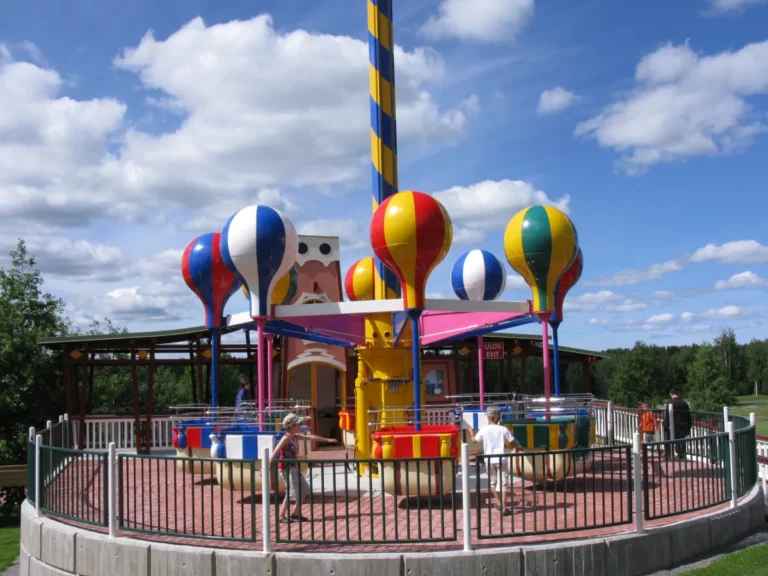
The midway is the obvious answer, but it is not the only one. Children can watch milking and grooming demonstrations, walk the poultry and rabbit barns, and look at projects in the exhibit halls. Livestock shows reward patience: sit through twenty minutes of judging and a kid usually gets to pet something. Many families set a ride budget before they arrive, hand it over in cash, and let the child decide how to spend it. It ends the negotiation before it starts.
One Family’s Saturday, Start to Finish
The Reimers arrive a little after nine, when the gates are open but the parking field is still easy. Coffee first, from a stand near the entrance. Then the barns, while the animals are still fresh and the aisles are passable. Nora finds a calf she decides is the best one on the grounds. Sam finds a rabbit and names it.
By eleven they are in the exhibit hall, moving slowly past quilts and canned peaches, because Denise enters something every year and wants to see how it fared. Lunch comes early, around half past eleven, before the lines thicken: tenderloins for the adults, corn dogs for the kids, one funnel cake to share. Tom finds shade and stays there while Denise takes the kids to the rides.
Mid-afternoon is the low point, and the family treats it that way — a slow loop through the commercial tents, a cold drink, a seat in the grandstand to watch whatever is being judged or pulled. Around five they eat again, lighter this time. Evening brings the grandstand event, and the kids last about half of it before the day catches up with them.
They leave in the dark, walking out with the crowd, the cooler lighter and the stroller heavier. Sam is asleep before the car clears the lot. Nora is already planning next year’s exhibit entry.
Planning a Fair Day from Anywhere in Vanderburgh County
Getting There from Evansville and the Tri-State
Evansville sits at the center of the county, so most drives to the fairgrounds are short. Traffic thickens in the hour after gates open and again in the early evening, when the grandstand crowd arrives. If you are coming from outside the county, plan around the evening rush rather than against it.
Where to Sleep After a Long Fair Day
Because Evansville is the county seat and the region’s largest city, lodging of every kind is close by. Visitors from farther out generally stay in the city and drive to the grounds, which keeps the trip simple and puts restaurants within reach for a late dinner.
Parking Without Losing an Hour
Fairground parking is usually on-site or in adjoining fields, with attendants directing cars. Arrive before mid-morning or after the dinner hour for the easiest spot. Wear shoes you do not mind getting dusty, and note where you parked — rows of trucks and trailers all look alike after dark.
What a Fair Day Actually Costs
Gate admission is typically free, which makes the fair an easy outing for a large family. The money goes to rides, games, food and any separately ticketed grandstand events. Setting a per-child budget in cash is the simplest way to keep the total predictable, and it teaches the arithmetic of a midway faster than any lecture.
Late-Summer Heat, Storms and Mud
Late July and early August in southwestern Indiana mean heat and humidity, with afternoon storms that can roll in quickly. Bring water, hats and sunscreen, and treat the barns and exhibit halls as air-conditioned refuges — some are, some are not. A pop-up shower rarely cancels a fair day, but lightning will pause the rides and clear the grandstand, so keep an eye on the sky and a plan for the car.
How It Compares with Nearby County Fairs
Vanderburgh County’s fair sits in a part of Indiana where nearly every neighboring county holds its own. Warrick County to the east, Posey County to the west and Gibson County to the north all stage county fairs of their own, usually in the same summer stretch, and each leans a little differently — some more agricultural, some more midway-heavy.
The Vanderburgh version stands out for its scale and its audience. With Evansville inside the county lines, it draws a bigger, more urban crowd than most fairs its size, and the mix of exhibitors and city families is part of the appeal. If you live near a county line, you can easily make a summer of it and compare two or three grounds in a single season.
What to Load in the Car Before You Go
Water bottles, refilled and then refilled again. Sunscreen and hats. Cash in small bills for food stands and games. A light rain jacket rather than an umbrella, which is useless in a crowd. Comfortable closed-toe shoes, because gravel and livestock aisles are unforgiving. A stroller for small children and a wagon if you have one. A phone charger, since a full fair day drains a battery. A cooler in the trunk for leftovers, but check the current rules before carrying food or drink through the gate. And a meeting point decided in advance, in case someone wanders toward the rides.
Beyond the Fairgrounds in Evansville and Vanderburgh County
The fair is a reason to come, not the only thing to do. Evansville, the county seat, offers riverfront walks, museums, a compact downtown and a restaurant scene that runs well past fried food. The Ohio River shapes the whole region, and the riverfront is the easiest place to feel it.
Beyond the city, Vanderburgh County’s 236.33 square miles hold small communities, farm stands and quiet roads that make a good half-day drive. Families often pair a fair visit with a stop somewhere else in the county, turning an afternoon at the fairgrounds into a full weekend. If you are coming from out of town, give yourself an extra morning to see the city before you leave.
A County of 180,136 People, One Shared Late-Summer Weekend
County fairs survive because they do something a screen cannot. They put a farmer and a downtown family in the same barn aisle, and they give a child a reason to finish a project that has taken all summer. In a county of 180,136 people spread across city blocks and farm fields, the fair is one of the few places where both halves of that map stand in the same line for lemonade.
The money raised at food stands goes back to churches, clubs and youth groups. The ribbons go home on bedroom walls. The fair board’s volunteers give up a week of their summer so that everyone else can have one. That exchange is the whole point, and it is why the fair has outlasted nearly everything else on the county calendar.
Where the Fairgrounds Sit in Vanderburgh County
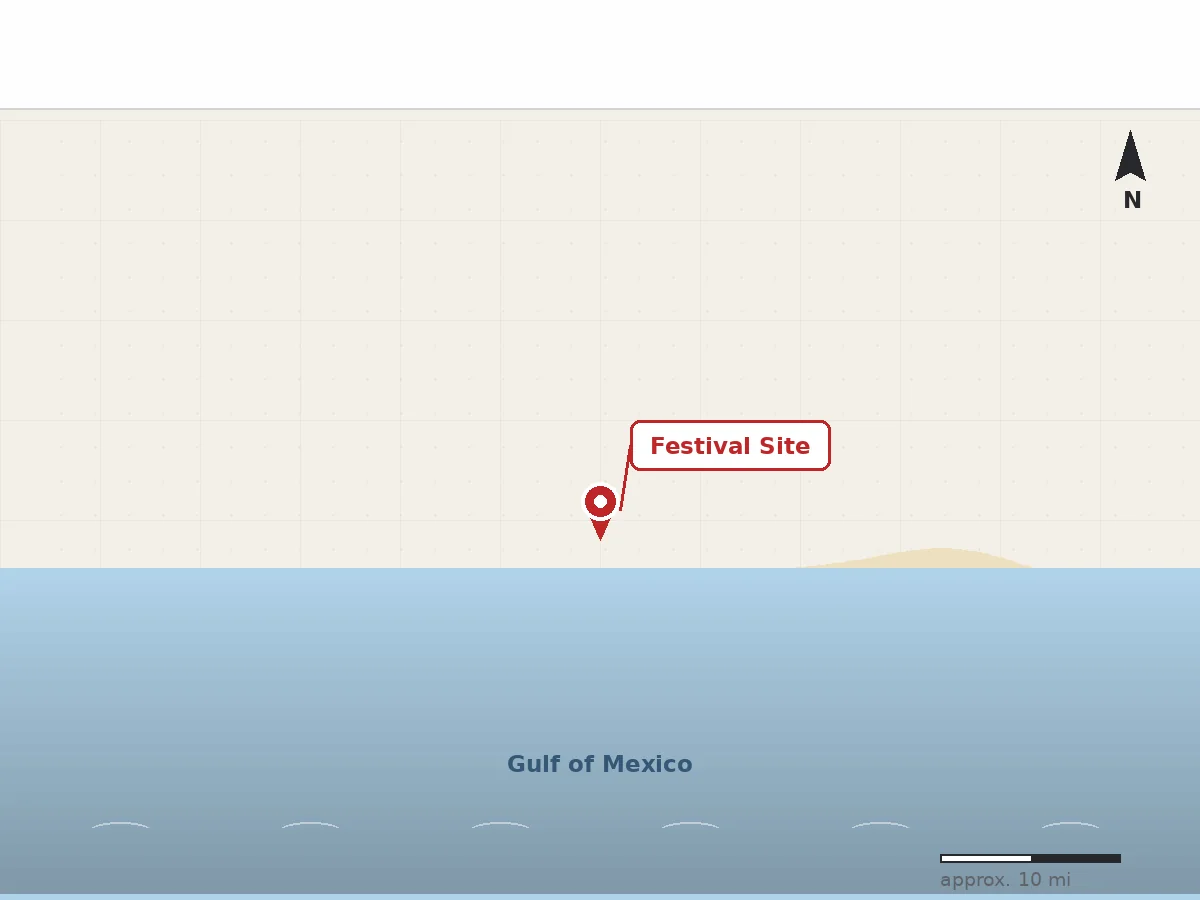
The Vanderburgh County Fair takes place at the county fairgrounds in the Vanderburgh County area, within a short drive of Evansville, the county seat.
Straight Answers for First-Time Fairgoers
Is the fair worth it for toddlers and grandparents alike?
Yes, with a plan. Grandparents tend to enjoy the exhibit halls, the barns and the grandstand, all of which involve sitting and shade. Toddlers do best in the morning, before heat and crowds build. A stroller handles the main paths but struggles in gravel and barn aisles, so a carrier is a good backup for the youngest visitors.
Do I need cash on the midway?
Bring some. Many stands and games now accept cards, but smaller vendors and community booths often do not, and cash moves faster when a line is long. Small bills are more useful than large ones, especially for kids buying their own snacks.
Can I bring my own food or a cooler?
Rules vary from year to year, and fairs commonly restrict outside food and drinks while allowing water bottles and items for young children. Check the current year’s policy before you pack, and keep a cooler in the car as a backup rather than carrying it through the gate.
How crowded does it get?
Mornings are calm, afternoons are steady, and evenings are busiest, especially on nights with a grandstand event. If crowds are the thing you want to avoid, come early, eat early and leave before the main evening draw arrives. If you want the atmosphere, come for the evening and stay late.
Looking Ahead to Future Vanderburgh County Fairs
The fair’s future looks a lot like its past, with some adjustments. Volunteer boards everywhere are working harder to find help, and fairs across Indiana are adding more evening entertainment and more family-friendly ticketing to compete with everything else on a summer calendar. Expect the agricultural core to hold — the livestock shows and exhibit halls are the reason the fair exists — while the midway and grandstand keep evolving.
For families like the Reimers, the calculation stays simple. One day, one county, one long walk between the barn and the midway. As long as the gates open in late summer, they will be in the parking field by nine.
Last updated: October 2026
If you go, go early, eat when the lines are short, and save an hour for the barns. That is where the Vanderburgh County Fair makes its case, and it is the part most visitors remember long after the funnel cake is gone.

One Comment