Porter County Indiana Porter County Fair Festival
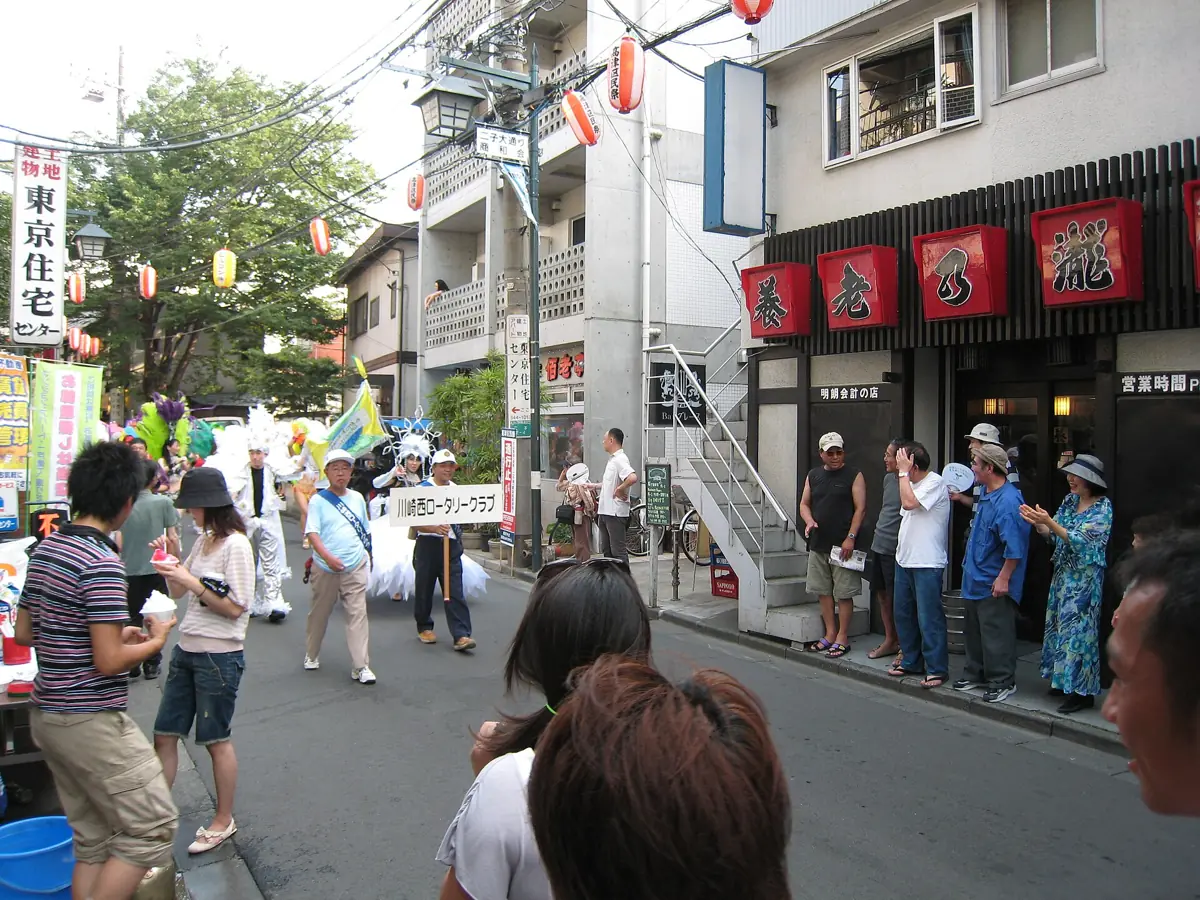
The Porter County Fair rewards a little preparation. Held on the fairgrounds in the Porter County area, a short drive from Valparaiso, it packs livestock barns, a midway, grandstand entertainment and more fried food than any first-timer can reasonably sample in one evening. Porter County’s 173,215 residents share those grounds with visitors from across Northwest Indiana, and the fair runs on a rhythm that has changed surprisingly little over the decades: mornings belong to exhibitors and judges, afternoons to families with small children, and evenings to crowds who come for the music and the lights. This orientation is written for the person who has never been — what to see, how to plan, and what to do when the schedule and your energy level disagree.
Porter County Fair Basics in Ten Short Lines
| Town / area | The Porter County area, around Valparaiso |
| County | Porter County, Indiana |
| County seat | Valparaiso |
| Population | 173,215 (county) |
| Region | Northwest Indiana; 521.8 square miles of county land |
| Typical timing | Summer, generally in the July–August window |
| Admission | A modest gate fee in most years; confirm current rates and hours |
| Setting | Outdoor fairgrounds with barns, a grandstand and a midway |
| Features | Livestock shows, 4-H exhibits, rides, fair food, live entertainment |
| Organizer | A volunteer fair board and the local agricultural community |
What the Porter County Fair Actually Is
Strip away the carnival lights and the Porter County Fair is an agricultural exhibition first. The grounds host 4-H projects, livestock shows, poultry and rabbit barns, baking and canning entries, and the competitive exhibits that have been the backbone of Indiana county fairs for generations. Around that core, the fair adds the parts most visitors remember: a midway with rides, rows of concession stands, a grandstand with evening entertainment, and open-air stages where local bands play.
For a first-timer, the useful mental model is that the fair is several events happening at once. Arrive before noon and you will mostly see families, exhibitors and judges moving between barns. Arrive after five and you will find a busier midway, longer food lines and a crowd that stays until the lights go down. Neither version is better; they are simply different fairs. Check the current year’s schedule before you go, because the daily lineup shifts and some livestock events are held only on particular days of the run.
How Agriculture Shaped the Porter County Fair
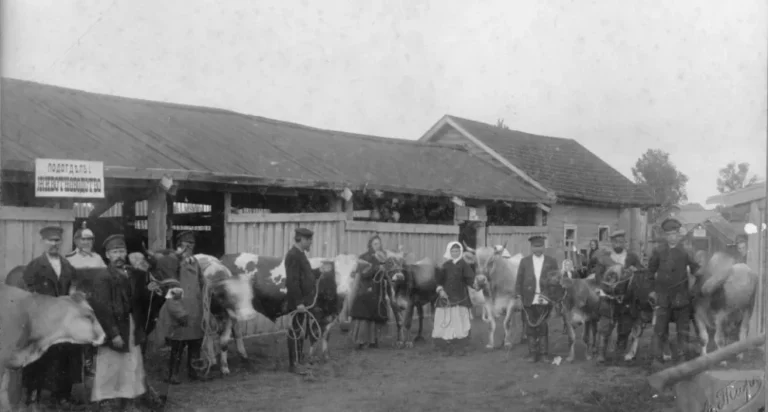
A county fair in Indiana is usually a story about farms, and Porter County’s is no exception. The county covers 521.8 square miles, and for most of its history that land was worked — dairy, grain and truck farms supplying the mills and markets of Northwest Indiana. As county fairs spread across the Midwest in the late 1800s, communities like Valparaiso, the county seat, became natural gathering points for farmers who wanted to compare livestock, swap seed and inspect new equipment.
Across the twentieth century the fair’s center of gravity widened. The barns and 4-H exhibits stayed, but a midway, grandstand shows and food concessions grew up around them, turning a stockman’s event into a family outing. That combination — competition in the barns, entertainment on the midway — is the fair’s enduring shape. Details change from year to year, yet the underlying purpose has held steady: give Porter County’s agricultural families a stage, and give everyone else a reason to show up.
For another look at how a community turns its own traditions into a gathering, see the Pike County Indiana Buffalo Trace Festival for a useful comparison.
Your First Evening on the Porter County Fairgrounds
Fair food, from corn dogs to pie
Food is the great equalizer at any county fair, and this one leans into the classics: corn dogs, elephant ears, funnel cakes, lemonade shake-ups, grilled sausage and pulled pork. The 4-H food stands and church or civic booths are often where the better value sits, and they are usually the fastest way to eat when the midway lines stretch. Go early if you want a sit-down meal rather than a walk-and-eat one, and bring cash as a backup even if most vendors take cards.
Grandstand shows and local music
Evening entertainment is where the fair shifts gears. The grandstand typically hosts a mix of music, motorsports-style events and family programming across the run, while smaller stages and wandering performers fill the gaps between shows. Lineups are announced season by season, so treat any single year’s bill as a snapshot. If a headliner is your main reason for going, buy or reserve early where that option exists, then build the rest of your evening around the set time.
Things to do with kids in tow
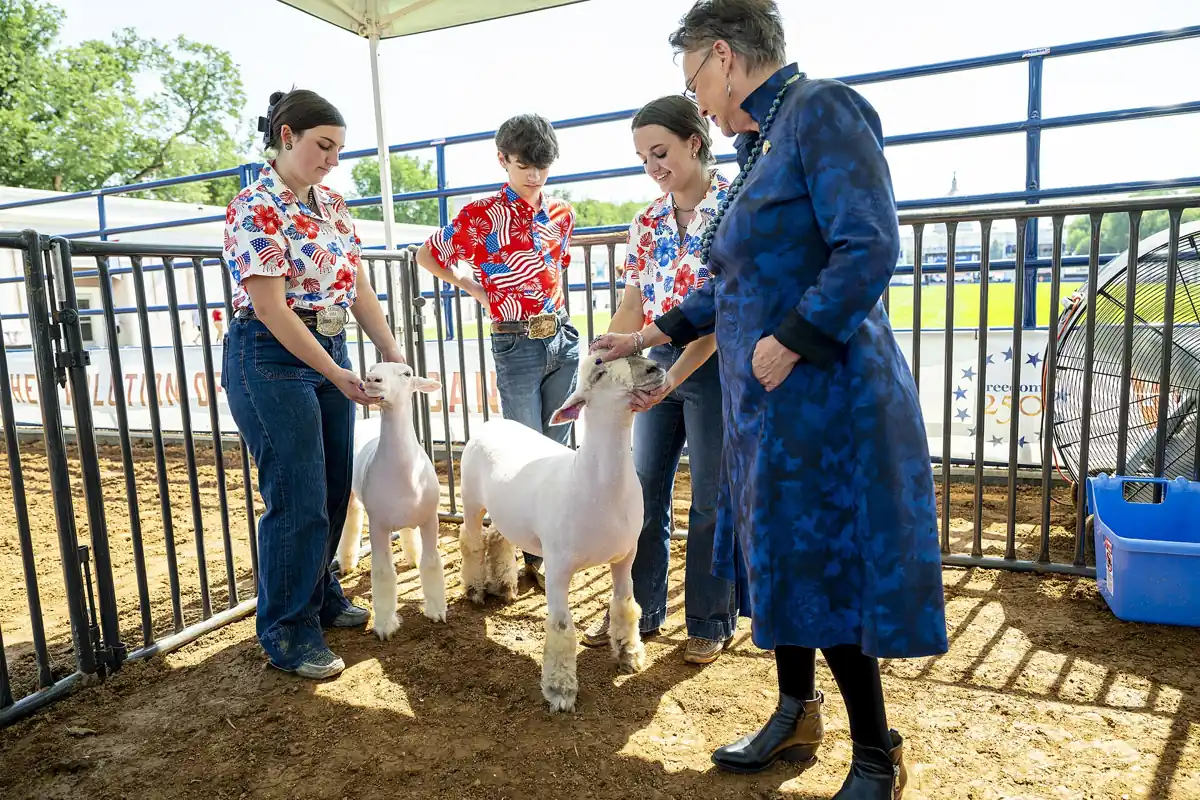
Children tend to gravitate to three zones: the animal barns, the midway and whatever involves sugar. The barns are free entertainment in the truest sense — kids can watch milking, grooming and showmanship classes, and exhibitors are often happy to answer questions between classes. Midway rides vary by age and height, so check wristband or ticket options before committing. A stroller handles the main paths fine, but the barn aisles are tighter than they look.
Planning a Porter County Fair Visit
Getting to the Porter County area
The fairgrounds sit within the Porter County area, close to Valparaiso and reachable from much of Northwest Indiana by car. US 30 and Indiana 49 are the main arteries through the county, and both feed into Valparaiso’s street grid. From Chicago or the southern suburbs, plan on roughly an hour or more depending on traffic around the toll road and the US 30 corridor. Weekday afternoons are the easiest drive; Friday evenings in fair season are not.
Where to stay near Valparaiso
Valparaiso is the natural base, with the widest choice of hotels and motels in the county and a compact downtown for dinner before or after the fair. Chesterton and Portage also offer rooms within a reasonable drive, and campers sometimes stay at area campgrounds or in neighboring counties. During fair week, book ahead — this is peak summer in a county of 173,215 people, and weekend inventory tightens fast.
Parking and traffic reality
Fairground parking is usually the simplest option, with lots and field parking surrounding the site and staff directing traffic at peak times. Arrive before the evening rush and you will walk a shorter distance; arrive at 7 p.m. on a Saturday and you will queue. Have a meeting point in mind for your group, since cell service can get sluggish when a few thousand people are crowded into one place.
Admission, ride tickets and what adds up
Most county fairs charge a gate admission, with children and seniors often paying less, and rides sold separately as tickets or wristbands. Budget beyond the gate: food, games, rides and grandstand upgrades are where the money actually goes. Check the current year’s rates and any discount days before you arrive, and decide in advance whether you are buying a wristband or paying per ride.
Summer weather and how to handle it
Expect heat and humidity. July and August afternoons in Northwest Indiana can be sticky, and the fairgrounds offer limited shade outside the barns and exhibit halls. Wear comfortable shoes, carry water, and treat sunscreen as non-negotiable. Evening thunderstorms roll through quickly, so a light rain jacket beats an umbrella when the wind picks up. Cooler, quieter mornings are genuinely underrated here.
A Sample Weekend at the Porter County Fair
Saturday morning. Arrive mid-morning, before the heat and the crowds. Start in the livestock barns while exhibitors are still working, then walk the 4-H exhibit hall to see projects and baking entries. Grab an early lunch from a civic booth before lines form.
Saturday afternoon. Ride the midway while it is still manageable, or watch a showmanship class if you have children who like animals. Take a break in the shade, refill water bottles, and let the hottest hour pass.
Saturday evening. Eat dinner on the grounds, then settle in for the grandstand or a stage act. Stay for the lights on the midway — it is the version of the fair most people picture.
Sunday. Come back for a slower pass. Sunday mornings are the calmest window of the run, ideal for a second look at exhibits you skipped and for talking with exhibitors. Leave by mid-afternoon if you want an easy exit.
Porter County Fair Alongside Neighboring Indiana Fairs
Fairgoers in Northwest Indiana have options, and the differences are worth knowing. The Lake County Fair, held around Crown Point, is the larger, busier cousin to the west, with a bigger midway and a heavier evening crowd. LaPorte County’s fair to the east has a comparable agricultural feel but a smaller footprint. Newton and Jasper county fairs, further south, are quieter, more traditional affairs where the barns clearly outrank the carnival. Porter County sits in the middle: big enough for a real midway and grandstand calendar, small enough that you can still park, eat and see the animals without losing an entire day to logistics. Valparaiso itself, as the county seat, adds a walkable downtown that most fair towns cannot match.
First-Timer’s Checklist for the Porter County Fair
Before you leave the house: check the current schedule and gate hours; confirm admission and ride pricing; fill water bottles; pack sunscreen, hats and a light rain layer; wear closed-toe shoes for barn aisles; bring cash for small vendors; set a meeting point for your group; charge phones and consider a battery pack; and decide your exit time before the parking lot turns into a single slow lane.
Beyond the Fairgrounds: Valparaiso and the Rest of Porter County
Pair a fair day with the county around it. Valparaiso’s downtown has restaurants, coffee shops and a walkable courthouse square that makes a good pre-fair stop. South of town, the Indiana Dunes and the Lake Michigan shoreline sit at the county’s northern edge, and the Dunes area is a legitimate full-day destination on its own. Chesterton and Portage anchor the lake side; the rural middle of the county is farm country, which is exactly what you are driving through on the way in. If you are making a weekend of it, fair in the evening and dunes in the morning is a strong combination.
What the Porter County Fair Means Locally
For a county of 173,215 people, the fair is one of the few events that genuinely cuts across every community — town and township, farm family and subdivision, longtime residents and newcomers. It is a fundraiser for civic groups, a showcase for young exhibitors who have spent months on a project, and a reunion for people who only see each other once a summer. The agricultural program matters most of all: for many Porter County kids, the fair is where they learn to present their work to a judge and a crowd. That is a quieter legacy than a midway, but a more durable one.
Where the Porter County Fairgrounds Sit
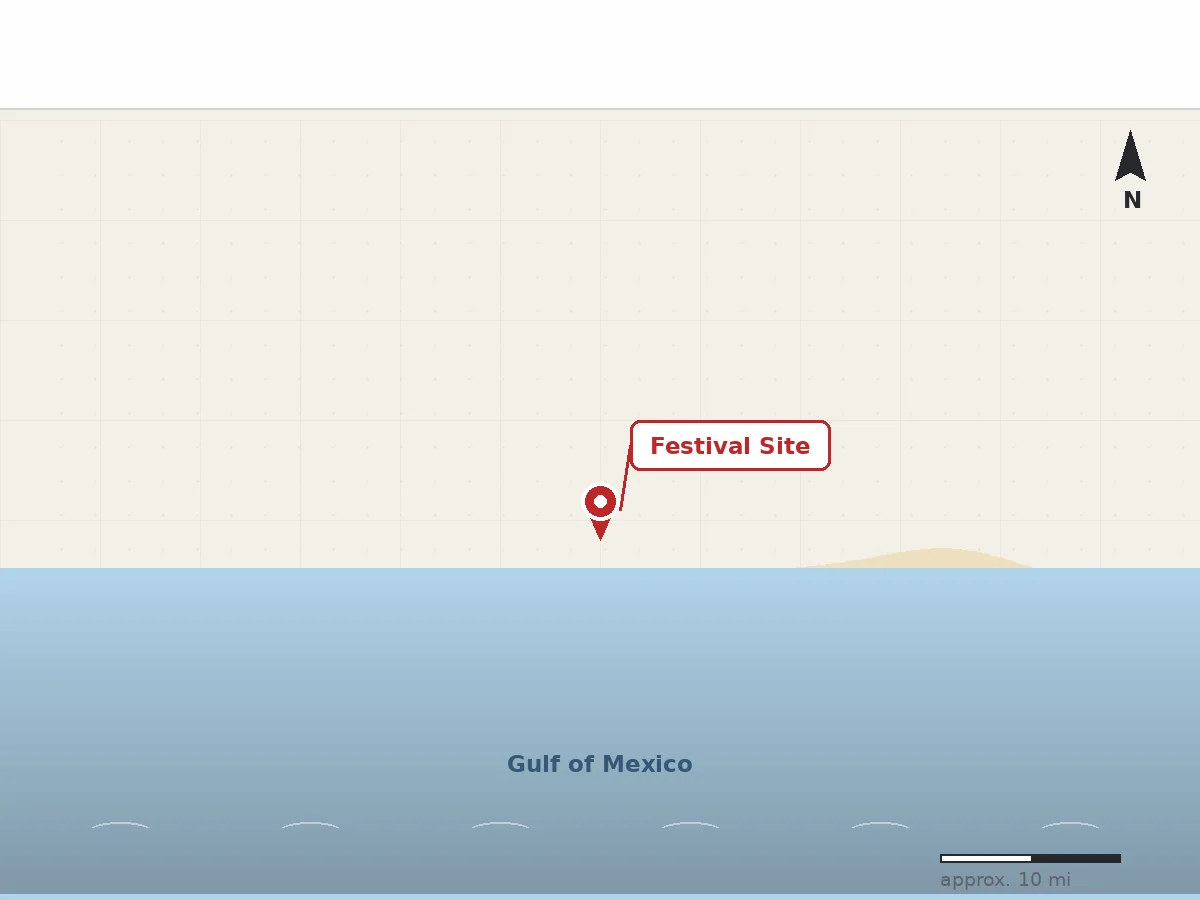
The Porter County Fair takes place on the fairgrounds in the Porter County area, within easy reach of Valparaiso, the county seat.
Porter County Fair Questions First-Timers Ask
Do I need to buy tickets in advance?
Many Indiana county fairs sell gate admission at the entrance and also offer advance passes or discount days through local outlets. Grandstand shows with reserved seating may sell out. Confirm current pricing, hours and advance options with the fair’s own listing for the year you plan to attend, then decide whether buying early saves you money or just time.
What is the best time of day to arrive?
Mid-morning is the calmest and coolest window, and it is when the barns are most active. Early evening brings the full midway and the entertainment lineup but also the longest lines and the slowest parking. If you have small children, aim for the morning; if you want atmosphere, come after five.
Is it a good outing for young children?
Yes, with a plan. The animal barns are the highlight for most kids, and mornings are easier for strollers and bathroom breaks. Check ride height requirements before buying wristbands, keep the day shorter than you think you need, and build in a shaded break during the hottest part of the afternoon.
How long should a first visit last?
Three to four hours covers the barns, exhibit halls, a midway pass and a meal at an easy pace. Add an evening grandstand show and you are looking at five or six hours. Splitting the visit across two days — a morning for exhibits and an evening for entertainment — is the approach most first-timers wish they had taken.
The Porter County Fair’s Next Chapter
County fairs survive by adjusting without losing their footing, and Porter County’s is no different. The pressure points are familiar across the region: rising costs for vendors and families, competition from screens and summer travel, and the steady work of keeping young people involved in agriculture. The strengths are just as clear — a deep volunteer base, a county that still values its farming identity, and a location within easy reach of both Chicago-area day-trippers and lakeshore visitors. Expect the fair to keep refining its entertainment calendar while protecting the barns and 4-H exhibits that justify the whole thing. For a first-timer, that means the essentials you read about here will still be there next summer.
Last updated: October 2026
If you have never been, go once with low expectations and comfortable shoes, and let the fair surprise you. Start in the barns, eat something you would not order anywhere else, and stay until the midway lights come on. Porter County has been doing this for a long time, and the formula still works.

One Comment