Pike County Indiana 4-H Fair Festival
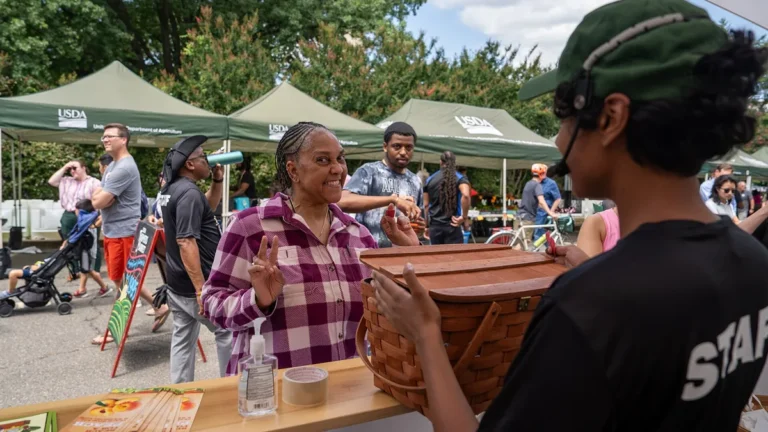
By mid-morning the Rutledge family has staked out shade beside the show ring. The truck sits on grass, the tailgate is down, and three kids have scattered — one to the hog barn, one to the rabbit cages, one straight to the food trailers. Their grandmother unfolds the chair she insisted on bringing. It is how a summer day at the Pike County 4-H Fair has begun for generations of families in this corner of southwest Indiana.
Pike County holds roughly 12,250 residents across 341.09 square miles, with Petersburg as its county seat and a founding that reaches back to December 1816. A county that size does not produce anonymous crowds. At the fair, the person handing you a pork burger is likely the parent of the kid showing a gilt an hour later, and the judge in the ring may have grown up in the same township as half the exhibitors.
This article follows one family through a full fair day — the Rutledges, fairgoers like any others — while covering what a first-time visitor needs: typical timing, costs, parking, food and how the week fits into the wider life of Pike County.
Pike County 4-H Fair: The Essentials on One Card
| Town or area | Pike County area, near Petersburg |
| County | Pike County, Indiana |
| County seat | Petersburg |
| County population | 12,250 |
| Region | Southwest Indiana |
| Typical timing | A summer week, most often in July |
| Admission | Typically free at the gate; food and individual activities sold separately |
| Setting | County fairgrounds with livestock barns, show ring, exhibit hall and open lawn |
| Features | 4-H livestock shows, project exhibits, food stands, grandstand entertainment, family activities |
| Organizer | Pike County 4-H clubs with community volunteers |
Where the Fair Fits Into Pike County Life
The Pike County 4-H Fair is the county’s annual summer gathering: a week of livestock shows, project exhibits, food stands, grandstand entertainment and small-town socializing in the Petersburg area. 4-H members show hogs, cattle, sheep, goats, rabbits, poultry and horses, and enter projects in baking, sewing, woodworking, gardening and photography. The show ring, the barns and the food row all sit within a short walk of one another.
For a county of 12,250 people, that week carries outsized weight. It is where farm families and town families share the same ground, where a kid who spent months halter-breaking an animal learns whether the work paid off, and where grandparents run into classmates they have not seen since the previous fair.
For another look at how a community turns its own traditions into a gathering, see the Perry County Indiana 4-H Fair Festival for a useful comparison.
The county’s 341.09 square miles of farmland, woods and small communities shape the fair’s character. Events like this one are participatory rather than commercial — nearly everyone on the grounds knows an exhibitor, a volunteer or a vendor.
A Fair Shaped by Two Centuries of Pike County Farming
Pike County was founded in December 1816, the same era that brought Indiana into the Union. Its early public life revolved around agriculture — corn, hogs, wheat and timber moving to market — and county fairs grew out of that world, giving farmers a place to compare stock, swap seed and settle friendly arguments about who raised the better animal.
4-H clubs took shape in rural America in the early twentieth century, built around practical skills: canning, sewing, animal husbandry, crop judging. Across the Midwest, those clubs and county fairs gradually merged into a single summer institution, and Pike County followed that pattern.
What began as an agricultural exhibition became a youth showcase. Draft horses gave way to tractors, exhibit categories came and went, and the food row grew longer. The timing held steady: the fair lands after school lets out and before harvest demands everyone’s attention, which is why farm families can actually attend.
Generations of local families measure their summers by it. Parents who showed rabbits decades ago now watch their own kids in the same barns, and longtime volunteers slide from the concession stand to the judging table without missing a season.
The Rhythm of a Fair Day in Pike County
A fair day here has a shape: quiet mornings around the barns, busy afternoons at the show ring, and evenings when much of the county seems to arrive at once.
Food: Where the Fair Money Gets Spent
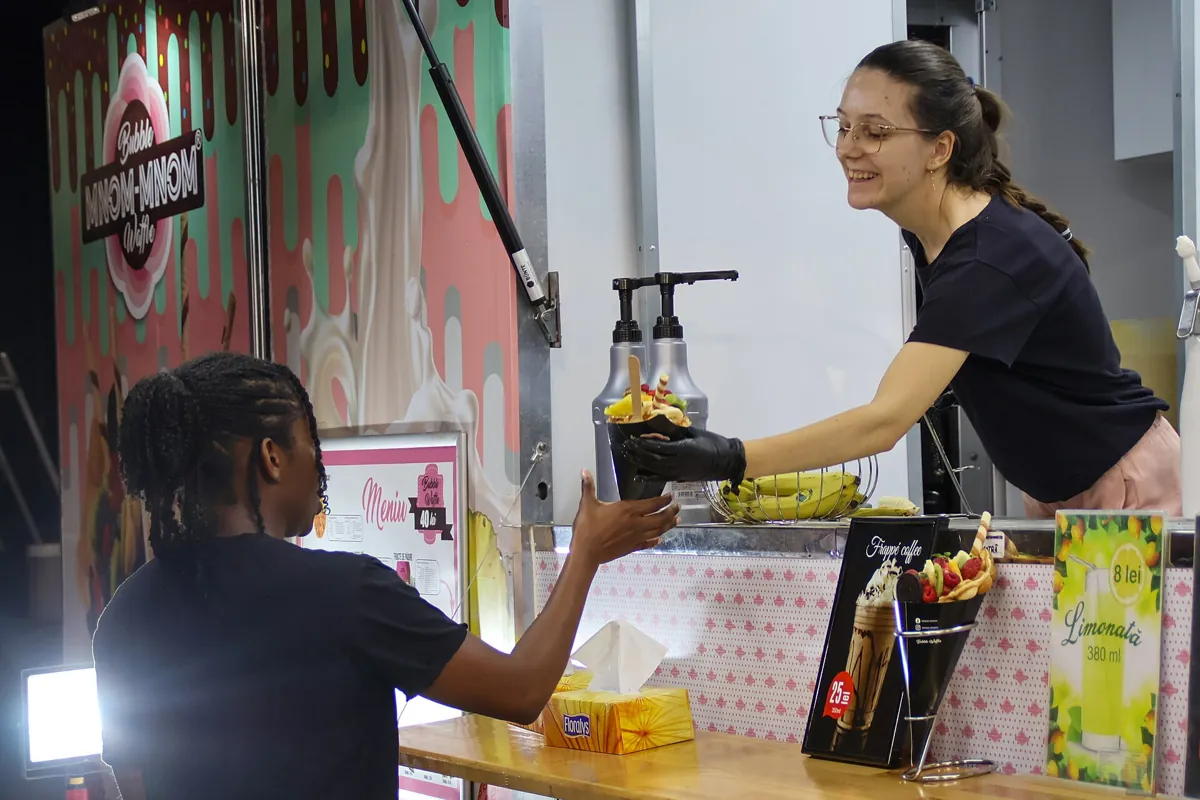
Food is classic Indiana fair fare — pork burgers, breaded tenderloins, corn dogs, funnel cakes, lemon shake-ups, nachos and ice cream — sold from trailers and stands, many of them run by local clubs and nonprofits. That matters: money spent at a Pike County booth tends to stay in Pike County. The Rutledges start with something fried and shared, then split a tenderloin before the evening show. Lines move fastest in the late afternoon.
Grandstand Nights and Local Talent
Evenings push the crowd toward the grandstand, where the lineup changes from year to year: live country and rock acts, tractor pulls, demolition derbies, talent shows and the 4-H livestock auction, one of the best-attended events of the week. Local musicians and school groups often get a turn on stage too, and the bleachers fill early for the marquee nights.
Things for Kids to Do Beyond the Barns
Beyond the barns, families find games, rides when a carnival company is booked, pedal tractor pulls for the smallest kids, face painting and hands-on exhibits. The Rutledge children rotate all afternoon: the youngest camps in the small-animal barn, the middle one works the game row, the oldest stays ringside. Parents treat the grounds as a place where kids can roam a little and still be found.
A Sample Fair Weekend, Day by Day
Day one. Arrive mid-afternoon, park on the grass and walk the barns before the crowds thicken. Pick up a schedule, check show times, eat an early dinner from the food row and finish at the grandstand for the evening’s entertainment.
Day two. Come back in the morning for a livestock show and the exhibit hall, where baking, sewing, photography and woodworking entries are displayed. Afternoon is for games and rides; evening belongs to the auction or the headline grandstand event, with ice cream on the walk back to the truck.
Day three. A slower start, a final pass through the barns and exhibits, a last look at the sale results, and a thank-you to the volunteers working the gates. Most families leave with a ribbon, a sunburn and a cooler that needs restocking.
Planning a Trip to the Petersburg-Area Fairgrounds
Getting There From Around Southwest Indiana
The fairgrounds sit in the Pike County area near Petersburg, the county seat, reached by two-lane state and county roads from the surrounding counties. Almost everyone drives; public transit is not part of the picture here. From outside the county, expect a rural route with a few turns and one highway stretch.
Where to Stay Overnight
Lodging inside Pike County is limited, so many visitors treat the fair as a day trip or base themselves in a larger neighboring town. Campers and RV owners often use area campgrounds during fair week. Book early if your visit lines up with a busy summer weekend.
Parking and Walking the Grounds
Parking is generally on grass in fields beside the fairgrounds, directed by volunteers and typically free. Weekend evenings and auction night fill fastest, so arrive early. Once inside, everything is walkable — wear shoes you do not mind getting dusty.
Admission and Day-of Costs
Gate admission to county 4-H fairs in Indiana is typically free, with the fair supported by food sales, entry fees, sponsorships and the livestock auction. Individual activities such as grandstand events, rides and games carry their own charges. Bring cash and agree on a kid budget before you walk in.
Summer Weather in Southwest Indiana
Fair week lands in the hottest part of a Hoosier summer, humid with a real chance of afternoon thunderstorms. Mornings and evenings are the most comfortable, and barns get stifling at midday. Pack water bottles, sunscreen and hats, and keep half an eye on the sky.
Pike County’s Fair Beside Its Neighbors
Pike County sits in a cluster of rural southwest Indiana counties, each with its own 4-H fair — Knox County to the north around Vincennes, Daviess County to the northeast around Washington, Gibson County to the west around Princeton. Those fairs often fall within weeks of one another, which suits families with exhibitors chasing multiple shows. Pike’s version tends to feel smaller and more familiar, while larger counties bring bigger grounds and more commercial entertainment. Spending a summer comparing two or three is a fine way to learn the region.
Packing and Prep for a Fair Day in Pike County
Bring cash in small bills, refillable water bottles, sunscreen, hats and closed-toe shoes. A folding chair or blanket helps on grandstand nights, and wipes and hand sanitizer earn their space after a barn visit. Screenshot the day’s schedule before you lose a signal in the parking field.
If you are exhibiting, add registration paperwork, show clothes, feed and bedding, and a change of clothes for the wash rack. Families with small children should plan around the heat rather than against it.
Beyond the Fairgrounds: Petersburg and the Rest of Pike County
The fair is the week’s headline, but Pike County rewards a slower look. Petersburg, the county seat, is a small town where fair traffic thins into ordinary summer evenings — a place to grab breakfast before a morning show or dinner after the auction. Beyond town, 341.09 square miles of farmland and back roads make for an easy, aimless drive. Many visitors pair the fair with a stop in a neighboring county seat such as Vincennes or Washington, turning one fair day into a modest southwest Indiana road trip.
Why the Fair Still Anchors Pike County’s Summer
In a county of 12,250 people, the 4-H fair works as a civic calendar, a youth program showcase and a local economic engine at once. Volunteers staff the gates, the booths and the barns. Businesses sponsor classes and buy animals at the auction. Kids learn to keep records, speak with judges and handle disappointment in public. The fair also does something harder to quantify: it puts an entire county in one place at one time, which is rare anywhere and especially valuable where families are spread across dozens of miles of countryside.
Where the Pike County Fair Sits
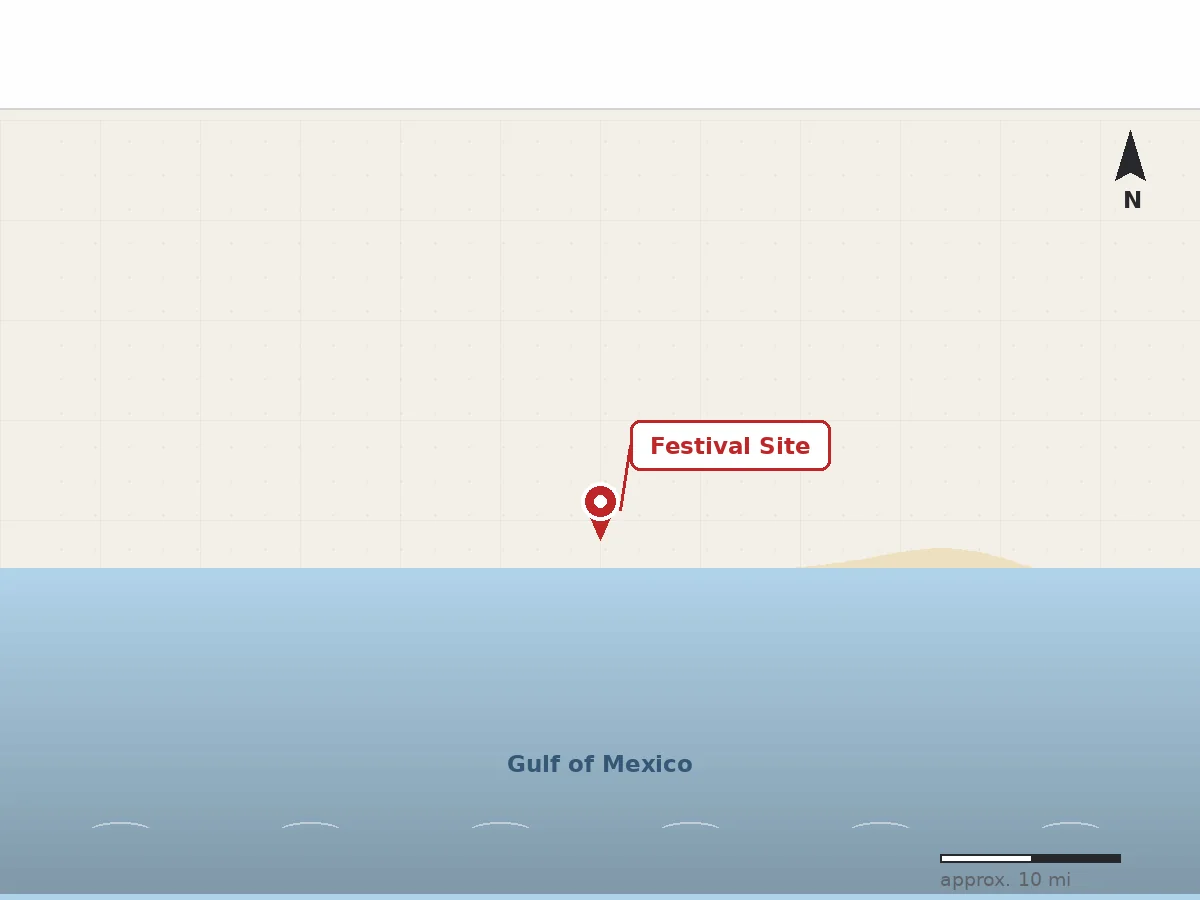
The Pike County 4-H Fair takes place in the Pike County area near Petersburg, the county seat of this 341.09-square-mile county in southwest Indiana.
What Families Ask Before Their First Pike County Fair
Is the Pike County 4-H Fair free to attend?
Gate admission is typically free, as it is at most Indiana county 4-H fairs. The costs come from food, games, rides, grandstand events and any raffles or auctions you choose to join. Plan on a food-heavy evening rather than a ticket window.
When does the fair usually take place?
It is a summer event, most often during July, and it runs for roughly a week. Because the exact dates shift from year to year, check the current Pike County 4-H schedule before you plan a trip around it.
Is the fair a good outing for young children and older visitors?
Yes, with a little planning. Mornings and evenings are cooler and quieter, the grounds are flat and walkable, and there is seating near the show ring and food row. Bring water, a shade hat and a chair if you intend to stay for the grandstand.
Can we bring our own food and drinks?
Rules on coolers and outside food are set locally and can change from year to year, so ask before you load the truck. Water bottles are the safe bet in summer heat.
Looking Ahead to Future Pike County Fair Seasons
The fair’s future looks a lot like its past: a summer week built around 4-H members, volunteer labor and local sponsorship. Counties across southwest Indiana are working to keep young families involved in agriculture and to widen what 4-H offers beyond livestock, from photography to robotics. Expect the fair to keep evolving while holding its familiar place in the calendar. The Rutledges will be back, cooler packed, chairs in the truck, kids already arguing about which barn to hit first.
Last updated: October 2026
If you have never been to a county fair in a place like Pike County, the appeal is hard to explain and easy to feel: the smell of the barns, the noise of the show ring, a grandstand lit up after dark with half the county sitting in it. Go once, and you will understand why the date gets circled on so many kitchen calendars.