Ohio County Indiana Ohio County Fair Festival
If your mental picture of a county fair comes from television, the Ohio County Fair will quietly rewrite it. This is a small, river-town fairground gathering in Rising Sun, the county seat of Ohio County, Indiana — a county established in 1844 and covering 87.43 square miles, one of the smallest counties in the state by land area. What it lacks in acreage it makes up for in the particular pleasure of a fair you can walk end to end in an afternoon.
This guide is for the first-timer: someone who has heard about the fair, maybe driven past the grounds on a summer evening, and wants to know what actually happens, when to go, what it costs, and how to build a weekend around it. The short version — arrive hungry, carry some cash, watch the weather, save time for Rising Sun itself — is easy. The longer version follows.
Ohio County Fair Basics, Read Before You Leave Home
First-timers usually want the same handful of answers up front. Here is the orientation in table form.
| Town / area | Rising Sun and the surrounding Ohio County area |
| County | Ohio County, Indiana |
| County seat | Rising Sun |
| County founded | 1844 |
| Land area | 87.43 square miles |
| Region | Southeastern Indiana, Ohio River valley |
| Typical timing | Summer; in most years a stretch of days in July or early August |
| Admission | Generally free at the gate; rides, games, and some grandstand events cost extra |
| Setting | Outdoor fairgrounds with livestock barns, a midway, and open-air seating |
| Features | Livestock and 4-H exhibits, carnival rides, fair food, live entertainment |
What the Ohio County Fair Actually Is
The Ohio County Fair is a community agricultural fair, the kind whose daily rhythm revolves around show rings, barn aisles, and the midway rather than marquee headliners. Local families enter projects, young exhibitors show livestock, volunteer groups run food stands, and neighbors who have not seen each other since last summer catch up over a pork sandwich.
Because the county is compact — 87.43 square miles with Rising Sun as its seat — the fair works as a countywide reunion. In a place this size, the fairgrounds are one of the few spots where nearly every corner of Ohio County shows up at the same time, from riverfront homes in Rising Sun to the farm roads inland.
For another look at how a community turns its own traditions into a gathering, see the Noble County Indiana Albion Chain O’ Lakes Festival for a useful comparison.
It is worth being clear about what this fair is not. It is not a sprawling state fair with multiple stages and ticketed headline concerts, and it is not a music festival that happens to have a Ferris wheel. Expect a modest, walkable, genuinely local event where the schedule is set by livestock shows and community groups, and where the biggest crowd of the night may be gathered around the grandstand.
Fair Grounds and Farm Roots: Ohio County Since 1844
Ohio County was established in 1844, with Rising Sun as its county seat — around the same era that agricultural societies across Indiana began organizing the fairs that became a fixture of rural life. County fairs in this part of the Ohio River valley grew out of a practical impulse: farmers wanted a place to compare livestock, share seed and equipment, and celebrate a good harvest with neighbors.
Through the late 1800s and into the 1900s, that impulse hardened into tradition. Fairs added exhibition halls, judged categories for everything from canned peaches to quilt work, and eventually the youth programs — 4-H among them — that now supply many of the animals and projects on display.
The modern Ohio County Fair carries all of that forward in a smaller package. The county never grew large, so the fair never needed to become a regional spectacle. Instead it stayed a local one: same grounds, same volunteer energy, same sense that the week belongs to the county rather than to visitors.
What to Expect on the Ohio County Fairgrounds
Plan on an outdoor, mostly flat fairground that is easy to cover on foot. Buildings and barns hold the exhibits; the midway and food row sit close together; the grandstand anchors the evening. A first-timer can learn the whole layout in a lap or two, then spend the rest of the day circling back to favorites.
Fair Food: Tenderloins, Funnel Cakes, and Local Stands
Food is the reliable through-line of any Indiana county fair, and this one is no exception. Expect the classics: breaded pork tenderloin sandwiches, corn dogs, elephant ears, funnel cakes, lemon shake-ups, and the church- and club-run stands that sell simpler fare at friendlier prices. Portions run large. Lines move fastest in the late afternoon, before the evening crowd arrives, and the stands run by local organizations are usually where the best value hides.
Grandstand Nights and Homegrown Entertainment
Entertainment at a fair this size tends to be homegrown. Expect local and regional bands, pageants and contests, and grandstand events that change from year to year — the sort of programming a volunteer committee can put together without a corporate budget. Because schedules shift annually, the smart move is to check the fair’s own listings shortly before you go and build your evening around whatever is on that night.
Family Activities and the Livestock Barns
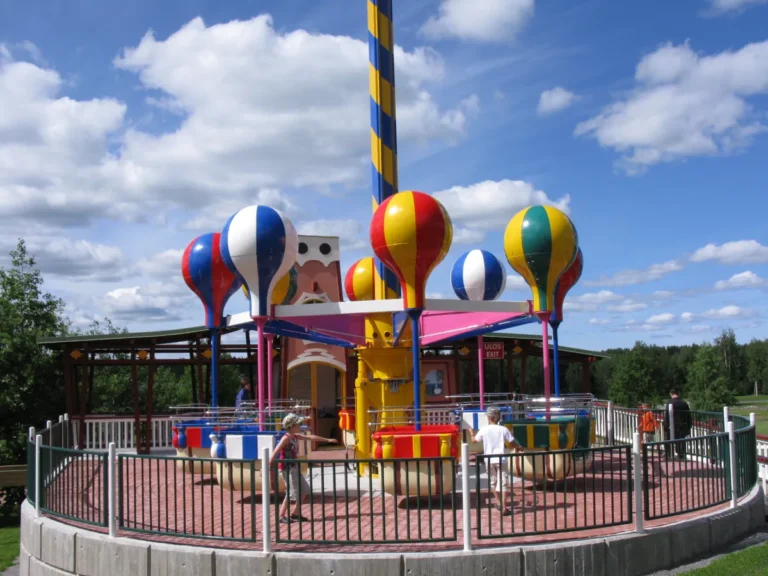
Children do well here. Livestock barns are open to walk through, and exhibitors are often happy to answer questions about a calf or a rabbit. Carnival rides and games occupy the midway, and there is usually a run of kid-focused contests. For families, the sweet spot is a late-afternoon arrival: cooler temperatures, shorter ride lines, and enough daylight left to visit the animals before the lights come on.
A First-Timer’s Sample Weekend in Rising Sun
If you are driving in from out of town, treat the fair as the center of a two-night stay rather than a single stop.
Friday evening. Arrive in Rising Sun in the late afternoon, park once, and walk the grounds as the day crowd thins. Grab dinner from a food stand, tour the barns while it is still light, then settle near the grandstand for the evening’s entertainment. This is the best night for a relaxed first look at how the fair is laid out.
Saturday. Come earlier than you think you need to. Livestock shows and judging fill the morning and early afternoon, and the exhibit halls are at their freshest. Have lunch on the grounds, spend the hottest hours in the barns or in town, then return for the midway and the evening program. Saturday is the busiest day, so plan on a longer walk from wherever you park.
Sunday. Use the morning for Rising Sun itself — the riverfront, a slow breakfast, a look at the little downtown — before a final pass through the fairgrounds. Many families treat Sunday as the wind-down day, which makes it the calmest time to revisit exhibits and pick up anything you meant to buy.
How the Ohio County Fair Compares to Nearby River Towns
Ohio County sits in a stretch of southeastern Indiana where every county has its own summer traditions. Neighboring Switzerland County, east along the river, and Dearborn County, to the north around Lawrenceburg and Aurora, both hold fairs and festivals of their own, and each has a distinct personality: larger crowds, bigger midways, more programming.
The Ohio County Fair’s advantage is scale. It is the version you can navigate without a map, where you will likely run into the same faces twice in one evening. If you are choosing between a big regional fair and a quiet local one, come here when you want the quiet version — and pair it with a couple of hours in Rising Sun, which is half the reason to make the trip.
Planning a Trip Around the Ohio County Fair
A little preparation goes a long way at a fair this size, mostly because the town is small and the weather is Ohio River weather.
Getting to Rising Sun
Rising Sun sits on the Ohio River in the southeastern corner of Indiana, and the practical way in is by car along the riverside roads that link the county’s small communities. There is no realistic rail or air option into the county itself, so plan a drive and treat the trip as part of the outing — the approach along the river is one of the prettiest stretches in this part of the state.
Where to Stay Near Ohio County
Lodging in a county this small is limited, so options — small inns, rentals, and hotels in neighboring communities — tend to fill early on fair weekends. If you want to stay close, reserve well ahead. Otherwise, look at the larger towns within a half-hour to an hour’s drive and commute in; the drive is easy and the rates are often better.
Parking Around the Fairgrounds
Expect to park on grass or in a lot near the grounds and walk in. Arrive before the evening rush on busy nights, follow the volunteers directing traffic, and note where you parked — after dark, one grassy field looks much like another. Carpooling is worth it on the fair’s busiest day.
Admission and What You’ll Actually Spend
Gate admission to fairs like this is typically free, which makes it an easy outing for families. Budget instead for the extras: rides and games on the midway, food and drinks, raffle tickets, and whatever the grandstand is charging that year. Bring some cash, since smaller stands and youth booths may not take cards, and set a loose spending limit before the kids see the midway.
Weather and What to Wear
Summer in the Ohio River valley means heat and humidity, with thunderstorms that can roll in fast. Wear light clothing, comfortable shoes for walking on grass, and bring a hat and sunscreen for daytime visits. A light rain jacket or poncho beats an umbrella when the wind picks up, and it is worth checking the radar before committing to an evening at the grandstand.
A First-Timer’s Ohio County Fair Checklist
Before you leave the house: confirm the fair’s dates and daily schedule on its own listing; check the forecast and pack accordingly; bring cash in small bills; charge your phone and bring a battery pack; pack sunscreen, hats, and refillable water; wear closed-toe shoes you do not mind getting dusty; save the fairgrounds address and screenshot directions in case service is spotty; and decide in advance whether you are staying for the evening program, since leaving and coming back usually means parking twice.
Beyond the Fairgrounds: Rising Sun and the River
Half the value of a trip to the Ohio County Fair is the county around it. Rising Sun, the county seat, sits right on the Ohio River, with a small downtown that rewards a slow walk and riverfront views that are best in the hour before sunset. The county’s 87.43 square miles are mostly rural, so a short drive inland puts you among farm fields and backroads with almost no traffic.
Build in time for the river. Watch the barges slide past, eat breakfast in town before the fair opens, and take the long way home along the water. It is the kind of day that reminds you why county fairs still exist in places like this.
Why the Fair Still Anchors Ohio County’s Calendar
For a county this small, the fair does more than entertain. It is the annual occasion when the agricultural side of Ohio County and the town side of Rising Sun occupy the same space, when young exhibitors get recognized for a year of work, and when volunteer groups raise the money that funds the rest of their year.
It also keeps a thread running back to 1844. The county was founded then, and the fairground tradition that grew up alongside it has outlasted nearly everything else on the local calendar. That continuity — same fields, same families, same week of summer — is the real attraction.
Where the Fair Sits in Ohio County
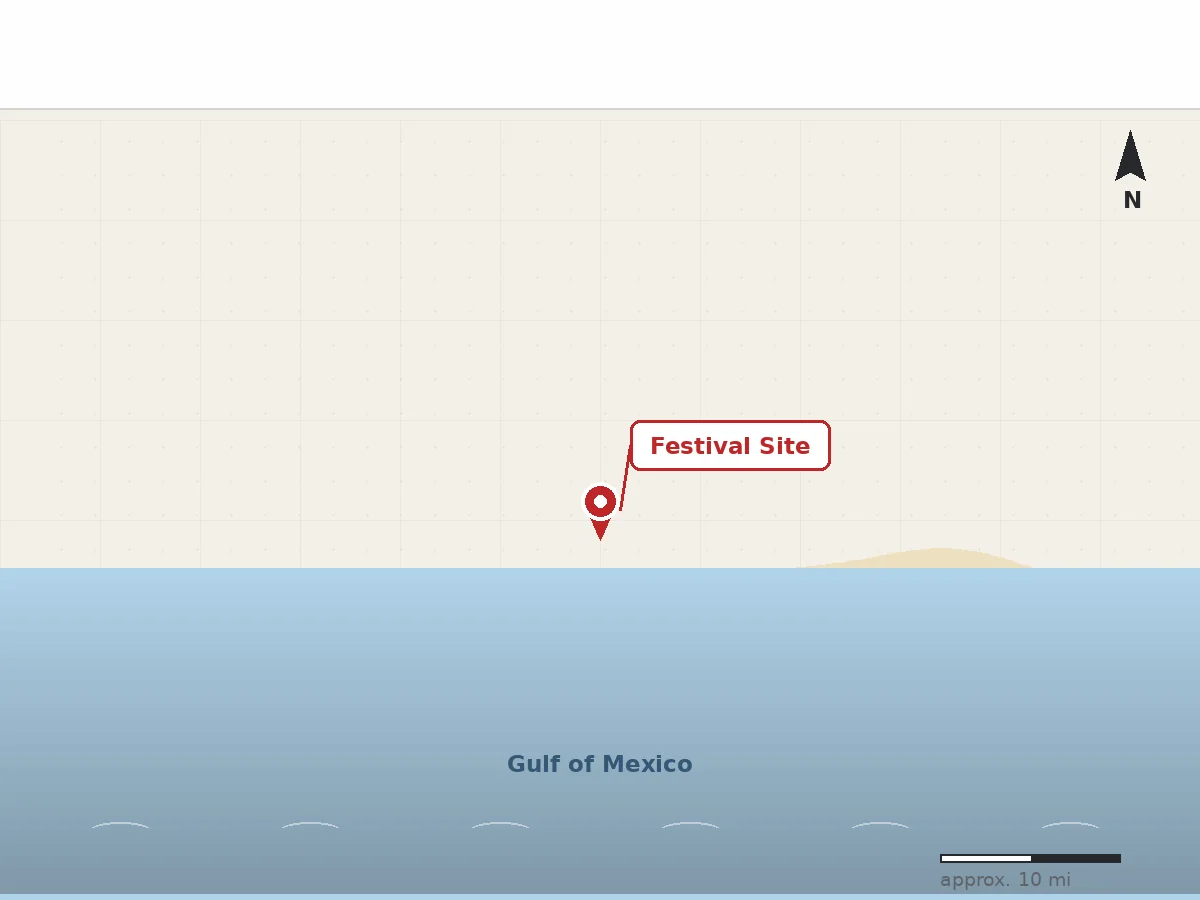
The Ohio County Fair takes place in the Rising Sun area of Ohio County, Indiana, the county seat and the county’s main river town.
Ohio County Fair Questions First-Timers Ask
Is the Ohio County Fair free to attend?
In most years, gate admission is free, with costs limited to rides, games, food, and certain grandstand events. Bring cash for the smaller stands, and check the fair’s own listing for anything that requires a separate ticket.
When is the fair usually held?
The fair falls in summer, generally over a stretch of days in July or early August, following the usual Indiana county fair rhythm. Exact dates shift from year to year, so confirm them before you plan a trip.
How long does it take to see everything?
An afternoon is enough for a first pass through the barns, exhibit halls, and midway. Most first-timers find they want a second visit in the evening, when the lights are on and the grandstand program begins.
Is the fair good for young children?
Yes. Livestock barns, kid-friendly contests, and carnival rides make it a natural family outing. Late afternoon is the easiest window — cooler, less crowded, and still light enough to see the animals.
What’s Ahead for the Ohio County Fair
County fairs everywhere are navigating the same questions: aging volunteers, rising insurance and carnival costs, and competition for a summer weekend. Ohio County’s fair has an advantage in its size — a compact grounds, a tight community, and low overhead compared with larger regional events.
The likeliest path forward is continuity rather than reinvention: more youth programming, a few new food vendors, small upgrades to barns and seating, and continued reliance on the volunteers who make the week happen. Whatever changes, the fair’s role in the county’s calendar looks secure.
Last updated: October 2026
If you have never been to a fair in a county this small, make the Ohio County Fair your first. Come with an empty afternoon, a little cash, and no particular plan beyond the barns, the food, and the river. In Rising Sun, that turns out to be plenty.

One Comment