Morgan County Indiana Morgan County Fair Festival
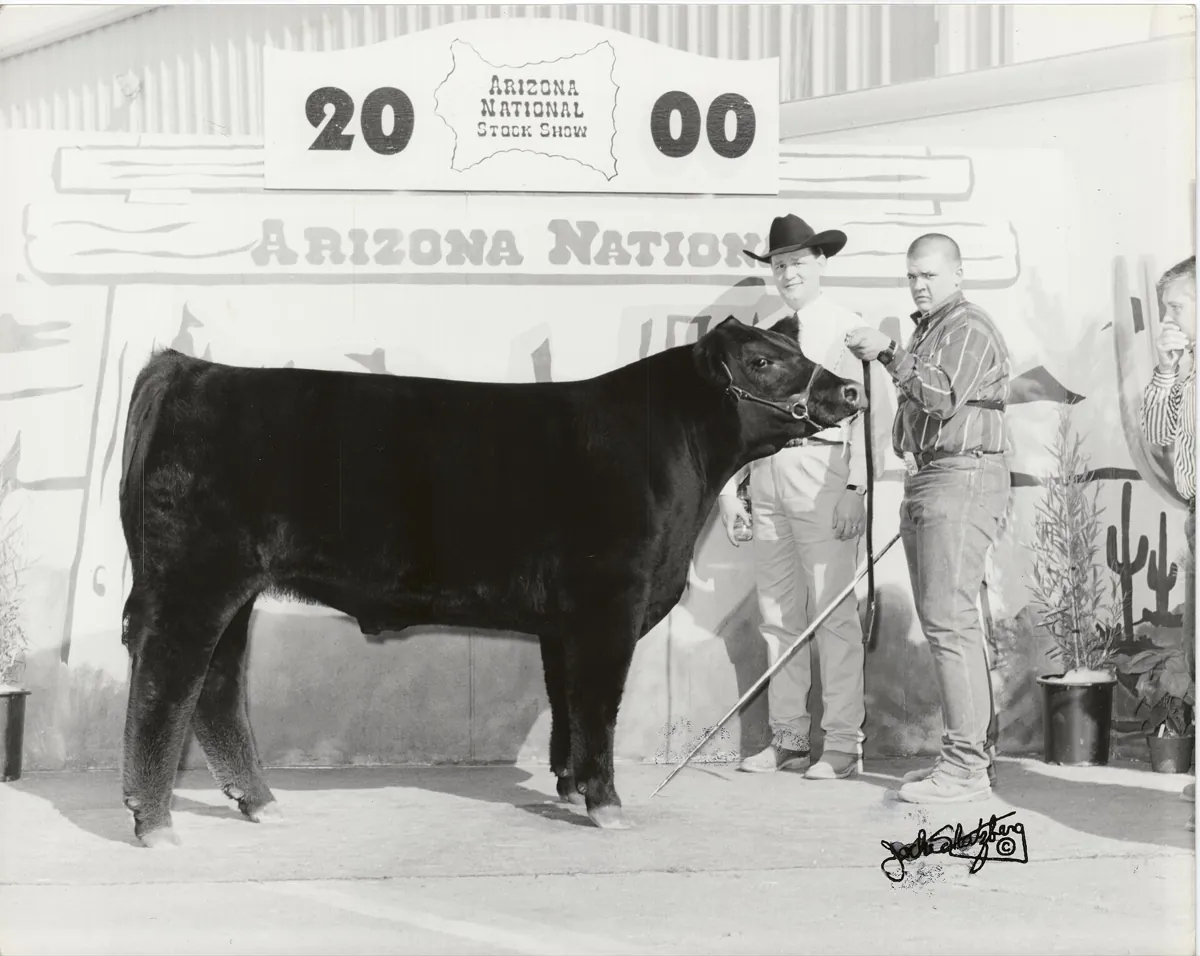
The Morgan County Fair is one of the county’s largest mid-summer gatherings, and it is best understood through its food — from 4-H bake sales to funnel cakes eaten standing up. Before you plan a visit, here is the practical picture.
Morgan County Fair Fact Sheet for First-Time Visitors
| Town / area | The Morgan County area, centered on Martinsville |
| County | Morgan County, Indiana |
| County seat | Martinsville |
| Population | 71,780 (county-wide) |
| Land area | 409.43 square miles |
| Founded | Authorized February 15, 1822; organized December 1822 |
| Region | Central Indiana, southwest of Indianapolis |
| Typical timing | A week in mid-summer, often July into early August |
| Admission | Generally free to enter; vendors and individual activities set their own prices |
| Organizer | Local volunteers and Morgan County agricultural organizations |
A Mid-Summer Tradition Across Morgan County, Indiana
For one week each summer, a corner of Morgan County turns into the busiest place in the county. The fairgrounds fill with trailers, folding chairs, livestock bedding, and the smell of a fryer that has clearly been working since breakfast. Morgan County covers 409.43 square miles of central Indiana and is home to 71,780 people, and a good share of that land is still farmed — corn, soybeans, cattle, hay. That agricultural backbone is what the fair exists to celebrate, and it is also why the food matters so much here. The pies, the canned peaches, the pork burgers, and the tenderloins are not theme-park approximations of country cooking. They are the county’s own produce and protein, judged, sold, and eaten within sight of the barns.
Martinsville, the county seat, anchors the area, with Mooresville, Brooklyn, Monrovia, Paragon, and Morgantown filling out a county that still feels small enough that you run into someone you know at the lemonade stand. General admission is typically free, which keeps the fair accessible to families and makes it easy to drop in for an evening rather than committing an entire day.
Two Centuries of Farming, Baking, and Friendly Rivalry
Morgan County was authorized on February 15, 1822, and organized that December — a young county in a young state, laid out across land that had only recently been surveyed and settled. Like most Indiana county fairs, the Morgan County Fair grew out of nineteenth-century agricultural exhibitions, when farmers gathered to compare livestock, swap seed, and argue politely about whose corn was taller. Those early gatherings were as much marketplace as entertainment: a place to see new equipment, trade breeding stock, and let the county’s best cooks prove themselves in public.
Over the decades the format expanded. Judging classes multiplied. School and 4-H exhibits moved in beside the livestock barns. A midway, a grandstand, and a week’s worth of evening entertainment turned a farm meeting into a full-blown summer festival. What has stayed constant is the structure: entries are judged, ribbons are awarded, food is sold, and the same families come back year after year. In a county with nearly two centuries of history behind it, that continuity is the point.
For another look at how a community turns its own traditions into a gathering, see the Montgomery County Indiana Crawfordsville Strawberry Festival for a useful comparison.
What a Day at the Morgan County Fair Tastes and Sounds Like
Fair week has a rhythm. Mornings belong to exhibitors and judges. Afternoons belong to families with strollers. Evenings belong to music, crowds, and long lines at the food stands.
Fair Food Worth Planning Your Day Around
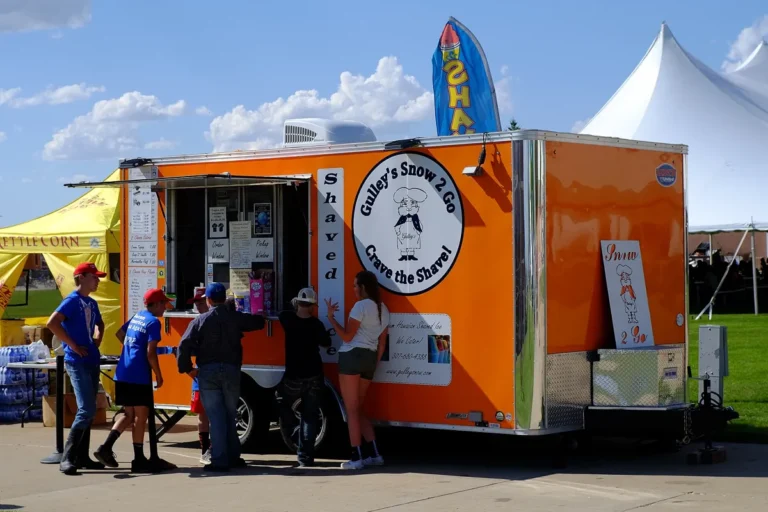
The food is the main event for a lot of visitors, and the range is wider than the standard midway menu. Expect breaded pork tenderloins that hang over the bun, corn dogs, elephant ears, funnel cakes, kettle corn, and lemon shake-ups shaken to order. Beyond the trailers, look for the community food stands — church groups, civic clubs, and youth organizations serving tenderloin dinners, walking tacos, homemade pie by the slice, and the kind of noodles and mashed potatoes that only appear at a county fair. The 4-H food project area is its own quiet attraction: rows of canned tomatoes, jams, breads, and cakes behind glass, each with a ribbon attached. Prices vary by vendor, so bring smaller bills and expect to graze rather than sit down to one formal meal.
Grandstand Music and Local Entertainment
Evening entertainment at the fair leans local and varies from year to year. Past seasons at county fairs in this part of Indiana have followed a familiar pattern: a talent showcase, a country or rock cover band, a tribute act, maybe a tractor pull or a demolition-style event on the track. The schedule changes annually, so the reliable move is to check the fair’s published lineup for the week you plan to attend and build your evening around whatever is playing. Even without a headliner, the grounds themselves are the show — the midway lights, the hum of generators, and conversations carrying across the parking field.
Family Activities From Barns to Midway
Children gravitate to the livestock barns, where rabbits, poultry, goats, sheep, and cattle are washed, brushed, and shown by kids not much older than they are. Many families make a loop of the barns first, then the exhibit halls with their photography, vegetables, and crafts, and only then the carnival rides. Contests for younger visitors — pedal pulls, pie-eating competitions, and similar events — are common at county fairs and usually free to enter. Strollers handle the grounds reasonably well, though gravel and grass are the norm, so plan footwear accordingly.
Planning a Fair Week Trip to the Morgan County Area
A little forethought turns a hot, crowded evening into an easy one. Here is what matters most.
Getting to the Fairgrounds From Indianapolis, Bloomington, and Beyond
Morgan County sits squarely in central Indiana, southwest of Indianapolis and north of Bloomington, with the Indiana 37 corridor and Interstate 69 serving as the main routes through the area. Drivers from the Indianapolis metro area are looking at a straightforward run down the highway; visitors from Bloomington come up from the south. Once you reach Martinsville or the surrounding towns, signage and traffic during fair week make the grounds easy to find. Rideshare service is thinner out here than in the city, so plan a designated driver if you intend to stay for the evening entertainment.
Where to Sleep Near Martinsville and Mooresville
Lodging in the county is limited but workable. Martinsville and Mooresville have the most options, mostly chain motels and small independent properties along the main highways, and they book up quickly during fair week and other summer weekends. Campers often prefer the region’s campgrounds and state forest sites to the south. The other practical choice is to base yourself in the Indianapolis area and drive down for an evening, which gives you far more rooms to choose from at the cost of a longer ride home.
Parking and Grounds Logistics
Parking at county fairgrounds is usually a mix of paved lots and mowed grass fields, with volunteers directing traffic. Arrive before the dinner rush if you want a short walk to the gate, and expect the lots to empty slowly after the evening’s main event. Carpooling helps. Keep a mental note of your row and any landmark near your car — after dark, one grass field looks much like another.
What Admission and a Day of Eating Really Cost
General admission to the fair is typically free, which means your spending is concentrated in food, carnival rides, games, and any ticketed grandstand events. A family can keep costs low by treating the fair as a food-and-animals outing and skipping the midway, or by setting a ride budget before walking in. Bring cash, since some food stands and entry points still prefer it, and expect individual vendors to set their own prices.
Indiana Summer Weather and How to Dress
Mid-summer in central Indiana means heat, humidity, and the real possibility of an afternoon thunderstorm rolling through. Wear light clothing, bring a hat, and drink more water than you think you need — the fryers and the asphalt both add heat. A poncho beats an umbrella when the wind picks up. Evenings cool off pleasantly, so a light layer for later is never a bad idea.
A Sample Saturday at the Morgan County Fair
Start early, around mid-morning, when the grounds are quiet and the barns are still being cleaned. Walk the livestock aisles while the exhibitors are working, then cut through the exhibit hall to see the baked goods and canned entries before the crowds arrive. By noon, hit the food stands — a tenderloin or a corn dog, plus a lemon shake-up — and eat in the shade. Early afternoon is the best window for the carnival rides, when lines are shortest and the heat is at least bearable. Take a break in the late afternoon, either back at the car or at a nearby diner, then return around suppertime for round two of eating: pie, kettle corn, something fried. Settle in near the grandstand for the evening’s entertainment, wander the midway once the lights come on, and leave after the crowd thins rather than fighting the parking-lot exodus.
How the Morgan County Fair Compares With Nearby County Fairs
Morgan County is surrounded by counties that hold their own fairs in the same summer window — Johnson County to the east, Hendricks County to the north, Putnam County to the west, and Monroe County to the south. Each has its own personality and its own signature food stands, and travelers who enjoy this kind of event often string two or three together across a few weekends. The Morgan County Fair’s appeal is scale and sincerity: it is big enough to fill an evening with food and music, small enough that the 4-H families and the volunteers running the gates are recognizably neighbors, and rooted in a county that has been holding agricultural exhibitions for a very long time.
Morgan County Fair Week Checklist for Families
Cash in small bills; sunscreen and a hat; refillable water bottles; comfortable closed-toe shoes for gravel and barn aisles; a light rain jacket; a folding chair or blanket for the grandstand area; a tote bag for baked goods and leftovers; a charged phone and a printed or downloaded schedule; a pre-agreed meeting spot in case your group splits up; and a snack plan so hungry kids do not melt down before you reach the food row.
Beyond the Midway: Morgan County Between Fair Days
The fair is a good excuse to see more of the county. Martinsville’s courthouse square rewards a slow walk, with locally owned shops and diners within a few blocks. The rural roads between Mooresville, Brooklyn, Monrovia, Paragon, and Morgantown are pleasant drives past working farms and old barns. Morgan-Monroe State Forest, south of the county line, offers hiking and quiet campsites if you want to extend the trip into a weekend. Antique hunters and roadside-stand enthusiasts will find plenty to stop for along the state highways.
Why the Fair Still Anchors Morgan County’s Summer Calendar
In a county of 71,780 people spread across 409.43 square miles, the fair is one of the few events that pulls everyone to the same place at the same time. It is a family reunion for people who are not related, a showcase for kids who have spent months raising an animal or perfecting a pie, and a payday for the civic groups that fund their year with a week of food sales. The volunteers who staff the gates and the stands are the reason it works. For visitors, that means something simple: the money you spend on a pork burger or a slice of pie goes somewhere local.
Locating the Morgan County Fair in the Heart of the County
The fairgrounds are in the Morgan County area, a short drive from downtown Martinsville and easily reached from the Indiana 37 corridor.
Morgan County Fair Questions, Answered Briefly
When is the Morgan County Fair held?
It is a mid-summer event, typically running for about a week in July or early August. Exact dates shift from year to year, so check the current season’s schedule before you plan travel.
Is there an admission fee to get in?
General admission is typically free. Individual vendors, carnival rides, games, and some grandstand events charge their own fees, so bring cash and set a budget for food and rides.
What food should I not miss?
Start with the breaded pork tenderloin and a lemon shake-up, then work through the community food stands for homemade pie and comfort-food dinners. The 4-H baked goods and canning displays are worth seeing even if you cannot buy them.
Is the fair suitable for young children and older visitors?
Yes. The livestock barns, exhibit halls, and carnival rides suit young children, and the grounds are mostly flat, if gravelly. Mornings and early evenings are the most comfortable times for anyone sensitive to heat, and shaded seating is usually available near the food areas.
Looking Ahead to Future Morgan County Fair Seasons
County fairs survive by adapting without losing their character, and Morgan County’s is no exception. Expect the same core — livestock shows, 4-H projects, community food stands, midway rides, and evening entertainment — with gradual updates to scheduling, technology, and vendor offerings as the county around it grows. For visitors, the practical advice stays the same: check the current year’s schedule, come hungry, and give yourself an evening rather than an hour.
Last updated: October 2026
Whether you come for the tenderloin, the pie table, or a grandstand seat on a warm July night, the Morgan County Fair delivers the kind of summer evening that small counties do better than anyone else. Bring cash, bring an appetite, and plan to stay longer than you meant to.


One Comment