Lake County Indiana Lake County Fair Festival
Late summer in Lake County, Indiana has a feel all its own: corn standing tall in the southern townships, warm water in the lakes, humid evenings along the Lake Michigan shoreline, and the first back-to-school signs appearing in shop windows. Right in the middle of that stretch, the Lake County Fair takes over its fairgrounds and becomes the county’s biggest seasonal gathering.
Lake County is a county of contrasts. Its 626.5 square miles run from industrial lakefront cities in the north to suburbs, small towns, and working farmland in the south, and its 498,700 residents live across all of it. The county seat, Crown Point, sits close to the middle of that geography — near enough to the lakeshore to pull in visitors from the Chicago suburbs, far enough south to still feel like a courthouse-square town.
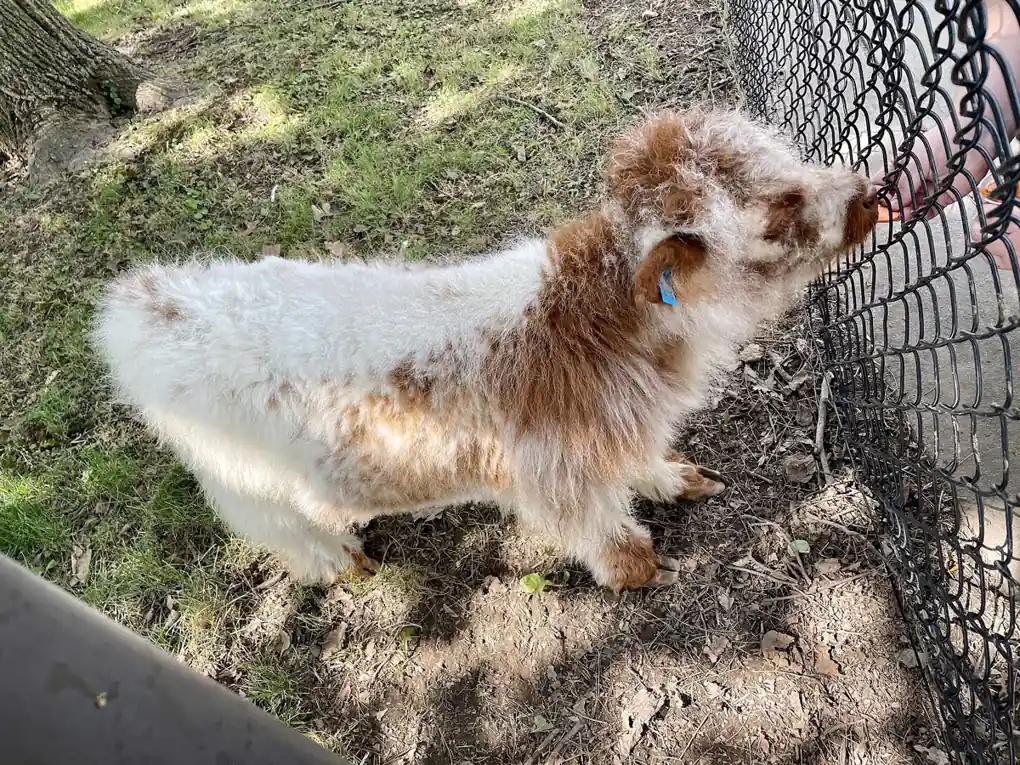
The fair reflects that landscape. It is part agricultural showcase, part carnival, part community reunion. Families come for the livestock barns and the 4-H exhibits, teenagers come for the midway, and grandparents come for the food stands and the chance to run into people they have not seen since the previous summer.
Timing does a lot of the work. Because the fair lands in the last weeks of summer, it acts as a hinge between the season and the school year — a final long weekend of fried food and Ferris wheels before fall routines take over.
Lake County Fair Basics in a Single Table
| Town / area | Lake County area, Northwest Indiana |
| County | Lake County, Indiana |
| County seat | Crown Point |
| County population | 498,700 |
| Region | Northwest Indiana, near the southern shore of Lake Michigan |
| Typical timing | Late July into early August, in most years |
| Admission | Gate pricing varies by year; promotional and free-entry periods are often offered alongside ticketed days. Confirm current details before traveling |
| Setting | Traditional fairgrounds with livestock barns, exhibit halls, a grandstand, and a carnival midway |
| Signature features | 4-H projects, livestock shows, farm and tractor displays, midway rides, grandstand entertainment, fair food |
| Organizer | Run locally by the fair’s volunteer board and Lake County participants |
From Farm Fields to Fairgrounds in Northwest Indiana
Midwestern county fairs grew out of nineteenth-century agricultural societies, and Lake County’s fair followed that pattern. It began as a way for farmers to compare crops, livestock, and machinery, and to swap the practical knowledge that made a living from the land possible.
For another look at how a community turns its own traditions into a gathering, see the LaGrange County Indiana Corn School Festival for a useful comparison.
As the county changed, so did the fair. The northern lakeshore cities of Gary, Hammond, East Chicago, and Whiting grew around steel and heavy industry, while Crown Point, Lowell, Cedar Lake, and the surrounding townships held on to their agricultural rhythms. For one week each summer, those two versions of Lake County met in the same place.
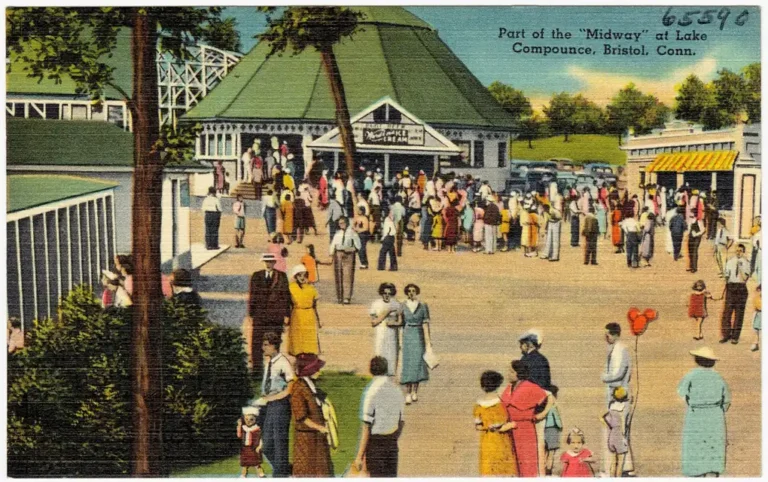
Over the decades the fair added what visitors now take for granted: a midway, a grandstand, motor sports, and food stands run by churches, clubs, and school groups. 4-H clubs became a centerpiece, turning the fairgrounds into a showcase for young people’s work in livestock, baking, gardening, photography, and crafts.
What has not changed is the shape of the week. Barns fill with animals, exhibit halls fill with entries, evenings fill with entertainment, and for a few days the fairgrounds become the busiest address in the county.
Inside a Lake County Fair Day: Food, Music, and Family Time
The Lake County Fair is big enough to fill a full day and local enough that you will probably run into someone you know. Expect a mix of barns, midway rides, grandstand shows, and food stands, with the crowd shifting from families in the afternoon to teenagers and couples in the evening.
Fair Food That Draws a Crowd
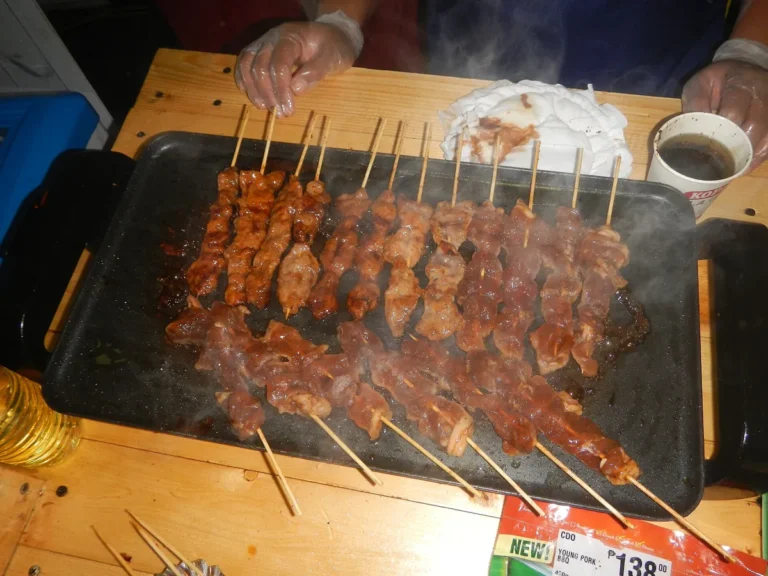
Fair food here follows the Indiana playbook: corn dogs, elephant ears, funnel cakes, pork tenderloin sandwiches, lemon shake-ups, and sweet corn. Church groups, service clubs, and 4-H families typically run their own stands, which means the menu includes homemade pies, noodles, and desserts alongside the carnival classics. Dairy booths and milkshake stands are usually among the busiest spots on the grounds, especially on a hot afternoon.
Grandstand Music and Midway Noise
Evening entertainment is built around the grandstand. In most years the schedule includes local and regional bands, tribute acts, and country or rock concerts, along with the kind of motorsports county fairs do well — demolition derbies, tractor pulls, and truck events. Smaller stages and roving performers keep things moving between shows, and the midway supplies its own soundtrack of calliope music and ride announcements.
Family Activities From Barn to Midway
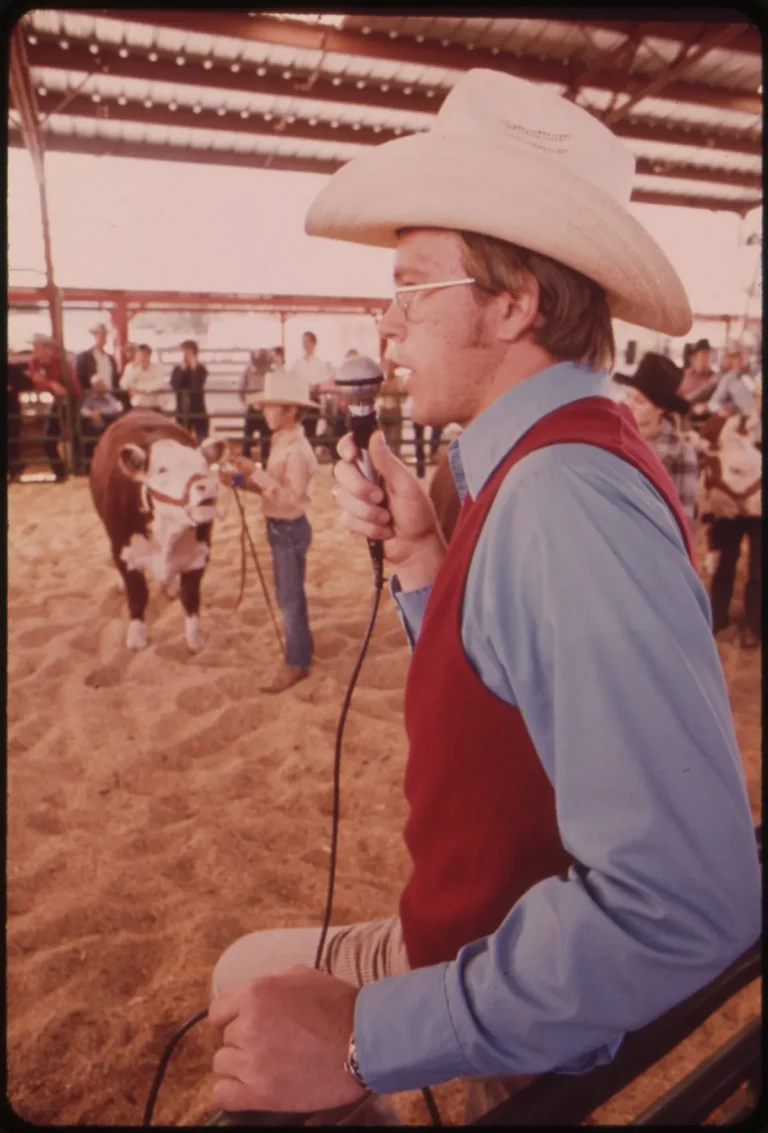
Families usually start at the barns. Kids can watch livestock shows, visit a petting area, and walk through exhibit halls full of 4-H projects, from prize vegetables to photography. Carnival operators typically offer wristband afternoons and discounted ride sessions, and there are quieter options too: a pedal tractor pull, craft demonstrations, and the livestock auction that closes out much of the agricultural week.
Getting to the Lake County Fair and Staying Nearby
Driving In From Chicago and Northwest Indiana
Most visitors arrive by car. Crown Point sits within easy reach of Interstate 65, US-41, and the US-30 corridor, and the fairgrounds are roughly an hour from much of Chicago’s South Side and southern suburbs. From the northern lakeshore cities, the drive runs south through the county. The South Shore Line serves northern Lake County, but you will still want a car for the final stretch.
Where to Stay Around Crown Point and Merrillville
Lodging clusters along the US-30 and I-65 corridors in Merrillville and Schererville, with smaller options in and around Crown Point. Fair weekends fill rooms quickly, so booking a few weeks ahead is wise, especially if you are pairing the fair with a Chicago or Lake Michigan trip. Campers should check directly with the fair about whether RV or tent sites are offered that year.
Parking at the Fairgrounds
Parking is handled in on-site lots and adjoining fields, with attendants directing traffic. Arrive before the evening rush if you want to park close to the gates, and expect a walk across grass or gravel. Carpooling helps. Accessible parking is generally available near an entrance, and leaving right after the grandstand show ends means waiting in a long line of taillights.
Gate Admission, Ride Wristbands, and Other Costs
Admission is set by the fair each year, and many fairs build free or discounted entry windows into the run alongside standard gate tickets. Rides are usually paid separately, either per ticket or through an unlimited wristband, and grandstand events may carry their own ticket. Vendors often accept cards, but cash still moves faster at food stands.
Late-Summer Weather and What to Bring
Late July and early August in northwest Indiana mean heat, humidity, and the chance of an afternoon thunderstorm. Days are often hot and sticky, while evenings cool off enough to make a light layer welcome. Sunscreen, water, and a poncho or small umbrella are the practical trio; most fair activities continue in light rain, though rides and motorsports may pause for lightning.
A Sample Fair Weekend, Friday Evening to Sunday Afternoon
Friday evening: arrive in the late afternoon, walk the barns while the light is still good, and eat dinner along the food row. Catch the grandstand show, then ride the midway after the crowd thins.
Saturday morning: come early for the livestock shows and the exhibit halls, when judges are still working and the barns are cool. Midday is the right time for a ride wristband and a second round of fair food.
Saturday evening: this is the busiest stretch of the week. Claim grandstand seats early, wander the commercial tents, and stay for the closing entertainment if the fair is running it that night.
Sunday afternoon: a slower visit. Revisit favorite food stands, watch the final livestock classes or the auction, and let kids spend whatever ride tickets are left. Many families treat this as the last real summer outing before school starts.
How the Lake County Fair Compares With Neighboring County Fairs
Lake County’s fair is one of several in northwest Indiana, and each has its own personality. The Porter County Fair in Valparaiso draws a similar mix of 4-H families and midway crowds, but with a more rural feel. The LaPorte County Fair leans further into agriculture and small-town tradition. Closer to home, the courthouse square in Crown Point and the lakefront communities of Whiting and Hammond host their own summer events, which tend to be shorter, food-and-music focused, and easy to pair with the fair on the same trip.
Choosing between them comes down mostly to timing and travel. If you are already in the southern or central part of Lake County, the local fair is the simplest and most complete summer outing on the calendar.
A Practical Checklist for a Lake County Fair Day
Before you go, check the current gate hours and grandstand schedule, confirm admission and ride pricing, and bring cash for food stands. Pack sunscreen, hats, and refillable water bottles, and wear closed-toe shoes for the barns and gravel. Charge your phone, screenshot your tickets, and agree on a meeting point with your group in case the midway crowd separates you. Finally, leave room in the car for anything you win, buy, or carry home from the exhibit halls.
Beyond the Midway: Lake County the Rest of the Year
Lake County rewards a longer stay. The Crown Point courthouse square is worth an hour of walking, with its shops and historic county buildings. North of town, the Lake Michigan shoreline, the Indiana Dunes, and the lakefront parks of Whiting and Hammond offer beaches and trails. Inland, Deep River County Park and Buckley Homestead preserve the rural landscape the fair grew out of, and Cedar Lake and the smaller lakes near Lowell and Hobart are popular for an afternoon on the water. The South Shore Line makes a car-free trip into Chicago possible from the northern part of the county.
Why the Fair Still Matters in a County of 498,700
With 498,700 residents spread across 626.5 square miles, Lake County does not have many shared experiences. The fair is one of them. It gives the lakeshore cities, the suburbs, and the farm townships a common week on the calendar and a common meeting ground, and it keeps a working connection to agriculture alive in a county better known for steel and highways.
For 4-H members, it is the payoff for months of work. For local businesses, churches, and service clubs, it is a fundraising week and a shop window. For everyone else, it is simply the stretch of summer when the whole county shows up in the same place at the same time.
Where the Lake County Fair Sits on the Map
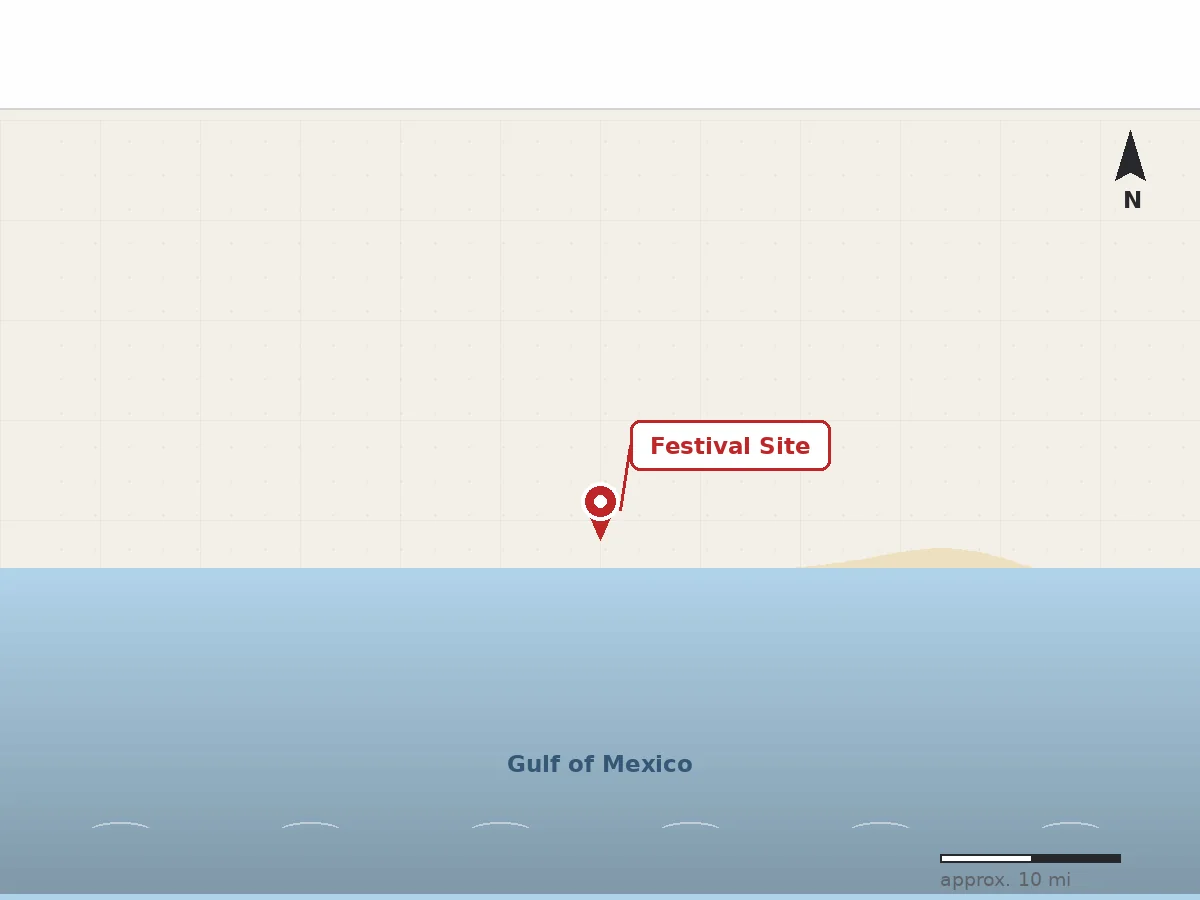
The fairgrounds sit within Lake County, Indiana, a short drive from the Crown Point courthouse square and within reach of the Lake Michigan shoreline.
Lake County Fair Visitor Questions, Answered
When is the Lake County Fair usually held?
In most years the fair runs in late July and early August, spanning roughly a week in the heart of northwest Indiana’s summer. Because the dates shift from year to year, check the current season’s schedule before planning travel or booking a hotel.
Where exactly is the fairgrounds?
The fair is held in Lake County, Indiana, near the county seat of Crown Point. That puts it within roughly an hour of Chicago’s southern suburbs and a short drive from lakeshore cities such as Hammond, Gary, and Whiting.
Is admission free?
Gate pricing is set each year, and many fairs offer promotional or free-entry periods alongside standard ticketed days, with ride tickets or wristbands sold separately. Rates change from season to season, so confirm current details before you go.
How much time should I set aside for a visit?
A half day covers the barns, exhibit halls, and a meal. A full day or an evening plus an afternoon lets you add a grandstand show, midway rides, and a second pass through the food row. Many families come twice during fair week.
What the Next Few Fair Seasons May Look Like
The fair’s future is tied to how Lake County keeps growing. As subdivisions spread across the southern townships and the lakeshore cities continue to redevelop, the fair’s role as a shared agricultural and community touchstone becomes more valuable, not less. Expect continued emphasis on 4-H and youth programs, family-friendly pricing options, and entertainment that balances grandstand concerts with motorsports and local performers. Shade, water stations, and crowd flow are the practical challenges organizers will keep working on as summers get hotter.
Last updated: October 2026
If you are anywhere in northwest Indiana in late summer, the Lake County Fair is worth building a day around. Come for the food and the midway, stay for the barns and the grandstand, and leave understanding a county of nearly half a million people a little better than you did before.
One Comment