Greene County Indiana 4-H Fair Festival
The Greene County Indiana 4-H Fair is one of those summer events that rewards a little forethought. It gathers the county’s 4-H clubs, farm families, food trailers, and grandstand crowds onto a rural fairgrounds, and it does so in a compressed burst of a few days. Arrive without a plan and you may spend your first hour circling for parking. Arrive prepared and you will be leaning on a barn rail before the first class is called.
This guide is built for planners. It covers what the fair actually is, how a typical day unfolds, and the practical questions that decide whether a visit feels easy or exhausting: traffic, parking, lodging, weather, and cost. Greene County is a 545.92-square-mile county of about 30,803 people in southwestern Indiana, so its fair is both a local reunion and a legitimate day-trip destination for families in surrounding counties.
Greene County 4-H Fair Essentials for Trip Planners
| Festival | Greene County Indiana 4-H Fair |
| Town / area | Greene County area, Indiana |
| County | Greene County, Indiana |
| County seat | Bloomfield |
| County population | 30,803 |
| Region | Southwestern Indiana |
| Typical timing | A July week in mid-summer |
| Admission | Typically free to enter; food, rides, and vendors cost extra |
| Setting | Rural fairgrounds with livestock barns, show arenas, exhibit halls, and a midway area |
| Organizer | The county’s 4-H program, carried out by volunteer fair board members and club leaders |
What the Greene County Indiana 4-H Fair Actually Is
At its core, this is a youth showcase. Members of Greene County’s 4-H clubs spend the year raising livestock, sewing garments, building woodworking projects, growing vegetables, and photographing their corner of Indiana, then bring the results to the fairgrounds to be judged, displayed, and admired. The fair is the moment when months of quiet work meets a public audience.
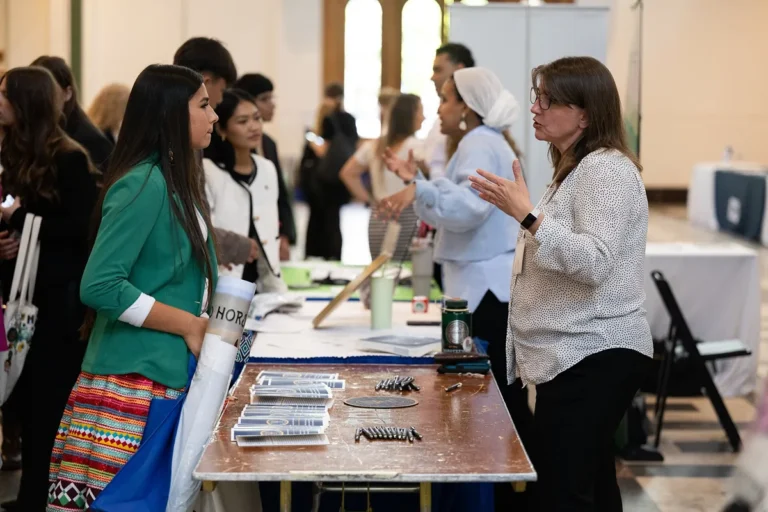
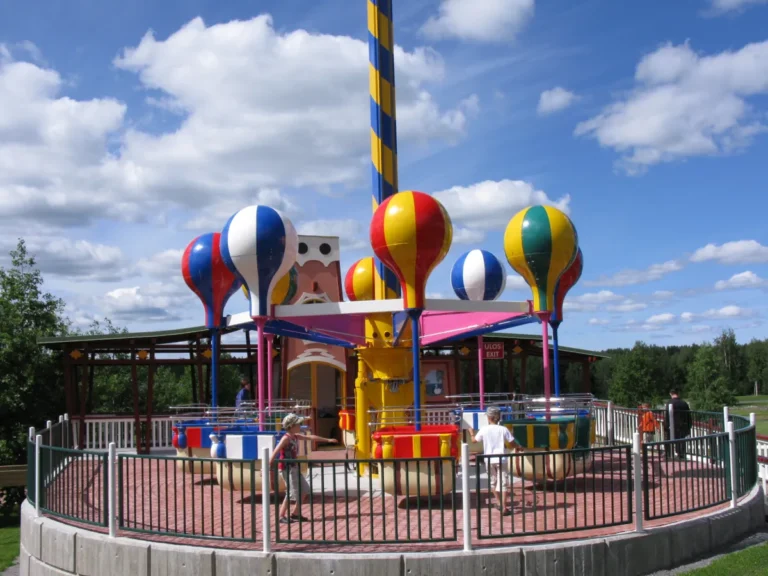
Around that core sits everything else that makes a county fair feel like a county fair: concession trailers, a midway with rides and games, grandstand evenings, commercial and community booths, and long conversations between neighbors who have not crossed paths since the previous summer.
Because this is a community event rather than a ticketed attraction, general admission is typically free, and the money visitors spend tends to flow toward food, games, rides, and vendors. The county is rural and spread out, with Bloomfield as its seat, so the fair functions as a rare shared gathering point for families from every township.
For another look at how a community turns its own traditions into a gathering, see the Grant County Indiana Grant County Fair Festival for a useful comparison.

Greene County’s Fair Tradition: Farm Roots and 4-H Growth
Greene County was founded on January 5, 1821, and for most of the century that followed, its social calendar revolved around agriculture. County and township agricultural societies staged exhibitions of crops, livestock, and machinery, and those gatherings became the working template for the modern county fair.
The 4-H movement reached Indiana in the early 1900s and gave the old fairgrounds a new purpose. Club members began entering judged projects — animals, canned goods, sewing, woodwork — and the county fair became the annual public test of their effort. Over the decades the grounds added permanent barns, a show arena, an exhibit hall, and a grandstand, each addition answering a specific need: more stalls, more display space, more seating for evening events.
What has not changed is the seasonal logic. The fair lands in summer, when school is out and livestock are at their best, and it still closes the loop between a young exhibitor’s year of work and a community’s chance to see it.
Inside the Greene County Fair: Food, Grandstand Nights, and Family Draws
Fair days follow a predictable arc, and knowing it helps you choose when to arrive. Mornings belong to livestock shows and project judging. Afternoons fill with families, strollers, and midway noise. Evenings pull the largest crowds once the heat breaks, with the grandstand as the main magnet.
Fair Food and the 4-H Concession Stands
Food is a genuine part of the draw. Expect the classic county fair lineup — breaded tenderloins, corn dogs, funnel cakes, lemon shake-ups, nachos, and ice cream — alongside 4-H club stands where proceeds support local clubs and their projects. Lines run shortest in mid-afternoon and longest right after the grandstand lets out. Smaller stands may be cash-only, so carry small bills even if larger vendors accept cards.
Grandstand Nights and Local Entertainment
Evening programming concentrates the entertainment. County fair grandstands in this part of Indiana commonly host tractor pulls, demolition derbies, live music, and pageants, though the lineup shifts from year to year. Check the current schedule before building an evening around one event, and arrive early — grandstand seating fills quickly on the biggest nights, and standing room fills next.
Livestock Barns, Project Halls, and Kid-Friendly Activities
The barns are the heart of the fair: cattle, swine, sheep, goats, poultry, and rabbits, with exhibitors nearby who are usually happy to answer questions between classes. Project halls display the quieter work — photography, baking, gardening, sewing, and crafts. Younger children gravitate to the small-animal barns and the midway. Remind kids to ask before touching animals and to wash hands afterward, and set a meeting point before anyone wanders.
Planning a Greene County Fair Visit Without the Guesswork
Most of the friction in a fair visit comes down to three things: traffic, heat, and money. Solve those and the rest of the day takes care of itself.
Getting to the Fairgrounds Near Bloomfield
Greene County sits in southwestern Indiana, and the fairgrounds are reached by state highways and county roads that funnel traffic toward the Bloomfield area. The final miles are two-lane and rural, so plan for farm equipment, slow turns, and lower speed limits than your navigation app suggests. Set your destination before you leave, since signal can be spotty in stretches of the county, and expect the heaviest inbound traffic in the hour before evening events begin.
Where to Stay in and Around Greene County
Lodging inside the county is limited, and what exists books early during fair week. Many visitors base themselves in larger regional cities within roughly an hour’s drive and make the trip in for an afternoon or evening. If you tow a camper or travel in an RV, ask the fair organizers directly about on-site camping, since county fairs often set aside a first-come area for exhibitors and guests.
Parking Strategy at the Greene County Fair
Fair parking is generally free, first-come, and on grass or gravel, which means dust in dry weather and soft ground after rain. Arriving before the evening rush is the single best decision you can make. Wear shoes you do not mind scuffing, note a landmark near your parking spot, and if anyone in your group has mobility concerns, ask staff about accessible drop-off close to the gates rather than walking the full lot.
Admission, Wristbands, and Real Costs
General admission is typically free, so the real budget goes to food, midway rides and games, raffle tickets, and vendor purchases. Rides are usually sold as individual tickets or as an all-you-can-ride wristband during certain sessions; for kids who want to ride for hours, the wristband is usually the better value. Some grandstand events may carry a separate charge in a given year, so confirm before you promise anyone a seat.
July Heat, Storms, and What to Pack
Mid-summer in southwestern Indiana means heat, humidity, and a real chance of afternoon thunderstorms. Mornings are the most comfortable window for barns and shows. Bring water bottles, sunscreen, and hats, and keep a rain plan in mind: exhibit halls and barns offer cover, while open areas and the midway clear out fast when lightning appears. A light rain jacket beats an umbrella in a crowd.
A Sample Fair Weekend Built Around Greene County’s Rhythm
Start Friday mid-afternoon, when parking is still easy and the barns are calm. Walk the livestock aisles while exhibitors prep, then eat early at a 4-H stand before the dinner lines form. Spend Friday evening at the grandstand, and leave a few minutes before the final event ends to beat the exit crush.
Saturday morning is for project halls and livestock shows, before the heat peaks. Take a midday break in the shade or indoors, then return in late afternoon for the midway. Saturday evening belongs to the grandstand again if the schedule has something you want to see. Save Sunday for a slower pass: revisit exhibits you rushed, buy from vendors, watch final classes, and let the week wind down.
How the Greene County 4-H Fair Compares With Neighboring Fairs
Neighboring county fairs in southwestern Indiana share the same 4-H skeleton but differ in scale and setting. Fairs closer to a university city tend to come with more lodging, restaurants, and traffic, which helps out-of-town visitors and complicates parking. Fairs in similarly rural counties feel much like Greene’s: compact, unhurried, and built around barns rather than spectacle.
Greene County’s advantage is exactly that compactness. You can park once, walk the entire grounds, and still see a livestock show, a project hall, and a grandstand event in one evening. The trade-off is lodging and dining variety, which is why many visitors treat the fair as a day trip rather than an overnight.
Greene County Fair Packing and Prep Checklist
Before you leave: confirm the current year’s schedule and grandstand lineup, decide whether you want a wristband session, fuel up beforehand since rural stations are spaced out, and check the radar for afternoon storms.
Pack water bottles, sunscreen, hats, closed-toe shoes, small bills for cash-only stands, a tote for purchases, and a light rain jacket. Leave pets at home, and skip glass containers and anything you would hate to lose in a crowd.
Beyond the Fairgrounds: Greene County the Rest of the Year
Bloomfield, the county seat, is a small courthouse town worth a slow drive-through on your way to or from the fair. The rest of Greene County is farm country — corn and soybean fields, wooded ridges, and large restored wetland areas that draw birders during migration. Visitors often pair a fair trip with a rural backroad loop and a meal at a local diner.
If you want more options, larger regional cities within about an hour’s drive offer museums, restaurants, and chain lodging that the county itself does not.
What the 4-H Fair Carries for Greene County
For a county of 30,803 people spread across 545.92 square miles, the fair is one of the few events that pulls every township into the same place at the same time. It is where 4-H members learn to present their work, handle an animal under pressure, and accept a judge’s decision — skills that outlast the ribbons.
It is also an economic moment for clubs, vendors, churches, and local businesses that sponsor classes and booths. Beyond money, the fair renews something harder to measure: the habit of a rural county showing up for its own kids.
Where the Greene County 4-H Fair Sits on the Map
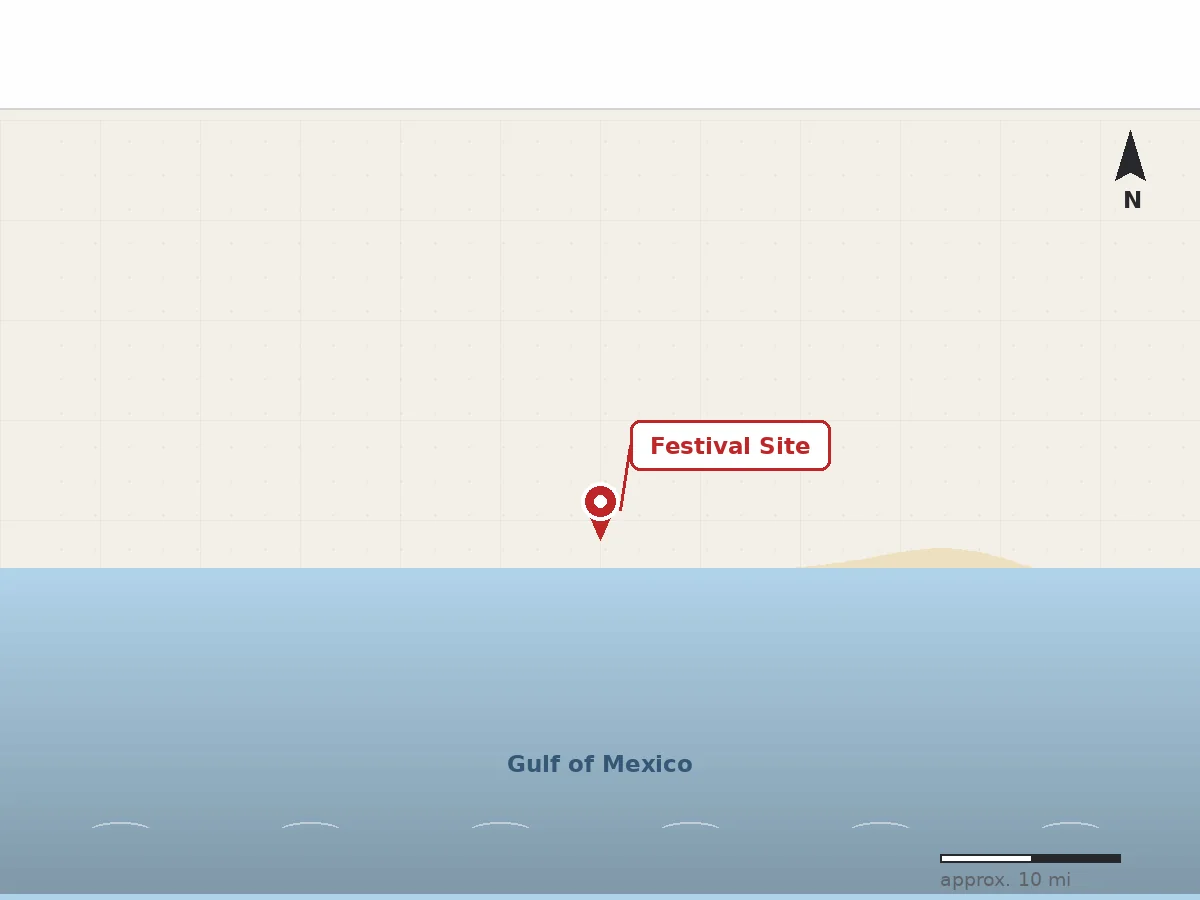
The Greene County Indiana 4-H Fair takes place at the county fairgrounds in Greene County, Indiana, near Bloomfield, the county seat, within roughly an hour’s drive of Terre Haute, Bloomington, and Vincennes.
Greene County 4-H Fair Answers for First-Time Visitors
Is admission to the Greene County 4-H Fair free?
General admission is typically free, which is standard for county 4-H fairs. Your spending will concentrate on food, midway rides and games, raffle tickets, and vendor booths. Some grandstand events or ride sessions may carry a separate charge in a given year, so check the current schedule before you go.
How many days does the fair run each summer?
Indiana county 4-H fairs commonly run about four to six days, often spanning a weekend and continuing into the following week. Expect a multi-day stretch rather than a single afternoon, with livestock shows, project judging, and grandstand events distributed across the run. Confirm the exact window with the current year’s schedule.
What happens if it rains during the fair?
Barns and exhibit halls provide cover, and many indoor activities continue regardless of weather. Livestock classes and grandstand events may be delayed or rescheduled, and open areas clear quickly when lightning is nearby. Grounds can get muddy after heavy rain, which is another argument for closed-toe shoes.
Is the fair a good outing for young children?
Yes, especially in the morning and early afternoon, when crowds are lighter and the heat is manageable. Small-animal barns, project halls, and the midway are the usual highlights for kids. Bring water and snacks, plan for stroller-unfriendly grass and gravel in places, and agree on a meeting point in case anyone gets separated.
The Next Chapter for the Greene County 4-H Fair
The fair’s future looks a great deal like its past: volunteer-driven, agriculture-rooted, and dependent on local families who keep entering projects and showing animals. The pressures are familiar ones — volunteer hours, facility upkeep, and competition for summer attention. The direction is equally familiar: continued emphasis on youth exhibits, more attention to shade and accessibility, and entertainment that still fills a grandstand on a warm July night.
Last updated: October 2026
Plan for the heat, park early, eat at a 4-H stand, and give yourself one slow lap through the barns before the crowds arrive. The Greene County Indiana 4-H Fair is a single summer week that gives a wide, rural county a shared center — and a good plan simply lets you enjoy it instead of managing it.