Franklin County Indiana 4-H Fair Festival
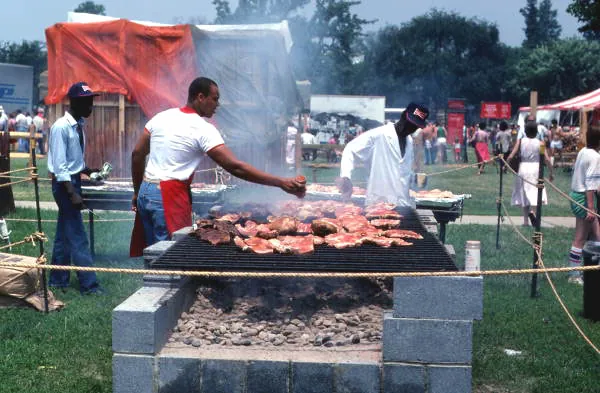
Summer in Franklin County, Indiana has a particular sound: cattle shifting in a show ring, a loudspeaker calling the next class, and a carnival ride clicking its way up to speed as the light goes gold. The Franklin County Indiana 4-H Fair gathers all of it onto one stretch of fairgrounds, usually across several days in July, when the corn is tall and the evenings stay bright well past nine.
Franklin County covers 391.05 square miles of east-central Indiana, was authorized on February 1, 1811, and holds a population of about 22,785. The 4-H Fair is one of the few events that pulls from every township at once — farm families, in-town neighbors, grandparents, and kids who have spent months raising a hog, sewing a garment, or rebuilding a small engine.
Franklin County Indiana 4-H Fair: Key Details for Visitors
Before you plan a day or a weekend, here is the shape of the event in plain terms.
| Town / place | Franklin County area, Indiana |
| County | Franklin County, Indiana |
| County seat | Brookville |
| Population | 22,785 (county) |
| Region | East-central Indiana, Whitewater River valley |
| Typical timing | A summer stretch in July, often spanning several days |
| Admission | Generally free to enter the grounds; some activities charge separately |
| Setting | Rural fairgrounds with barns, show rings, and open midway space |
| Features | 4-H livestock shows, static project exhibits, fair food, grandstand events, carnival rides |
| Organizer | Franklin County 4-H clubs with community volunteers |
Inside the Franklin County 4-H Fair: Barns, Booths, and Show Rings
The fair is built around 4-H project work, and that shapes everything. Members enroll in the spring, work through the summer, and bring the results to the fairgrounds for judging. Livestock barns hold beef and dairy cattle, swine, sheep, goats, poultry, and rabbits. Static exhibits fill a project building with photography, woodworking, gardening, food preservation, sewing, and crafts.
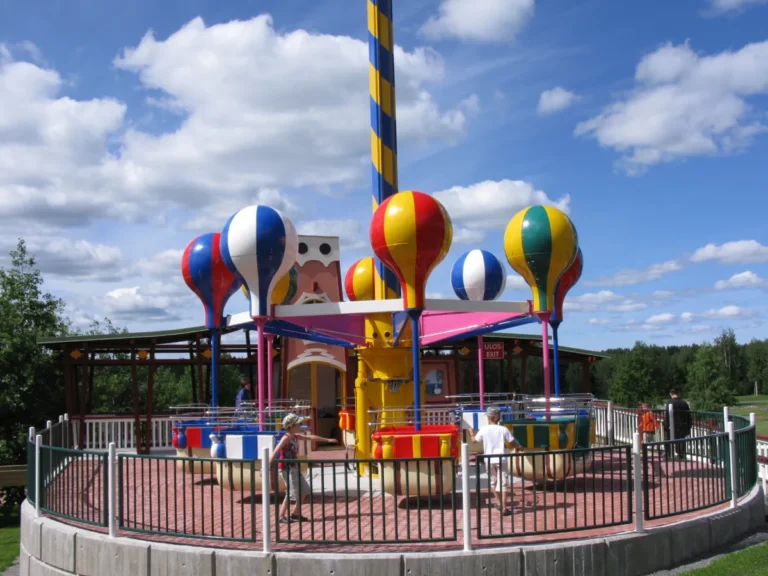
Around those core exhibits sits the fair people remember: a midway with rides, food stands run by local groups, a grandstand with evening programs, and plenty of benches where neighbors catch up. It is not a vast commercial exposition. It is a county fair in the truest sense — scaled to a place with roughly 22,785 residents, where the person handing you a pork burger is likely someone you know.
For another look at how a community turns its own traditions into a gathering, see the Fountain County Indiana Fountain County Fair Festival for a useful comparison.
From 1811 County Lines to a Summer Tradition
Franklin County was authorized on February 1, 1811, carved out of the young Indiana Territory and named for Benjamin Franklin. The first settlers arrived along the Whitewater River, and Brookville grew into the county seat and a river trading town. Farming defined the landscape: corn, hogs, cattle, and the small family operations that still mark the county’s back roads.
4-H arrived in Indiana in the early decades of the twentieth century, when agricultural clubs for young people began organizing around corn growing, canning, and livestock. Franklin County’s clubs followed that pattern, and the county fair became the natural showcase — the place where a year of work got measured, judged, and celebrated.
Over the generations the fair has shifted with the county. Dairy numbers have thinned, technology projects have multiplied, and the midway has changed hands more than once. What has not changed is the calendar rhythm: enroll, work, exhibit, sell, repeat. For many Franklin County families, that cycle is the summer.
What a Fair Day Feels Like in the Franklin County Area
A fair day here moves in phases — morning judging, afternoon heat, and an evening that everyone stays for.
Fair Food Worth Standing in Line For
Food stands are usually run by local churches, clubs, and 4-H groups, which means the menu leans homemade: tenderloins, pork burgers, grilled corn, pie by the slice, lemon shake-ups, and funnel cakes. Portions are generous and prices tend to stay modest. Many visitors eat dinner at the fair rather than before it.
Music, Grandstand Shows, and Evening Entertainment
Evenings bring the grandstand to life, typically with a mix of local bands, talent showcases, and traditional fair events. Expect country, classic rock, and gospel influences, plus the kind of programming that fills a small-county track — tractor pulls, demo events, and 4-H recognition nights. Arrive early if you want a seat rather than standing room.
Family Activities and 4-H Exhibits
Families gravitate to the project building, where kids can see what other kids made, and to the livestock barns, where exhibitors are usually happy to answer questions about their animals. Carnival rides, games, and small-animal shows fill the gaps between events. For young children, the fair is manageable in a single afternoon — the grounds are compact and easy to walk.
Planning Your Trip to the Franklin County 4-H Fair
A little preparation goes a long way at a rural county fair. Here is what matters most.
Getting to the Franklin County Area
Franklin County sits in east-central Indiana, within reach of Interstate 74 to the south and Indiana 1 running north through Brookville. Most visitors drive, and the approach roads are two-lane country highways with farm equipment traffic in July. Budget extra time in the evening and watch for slow-moving trucks near the fairgrounds entrance.
Where to Stay Around Franklin County
Lodging in the county is limited, so many fairgoers stay in Brookville or drive in from nearby towns. Options include small inns, cabins, and campgrounds, with more chain hotels in the surrounding region. Book early for fair week, especially if you are attending a livestock sale or a multi-day event.
Parking Near the Fairgrounds
Parking is typically on or adjacent to the fairgrounds, on grass and gravel lots managed by volunteers. It fills fastest on weekend evenings and during grandstand events. Arriving before the dinner hour gives you a shorter walk and an easier exit at the end of the night.
Admission, Costs, and What Adds Up
Admission to the fairgrounds is generally free, which makes the fair an easy outing for families. Costs come from the extras: carnival rides, midway games, food, and occasionally a grandstand event with its own ticket. Bring cash for stands and small vendors, and set a ride budget for kids before you walk in.
July Weather and What to Wear
Expect heat and humidity, with afternoon thunderstorms possible. Wear light clothing, comfortable closed-toe shoes for barn areas, and a hat. Bring sunscreen, refillable water, and a light rain jacket. Evenings cool off enough that a long-sleeve layer is welcome if you plan to stay for the grandstand.
A Sample Fair Weekend in Franklin County
Friday afternoon. Arrive mid-afternoon when parking is still easy. Walk the livestock barns first while the day is hottest, then head to the project building for the static exhibits. Grab an early dinner from a food stand before the lines form.
Friday evening. Stake out a grandstand seat, catch the evening program, and let the kids loose on the midway once the sun drops. Stay for the lights — the fairgrounds after dark is the version most people photograph.
Saturday morning. Return for livestock judging. This is the fair at its most serious and most interesting, with exhibitors in show clothes and judges working through classes. It is also the coolest, quietest part of the day.
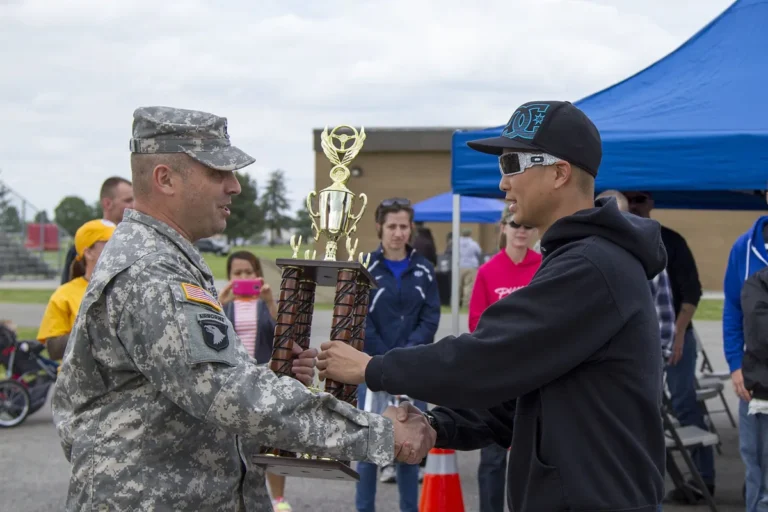
Saturday afternoon and evening. Browse the commercial and community booths, watch a demonstration or two, and eat lunch at the fair. If there is a livestock auction or recognition ceremony, that is usually the emotional center of the weekend. Finish with one more pass through the midway and a final lemon shake-up.
How Franklin County’s Fair Compares With Nearby County Fairs
Franklin County’s fair sits in a cluster of similar small-county events across southeastern Indiana. The Fayette County fair in Connersville runs a comparable summer schedule with a strong grandstand tradition. The Ripley County 4-H Fair near Osgood is known for deep livestock participation, and the Union County fair in Liberty keeps a compact, community-first feel.
What sets Franklin County apart is scale and setting. With roughly 22,785 residents spread across 391.05 square miles, the fair stays walkable and unhurried, and the Whitewater River valley backdrop gives evenings a distinctly rural quiet. If you enjoy one of these fairs, you will enjoy the others — but each has its own food stands, its own families, and its own way of running a show ring.
What to Pack and Prep for a Franklin County Fair Day
Bring cash for food stands and games, a refillable water bottle, sunscreen, and bug spray for the evening. Wear closed-toe shoes you do not mind getting dusty, and pack a light layer for after sunset. Charge your phone before you go, since outlets are scarce.
Before leaving home, confirm the day’s schedule, since events shift between morning and evening sessions. If you are meeting family, pick a landmark — the project building or the main gate — rather than relying on cell service in a crowded barn aisle.
Beyond the Fairgrounds: Franklin County, Indiana Off the Midway
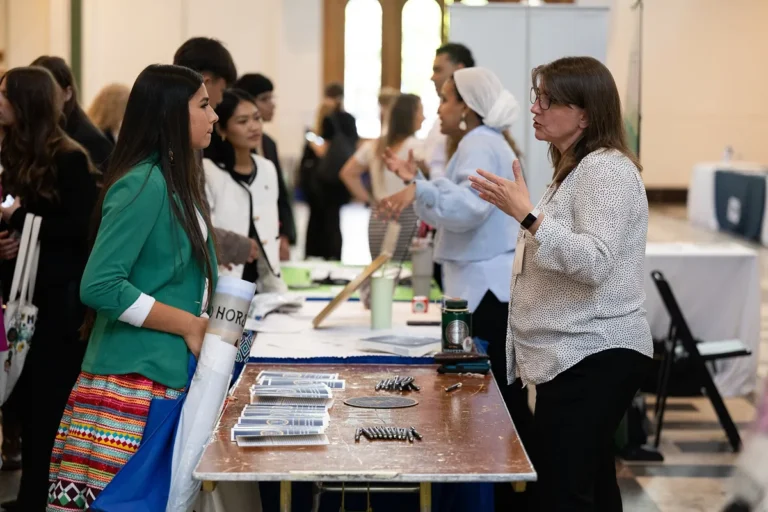
Make a weekend of it. Brookville, the county seat, offers a historic downtown and access to Brookville Lake, one of the region’s main recreation draws for boating, fishing, and swimming. The Whitewater River valley provides paddling and riverside drives, and the county’s back roads are genuinely scenic in midsummer.
Between fair sessions, look for local diners, farm stands selling sweet corn and tomatoes, and small shops in the county’s towns. The pace is slow, the distances are short, and a detour rarely costs more than twenty minutes.
What the 4-H Fair Means to Franklin County
For a county authorized back in 1811, the fair is a link between the agricultural past and the present. It is where a nine-year-old learns to keep records and speak to a judge, and where a high school senior finishes a decade of project work. It is also one of the few times the whole county occupies the same few acres.
The economic effect is modest but real: food stands fund local organizations, the livestock sale puts money back into farm families, and the fairgrounds host gatherings throughout the year. Mostly, though, the value is social — a shared summer ritual that keeps a rural county connected.
Where the Franklin County 4-H Fairgrounds Sit
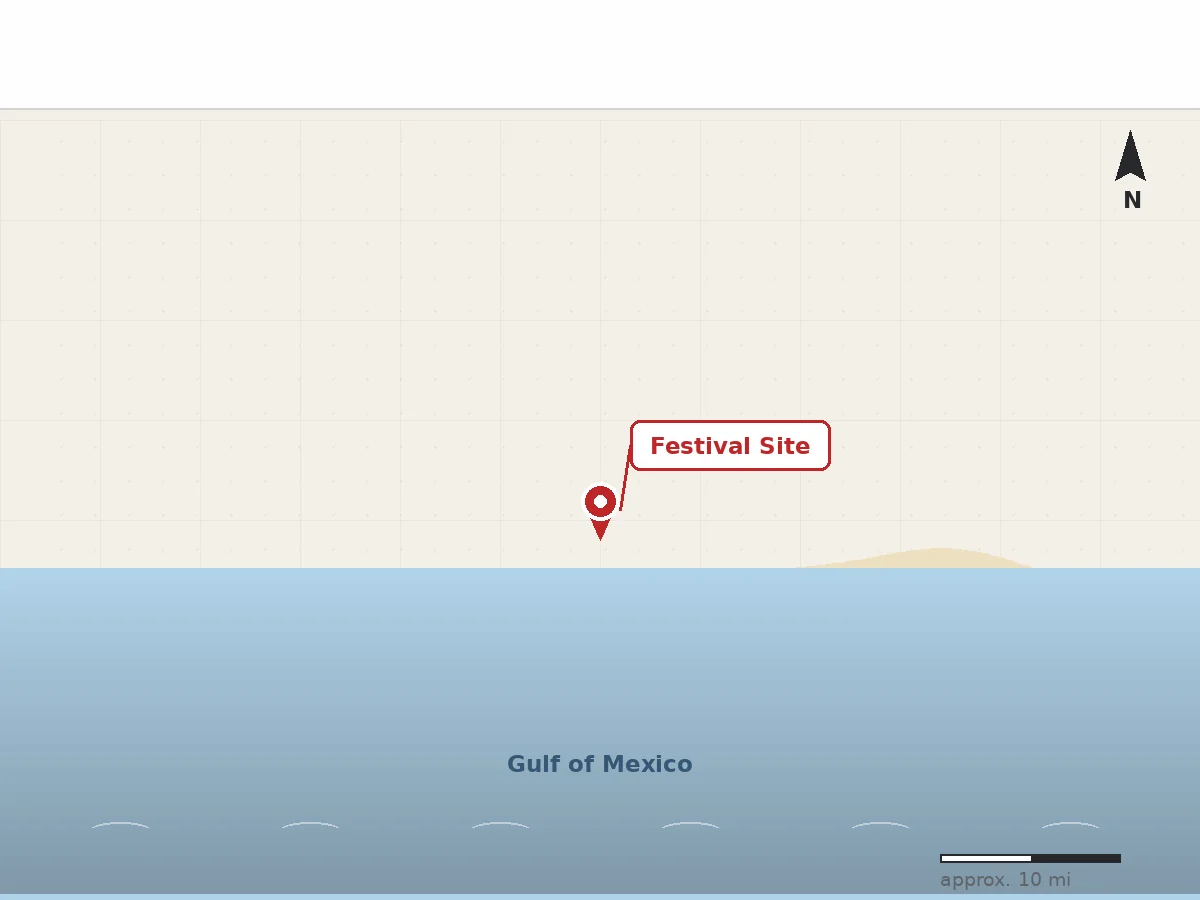
The fair takes place at the Franklin County fairgrounds in the Brookville area of east-central Indiana, within the Whitewater River valley.
Franklin County 4-H Fair: Answers for First-Time Visitors
Is the Franklin County 4-H Fair free to attend?
Entry to the fairgrounds is typically free, and that is one reason families return several times during fair week. Individual costs apply to carnival rides, games, food, and some grandstand programs, so plan a budget for those extras rather than for admission.
When does the fair usually take place?
The fair is held each summer, generally over a several-day stretch in July, with livestock judging, project exhibits, and evening entertainment spread across the run. Check the current year’s schedule before you travel, since the exact week shifts from year to year.
Can visitors watch the livestock shows?
Yes. Livestock judging is open to the public and is the heart of the fair. Morning classes are usually the most comfortable and the easiest to follow. Keep a respectful distance from animals, ask before touching, and follow any posted barn rules.
Is the fairgrounds manageable for young children or visitors with mobility needs?
The grounds are compact and mostly flat, which makes walking between barns, the project building, and the midway reasonable for most visitors. Surfaces include grass and gravel, so a stroller with larger wheels or a sturdy walking shoe works better than something delicate.
The Next Seasons of the Franklin County 4-H Fair
County fairs everywhere are adapting — to changing farm numbers, to new project categories in technology and science, and to audiences who want more than a midway. Franklin County’s fair will keep evolving along those lines while holding onto the parts that work: barns, exhibits, food, and a grandstand full of neighbors.
For visitors, the practical advice stays the same. Plan around a July weekend, come early for parking, bring cash, and leave room in the day to simply sit and watch. Last updated: October 2026
The Franklin County Indiana 4-H Fair is a small-county fair done well — unhurried, rooted in 4-H project work, and set in a landscape of cornfields and river valley. Go once and you will understand why families here mark the summer by it.
One Comment