Fayette County Indiana Free Fair Festival
Every summer I make the same drive back into Fayette County with a checklist I have refined over years of visits: walk the barns before the heat settles in, keep an appetite in reserve for the food row, and leave the evening open for whatever is happening at the grandstand. The Fayette County Indiana Free Fair is not the biggest fair in the state, and that is exactly why it works. It is a county fair in the truest sense.
The name is the draw. A free fair means the gate is not a decision you have to weigh. You can stop in for an hour after work, bring the kids twice in one week, or wander over just for a tenderloin and a look at the sheep. That low barrier is why the fair still functions as an unofficial county homecoming in the Connersville area, and it is why I keep returning to a fair I could easily skip.
Fayette County Free Fair: Details Worth Knowing Before You Park
A quick orientation for anyone planning a first visit, or a fifteenth.
| Town / area | Fayette County area, with Connersville as the hub |
| County | Fayette County, Indiana |
| County seat | Connersville |
| County population | 23,398 |
| Region | East-central Indiana |
| Typical timing | Summer, usually a multi-day run |
| Admission | Free |
| Setting | Local fairgrounds with barns, exhibit space, a midway, and a grandstand |
| Signature features | Livestock and 4-H exhibits, fair food, rides, grandstand entertainment |
| Organizer | Volunteer fair board and local community groups |
Why a Free Fair Still Fits Connersville and Rural Fayette County
Fayette County is small enough for a fair to mean something. The county covers 215.16 square miles and is home to 23,398 people, most of them living in and around Connersville, the county seat. That is a population that can nearly fill its own fairgrounds on a good weekend — and in most years, it does.
The result is a fair where you will run into people you know. The Free Fair uses the familiar building blocks — livestock barns, 4-H project displays, a midway, a food row, a grandstand — but the scale stays human. Lines move. Kids roam in packs. Grandparents claim the same benches they claim every year. Admission is free, as the name promises, and that single fact shapes the crowd: farm families, town families, and people who drove in from the surrounding countryside because there was nowhere else they would rather be.
For another look at how a community turns its own traditions into a gathering, see the Emmet County Iowa Agricultural Show Festival for a useful comparison.
From an 1818 County Seat to a Fair That Still Fills the Grounds
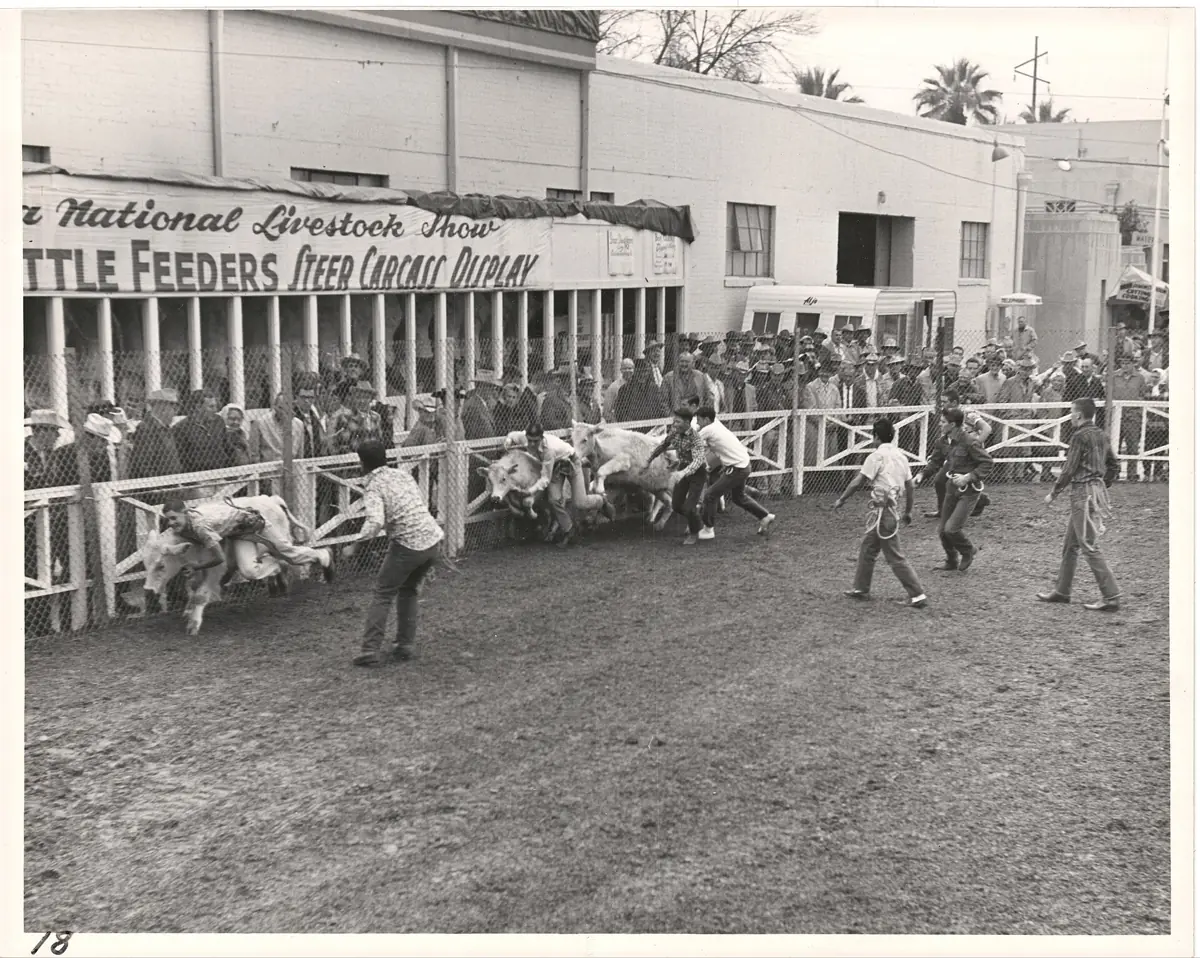
Fayette County was founded in 1818, and Connersville has served as its county seat ever since. In the decades that followed, county fairs became one of the main ways rural Indiana measured itself. Farmers compared corn and hogs, households entered preserves and needlework, and neighbors who had not seen each other since harvest caught up over a shared grandstand.
The word “free” in the fair’s name comes from that same practical streak. A gate charge would have excluded exactly the people the fair was built to serve, and in a county this size, an accessible fair is a fair that survives. Keeping admission free has always been less a marketing decision than a community one.
What has changed across the generations is the balance. Livestock shows and 4-H exhibits still anchor the schedule, but the midway, the food trailers, and the evening entertainment now carry much of the foot traffic. What has not changed is the rhythm — one stretch of summer when Fayette County gathers in a single place and stays a while.
What a Fair Day Actually Looks Like on the Fayette County Grounds
If you have been to a county fair anywhere in the Midwest, you will recognize the shape of the day. What makes the Free Fair different is the pace and the familiarity of the crowd around you.
Fair Food That Sets the Pace of the Day
Food is the fair’s clock. Mid-morning belongs to coffee and something from a church or civic group stand. Midday is for the big decision: a breaded pork tenderloin, a corn dog, or both. Late afternoon is lemonade shake-ups and ice cream, and evening is whatever you swore you would not eat and then ate anyway. Vendors set their own menus and prices, so bring cash and small bills, and expect the longest lines right after the grandstand crowd is released.
Grandstand Nights, Local Bands, and Small-Town Talent
Evening entertainment is where the fair leans hardest on local talent. Grandstand programming in most years mixes music, motorsports-style events, and community showcases, with younger performers and area groups getting stage time earlier in the night. Bring a blanket or a lawn chair if you plan to sit out, and claim a spot before the sun drops — the best angles fill first.
Family Activities That Keep Everyone Moving
Families tend to build their day around three stops: the barns, the midway, and the exhibit hall. The barns are the fair’s heart and are best visited early, when animals are active and exhibitors are still around to answer questions. The midway handles the rides. The exhibit hall is where you find the 4-H projects, baked goods, canned goods, and crafts — the entries that tell you what Fayette County actually does with its evenings and weekends.
Planning a Free Fair Trip, From Connersville or From Out of County
Logistics at a county fair are simple, but a little planning saves a lot of walking.
Getting to the Fairgrounds Area
The fair sits in the Connersville area, in the heart of Fayette County, and is easiest to reach by car. If you are coming from another county, plan your route around the county seat rather than trying to cut across on rural roads, which can be slow and easy to misjudge after dark.
Where to Stay in and Around Fayette County
Overnight options in the county are limited, so most out-of-town visitors stay in Connersville or look to larger neighboring communities within an easy drive. If you are coming for more than one evening, book early in the summer — fair week is one of the few times the area’s rooms fill up.
Parking Without the Usual Fairground Frustration
Parking is typically on or adjacent to the grounds, with volunteers directing traffic. Arrive before the evening entertainment begins and you will park close; arrive at the peak and you will walk. Comfortable shoes are not optional at a fair this size — you will cover more ground than you expect.
What Is Free, and What Is Not
Admission is free, which is the whole point of the name. Individual items are not: rides, food, games, and some grandstand events carry their own charges set by vendors and organizers. Set a rough budget for the midway, keep cash on hand, and you will never be caught short at the ticket window.
Weather and What to Wear for an Indiana Summer Fair
Expect heat, humidity, and the occasional summer storm that rolls through fast and leaves the grounds steamy. Dress in light layers, bring sunscreen and a refillable water bottle, and keep a poncho or compact umbrella in the car. Barns and exhibit halls double as shade when the afternoon gets heavy.
A Sample Fair Weekend, Built From Repeat Visits
After several years of trial and error, this is the shape I recommend for a first Free Fair weekend.
Early evening arrival. Skip the hottest part of the day. Park, walk the barns while exhibitors are still working, then head to the food row before the dinner rush builds.
First full morning. Come back early for livestock shows and the exhibit hall. This is when the fair feels most like itself — quiet, purposeful, full of people who have been preparing for months.
Midday break. Eat something cold, sit in the shade, and let the kids run the midway before the sun is at its worst. Rides are usually busiest in the late afternoon, so a midday pass saves waiting.
Evening at the grandstand. Claim a seat before the show, and stay for the walk back through the grounds afterward, when the lights are on and the food trailers are winding down. That last half hour is the part I remember most.
How the Free Fair Stacks Up Against Neighboring County Fairs
Fayette County sits in a cluster of small Indiana counties, each with its own fair tradition, and the differences are mostly about size and flavor rather than substance. Richmond, to the east in Wayne County, brings a bigger-city feel and a larger population base to draw on. Rushville, to the west in Rush County, keeps a strong agricultural emphasis and a schedule built around livestock. Brookville, to the south in Franklin County, pairs its fair season with a lake and a more recreational summer crowd.
What the Free Fair offers that those neighbors do not is intimacy plus free access. You are not fighting a regional crowd, and you are not paying to walk in. For a returning visitor, that combination is the whole argument.
A Repeat Visitor’s Checklist for the Free Fair
| Cash and small bills | Vendors and midway games move faster with cash |
| Comfortable shoes | The grounds are bigger than they look from the road |
| Sunscreen and water | Indiana summer afternoons are unforgiving |
| Lawn chairs or a blanket | For grandstand and evening seating |
| Rain gear in the car | Storms arrive quickly and pass quickly |
| Arrival before evening | Best parking and shortest food lines |
| Barn visit first | Animals and exhibitors are most active early |
| A loose schedule | The best parts of the fair are unplanned |
Beyond the Fairgrounds: Fayette County Between Fair Sessions
The Free Fair is the anchor of a summer visit, but it is not the only reason to linger in the area. Downtown Connersville rewards a slow walk, with the kind of compact, walkable main street that smaller county seats still do well. The surrounding countryside is farmland and tree lines, and the rural roads north and south of town make for an easy, unhurried drive.
If you are staying overnight, build in a morning before the fair opens. Get breakfast in town, drive a loop through the county’s 215.16 square miles, and you will understand the fair’s audience better than any brochure can explain it. This is a county where the fair is not an event so much as an annual reunion with a midway attached.
County Fair as Homecoming: What the Free Fair Holds Together
In a county of 23,398 people, institutions that bring everyone to one place are rare. The Free Fair is one of them. It is where 4-H members learn to present their work, where volunteer groups raise money for the year, where teenagers get their first summer job, and where grandparents watch the same grandstand shows they watched decades ago.
That is why the free gate matters more than it might seem. It turns the fair from a ticketed attraction into a public square. Anyone in Fayette County can walk in, and in most years, a remarkable share of them do.
Where the Free Fair Sits in the Connersville Area
The Fayette County Indiana Free Fair takes place on the fairgrounds in the Connersville area, the county seat of Fayette County in east-central Indiana.
Free Fair Basics I End Up Explaining Every Year
Is the Free Fair really free to get into?
Yes. Admission is free, which is the tradition behind the name. Individual attractions — rides, food, games, and certain grandstand events — are priced separately by their vendors and organizers, so budget for those rather than for a gate fee.
When does the fair usually happen?
In most years the Free Fair runs across several days in the summer, which is when Indiana county fairs traditionally take place. Because the exact dates shift from year to year, check local listings as summer approaches rather than planning around a fixed week.
Can I bring kids and still see the livestock shows?
Absolutely — that combination is the classic Free Fair day. Go to the barns first, while animals are active and exhibitors are present, then move to the midway and the food row once the morning shows wrap up. Strollers handle the grounds fine, though the barn aisles get tight when crowds build.
What happens if it rains during the fair?
Summer storms in this part of Indiana tend to move through quickly. Outdoor events may pause or shift, but exhibit halls, barns, and food stands keep the fair moving. Keep an eye on local announcements for any changes to grandstand programming, and plan a flexible afternoon rather than a rigid one.
What’s Next for the Fayette County Indiana Free Fair
The fair’s future looks a lot like its present: volunteer-run, free at the gate, and dependent on the same mix of exhibitors, vendors, and local sponsors that has kept it going. The pressures are familiar ones for small county fairs — rising costs, an aging volunteer base, and competition for summer attention — but the Free Fair has an advantage most fairs do not. It asks nothing at the door, so the community keeps showing up, and showing up is what keeps a fair alive.
Expect the core to stay the same: livestock, 4-H exhibits, food, rides, and a grandstand schedule built around local talent. If anything grows, it will likely be in the evenings and in the family programming, where the demand is strongest.
Last updated: October 2026
If you have never been, treat the Free Fair the way a returning visitor does: arrive early, eat slowly, and stay for the walk back to the car after the lights come on. The fair is free, the county is small, and the evening is long enough to see all of it.