Emmet County Iowa Agricultural Show Festival
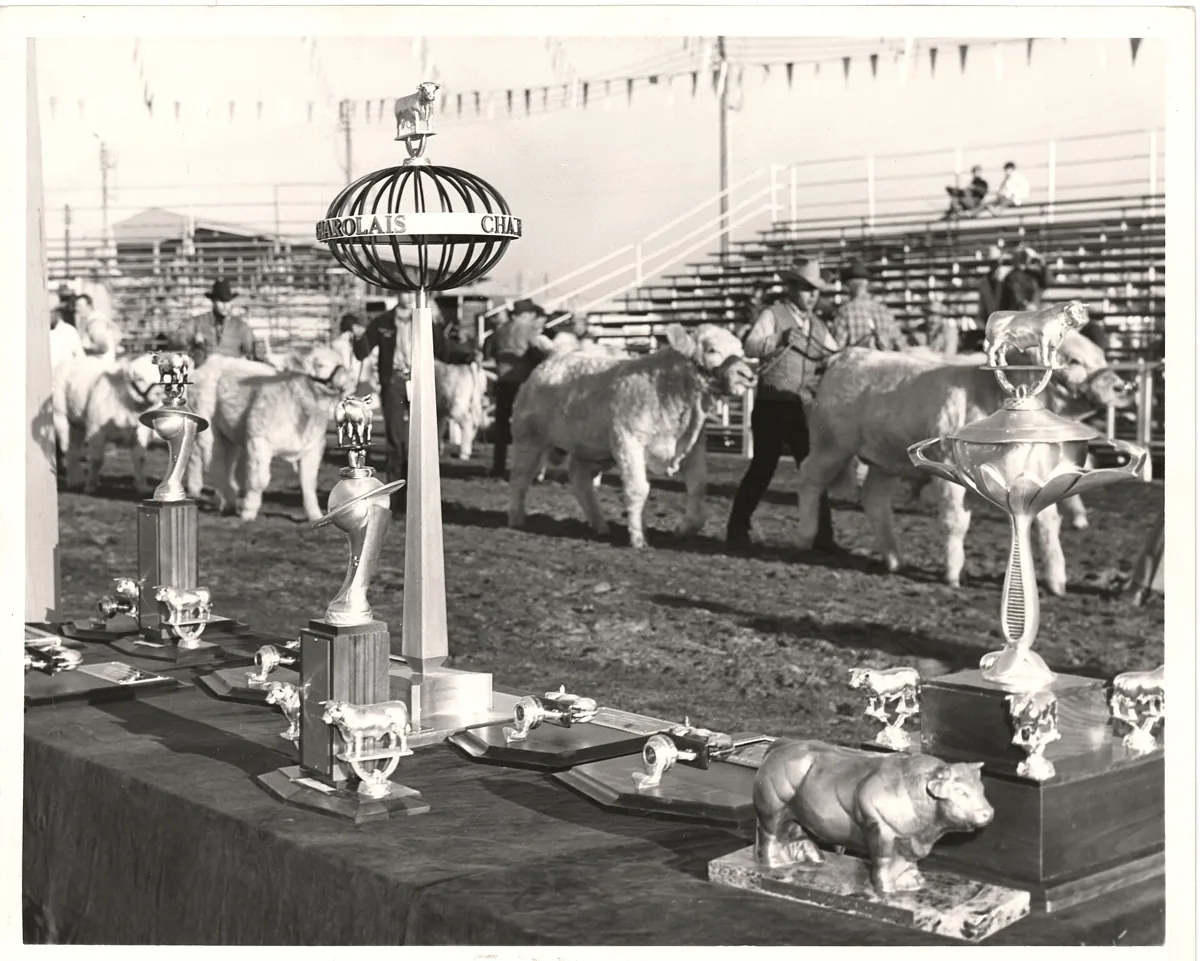
Estherville has been the seat of Emmet County for as long as anyone in the county can remember, and the town still organizes its year around the agricultural calendar. Plant in spring, tend through summer, harvest in fall — and somewhere in the warm middle of that cycle, the Emmet County Iowa Agricultural Show Festival takes over the local grounds and the whole county turns out.
The show is a county agricultural exhibition in the classic Iowa mold: livestock in the barns, vegetables and baked goods on the exhibit tables, judges with clipboards, kids with show sticks, and a row of food trailers running on fryer oil and lemonade. It is a working showcase rather than a nostalgia act, and that is exactly what makes it worth the drive.
Emmet County Agricultural Show: Key Details for Visitors
| Town / area | Estherville and the wider Emmet County area |
| County | Emmet County, Iowa |
| County seat | Estherville |
| Population | 9,388 (2020 census) |
| Region | Northwest Iowa |
| Typical timing | A summer weekend, in the heart of county fair season |
| Admission | Typically free to enter; some activities and grandstand events may charge |
| Setting | Fairgrounds with barns, a show ring, exhibit halls, and open lots |
| Signature features | Livestock judging, home and garden exhibits, tractor displays, fairground food |
| Organizer | Local agricultural and community volunteers |
A Working Showcase of Emmet County Farm Life
The Emmet County Iowa Agricultural Show Festival is a county-level agricultural exhibition held in the Emmet County area, with Estherville as its natural hub. Its purpose is simple: give the people who work the county’s 402.522 square miles of land a stage, and give everyone else a reason to show up, eat, and visit.
Expect livestock classes for beef and dairy cattle, hogs, sheep, poultry, and small animals, alongside static exhibits of vegetables, flowers, canned goods, baked goods, and needlework. 4-H and FFA members bring projects and animals; farm families and equipment dealers bring tractors and implements; commercial booths and a midway-style area fill in the rest of the grounds.
What separates a county agricultural show from a street fair or a music festival is the judging. Ribbons are awarded on structure, condition, presentation, and skill, and results are announced to an audience that knows exactly what a good market lamb or a prize-winning loaf of bread looks like. That seriousness is the point — and it is also the fun.
For another look at how a community turns its own traditions into a gathering, see the Elkhart County Indiana 4-H Fair Festival for a useful comparison.
From Estherville’s Early Years to a County Tradition
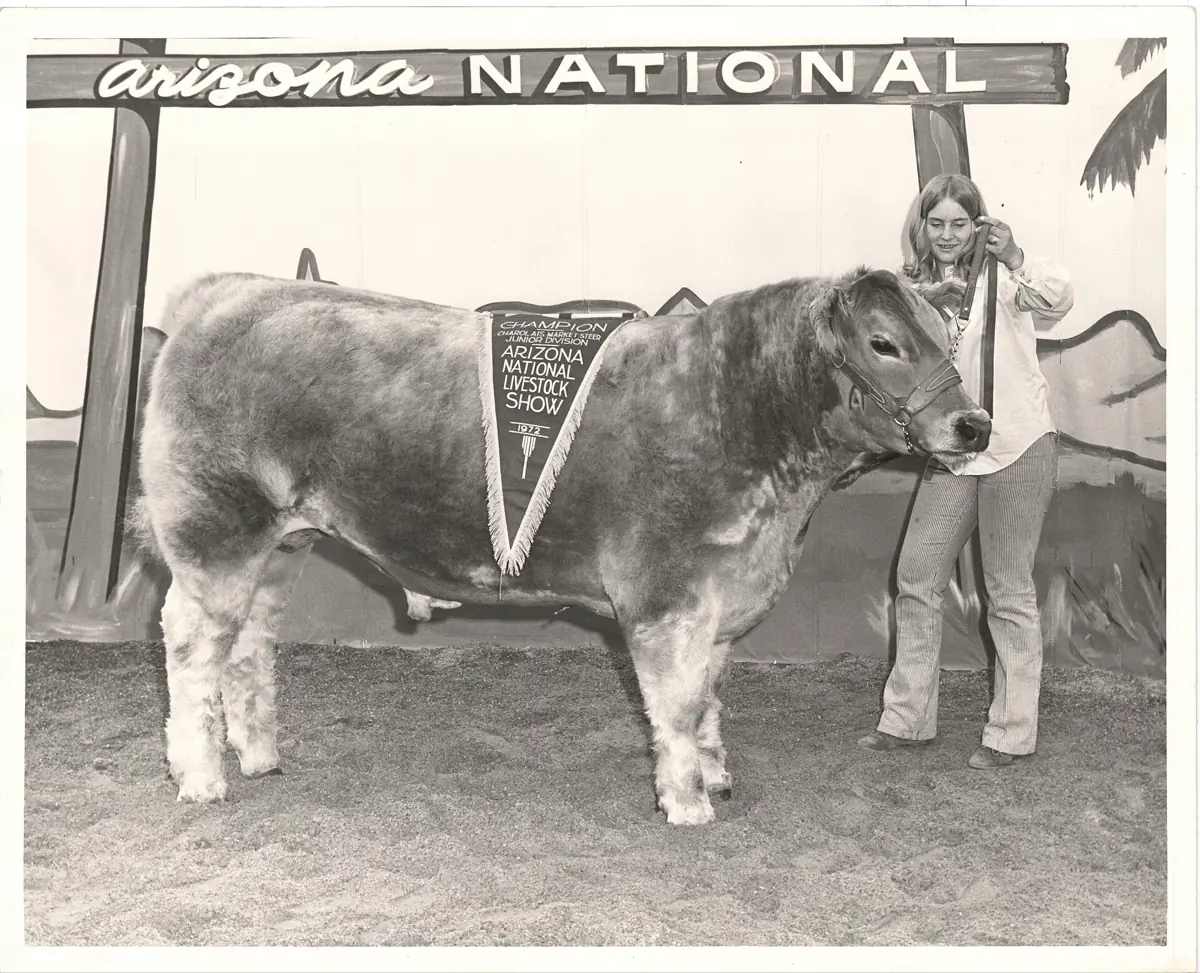
County agricultural shows in Iowa rarely begin as institutions. They begin as a picnic, a plowing match, or a stock exhibition staged on a town lot by farmers who wanted to compare notes, animals, and seed. As the prairie was broken and the railroad towns filled in, those gatherings grew into something bigger, and Estherville — the Emmet County seat — became the obvious place to bring the whole county together.
Through the twentieth century the format hardened into something recognizable: fairgrounds with a grandstand, barns, a show ring, and exhibit halls; a premium list that told exhibitors exactly what judges would look for; a schedule that ran from morning livestock classes to evening entertainment. The show changed with the county around it. Farms grew larger and fewer, machinery replaced horsepower, and 4-H and FFA became the main pipeline for young exhibitors.
What stayed constant was the calendar. When the show arrives, the county’s work is on display — not as nostalgia but as a live economy with a scoreboard. In recent decades organizers have added more food vendors, more seating, better accessibility, and entertainment aimed beyond the agricultural core, while the center of gravity remains the ring and the exhibit hall.
On the Ground at the Emmet County Show
A day at the Emmet County show moves at the pace of the schedule, but the shape of it is predictable from the moment you walk through the gate.
Food: Fairground Fare With an Iowa Accent
Food is half the reason many people come. Expect the fairground standards — pork chops on a stick, corn dogs, funnel cakes, burgers, nachos, soft-serve, and lemonade shaken by hand — plus stands run by local civic groups, churches, and vendors from around the county. Pies, bars, and coffee usually show up in the exhibit hall before they show up on a menu, and the baked goods sale is often one of the more entertaining stretches of the weekend. Bring cash for smaller stands; card readers are common but not universal.
Entertainment: Grandstand Nights and Tractor Parades
Evening programming usually anchors the weekend. Grandstand entertainment in a county show setting tends toward local and regional bands, country and classic rock acts, talent shows, and the kind of crowd-pleasing events that fill bleachers — tractor parades, equipment demonstrations, and motorsport-style shows are all staples of the format. Between the headline acts there is often a free stage with something happening, plus announcements over the public address system that keep everyone oriented.
Family Activities: Barns, Games, and Hands-On Exhibits
For families, the livestock barns are the main attraction. Most exhibitors are happy to answer questions about an animal, and small children tend to be fascinated by the scale of a show steer up close. Expect kids’ games, pedal tractor pulls, face painting, and craft or coloring activities somewhere on the grounds, plus a petting area in many years. Strollers handle the grounds reasonably well, though grass lots and gravel paths can be rough after rain.
Planning a Trip Around the Estherville Show
Getting There: Routes Into Estherville and the Surrounding Townships
Estherville sits in northwest Iowa, with regional highways converging on the town from every direction and the Iowa Great Lakes region a comfortable drive to the west. Most visitors arrive by car, and the last few miles are usually the slowest — rural two-lane roads carry a lot of traffic on show weekend. If you are coming from outside the county, plan on the drive taking longer than the map suggests, and watch for slow-moving farm equipment.
Where to Stay Near Emmet County
Estherville has the largest concentration of lodging in the county, with motels and small independent properties in and around town. Camping is the traditional option for show families — many grounds set aside space for RVs and tents, and private campgrounds in the area fill quickly. Book well ahead for show weekend; if Estherville is full, towns within a half-hour drive make a workable base and turn the trip into a short road adventure.
Parking Around the Showgrounds
Parking is typically on grass lots and open fields around the grounds, directed by volunteers and often free. Arrive early in the day for the closest spots, and expect a walk from the outer lots during peak evening hours. Accessible parking is usually available near the main gate, and it is worth asking a volunteer rather than guessing. Wear shoes you do not mind getting dusty.
Admission and Costs
Entry to the grounds is typically free, which is part of the appeal of a county show. Individual activities — carnival rides, grandstand shows, some contests, and food — carry their own costs, and vendor pricing is set locally. Bring small bills, keep a little cash on hand, and treat the whole weekend as inexpensive rather than free.
Weather: What an Iowa Summer Weekend Can Do
Summer in northwest Iowa means heat, humidity, and the real possibility of a fast-moving thunderstorm. Mornings are the most comfortable hours; afternoons call for water, shade, and sunscreen. Have a rain plan — a jacket, a hat, and a willingness to wait out a delay — and check the forecast before you commit to a full day. Evening temperatures can drop more than visitors expect.
A Sample Weekend at the Emmet County Agricultural Show
Friday afternoon: arrive, park, and walk the grounds while they are quiet. Check the exhibit halls, find the food row, and pick your must-see events for Saturday. Friday evening, grab dinner from a vendor and catch whatever is on the grandstand or free stage.
Saturday morning: livestock classes start early and are worth watching even if you know nothing about cattle. Walk the barns, talk to exhibitors, and look at the static exhibits before the crowds build. Saturday afternoon: lunch from a civic-group stand, then the midway, games, and demonstrations, and a shady seat for the parade or tractor display. Saturday evening brings the biggest crowd of the weekend — eat early, claim bleacher space, and stay for the headline entertainment.
Sunday morning is a slower, more local mood: final classes and a last chance to see exhibits before they are released. Sunday afternoon, catch award announcements and the baked goods sale, take one final lap for anything you missed, then leave before the exodus traffic and stop somewhere in town for a late lunch.
How the Emmet County Show Compares With Nearby Summer Events
Comparisons are unavoidable in a region with this many summer traditions. County fairs in adjoining counties run on similar schedules and similar premium lists, so the choice often comes down to which weekend fits your calendar. Lakeside communities near the Iowa Great Lakes to the west lean toward tourism, water, and evening entertainment rather than livestock. Towns such as Spirit Lake, Spencer, and Algona all host their own summer events and make easy add-ons to a longer northwest Iowa loop. The Emmet County show’s distinguishing trait is its balance: genuinely agricultural, genuinely local, and small enough to see all of it in a day.
Show Weekend Checklist: What to Pack and Know in Emmet County
Before show weekend, check the local schedule and confirm the dates for the current year, book lodging or a campsite early, and fill the gas tank before you leave town. Pack sunscreen, hats, refillable water bottles, and a light rain jacket, and wear closed-toe shoes. Bring cash in small bills, and charge phones plus a battery pack, since rural signal and outlet access vary. Keep pets at home unless the grounds explicitly welcome them. If you are exhibiting, confirm entry deadlines, health papers, and stall assignments well in advance.
Beyond the Fairgrounds: The Rest of Emmet County
Emmet County is 402.522 square miles of northwest Iowa farmland, and the show is only one way to see it. Between events, the area rewards slow driving: gravel roads between corn and soybean fields, small town cafés, farm stands in season, and the kind of wide, open horizon that makes a sunset worth pulling over for. Estherville’s downtown has the scale of a county seat — a compact core of shops, services, and local restaurants that is easy to walk in an hour. Visitors staying for a long weekend often use the show as a base and spend the rest of their time exploring the county’s small communities and back roads.
What the Show Means to a County of 9,388 People
For a county of 9,388 people, the agricultural show is not simply entertainment. It is an annual accounting of what the county does: what grew, what was raised, what was built, and what the next generation is learning. The exhibit hall and the show ring are where a farm kid’s year of work becomes a ribbon, a score, or a sale, and where neighbors who spend most of the year working alone get to compare notes in person.
It is also an economic and social engine for Estherville and the surrounding towns. Vendors, exhibitors, and visitors spend money locally, volunteers gain experience running large events, and the fairgrounds serve as a shared civic space that few other institutions can match. When the grounds empty on Sunday evening, the county has had a collective conversation with itself — and it has had a good time doing it.
Orienting Yourself Around Estherville and the Show Site
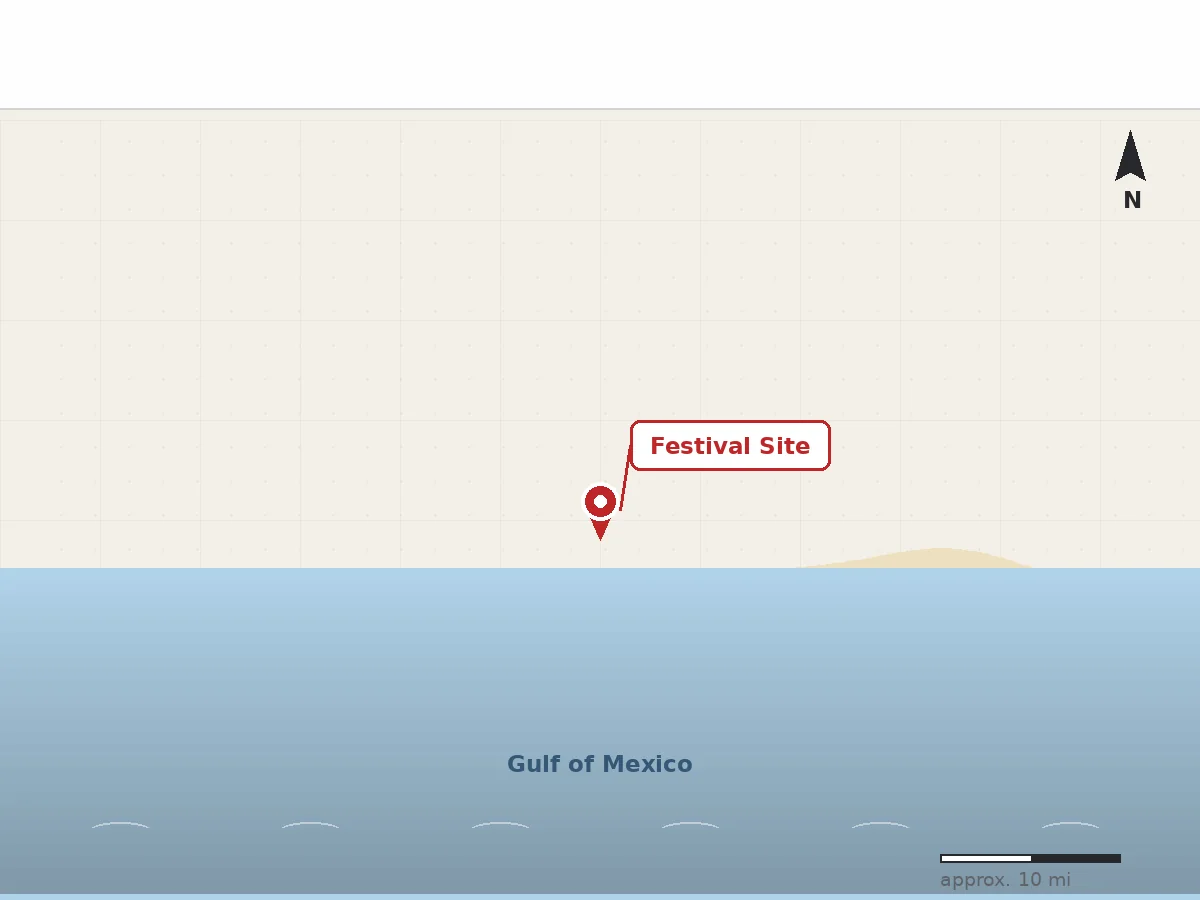
The Emmet County showgrounds sit in the Emmet County area around Estherville, the county seat, in the northwest corner of Iowa.
Emmet County Show Questions, Answered
When does the Emmet County Agricultural Show usually take place?
Most years the show lands on a summer weekend, in the middle of the county fair season. Because the exact dates shift from year to year, check the current schedule through local county sources before you plan travel.
Is there an admission fee to get in?
Entry to the grounds is typically free. Grandstand events, carnival rides, and some contests charge separately, and food and vendor prices are set locally, so bring some cash along.
Is the show a good outing for children?
Yes. Livestock barns, games, pedal tractor pulls, and hands-on exhibits make it a strong family outing. Expect walking, sun, and noise, and keep an eye on small children around large animals and machinery.
What should I wear and bring to the grounds?
Closed-toe shoes, a hat, sunscreen, and a refillable water bottle are the essentials. Add a light rain jacket for afternoon storms, and bring cash for vendors that do not take cards.
Looking Ahead: The Show’s Next Seasons in Emmet County
The direction of county agricultural shows in Iowa is fairly clear: more emphasis on accessibility, more diverse food and entertainment, and continued reliance on 4-H and FFA to keep the barns full. Emmet County’s show has the advantages that matter most — a farming community that still cares about the results, a county seat that can host a crowd, and volunteers who have run the event for generations.
Expect the format to stay recognizable. Livestock judging will remain the spine, the exhibit hall will remain the heart, and the food row will remain the reason a lot of people come back. What may change is how the show reaches visitors: better online schedules, more card-friendly vendors, and more programming aimed at people who did not grow up on a farm but want to understand one.
Last updated: October 2026
For anyone tracing the summer festival circuit across northwest Iowa, the Emmet County Iowa Agricultural Show Festival is the honest version of the genre — no spectacle for its own sake, just a county putting its year on display. Come for the livestock, stay for the pie, and leave understanding this corner of Iowa a little better than you found it.

One Comment